

- Uttarakhand Tours
- @nagarjuna_travels
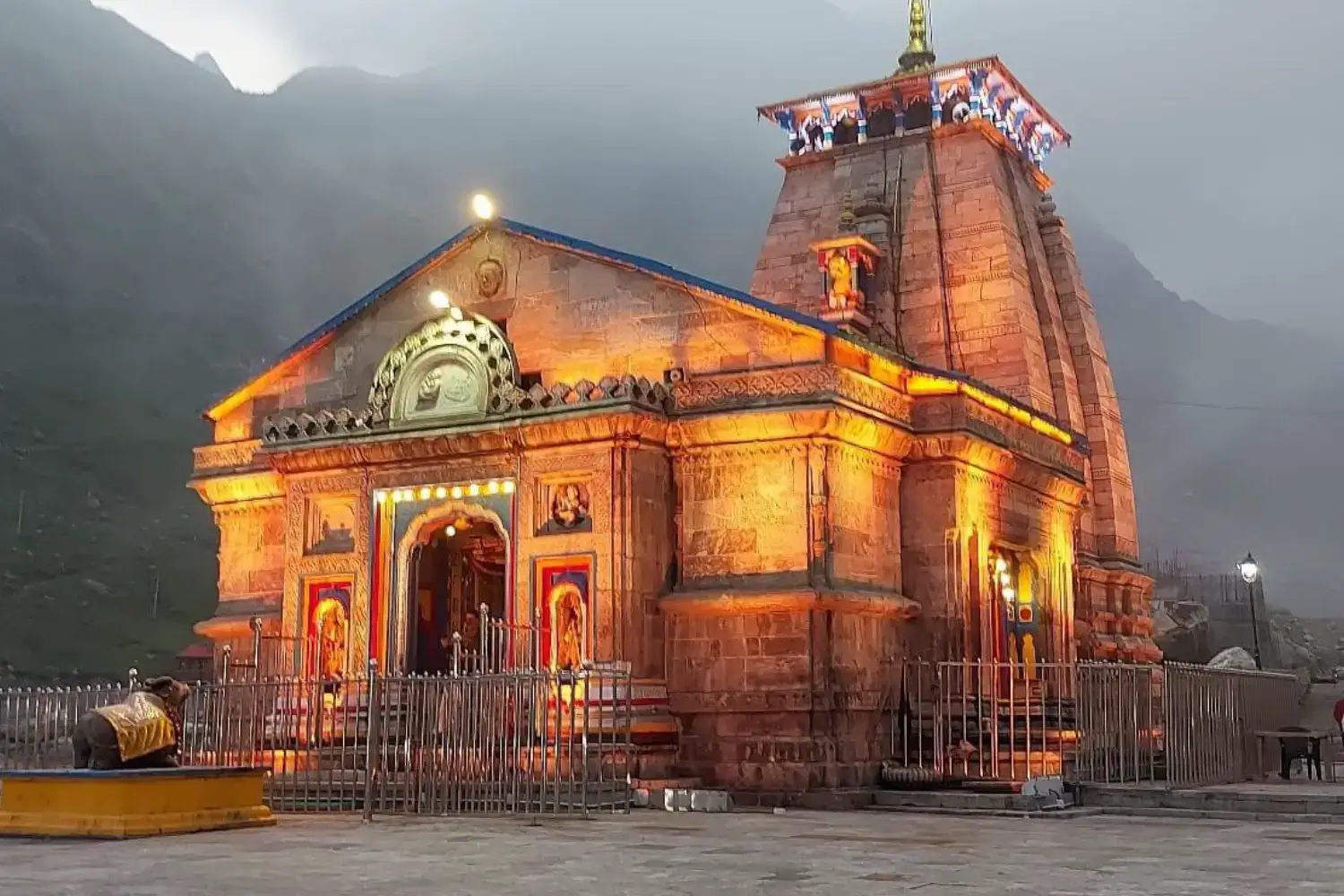
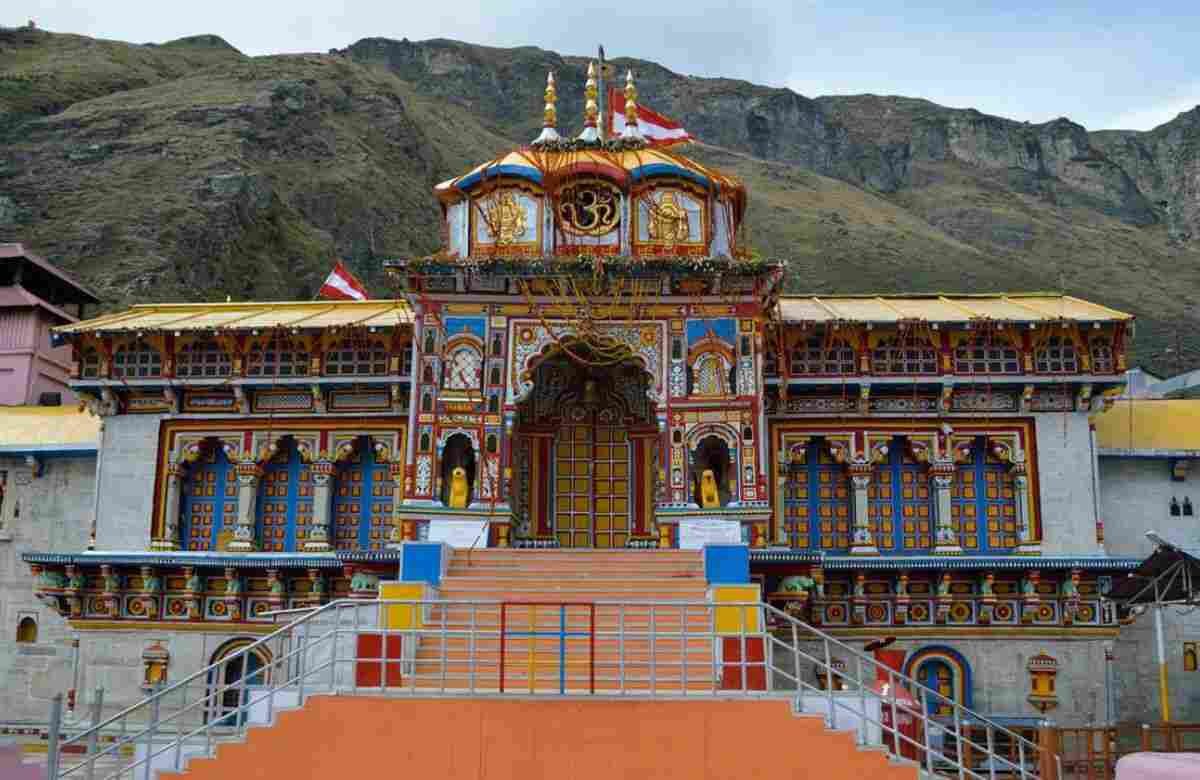
Badrinath Temple stands as one of the most revered pilgrimage destinations in India, deeply rooted in Hindu spirituality and tradition. Dedicated to Lord Vishnu, the temple is nestled in the Garhwal Himalayas of Uttarakhand along the banks of the Alaknanda River. It is not only one of the 108 Divya Desams but also a crucial pillar of the Char Dham Yatra, making it an essential destination for devotees seeking moksha and spiritual upliftment.
Due to its high-altitude Himalayan location, Badrinath Temple follows strict daily darshan timings and seasonal opening and closing dates. The harsh winters bring heavy snowfall, forcing the shrine to remain inaccessible for several months every year. Therefore, understanding the temple’s timing structure is extremely important for pilgrims planning their sacred journey. Proper knowledge of darshan hours, aarti schedules, and seasonal closures helps devotees experience a smooth, peaceful, and spiritually fulfilling visit.
Badrinath Temple Daily Darshan Timings
During the pilgrimage season—generally from April or May until October or early November—Badrinath Temple follows a well-defined daily schedule. These timings are designed to accommodate various rituals, pujas, and darshan sessions while maintaining the sanctity of the temple.
Morning Timings
The day at Badrinath Temple begins much before sunrise, creating a serene and divine atmosphere in the early hours.
The temple doors open at 4:30 AM, allowing devotees to witness the sacred Abhishek and Mahabhishek rituals, which continue until around 6:30 AM. This period is considered extremely auspicious, as the deity is worshipped with holy water, milk, curd, ghee, honey, and sacred chants from the Vedas. Many pilgrims prefer arriving early to experience this deeply spiritual ceremony, even though general darshan during Abhishek may be limited.
After the completion of these rituals, morning darshan for devotees begins at 6:30 AM and continues until 12:00 PM. This is one of the most crowded periods of the day, especially during peak Char Dham Yatra season. The early morning hours, however, offer a calmer experience compared to later in the day.
Afternoon Break at Badrinath Temple
Following the morning darshan, the temple closes briefly in the afternoon.
From 12:00 PM to 3:00 PM, Badrinath Temple remains closed to devotees. This break allows priests to perform internal rituals, prepare offerings, and give rest to the deity as per temple traditions. Pilgrims are advised to plan their visit accordingly and use this time for rest, meals, or exploring nearby sacred spots such as Tapt Kund, the hot water spring where devotees traditionally bathe before darshan.
Evening Darshan and Aarti Timings
The temple reopens for devotees at 3:00 PM, marking the beginning of the evening darshan period. This time is especially serene, as the Himalayan surroundings glow in soft evening light and the crowds are relatively more organized.
Evening darshan continues until 9:00 PM, with several important rituals taking place during this time. One of the highlights of the evening is the Geet Govind Path and Aarti, which generally occurs between 6:00 PM and 8:30 PM. The devotional hymns, lamps, and rhythmic chants create a profoundly spiritual ambiance, leaving devotees deeply moved.
The temple finally closes at 9:00 PM, concluding the day’s worship schedule.
Important Note: Daily timings may vary slightly depending on festivals, special pujas, weather conditions, or instructions from the temple administration. Pilgrims are always advised to confirm timings locally upon arrival.
Badrinath Temple Opening Date
One of the most significant aspects of Badrinath Temple is its annual opening ceremony. The temple does not remain open throughout the year; instead, its opening date is decided through traditional religious practices.
Every year, the opening date of Badrinath Temple is announced on Basant Panchami. The declaration takes place at the royal court of Tehri, following astrological calculations and religious customs. This announcement is eagerly awaited by pilgrims, travel operators, and devotees across the country.
Typically, the temple opens in late April or early May, depending on weather conditions and the Hindu calendar. On the opening day, the shrine comes alive with grand celebrations. The temple doors are ceremoniously opened amidst Vedic chants, special pujas, and traditional rituals, officially marking the beginning of the Char Dham Yatra season.
Thousands of devotees gather on this day to witness the divine moment, making it one of the most spiritually charged events in Uttarakhand.
Badrinath Temple Closing Date
As winter approaches, heavy snowfall and extreme cold make it impossible to access Badrinath safely. For this reason, the temple closes every year before the onset of harsh winter conditions.
The closing date usually falls in late October or early November, most often on the auspicious occasion of Bhai Dooj, which is celebrated two days after Diwali. On this day, special closing rituals are performed, and devotees bid farewell to the deity for the season.
After the temple closes, the idol of Lord Badrinarayan is ceremonially shifted to Joshimath, where worship continues throughout the winter months at the Narasimha Temple. This ensures that daily prayers and rituals are not interrupted, even when Badrinath itself is inaccessible.
Best Time to Visit Badrinath Temple
Choosing the right time to visit Badrinath Temple can significantly enhance your pilgrimage experience.
The period from May to June is considered one of the best times to visit. During these months, the weather is relatively pleasant, roads are accessible, and the temple has just opened, making the environment spiritually vibrant. However, this is also peak pilgrimage season, so crowds are at their highest.
Another excellent time to visit is September to October. After the monsoon season ends, the skies are clear, the landscape is lush and beautiful, and the number of pilgrims decreases. This period offers a more peaceful darshan experience before the temple closes for winter.
Pilgrims are generally advised to avoid July and August, as the monsoon season increases the risk of landslides, road blockages, and travel delays in the Himalayan region.
Important Tips for Devotees Visiting Badrinath
A pilgrimage to Badrinath requires careful preparation due to the region’s altitude and climate.
Devotees are strongly advised to reach the temple early in the morning to avoid long queues and experience a calm darshan. Carrying warm clothing is essential, even during summer, as temperatures can drop suddenly, especially in the morning and evening.
Respecting temple rituals, dress codes, and photography restrictions is important to maintain the sanctity of the shrine. It is also recommended to stay updated with official announcements regarding temple timings, weather conditions, and travel advisories.
Spiritual Significance of Badrinath Temple
Badrinath holds immense spiritual importance in Hindu belief. According to legends, this is the place where Lord Vishnu meditated under a Badri tree for thousands of years. Goddess Lakshmi is believed to have taken the form of the Badri tree to protect him from harsh weather.
The temple has also been associated with Adi Shankaracharya, who revived it in the 8th century and established its significance within the Char Dham circuit. For Vaishnavites, visiting Badrinath is considered one of the most sacred pilgrimages, believed to cleanse sins and grant liberation.
Conclusion
Understanding the daily darshan timings, opening and closing dates, and seasonal factors of Badrinath Temple is essential for planning a successful pilgrimage. Whether you visit during the vibrant opening days or the peaceful post-monsoon season, Badrinath offers a divine experience that stays with devotees for a lifetime.