

- Adi Kailash Blogs
- @nagarjuna_travels
In the vast spiritual geography of the Himalayas, very few destinations command the reverence, mystery, and devotion associated with Kailash. For centuries, devotees of Lord Shiva have dreamed of reaching the divine abode believed to be the center of the universe. Today, pilgrims often find themselves choosing between Adi Kailash and Kailash Mansarovar—two sacred yet very different journeys. While both hold immense religious significance, they differ greatly in mythology, geography, accessibility, physical challenge, and overall experience.
This article explores Adi Kailash vs Kailash Mansarovar in depth, helping you understand which pilgrimage aligns better with your faith, health, time, and travel expectations.
Spiritual and Mythological Significance
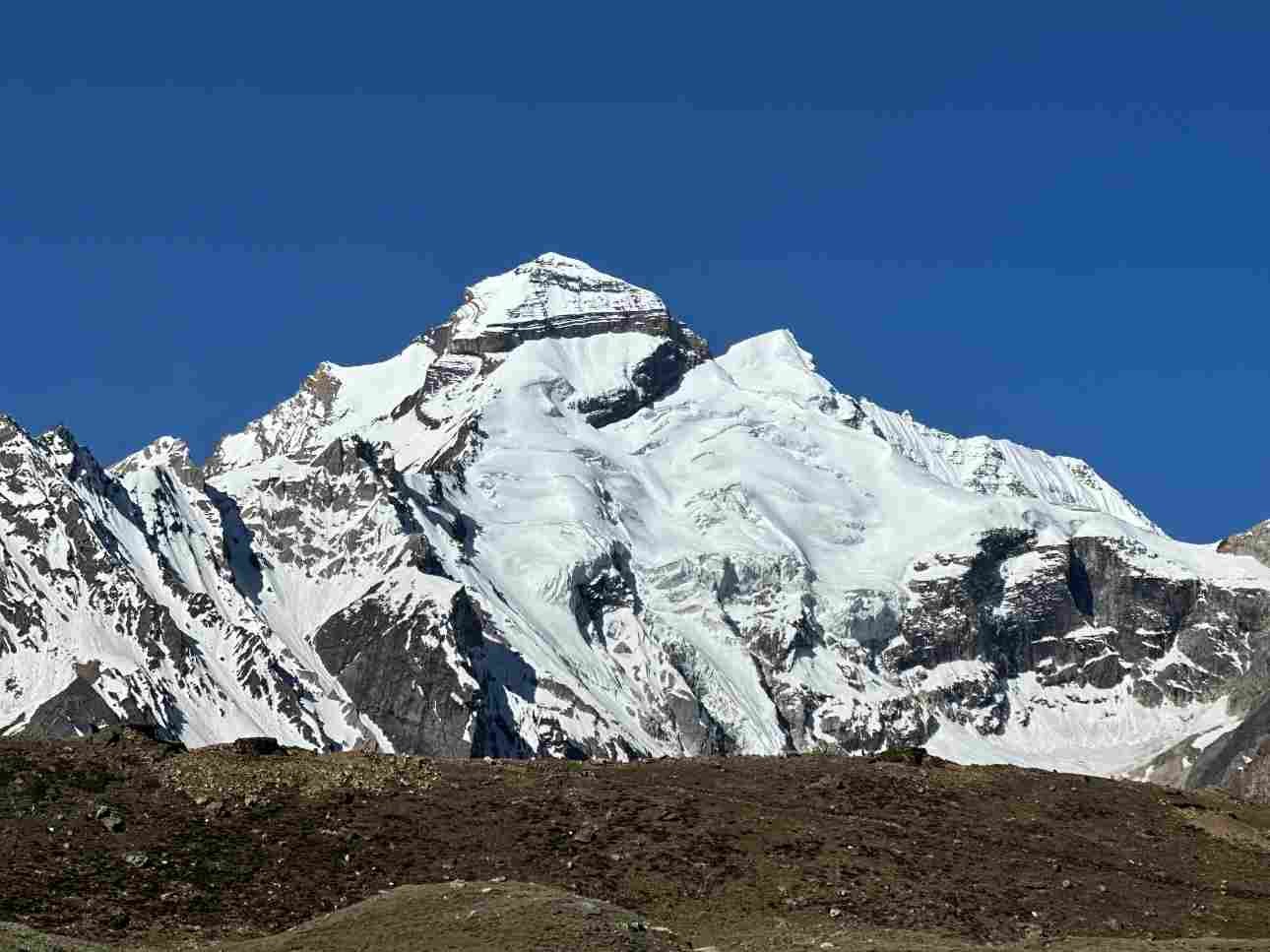
Adi Kailash, also known as Chhota Kailash, is deeply revered in Hindu belief as the earthly manifestation of Mount Kailash. According to legend, Lord Shiva and Goddess Parvati resided here before moving to the original Kailash in Tibet. The presence of Parvati Sarovar, Gauri Kund, and the strikingly sacred Om Parvat—where snow naturally forms the symbol “ॐ”—gives Adi Kailash a powerful spiritual aura. Many sages and saints consider this region a direct extension of Kailash’s divine energy.
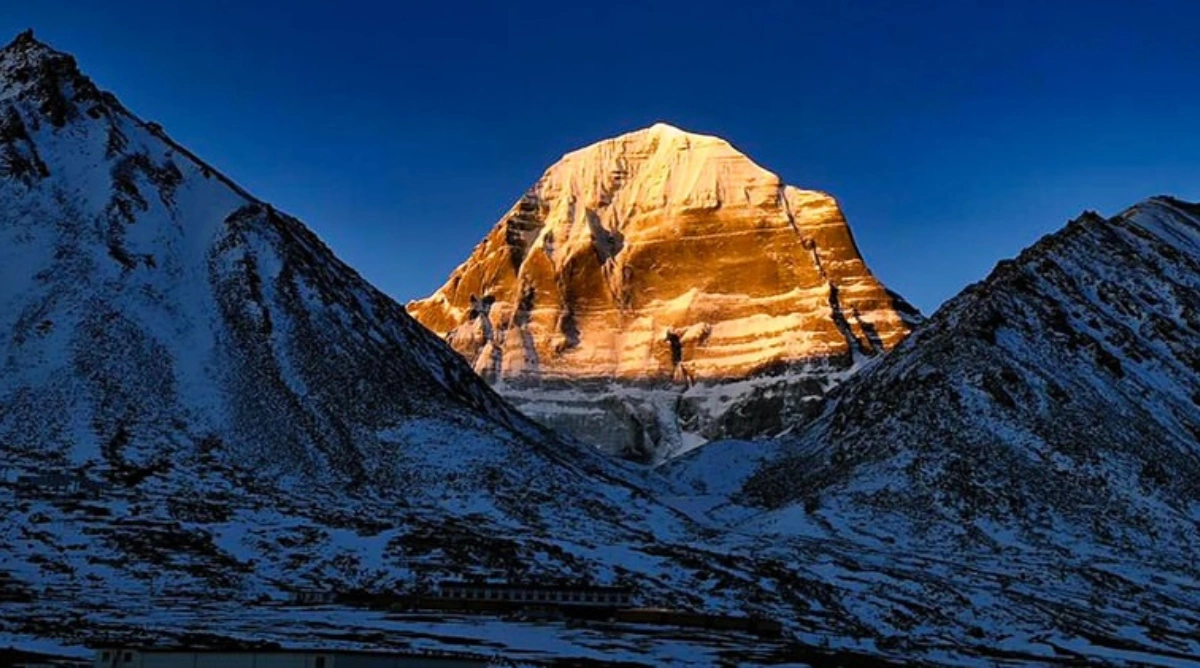
On the other hand, Kailash Mansarovar is regarded as the ultimate spiritual destination in Hinduism, Buddhism, Jainism, and Bon traditions. Mount Kailash is believed to be the axis mundi—the cosmic center of the universe—and the abode of Lord Shiva in his highest form. Nearby Mansarovar Lake is said to have been created by Lord Brahma and is believed to cleanse the soul of sins accumulated over lifetimes. For many devotees, completing the Kailash Parikrama is a once-in-a-lifetime spiritual achievement.
Geographic Location and Accessibility
Adi Kailash is located in the Kumaon Himalayas of Uttarakhand, India, close to the Indo-Tibetan border. The journey begins from Kathgodam or Pithoragarh and proceeds through Dharchula, Gunji, and Nabi villages. Being entirely within Indian territory, the yatra does not require a passport or visa, making it significantly more accessible for Indian pilgrims.
In contrast, Kailash Mansarovar lies in the Tibet Autonomous Region of China, beyond India’s borders. Pilgrims must travel either via Nepal (Simikot or Hilsa routes) or through limited government-approved channels when available. This journey requires a valid passport, Chinese visa, multiple permits, and coordination with international authorities, which adds complexity, cost, and uncertainty.
Physical Difficulty and Altitude Challenges
One of the biggest differences between Adi Kailash and Kailash Mansarovar is the level of physical challenge involved. Adi Kailash typically reaches altitudes of around 13,500–14,000 feet, and although the terrain is mountainous, modern road connectivity has reduced trekking distances. With proper acclimatization, it is suitable for elderly pilgrims and first-time yatris with moderate fitness.
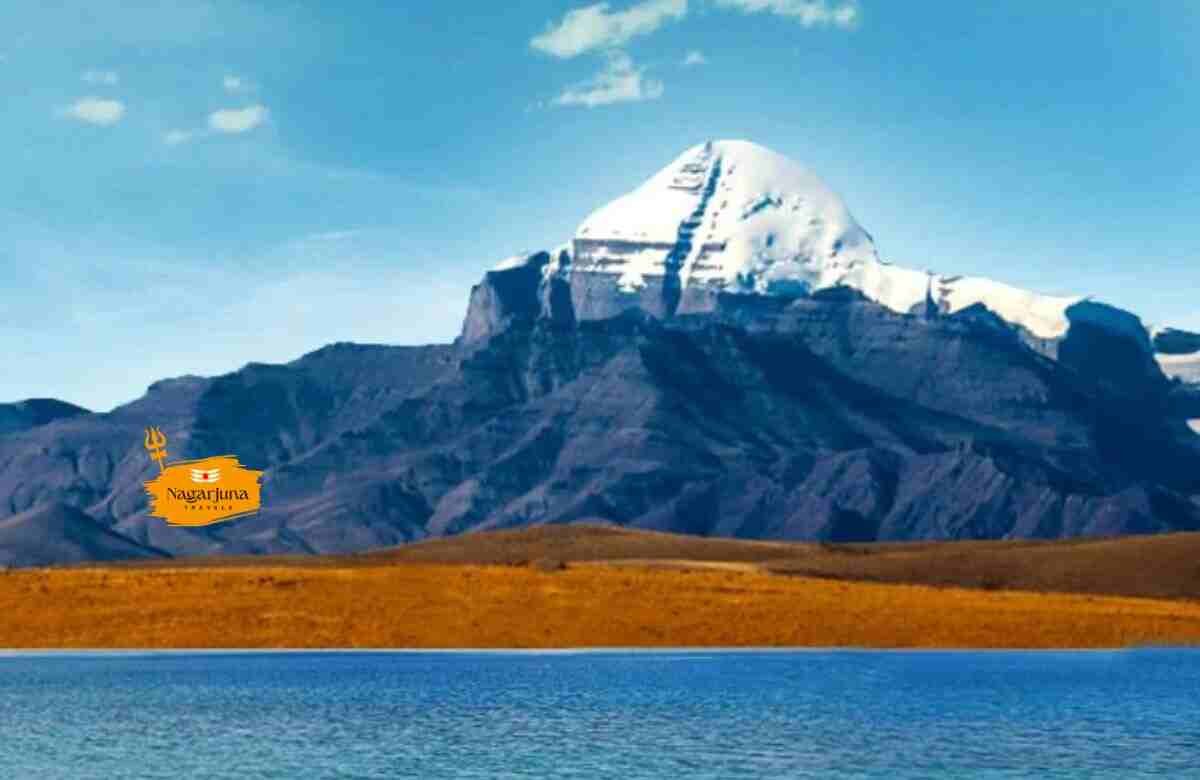
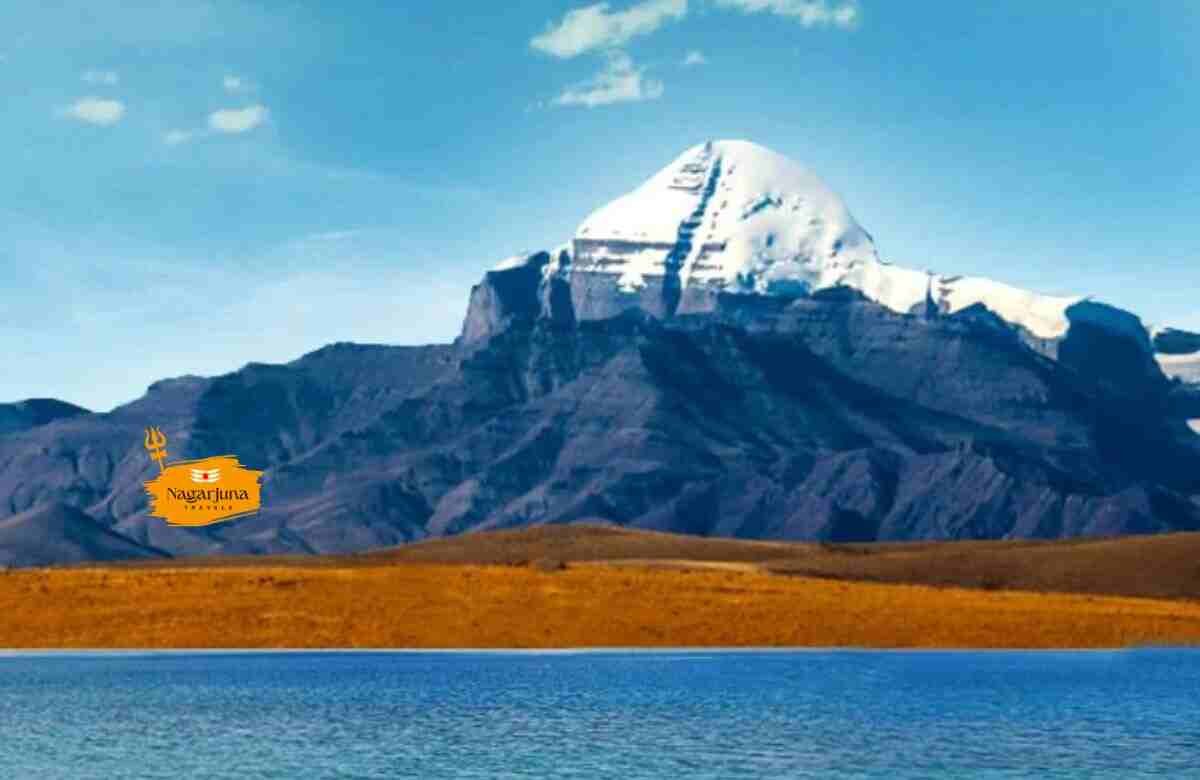
Kailash Mansarovar, however, is a high-altitude pilgrimage in the truest sense. Mount Kailash stands at approximately 22,028 feet, and the Kailash Parikrama involves crossing Dolma La Pass (around 18,600 feet). Oxygen levels are low, weather conditions are unpredictable, and altitude sickness is a real concern. This journey demands strong physical endurance, mental resilience, and careful medical preparation.
Duration, Cost, and Logistics
Adi Kailash Yatra is generally completed within 7 to 10 days, depending on the starting point and itinerary. The cost is comparatively moderate, as travel is domestic, accommodation is simpler, and logistics are easier to manage. The yatra is often chosen by pilgrims seeking spiritual fulfillment without extensive financial or physical strain.
Kailash Mansarovar Yatra usually takes 12 to 18 days, sometimes longer depending on the route and weather conditions. Costs are significantly higher due to international travel, chartered flights or helicopters, permits, and high-altitude logistics. For many pilgrims, this journey requires years of planning and saving.
Cultural Experience and Scenic Beauty
Adi Kailash offers an intimate connection with local Himalayan culture. Villages like Gunji and Nabi reflect the traditional life of the Bhotiya community, and the journey is enriched by quiet forests, river valleys, and untouched mountain landscapes. The experience feels personal, serene, and deeply rooted in Indian spiritual traditions.
Kailash Mansarovar, by contrast, is vast and otherworldly. The stark Tibetan plateau, endless horizons, and the surreal presence of Mount Kailash create a feeling of spiritual insignificance and cosmic awe. Pilgrims often describe the experience as transformational, not just devotional.
Which One Should You Choose?
Choosing between Adi Kailash and Kailash Mansarovar is not about which is “better,” but about what you are ready for. Adi Kailash is ideal for those who seek Shiva’s presence within India, prefer a safer and more accessible journey, or are constrained by time, age, or health. Kailash Mansarovar is suited for spiritually driven seekers prepared for hardship, high altitude, and international travel in pursuit of the ultimate Himalayan pilgrimage.
Many devotees view Adi Kailash as a spiritual preparation or alternative to Kailash Mansarovar, while others consider it equally powerful in divine energy.
Adi Kailash and Kailash Mansarovar are two sacred paths leading to the same spiritual truth—devotion to Lord Shiva. One is closer, gentler, and more accessible; the other is remote, demanding, and profoundly intense. Whichever path you choose, both journeys promise inner transformation, humility before nature, and a deeper connection with the divine Himalayas.