



- Adi Kailash Blogs
- @nagarjuna_travels
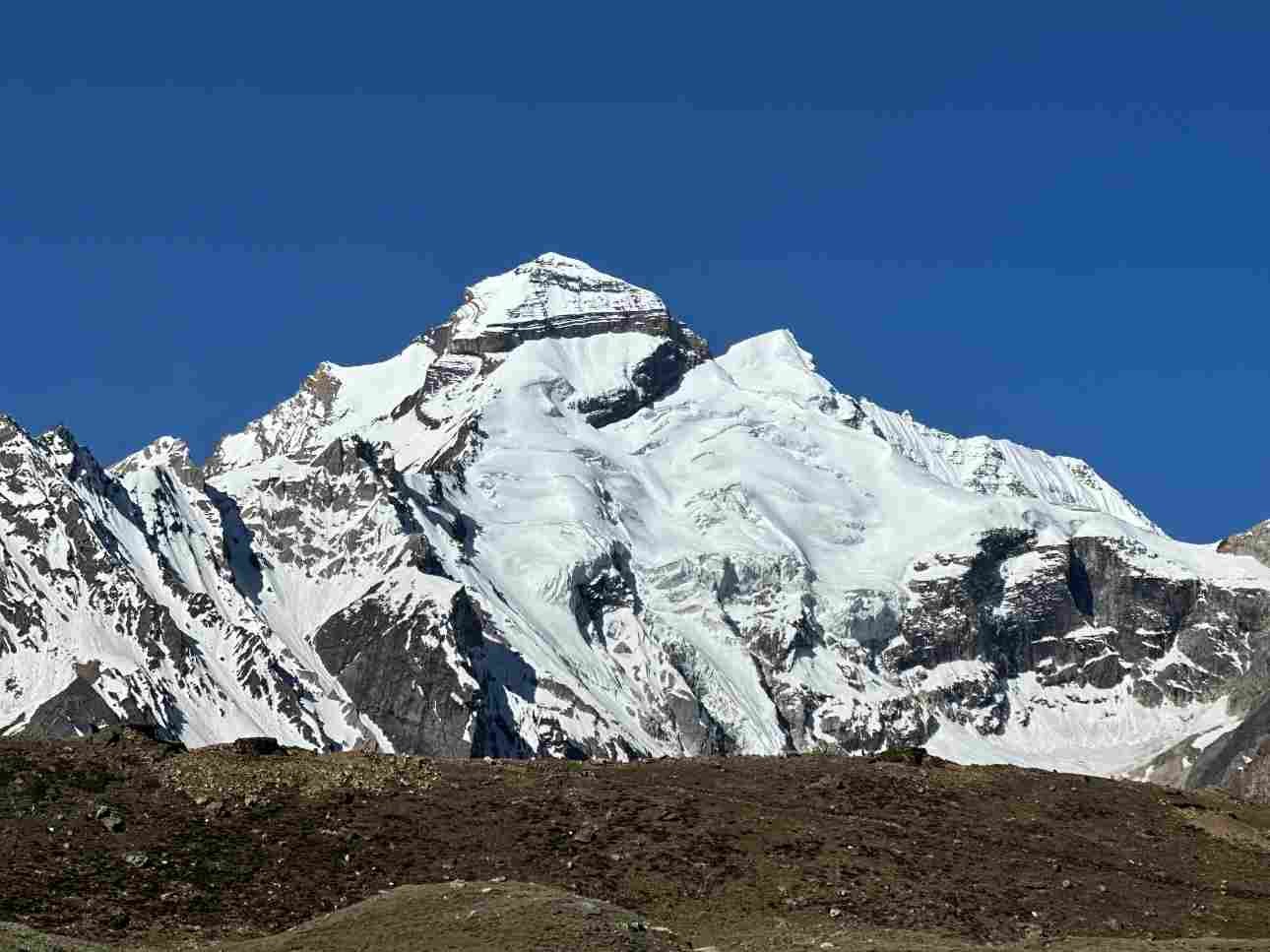
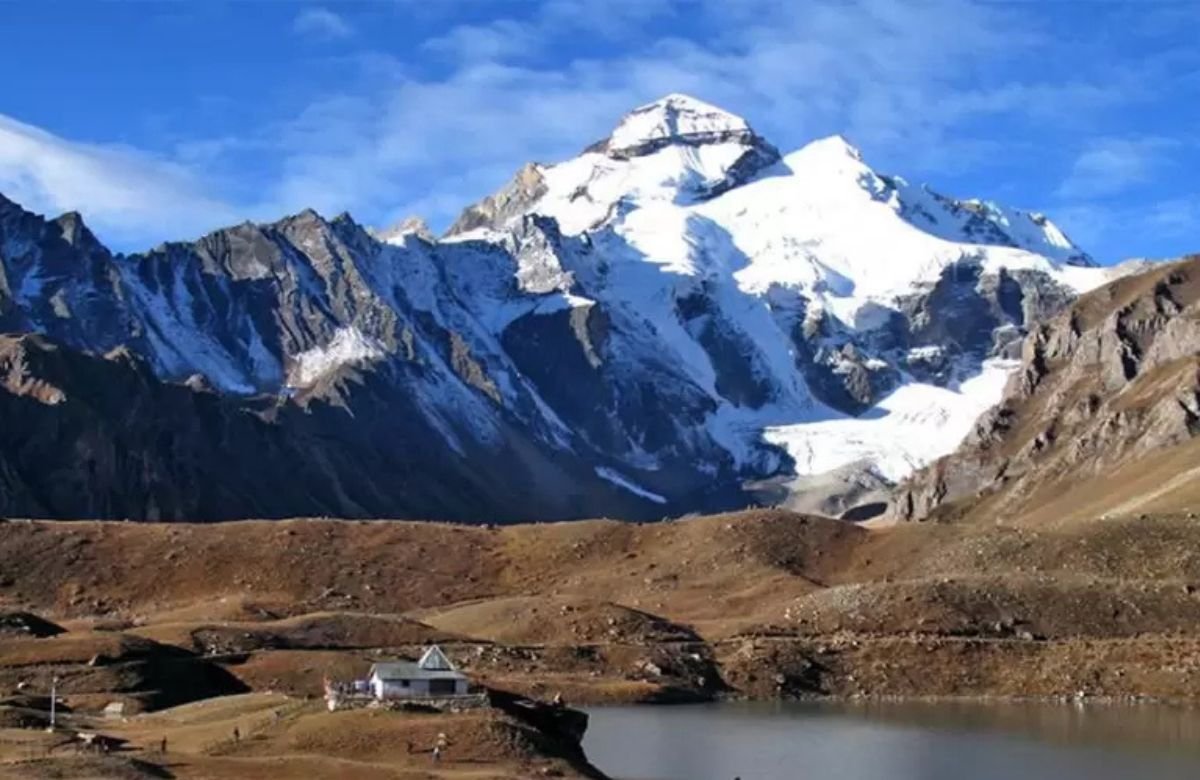
The Adi Kailash Om Parvat Yatra is one of the most spiritually enriching yet physically demanding pilgrimages in the Kumaon Himalayas of Uttarakhand. Located near the Indo–Tibet border, the journey takes you through high-altitude villages, rugged mountain terrains, sharp temperature drops, and remote landscapes with limited facilities.
Because the region is remote and unpredictable, packing correctly is essential. A well-planned packing checklist ensures comfort, safety, and peace of mind throughout your sacred journey.
This guide covers everything you need to pack—from clothing and toiletries to medicines, documents, gadgets, and personal essentials.
Understanding the Terrain & Climate Before Packing
The route to Adi Kailash, Jyolingkong, Om Parvat, Napalchu, and Gunji takes you through winding Himalayan roads, river valleys, and high-altitude zones between 8,000 to 15,000 feet. Weather can change rapidly—from bright sunshine to icy winds within minutes.
Days remain pleasant, but nights can be extremely cold, especially between May to early July and September to November. Monsoon (July–August) brings landslides and roadblocks, so the packing must focus on warmth, waterproofing, and safety.
Clothing Essentials
When packing clothes for the Adi Kailash Om Parvat Yatra, focus on the layering system, which keeps your body warm and flexible in all weather conditions.
Upper Body Layers
Carry a full set of layers for temperature variations. Start with a thermal inner, then a fleece jacket, and finally a windproof/waterproof outer layer.
Lower Body Wear
Comfortable trekking pants, thick track pants, and thermal lowers are necessary to stay warm during early morning and high-altitude travel.
Warm Accessories
Woollen gloves, warm socks, mufflers, woollen caps, and neck warmers protect against wind chill, especially in areas like Gunji, Nabi, and Jyolingkong.
Footwear
Good-quality trekking shoes with strong grip, along with warm socks and light slippers to wear at stay points, are recommended.
Toiletries & Personal Hygiene Items
The route has limited access to premium bathrooms, shops, or pharmacies, so carry your personal hygiene items.
A simple kit should include skin moisturizers, sunscreen, lip balm, toothbrush, toothpaste, soap, handwash and sanitizers. Wet wipes, tissue papers, and sanitary pads (for female travellers) are important because you may not find shops in higher regions.
Additionally, a small towel, deodorant, and a few polythene covers for waste management will keep your essentials organized.
Medical Kit & Health Essentials
High-altitude regions demand extra attention to health. Your personal medical kit should be compact but complete.
Carry basic medicines for fever, headache, stomach upset, body pain, motion sickness, and vomiting. ORS packets are essential as dehydration is common while travelling long distances. Include a few band-aids, cotton, antiseptic lotion, pain sprays, and any doctor-prescribed medications.
If you have a history of altitude sickness, ask your doctor about Diamox or any preventive medicines before the trip.
Documents & Permits
The Adi Kailash and Om Parvat region falls near the India–China border, so carrying necessary documents is mandatory. You will be required to show your ID proofs at multiple Army and ITBP checkpoints.
Keep your Aadhaar Card, passport-size photos, Inner-Line Permit (ILP) documents, and photocopies safely in a waterproof folder. Ensure you also have soft copies stored on your phone.
Gadgets & Electronics
Because the terrain is remote and mobile connectivity is limited, especially in Nabi, Gunji, and Kalapani, pack essential gadgets carefully.
Carry a fully charged power bank, charging cables, mobile charger, and a small torch. A portable hotspot rarely works here, but keeping offline maps downloaded is useful. A camera or GoPro is optional but recommended for capturing the divine beauty of Adi Kailash and Om Parvat.
Cash & Payment Essentials
Digital payments do not work in many high-altitude villages. Always carry enough cash for emergencies, snacks, tea points, and local purchases. ATM availability is limited to Dharchula, so withdraw cash before entering the inner Himalayan region.
Food, Snacks & Hydration Items
While meals are provided at night halts, it’s helpful to carry some light snacks for long travel days. Energy bars, dry fruits, biscuits, chocolates, and glucose powder help you stay energized throughout the journey; Always carry a water bottle. A thermos flask helps in keeping water warm during cold mornings. Staying hydrated is the key to combating altitude sickness.
Weather Protection & Safety Items
To protect yourself from sudden weather changes, carry a raincoat or poncho, waterproof shoe covers, and an umbrella; A light woollen blanket or sleeping bag (optional based on accommodation) can bring comfort during cold nights; Walking sticks, sunglasses, warm mufflers, and a small first aid pouch are ideal for ensuring safety on uneven paths and high-altitude plains.
Bag Essentials & How to Organize
Use a medium-size duffle bag or backpack that is easy to carry. Inside it, pack two or three small pouches for organizing clothes, toiletries, and electronics separately. Keep medicines and essentials in an easy-to-access pouch.
Always keep your valuables and documents in a waist pouch or small sling bag that stays with you at all times.
Tips for Smart Packing
Pack light but pack right. Overpacking will make travel uncomfortable as you will be moving frequently across high-altitude terrains. Check the weather forecast for the week of your travel and adjust your clothing layers accordingly.
Carry eco-friendly items and avoid plastic waste. Above all, travel with a peaceful mind—this journey is sacred and should be enjoyed with minimal stress.
Conclusion
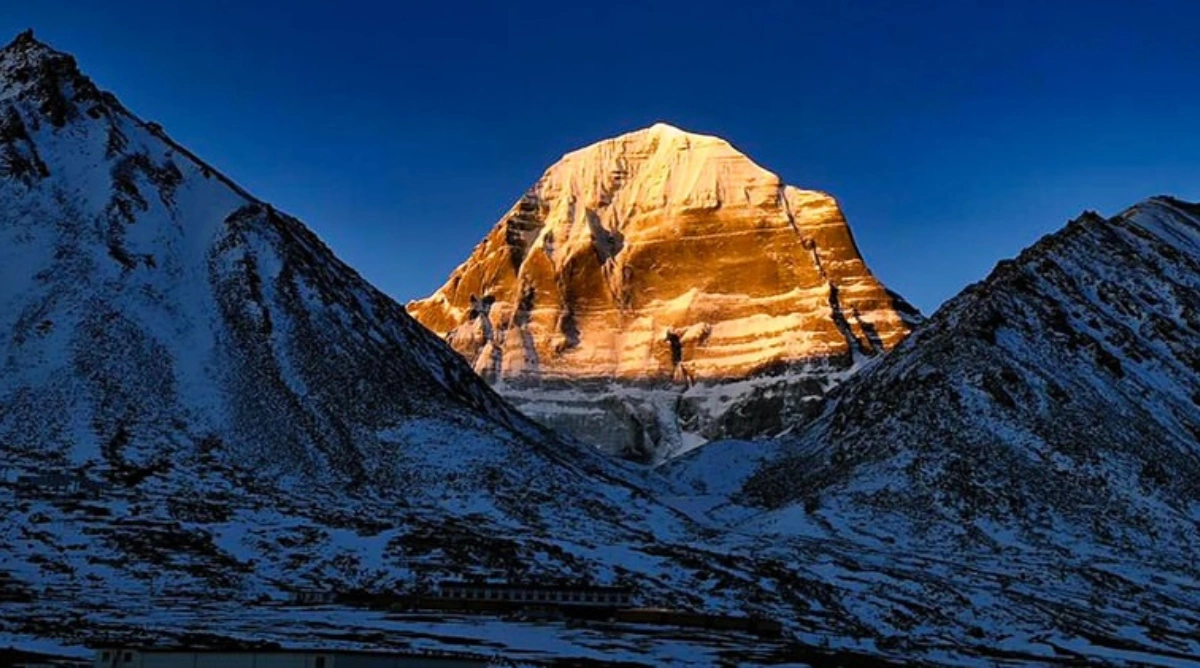
Packing smartly for the Adi Kailash Om Parvat Yatra ensures you stay comfortable, warm, and safe throughout the journey. With remote Himalayan roads, unpredictable weather, and limited local facilities, having the correct essentials is crucial. When you pack correctly, you can focus on what truly matters—the divine darshan of Adi Kailash, the glowing Om Parvat, and the serene valleys that make this Yatra truly unforgettable.