

- Uttarakhand Tours
- @nagarjuna_travels
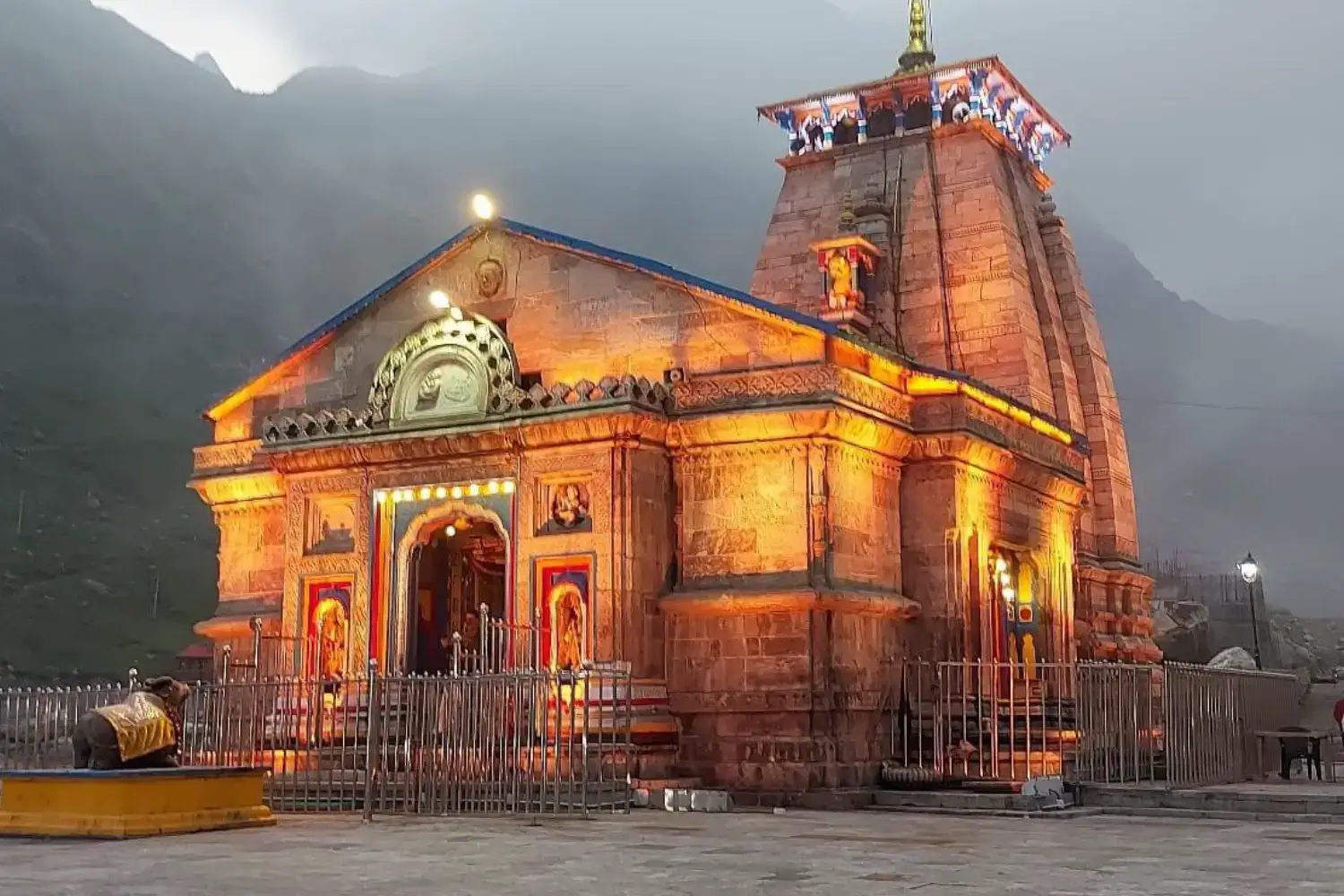
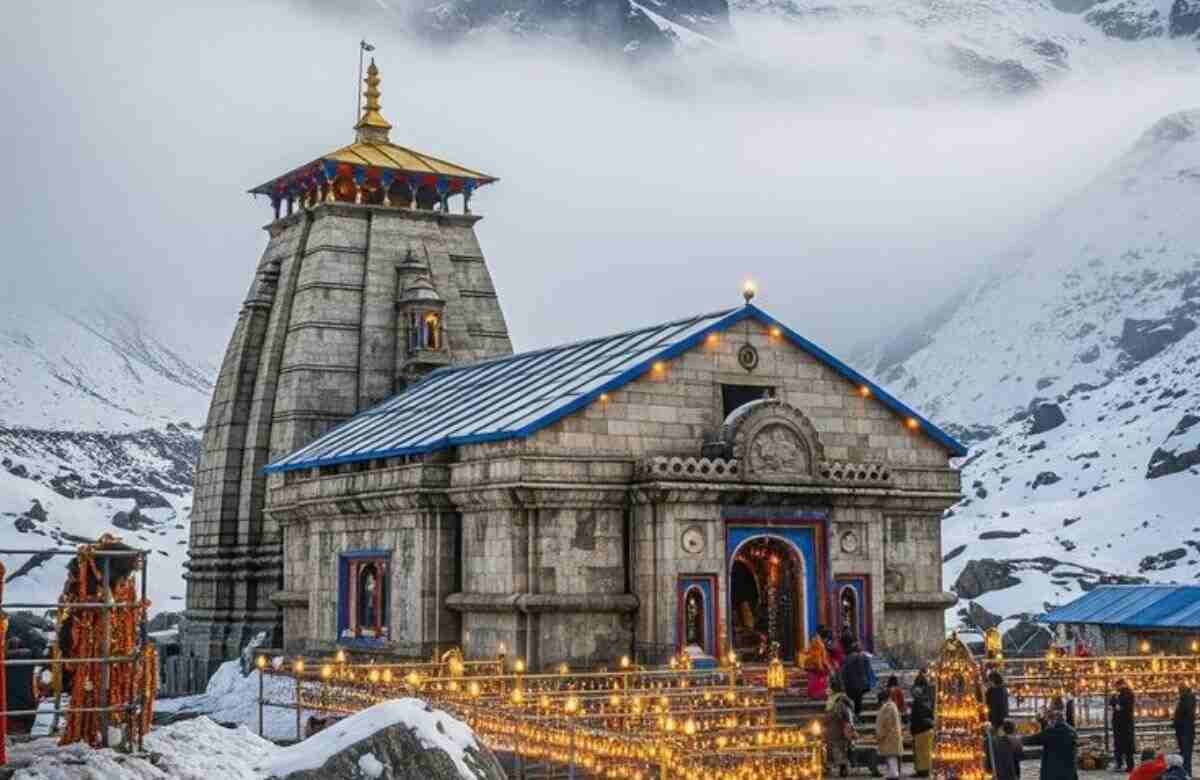
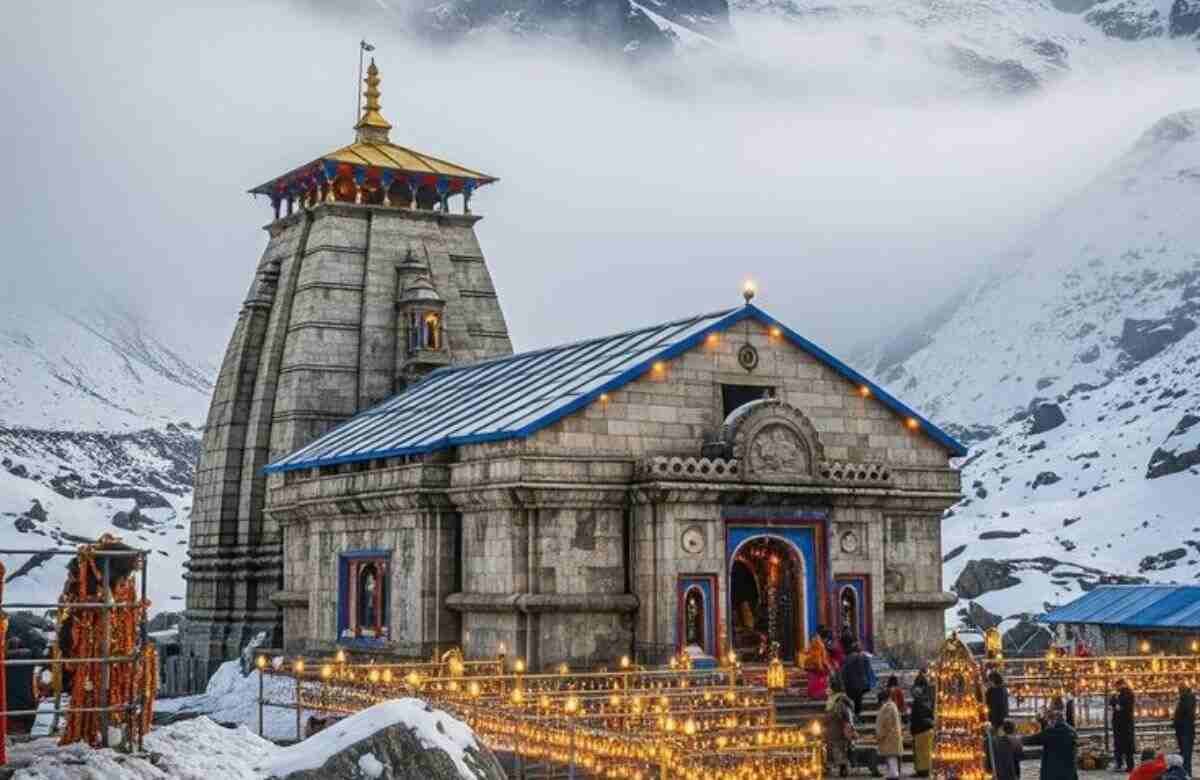
Kedarnath, one of the holiest Jyotirlingas and a revered pilgrimage destination in the Himalayas, attracts millions of devotees every year. Nestled at an altitude of 3,583 meters in Uttarakhand’s Rudraprayag district, it is surrounded by snow-clad peaks, glaciers, and the peaceful Mandakini River. Due to its high altitude and extreme weather conditions, planning your visit during the right time is crucial for a safe and comfortable journey. This detailed month-wise and season-wise guide will help you understand the best time to visit Kedarnath and make the most of your pilgrimage.
Understanding Kedarnath Weather
Kedarnath experiences drastic weather variations throughout the year. The shrine remains open for only about six months—from April/May to October/November, depending on the official announcement by the Kedarnath Temple Committee. Winters are harsh, summers are cool and pleasant, and monsoon months bring heavy rainfall and landslides. Choosing the right season ensures easier trekking, better accommodation availability, and safer travel conditions.
Best Time to Visit Kedarnath
The ideal time to visit Kedarnath is during the summer season (May to June) and the post-monsoon period (September to October). These months offer stable weather, clear trekking routes, and comfortable temperatures. Devotees can enjoy scenic mountain views and a spiritually uplifting atmosphere without the challenges of extreme cold or heavy rains.
Month-Wise Weather Guide for Kedarnath
The table below provides a clear month-wise breakdown of temperature, conditions, and travel suitability.
| Month | Temperature Range | Weather Conditions | Is It Good to Visit? |
|---|---|---|---|
| April | 2°C to 10°C | Cold, snow begins to melt, temple opens late April/May | Moderate |
| May | 5°C to 15°C | Pleasant, clear skies, start of pilgrimage season | Excellent |
| June | 8°C to 17°C | Best weather, ideal trekking conditions | Excellent |
| July | 10°C to 16°C | Heavy rainfall, landslide-prone routes | Not Recommended |
| August | 10°C to 16°C | Frequent rain, roadblocks possible | Not Recommended |
| September | 6°C to 15°C | Post-monsoon clear skies, fresh greenery | Excellent |
| October | 2°C to 12°C | Cold but stable weather, temple closes late Oct/Nov | Good |
| November to March | -15°C to 0°C | Extreme snowfall, temple remains closed | Not Allowed |

Season-Wise Guide to Visiting Kedarnath
1. Summer Season (May – June)
The summer months are considered the peak season for Kedarnath Yatra. Weather remains pleasantly cool during the day and slightly cold at night. This period offers smooth trekking conditions, clear views of the Himalayan peaks, and comfortable travel experiences. Due to high footfall, early booking of accommodation and helicopter services is recommended.
2. Monsoon Season (July – August)
The monsoon season brings heavy rainfall to Uttarakhand, resulting in slippery trekking paths, cloudbursts, and landslide-prone roads. Although the valley looks lush and green, this is not a safe time to visit Kedarnath. Majority of yatris avoid traveling during this period, and authorities often issue weather warnings.
3. Post-Monsoon / Autumn (September – October)
After the rains, the skies clear up and the mountains appear fresh and vibrant. September and October offer ideal conditions, including moderate temperatures, scenic landscapes, and pleasant trekking weather. This season is perfect for photography enthusiasts and devotees seeking a quieter spiritual experience before the temple closes for winter.
4. Winter Season (November – April)
Winters in Kedarnath are extreme, with temperatures dropping below –15°C and heavy snowfall blocking all routes. The temple remains closed during this period, and the idol of Lord Kedarnath is shifted to Ukhimath Omkareshwar Temple for winter worship.
Travel to Kedarnath during winter is not allowed, but devotees may visit Ukhimath for darshan.
Best Months for Kedarnath Yatra (Quick Summary)
The best months to visit Kedarnath are: May, June, September, and October; These months offer stable weather, safer trekking routes, and breathtaking mountain views.
Tips for Planning Your Kedarnath Trip
Choosing the right time is only the first step. Here are a few additional tips to ensure a smooth pilgrimage:
- Visit during early morning hours for peaceful darshan.
- Carry warm clothing even in summer due to unpredictable cold winds.
- Book helicopter tickets, ponies, palkis, and accommodations in advance during peak months.
- Keep rain gear handy if visiting in May–June or September–October.
- Check weather updates and travel advisories issued by the authorities.
- Maintain good physical fitness, as the trek to Kedarnath is steep and demanding.
Final Thoughts and Conclusion
Kedarnath is not just a destination; it is a profound spiritual journey surrounded by the might and grace of the Himalayas. Understanding the best time to visit helps ensure a safe, comfortable, and deeply fulfilling yatra. Whether you choose the vibrant summer months or the peaceful post-monsoon period, Kedarnath welcomes every pilgrim with divine blessings and unforgettable Himalayan beauty.