

- Uttarakhand Tours
- Chandan_singh
Jim Corbett National Park is in the Nainital district of Uttarakhand, northern India, with the town of Ramnagar as its main gateway. It is about 240–260 km from Delhi (5–6 hours by road). It is India's oldest national park, set up in 1936, and sits inside the larger Corbett Tiger Reserve. Safaris are booked online on the official forest department portal: corbettonline.uk.gov.in. You have the dates blocked. The kids are excited. Then you open the booking portal and the zone you wanted shows "sold out". Or you land in Ramnagar, find out the monsoon closure applies to your dates, and spend the trip in a resort pool instead of a jeep.
Jim Corbett National Park is easy to love and surprisingly easy to plan badly. The problem is scattered information. One site says the park is in Nainital. Another says Ramnagar. A third says Pauri Garhwal. Prices differ from page to page. People still ask whether the park has been renamed. And the first question every traveller has—which zone should I book?—rarely gets a straight answer.
This guide fixes that. It covers where Jim Corbett National Park actually is, what the "new name" story really was, how the zones differ, how safari booking works, what tickets cost and why the numbers vary, the weather and best time to visit, how to reach the park, and how to photograph it well. Every point is written so you can act on it.
Jim Corbett National Park at a Glance
| Key Detail | Information |
|---|---|
| Established | 1936, as Hailey National Park |
| Tiger reserve area | Approximately 1,288 sq km |
| Main safari zones | 5+ |
| Project Tiger status | Became a Project Tiger reserve in 1973 |
| Location | Nainital district, Uttarakhand |
| Main gateway | Ramnagar |
| Distance from Delhi | About 240–260 km |
| Main activities | Jeep safari, canter safari, wildlife photography and birdwatching |
Where Is Jim Corbett National Park? Location in Uttarakhand
Jim Corbett National Park is in Uttarakhand, in the foothills of the Himalayas. The park falls mainly in the Nainital district, and the wider tiger reserve also extends into Pauri Garhwal. That is why you will see all three phrases online: "Corbett National Park Nainital", "Corbett Ramnagar Uttarakhand" and "Corbett in Uttarakhand". They describe the same place.
The practical gateway is Ramnagar, a small town on the Kosi River. Almost every safari, resort and permit office is based there or in the villages just beyond it. Nainital is a popular hill station nearby, but you do not stay there for the safari. You stay near Ramnagar, Dhikuli or Jhirna.
Distances and How Long It Takes
Delhi to Ramnagar: About 240–260 km, 5–6 hours by car depending on traffic.
Nainital to Ramnagar: About 60–65 km, roughly 2 hours on hill roads.
Kathgodam railway station: About 70 km away. Ramnagar has its own station on a direct line from Delhi.
Nearest airport: Pantnagar, around 60–70 km. Dehradun's Jolly Grant airport is much farther.
From Rishikesh: A long day's drive, usually 5–6 hours. Search interest for Rishikesh to Corbett is strong, so plan an overnight stop if you combine the two.
Jim Corbett National Park New Name: What Actually Happened?
Around 1,900 people search for the park's "new name" every month, so it deserves a clear answer: the park has not been renamed. It is still Jim Corbett National Park. In October 2021, the Union Minister of State for Environment, Forest and Climate Change wrote in a museum visitors' book that the name should be Ramganga National Park, and news agencies reported that the park might be renamed.
After public criticism, the state government and forest department said the park's name would not be changed. The reports had described a formal proposal, but no formal proposal existed. The history explains why the idea came up. The park began in 1936 as Hailey National Park. After independence it was renamed Ramganga National Park, after the river that flows through it. In the mid-1950s it was renamed again in honour of Jim Corbett, the hunter-turned-conservationist and author who helped establish it. That is the name it carries today.
Jim Corbett Safari Zones: Which One Should You Choose?
Your safari booking is for one specific zone, and vehicles cannot cross between zones. Choosing the right zone matters more than almost any other decision in the trip. These are the main options.
Dhikala: The Crown Jewel
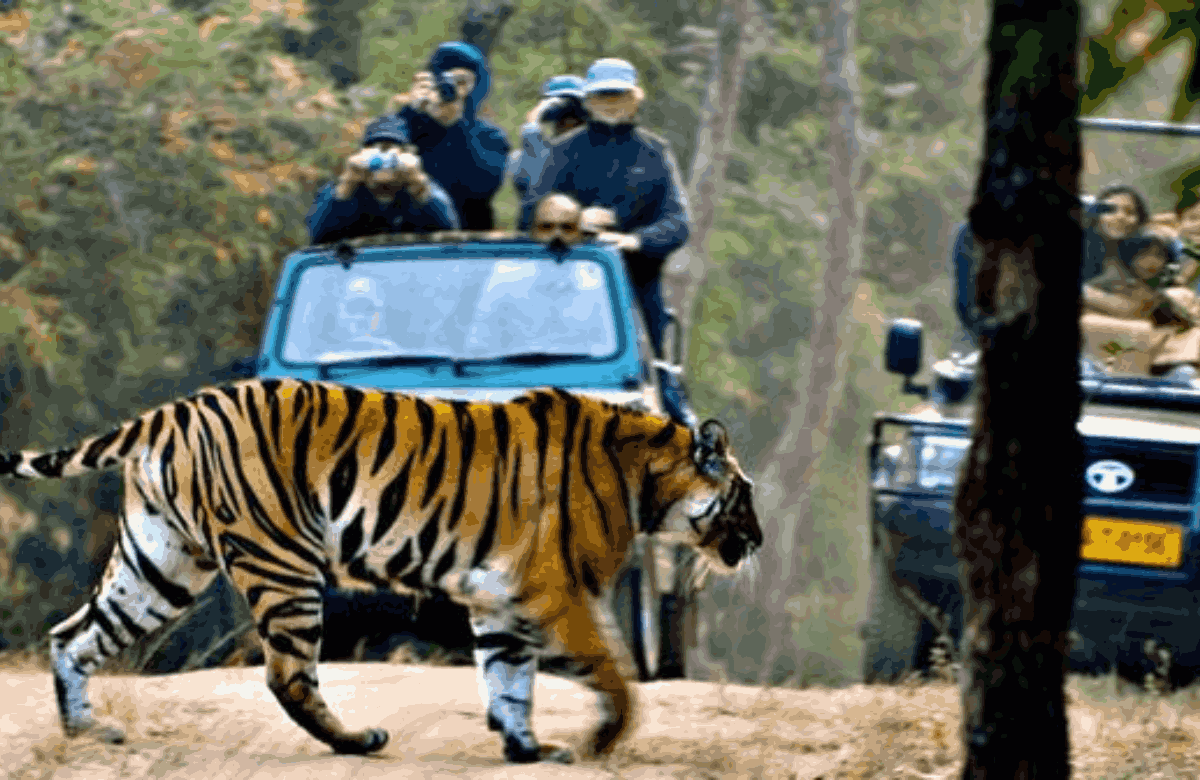
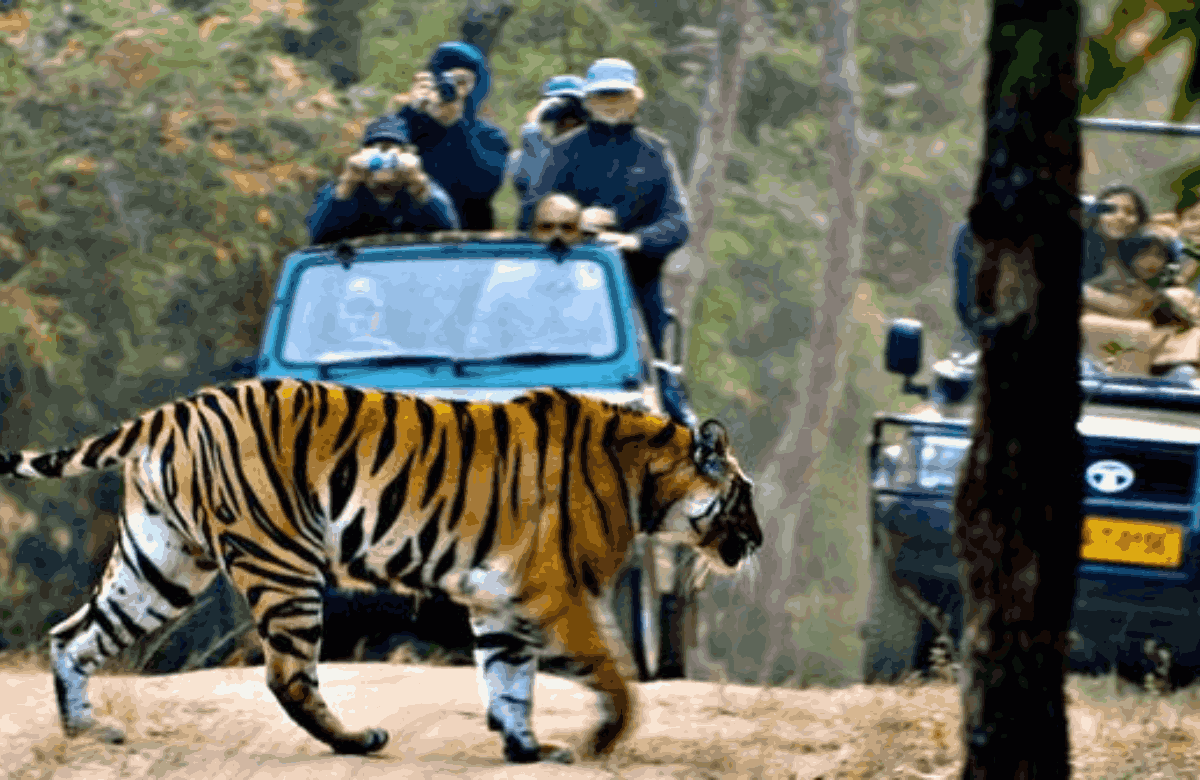
Dhikala is the largest and most sought-after zone, set on the edge of the Patli Dun valley beside the Ramganga reservoir. It has the best mix of open grassland, river and forest, which makes it the strongest zone for tigers, large elephant herds, gharials and birds. It also offers overnight stays in forest rest houses, and canter safaris run only here. It opens later in the season and sells out fastest, so book it the moment your dates open.
Bijrani: The Reliable All-Rounder
Bijrani is the classic first-timer choice. It is close to Ramnagar, so it works for short trips, and it has a good reputation for tiger sightings, especially in the hot months when animals gather near water. Bookings go quickly in winter and spring.
Jhirna and Dhela: Open Longer, Quieter
Jhirna and Dhela are the zones people choose when the core zones are closed or fully booked. They are known for staying accessible for more of the year and for lighter crowds. Sightings can be less predictable than in Dhikala or Bijrani, but the forest is beautiful and the experience feels calmer.
Durga Devi: For Birds and Scenery
Durga Devi, in the north-east of the park, is a good pick for birdwatchers and for dramatic hill scenery. With 580+ bird species recorded across the park, it rewards patient visitors with a camera.
Garjia, Sonanadi and Other Newer Zones
Some sources list additional tourism zones such as Garjia and Sonanadi. The zone list and access rules have changed over the years, so treat any third-party list as a guide and check the portal for the zones currently open for booking.
Which Zone Is Best for First-Timers?
If you can get it, choose Dhikala for the best overall chance at tigers and a true wilderness feel. If not, choose Bijrani. If dates are tight or core zones are closed, consider Jhirna or Dhela. No zone guarantees a tiger. Operators often quote roughly a 30–40% chance per safari in prime zones in peak season, which is an estimate, not a promise. Booking two safaris improves your odds.
Jim Corbett National Park Safari Booking: Step by Step
Safari booking is the most common transactional search around the park, and the process is simple once you know the rules. Permits are limited, vehicle numbers per zone are capped, and the best slots go early.
Use the official portal only. The forest department's booking site is corbettonline.uk.gov.in. Be cautious with third-party agents who promise guaranteed permits.
Pick your zone and safari type first. Choose between a jeep (gypsy) safari and a canter. Canter safaris are available only in Dhikala.
Choose morning or evening. Safaris run in two slots a day, in the morning and the afternoon.
Book as early as the window allows. Dhikala and Bijrani can sell out well ahead of peak dates. Foreign-tourist quotas have also been fully booked weeks in advance in recent seasons.
Carry valid ID. Each visitor needs government photo ID matching the booking. Foreign nationals need passport details.
Know the cancellation rules. Confirmed jeep-safari bookings are generally non-refundable and non-transferable, and the authorities can cancel a day's entry at short notice for weather or safety.
Night Stays in Forest Rest Houses
Night stays in forest rest houses inside Dhikala and other zones are booked through the same official system, and they are among the hardest reservations in Indian wildlife tourism. Booking windows for domestic and foreign visitors can differ, so check the portal's current rules rather than relying on older blog posts.
Jim Corbett National Park Tickets and Ticket Price
People search "jim corbett national park ticket price" expecting one number. There is not one. What you pay depends on several things, and published figures vary because the forest department revises fees.
The main factors are:
Zone: Core zones such as Dhikala usually cost more than buffer zones.
Vehicle: A jeep permit covers the vehicle for a set number of passengers. A canter is priced per seat.
Nationality: Indian and foreign visitors pay different rates, and foreign rates are higher.
Season and day: Peak season and weekends can cost more.
Add-ons: A mandatory guide, camera charges where applicable, and a night stay are separate.
As a rough guide, third-party listings quote about Rs. 4,500 per jeep for Indian nationals and about Rs. 9,000 for foreign visitors for a standard jeep safari. Treat that as indicative only. The only number that counts is the one shown at checkout on the official portal when you book.
Jim Corbett National Park Weather and Best Time to Visit
Weather is one of the biggest search topics for the park. Interest in "jim corbett national park weather" climbs sharply from April and peaks in June, which tells you that most people plan late and then worry about the heat.
Knowing the seasons in advance helps you pick dates well.
Winter (November to February): Comfortable and Good for Birds
Days are pleasant and nights are cold, with temperatures that can dip close to 5°C and foggy mornings. Dhikala reopens in mid-November. Open-jeep mornings are chilly, so pack layers. Winter is the best season for birdwatching and for comfortable travel with children.
Summer (March to June): Best for Tigers, Hardest on You
Heat builds quickly and afternoon temperatures can reach the high 30s or 40s°C. The upside is that wildlife concentrates near rivers and waterholes, so many experienced visitors rate April to June as the best time for tiger and elephant sightings. Book morning safaris, carry water and sun protection.
Monsoon (July to Mid-November): Mostly Closed
Heavy rain makes forest tracks unsafe, and the core zones have traditionally been closed through the monsoon.Some zones such as Jhirna and Dhela are known for staying accessible longer, but rules change each year. If you are travelling between July and October, confirm which zones are open before you book anything non-refundable.
Best Time to Visit Jim Corbett National Park
Mid-November to February: Best for pleasant weather and birdwatching.
March to June: Best for stronger wildlife sightings if you can handle the heat.
Monsoon: Avoid this period for core zones, which are mostly closed.
The source draft notes that Dhikala reopens in mid-November, making the period soon after reopening one of the most sought-after windows of the year.
How to Reach Jim Corbett National Park
By Road
From Delhi, the usual route runs through Ghaziabad, Hapur, Moradabad and Kashipur to Ramnagar. Expect 5–6 hours. The road is good, but start early to avoid traffic around Hapur and Moradabad. From Nainital, the drive to Ramnagar is about two hours by hill road. Self-drive is common, and cabs from Delhi are widely available.
By Train
Ramnagar railway station is the closest station and is connected to Delhi by an overnight service and other trains. Kathgodam is a bigger railhead, about 70 km away, with more connections. From either, a taxi or a pre-booked resort pickup completes the journey.
By Air
Pantnagar Airport is the nearest airport, roughly 60–70 km from Ramnagar. Flight options are limited, so many visitors fly into Delhi and continue by road. Dehradun's airport is farther away and suits trips that combine Corbett with Rishikesh or Mussoorie.
Jim Corbett National Park Photos: What You Can Capture
Photos of the park are one of the most searched topics after tickets, and for good reason. The landscape changes sharply from zone to zone, so each gives you different pictures.
Dhikala grasslands: Wide-angle scenes of elephants and spotted deer against open grass, with mist in winter mornings.
Ramganga reservoir: Gharials, mugger crocodiles and waterbirds. Soft early light works best.
Sal forest tracks: Tigers and leopards appear on forest roads. Use a fast lens and a high shutter speed.
Birds: With 580+ species recorded, a long lens pays off at Durga Devi and near water.
Kosi River: Quieter river scenes just outside the park near Ramnagar.
Practical Photography Tips
Choose the morning safari for soft light, bring a zoom lens of at least 300 mm, and keep your camera settings ready before you enter the forest. Avoid flash near animals, and follow the guide's instructions about staying seated and quiet. Check current camera rules when you book.
Practical Tips for Your Corbett Trip
Book safari first, hotel second. A great resort is useless if your zone is sold out. Lock the permit, then book stays near Ramnagar or Dhikuli.
Dress for the season. Wear neutral greens and browns. Carry a warm jacket for winter mornings, a hat and sunscreen for summer.
Be on time. Gate timings are strict, and missing your slot usually means losing the permit.
Respect the rules. No loud noise, no leaving the vehicle, no feeding wildlife and no plastic litter.
Plan for two safaris. One drive is a gamble. Two drives, ideally in different zones, make a much better trip.
Check network and cash. Mobile signal is patchy near the forest edge, and small vendors prefer cash.
Combine thoughtfully. Corbett pairs well with Nainital, but do not squeeze both into a two-day weekend.
Final Thoughts: Plan the Permit, Then the Trip
Jim Corbett National Park rewards planning more than almost any other wildlife destination in India. The park is real, the tigers are real, and the experience of a dawn drive through Sal forest is hard to match. But the permit system is strict, the seasons matter, and the best zones sell out. Decide your season first, then your zone, then book the safari on the official portal. Everything else—the resort, the route and the camera gear—falls into place once the permit is secured.
Go once and you will understand why it is the most searched national park in India.