


- Uttarakhand Tours
- @nagarjuna_travels
The Ralam Glacier Trek is one of the Himalayas’ most stunningly untouched routes, tucked deep inside the Johar Valley of Kumaon, Uttarakhand. Unlike the popular trekking circuits that draw large crowds, Ralam Glacier remains pristine and secluded, offering a truly raw Himalayan experience. For travelers looking to escape commercial routes and explore a world dominated by crystal-clear rivers, alpine meadows, high-altitude villages, and massive glaciers, this trek is an unforgettable journey.
With 2026 expected to welcome improved road connectivity and growing interest in offbeat Himalayan adventures, Ralam Glacier is steadily gaining recognition among serious trekkers. This guide explores everything you need to know to plan the perfect trek—from the route, itinerary, weather, difficulty, permits, and costs to practical travel tips.
What Makes the Ralam Glacier Trek Special?
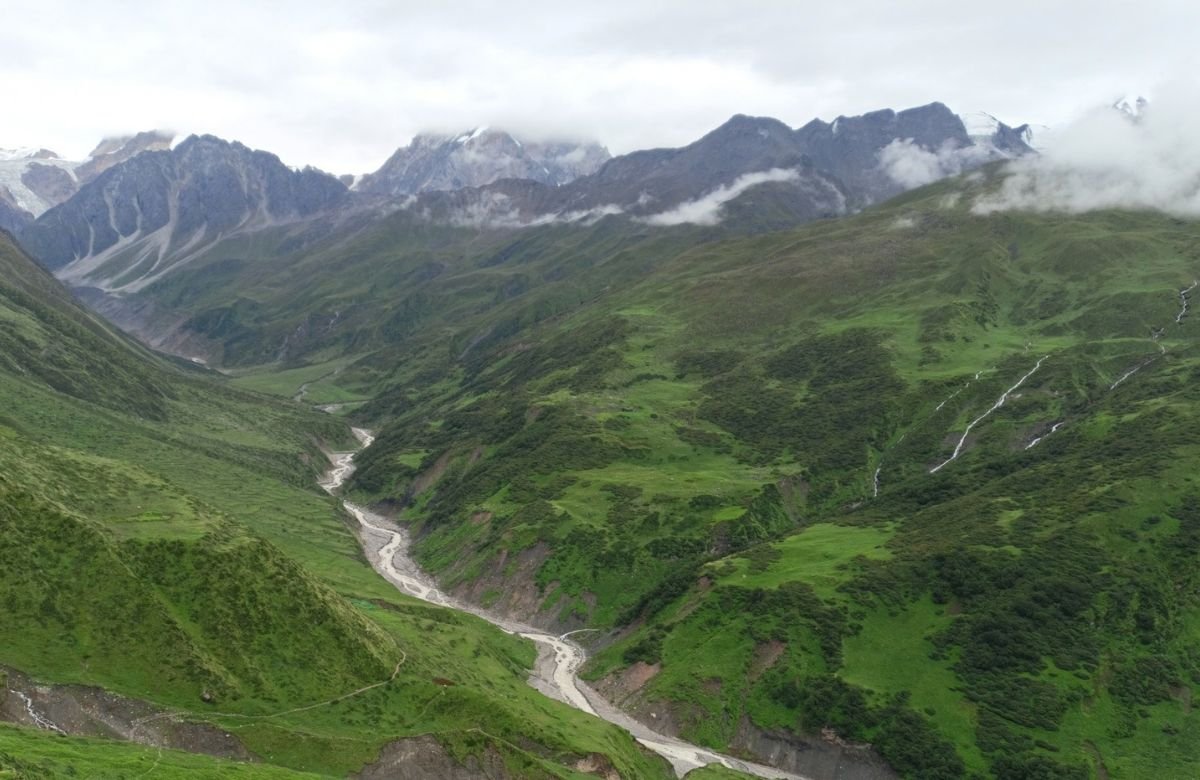
The Ralam Glacier Trek stands out because of its unique blend of natural beauty, cultural richness, and wilderness. The glacier is located in the remote Johar Valley and remains one of the least explored regions of Kumaon. While most Uttarakhand treks focus on meadows and forests, Ralam Glacier takes you through diverse landscapes—deep river gorges, isolated stone villages, lush forests, and rugged moraine fields.
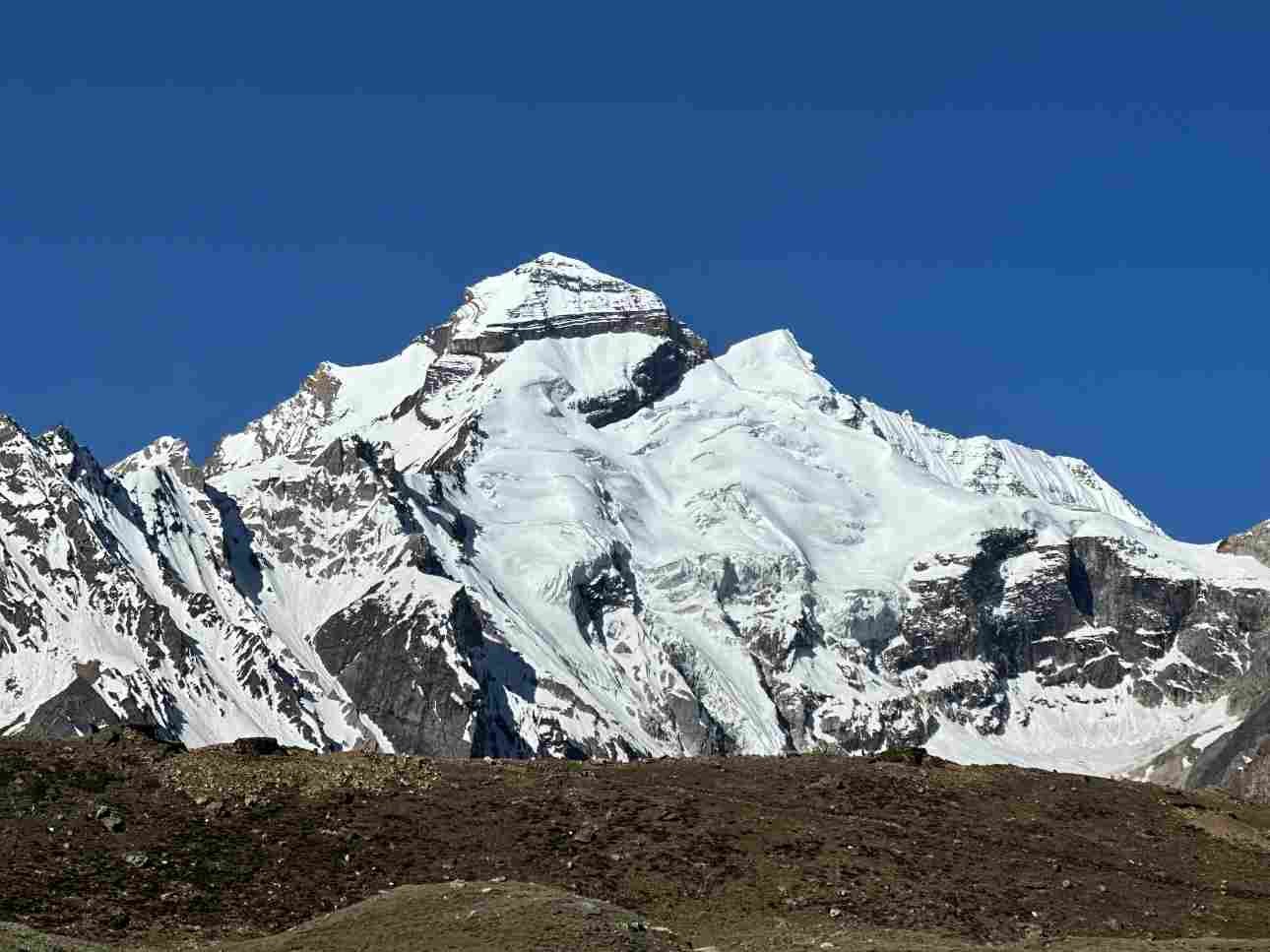
Trekkers also get to witness some of Kumaon’s most mesmerizing mountain views. The trail offers a panoramic canvas of Himalayan giants such as Panchachuli Peaks, Suitilla, Chiring We, Hardeol, and Nanda Devi East. The silence, isolation, and dramatic scenery make this trek ideal for photographers, nature lovers, and adventurers seeking a challenging but deeply rewarding experience.
Location of Ralam Glacier
Ralam Glacier is located in the Pithoragarh district in eastern Uttarakhand. It lies close to two other major glaciers—Kalabaland and Milam—which together form one of the highest glacier densities in the region. Munsiyari serves as the base point for the trek, offering breathtaking views of the famous Panchachuli range. From here, trekkers travel through villages like Lilam, Bugdiyar, Rilkot, and finally Ralam Village before reaching the glacier.
The glacier sits between 3,900 and 4,000 meters above sea level, making it a moderately high-altitude trek that demands good fitness and acclimatization.
Best Time to Do the Ralam Glacier Trek in 2026
Choosing the right season is crucial for a safe and enjoyable experience. The trek is open only during specific months when the weather is stable and the route is snow-free.
The first recommended window is from May to mid-June, just after winter. During this time, the high-altitude valleys are covered with fresh greenery, wildflowers begin to blossom, and the skies remain clear. Snow can still be found in certain patches, adding beauty to the landscape without making the route too difficult.
Another excellent season is from September to mid-October, after the monsoon retreat. The skies are at their clearest, offering the best visibility of the surrounding peaks. The temperature drops during mornings and nights but the days remain pleasant for trekking. This is considered the best time for experienced trekkers and photographers.
The monsoon season between July and August must be avoided. This entire region is prone to landslides, mudslides, and swollen rivers during heavy rainfall. Winter is also not suitable, as snow completely blocks the trail until April.
How to Reach Munsiyari – Base Camp for the Trek
Reaching Munsiyari is a journey in itself. Travelers coming from far can either fly, travel by train, or drive to the Kumaon region.
Pantnagar Airport and the small Naini Saini Airport in Pithoragarh are the nearest air options. However, flights may not always be frequent. Kathgodam and Tanakpur are the nearest railway stations, both well connected with Delhi. From either station, travelers can hire taxis or take shared jeeps to Munsiyari.
The road journey takes you through some of Kumaon’s most scenic landscapes—Almora, Bageshwar, and the rolling hills of Chaukori—before finally reaching Munsiyari, located at 2,200 meters above sea level. Most trekkers stay here for at least one night to acclimatize and enjoy the mountain views before beginning the trek.
Ralam Glacier Trek Itinerary for 2026 Travelers
Below is a detailed itinerary that balances acclimatization and travel comfort.
Day 1: Arrival in Munsiyari
Reach Munsiyari by afternoon and spend the day resting and acclimatizing. The town offers serene mountain views, traditional Kumaoni culture, and welcoming homestays. Enjoy the sunset over Panchachuli Peaks.
Day 2: Munsiyari to Lilam – Trek to Bugdiyar
After a short drive to Lilam, the trail begins through dense forests and riverside footpaths. The route gradually ascends along the Gori Ganga River. Bugdiyar, surrounded by steep cliffs and forests, makes an excellent first campsite.
Day 3: Bugdiyar to Rilkot
The trek continues deeper into Johar Valley. The path follows the river upstream and occasionally gains altitude through stone steps and narrow ridges. Rilkot is an ancient settlement where trekkers can explore historic houses and traditional architecture.
Day 4: Rilkot to Ralam Village
This is one of the most memorable stretches. The valley opens wide, revealing meadows, rocky terrain, and distant snow peaks. The final ascent to Ralam Village is steep but rewarding. The village is among the highest inhabited settlements in the region.
Day 5: Ralam Village to Ralam Glacier Base Camp
The trek to the glacier base camp is adventurous, crossing moraine fields, icy terrain, and glacier ridges. The moment the glacier comes into full view is unforgettable, with towering ice walls and vast snowfields stretching endlessly.
Day 6: Explore Ralam Glacier – Return to Ralam Village
Spend the morning exploring the glacier area, taking photographs, and soaking in the natural beauty before descending back to the village for the night.
Day 7: Ralam Village to Rilkot
Retrace the trail as the valley gradually transforms from rugged glacier terrain back into meadows.
Day 8: Rilkot to Bugdiyar
A relaxing day of descent through the valley, offering time to appreciate the changing landscapes.
Day 9: Bugdiyar to Lilam – Drive to Munsiyari
Complete the final stretch of the trek and drive back to Munsiyari for a warm shower, food, and a comfortable night’s sleep.
Day 10: Departure
Begin the return journey toward Kathgodam or Delhi.
Difficulty Level of the Trek
The Ralam Glacier Trek is considered moderate to difficult depending on your experience. Although the route is not technical, it requires long trekking hours, steep ascents, and negotiation of rocky and icy terrain. Trekkers should be physically fit, capable of walking 10–15 km on mountain trails, and comfortable with basic camping conditions.
Acclimatization is also important as the trek crosses 3,900 meters. Beginners can attempt it, provided they train in advance, while experienced trekkers will find it comfortably challenging.
Permit Requirements for 2026
Since Ralam Glacier is located close to the Indo-Nepal border and lies within a protected forest region, trekkers must obtain permits. Forest permits are mandatory for everyone. Indian trekkers only need ID proof, while foreign nationals may require additional permissions or an Inner Line Permit.
Most trekking companies take responsibility for arranging the required paperwork, but it is advisable to carry multiple copies of your documents.
Accommodation Options
Accommodation varies significantly along the route. Munsiyari offers hotels, guesthouses, and homestays equipped with modern amenities such as hot water, electricity, and mobile networks. After leaving Munsiyari, trekkers rely entirely on tented camps or basic homestays in remote villages. Campsites offer sleeping bags, mats, kitchen tents, and dining spaces. Expect simple living conditions—this is not a luxury trek, but the experience is incredibly rewarding.
Food and Water During the Trek
Meals are prepared by the trek staff and are usually simple but nutritious. Expect dal, rice, roti, vegetables, porridge, soups, and packed lunches on long trekking days. It’s important to stay hydrated; stream water is generally safe when boiled or filtered. Energy bars and dry fruits are recommended for extra stamina.
Mobile Network and Connectivity
Connectivity reduces drastically after leaving Munsiyari. Bugdiyar, Rilkot, and Ralam Village generally do not have mobile networks. A BSNL SIM may work at a few high points, but travelers should not rely on it. Satellite phones are sometimes used by trekking groups for emergency communication.
Cost of Ralam Glacier Trek in 2026
The cost of the trek generally ranges from ₹22,000 to ₹32,000 per person depending on group size, inclusions, and operator. This typically covers accommodation, meals, trek guide, porters, transportation from Munsiyari, permits, and camping equipment. Additional expenses include travel to Munsiyari, personal gear, mule charges, and insurance.
Why Choose Ralam Glacier Trek?
Ralam Glacier is a blend of culture, adventure, and solitude. Unlike popular treks, it offers a sense of exclusivity—just you, the mountains, and the sound of nature. The trail combines dense forests, alpine meadows, high-altitude villages, and massive glacier basins, giving trekkers a complete Himalayan experience. Its remoteness also allows travelers to witness the traditional lifestyle of the Johar community, whose ancient trade routes once connected India and Tibet.
Packing List for 2026 Travelers
Packing correctly is essential for comfort and safety. Trekkers should carry warm layers including thermals, fleece, and a down jacket. Waterproof jackets and trousers are important due to unpredictable mountain weather. Good-quality trekking shoes, trekking poles, gloves, caps, socks, and sunglasses are necessary for rough terrain. Medical essentials, including Diamox, ORS, and personal medication, should also be included. A headlamp, power bank, sunscreen, and a water bottle or hydration bladder complete the essential list.
Safety Tips for the Trek
Altitude awareness is crucial. Trek slowly, hydrate often, and listen to your guide. Avoid alcohol, especially during the first few days. Weather in high-altitude areas changes rapidly, so always be prepared for cold winds or sudden rain. Follow your guide’s instructions while crossing rocky patches or approaching glacier zones. Traveling with a certified operator significantly enhances safety on such remote routes.
Is This Trek Suitable for Beginners?
The Ralam Glacier Trek can be attempted by beginners who are physically fit and mentally prepared for long days. A basic fitness routine involving jogging, stair climbing, and strength training for at least 4–6 weeks before the trek is recommended. Trekkers should also practice breathing exercises to develop stamina for high-altitude conditions.
Conclusion
The Ralam Glacier Trek is one of the most beautiful, raw, and enriching Himalayan experiences available in India. Its dramatic landscapes, remote villages, and massive glacier formations make it a must-do for adventure lovers seeking something beyond crowded routes. With increasing interest and better accessibility in 2026, this trek is set to emerge as a top offbeat destination.