

- Adi Kailash Blogs
- @nagarjuna_travels
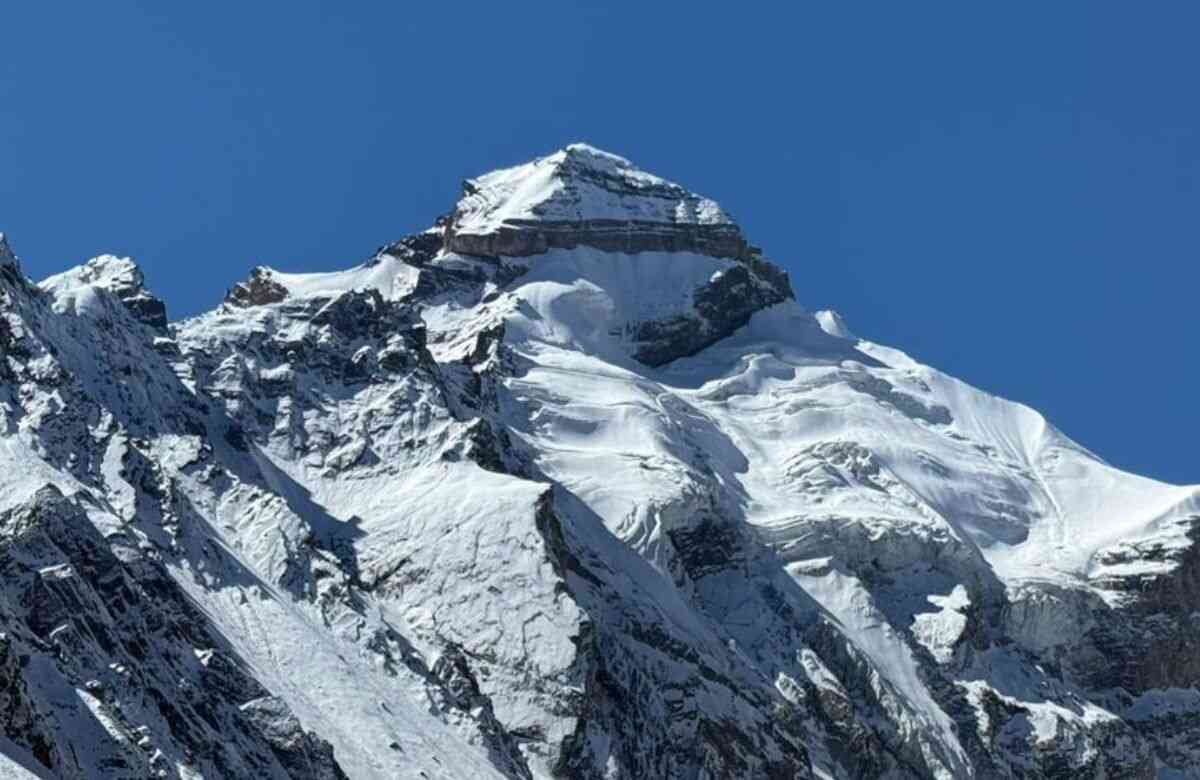
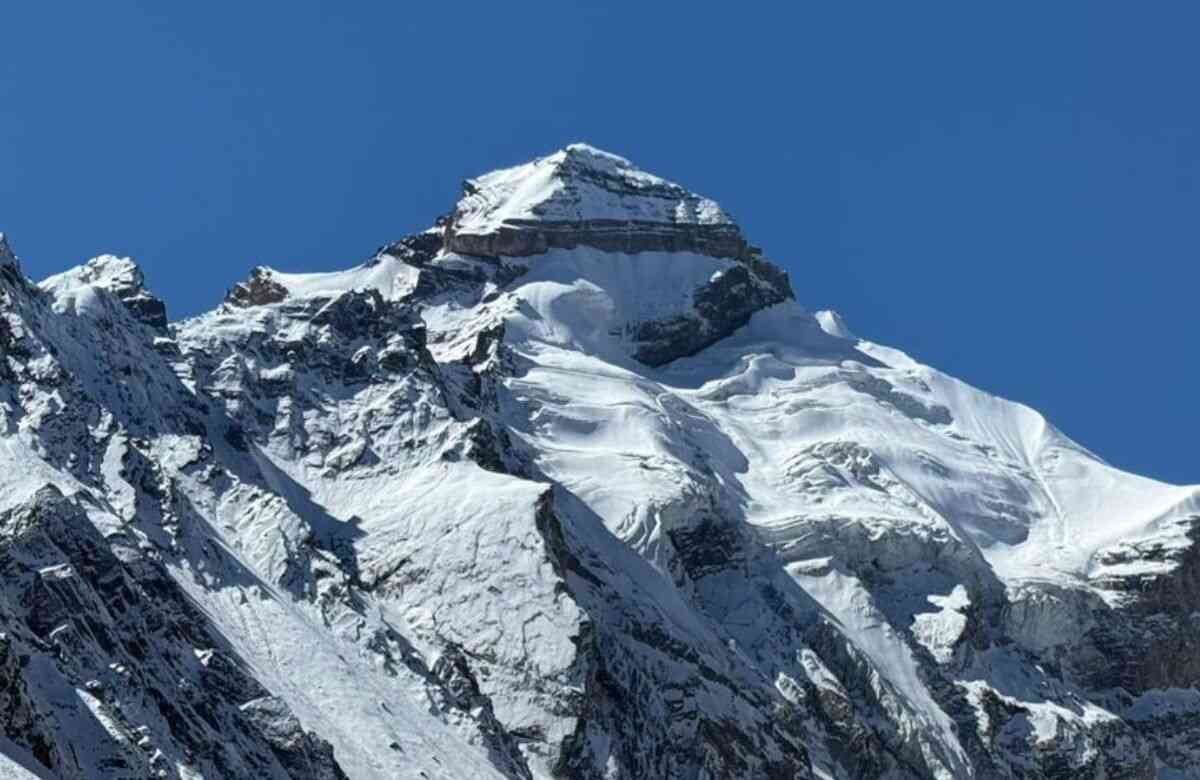
Hidden deep in the Kumaon Himalayas of Uttarakhand, Adi Kailash is one of the most sacred yet lesser-known pilgrimage destinations in India. Often called “Chhota Kailash” (Little Kailash), this majestic mountain holds immense spiritual importance for devotees of Lord Shiva. The Adi Kailash story is deeply connected with ancient Hindu mythology, the sacred journey of the Pandavas, and the spiritual traditions of the Himalayan sages.
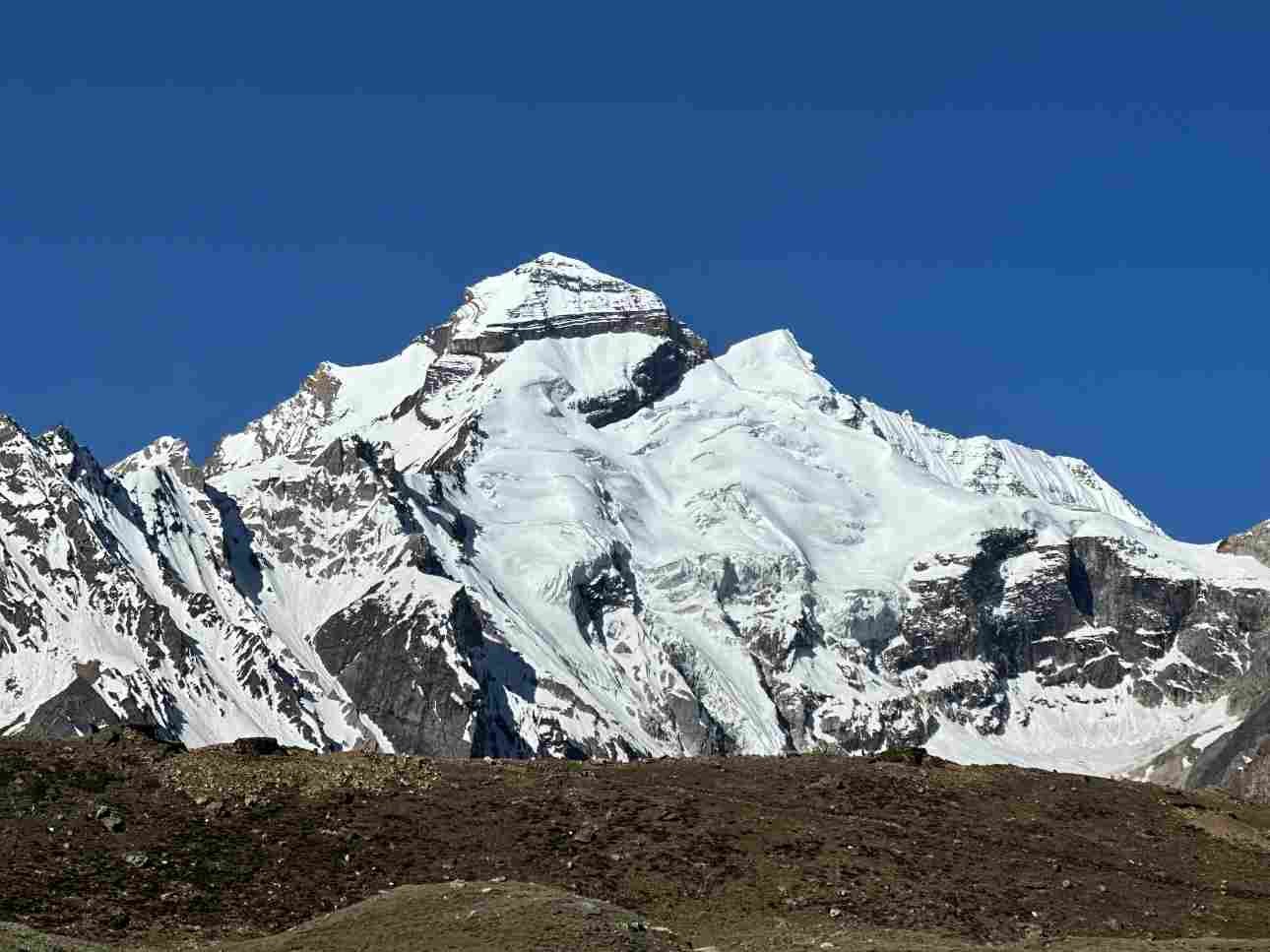
Located near the India–Tibet border in the Dharchula region of Pithoragarh district, Adi Kailash stands at an altitude of around 6,191 meters (20,312 ft) and resembles the legendary Mount Kailash in Tibet, which is believed to be the abode of Lord Shiva and Goddess Parvati.
The Mythological Story of Adi Kailash
According to Hindu mythology, Adi Kailash is believed to be one of the earliest places where Lord Shiva and Goddess Parvati resided. The word “Adi” means “ancient” or “original,” and many saints believe that this sacred peak represents an original manifestation of Mount Kailash on Indian soil.
Local traditions describe Adi Kailash as a divine seat of Lord Shiva where sages and saints performed deep meditation for centuries. Because of its peaceful and spiritually charged environment, many yogis considered it an ideal place for tapasya (spiritual penance).
It is believed that the mountain itself represents the divine presence of Shiva, and the surrounding landscape reflects the mystical energy of the Himalayas.
Connection with the Pandavas
Another important part of the Adi Kailash story is linked with the Pandavas from the Mahabharata. According to local legends, during their final journey to heaven known as Mahaprasthan, the Pandavas passed through the Himalayan region including areas around Adi Kailash.
Nearby places such as Pandav Parvat and other sacred landmarks are believed to have connections with the Pandavas' spiritual journey. Many pilgrims visiting Adi Kailash still hear stories from local villagers about the Pandavas’ presence in these mountains.
Sacred Sites Around Adi Kailash
The spiritual importance of Adi Kailash is enhanced by several sacred sites located near the mountain.
Parvati Sarovar
Just below Adi Kailash lies the beautiful Parvati Sarovar, a crystal-clear glacial lake believed to be the bathing place of Goddess Parvati. Pilgrims often take holy water from this lake as a blessing.
Gauri Kund
Another sacred spot near the mountain is Gauri Kund, associated with Goddess Parvati’s meditation and devotion to Lord Shiva.
Shiva Temple at Parvati Sarovar
A small Shiva temple near the lake serves as a place where pilgrims perform prayers and seek blessings of Lord Shiva.
Pandav Parvat
This nearby mountain range is believed to be linked with the Pandavas’ journey during the Mahabharata era.
Together these sacred places form an important spiritual circuit for pilgrims visiting Adi Kailash.
Spiritual Importance of Adi Kailash
For many devotees, visiting Adi Kailash is considered almost as sacred as visiting Mount Kailash in Tibet. Since travel to Tibet can be difficult, many pilgrims undertake the Adi Kailash Yatra as an alternative spiritual journey.
The region is surrounded by powerful natural symbols of spirituality, including:
-
Vyas Gufa, believed to be the meditation cave of Sage Ved Vyas
-
Ancient villages like Kuti, Nabi, and Gunji, which preserve the Himalayan culture and traditions
These sites together create a unique spiritual environment that attracts pilgrims, trekkers, and spiritual seekers.
Historical Significance of the Adi Kailash Region
Historically, the Adi Kailash region was part of the ancient Kailash–Mansarovar trade route used by traders and pilgrims traveling between India and Tibet. The route passed through Lipulekh Pass, which is still used today for the Kailash Mansarovar Yatra organized by the Government of India.
The local Bhotia community living in villages such as Kuti and Gunji played an important role in Himalayan trade and also helped pilgrims traveling to sacred destinations in Tibet.
Over time, Adi Kailash gained recognition as an independent pilgrimage destination within India, especially for those seeking a spiritual Himalayan journey without crossing international borders.
Why Adi Kailash is Called “Chhota Kailash”
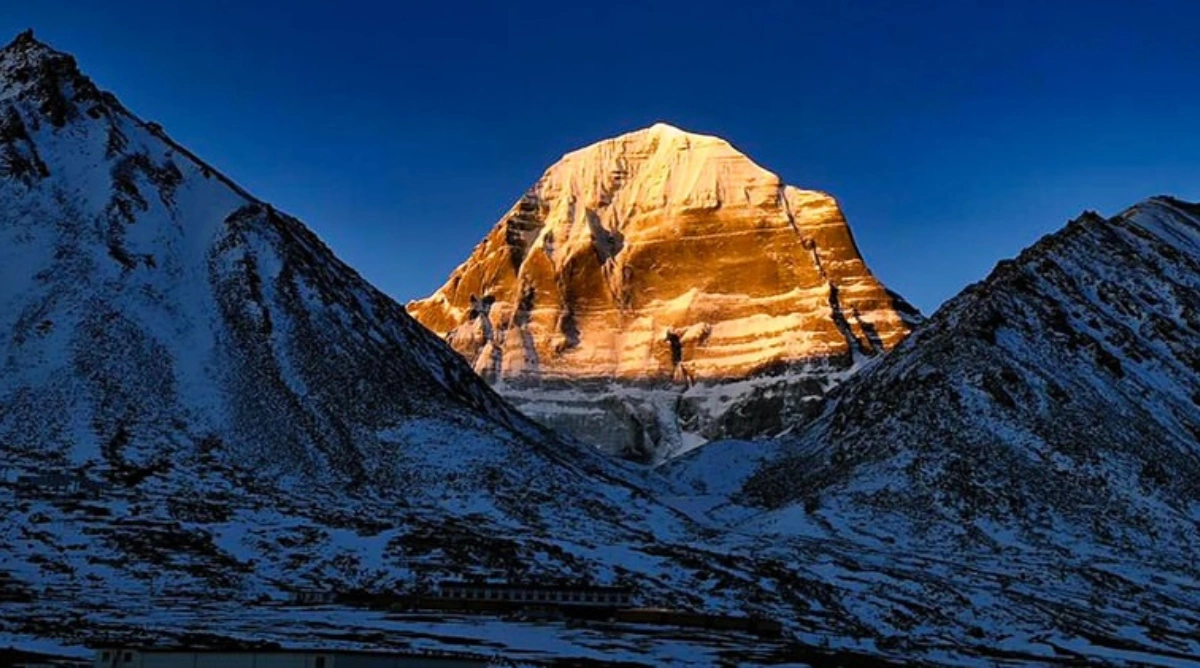
Adi Kailash is often referred to as Chhota Kailash because the mountain resembles the shape of Mount Kailash in Tibet. Devotees believe that the spiritual energy of the original Kailash also flows through this sacred peak.
For many pilgrims, the Adi Kailash Yatra is not just a journey through mountains but a deep spiritual experience that connects them with Lord Shiva, nature, and the ancient traditions of the Himalayas.
Adi Kailash Today: A Sacred Pilgrimage Destination
Today, the Adi Kailash Yatra has become increasingly popular among pilgrims and adventure travelers. The journey usually starts from Dharchula and passes through remote Himalayan villages before reaching Jyolingkong, the base area from where pilgrims can see Adi Kailash and visit Parvati Sarovar.
Despite improved road access in recent years, the region still retains its raw Himalayan beauty and spiritual tranquility, making it one of the most unique pilgrimage destinations in Uttarakhand.
Conclusion
The Adi Kailash story is a beautiful blend of mythology, spirituality, and Himalayan history. From its association with Lord Shiva and Goddess Parvati to the legends of the Pandavas and ancient sages, Adi Kailash represents a sacred meeting point of faith and nature.
For pilgrims and spiritual seekers, visiting Adi Kailash is more than just a journey—it is an opportunity to experience the divine presence of Lord Shiva in the majestic Himalayas.