

- Mount Kailash Blogs
- Chandan_singh
The Tibetan Year of the Fire Sheep (year 2154) begins on Losar, 7 February 2027, according to the Tibetan calendar. It follows the Fire Horse year of 2026 and runs until Losar in early 2028. It is also called the Fire Goat year, and it is the same year as the Chinese Fire Goat. In Tibetan pilgrimage tradition, Sheep years are linked to the kora around Lake Namtso. You want to mark a once-in-twelve-years moment, but the information is thin. One site says Sheep, another says Goat. A third says the new year starts in February, a fourth says March. Everyone talks about last year's famous Fire Horse pilgrimage, and nobody tells you what the Sheep year offers or whether you should book now or wait.
This guide gives you the plain answers. It explains what the Tibetan Year of the Fire Sheep is, when it begins, how Losar is celebrated, why Sheep years matter to pilgrims, and how to book a Tibet trip for 2027 without losing money or time to permit problems. It also separates what is calendar fact from what is spiritual tradition. The dates are firm. The merit claims come from Tibetan custom, and I have said so each time.
What Is the Tibetan Year of the Fire Sheep?
The Tibetan calendar names every year with three parts: an animal, an element and a number. The animals run in a 12-year cycle: Mouse, Ox, Tiger, Hare, Dragon, Snake, Horse, Sheep, Monkey, Bird, Dog and Pig. The five elements, in order, are Wood, Fire, Earth, Iron and Water. Together they form a 60-year cycle called the Rajjung, which began in 1027.
The Tibetan Year of the Fire Sheep is year 2154. It follows the Fire Horse year (2153) that began on 18 February 2026. The last Fire Sheep year began in 1967, so this is the first one in 60 years.
Sheep, Goat or Ram: Which Is Right?
Tibetan sources usually say Sheep (the Tibetan word is lug). Chinese-language and many English sources say Goat, and some say Ram. They name the same sign. For search purposes, use all three, but keep 'Tibetan Year of the Fire Sheep' as the main phrase.
When Does the Fire Sheep Year Start and End?
The year starts on Losar. For 2027, the Tibetan calendar places Losar on 7 February, a day after the Chinese New Year on 6 February. The Fire Sheep year then runs until the next Losar, which falls in early 2028. Because Losar changes each year, a Tibetan year always spans two Gregorian years.
Date check: some Losar calendars list slightly different dates for Bhutan, Nepal and Tibetan communities, and a few Nepali groups celebrate separate New Year festivals on other dates. If a temple, monastery or tour has a fixed date, trust their published schedule.
Losar 2027: How the Fire Sheep Year Begins
Losar means 'new year'. It is the most important festival in the Tibetan calendar, and it lasts about 15 days, with the first three days and New Year's Eve as the main celebrations. The date is set by Tibetan astrologers, and it often sits close to Chinese New Year.
What Happens at Losar
- Farewell to the old year: families clean their homes from top to bottom, and monasteries hold protector-deity ceremonies on New Year's Eve to drive out misfortune.
- Welcome rituals: people hang new prayer flags, burn juniper and incense, and offer prayers for an auspicious year.
- Food: khapse, deep-fried biscuits, and guthuk, a Losar noodle soup eaten on New Year's Eve, are the classics.
- Monastery prayers: monks and nuns perform auspicious prayers on the morning of the first day, and many monasteries make butter sculptures for the altar.
Should You Travel in Tibet During Losar?
Losar is a family holiday, so many shops, restaurants and small services close for several days. It is also deep winter, so the high plateau is cold, and western Tibet is largely shut by snow. If your goal is to see the festival rather than the landscape, consider Tibetan communities in India or Nepal, where Losar is easier to join and monasteries welcome visitors. If your goal is the pilgrimage itself, spring and autumn are much better.
Why the Year of the Sheep Matters for Pilgrims
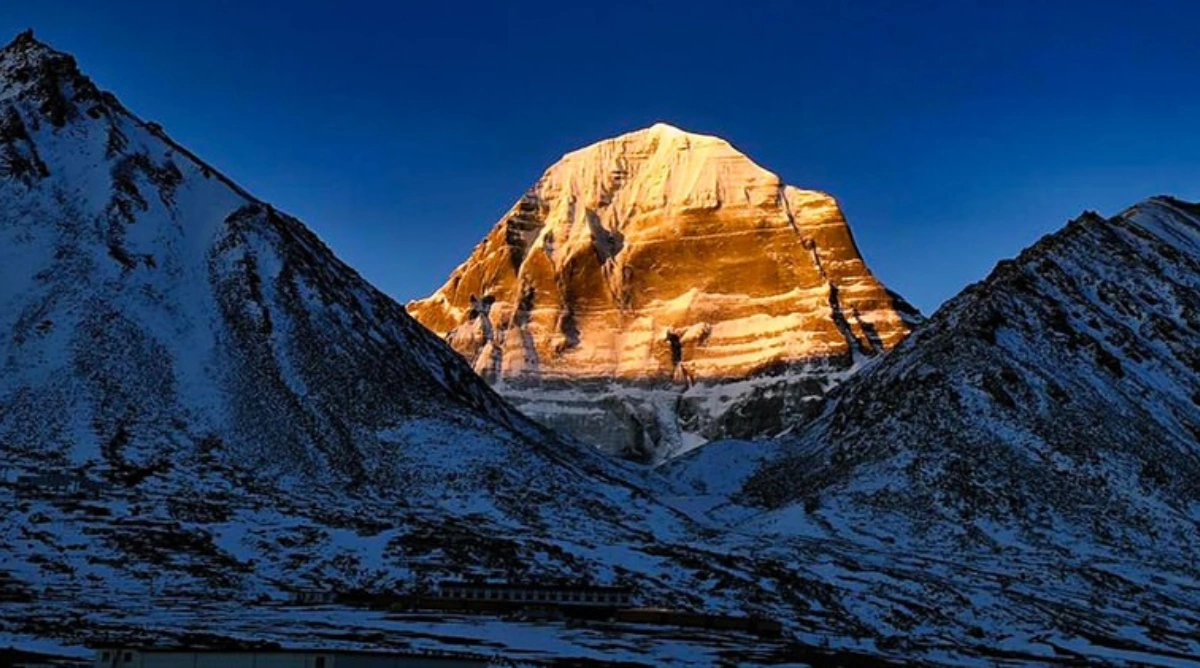
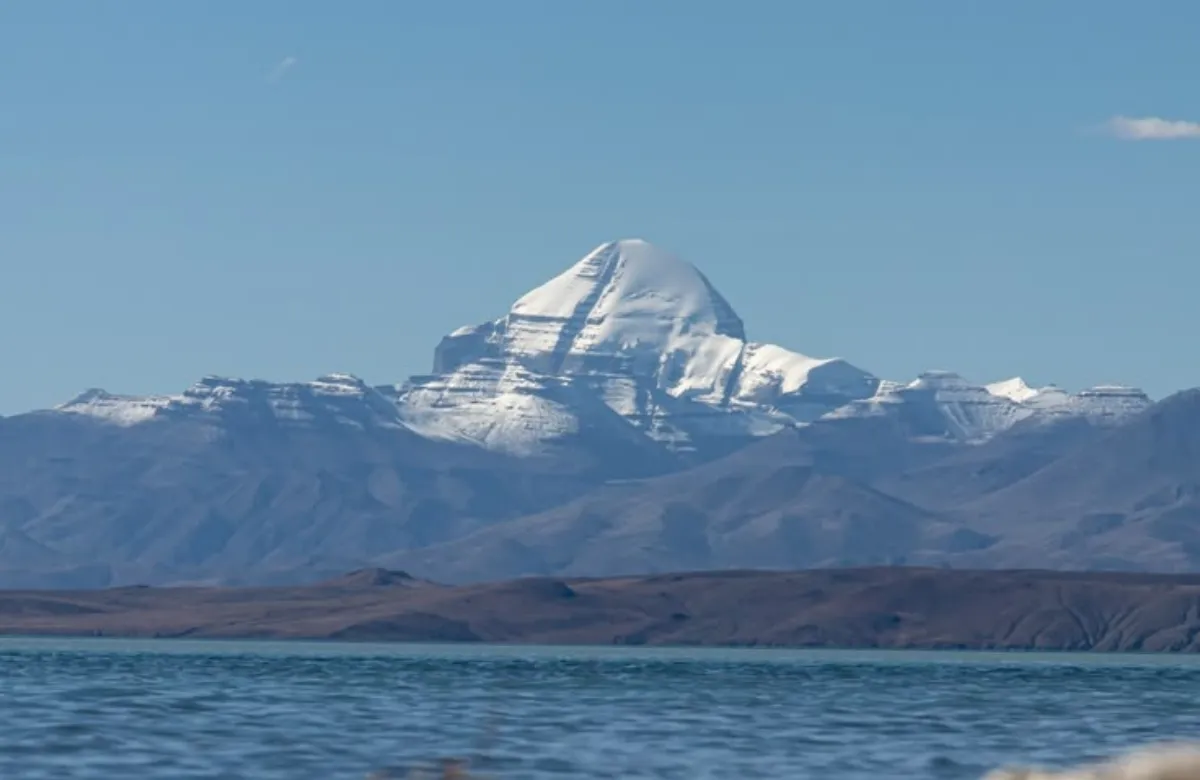
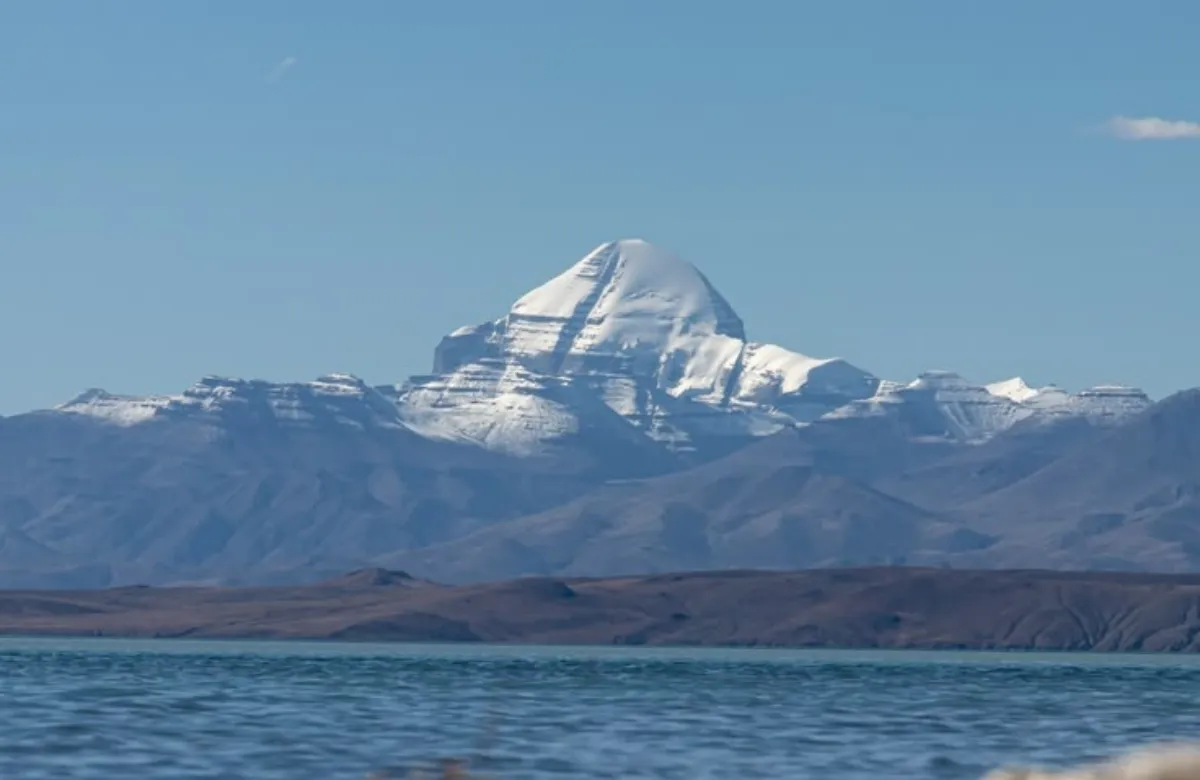
Tibetan pilgrimage runs on a simple idea: certain sacred places are tied to certain animal years, and visiting them in their year multiplies the merit of the journey. The best-known pairing is Mount Kailash and the Horse year. Tour operators and pilgrims in 2026 described one Kailash kora in the Horse year as worth thirteen ordinary circuits. Sheep years have their own pairing. According to common Tibetan custom as described by Tibet tour operators, the three well-known year-linked pilgrimages are Mount Kailash in Horse years, the Zhari holy mountain in Monkey years, and Lake Namtso in Goat (Sheep) years. The same sources say that a lake kora in a Sheep year is held to be far more meritorious than usual.
A fair way to read these claims: the year-by-year merit multipliers are devotional tradition, not something that can be measured, and they come from pilgrims and operators rather than a single authoritative text. Quote them as belief, not fact. Many travellers find the idea meaningful even if they treat the numbers as symbolic.
Namtso Lake and the Sheep-Year Kora
- Namtso, often called the 'Heavenly Lake', lies north of Lhasa below the Nyenchen Thanglha range. Tibetan Buddhists regard it as one of the three most sacred lakes in Tibet, alongside Yamdrok and Manasarovar. The classic way to honour it is a kora, a pilgrimage circuit. Operators describe two common options: a shorter circuit of the Tashi Dor peninsula, or the full lake circuit.
- Full lake kora by vehicle: about two days and 280–340 km, starting from Lhasa, with the nearest large town at Damxung.
- The road in: the drive crosses the high Nagenla pass at about 5,190 m before dropping to the lakeshore, so altitude care matters.
- Accommodation: operator pages report that lakeside lodging has been restricted since a 2018 snow incident. Confirm where you will sleep before you book.
- Season: the lake is frozen in winter, which is when Losar falls. Plan the kora for late spring to early autumn.
Tibetan Year of the Fire Sheep Booking: How to Plan Your 2027 Trip
Booking is where most travellers lose time, because Tibet has permit rules that most destinations do not. The steps below keep you on the right side of them.
Step-by-Step Booking Guide
- Decide the purpose first. A Namtso kora, a Lhasa cultural trip and a Kailash pilgrimage need different permits, routes and seasons.
- Use a licensed Tibet operator. Foreign visitors cannot travel independently in Tibet. A Tibet Travel Permit is arranged through a registered operator, and you travel with a guide and driver.
- Check your visa position early. Chinese visa rules for different nationalities have changed recently, including the resumption of tourist visas for Indian travellers. Confirm the current rule with your operator and the embassy before paying anything non-refundable.
- Pick a departure window. Operators already list 2027 departures. One major operator lists 8-day Lhasa to Everest Base Camp departures from about USD 949 in winter and early spring, rising to about USD 1,189 in July. Treat these as one example, not a market average.
- Book 2–3 months ahead for spring and autumn. Permits need lead time, and peak months fill hotels and vehicles.
- Insure the trip. Choose cover that includes high-altitude travel and medical evacuation.
Permit timing warning: Tibet has historically tightened access for foreigners around sensitive dates in March, and permit rules can change at short notice. If you plan a trip in February to April, ask your operator exactly what they can guarantee and what their refund terms are.
What a Sheep-Year Trip Could Include
- Lhasa and the Potala Palace: two or three days to acclimatise and see the main monasteries.
- Namtso Lake: the pilgrimage and the scenery in one stop, best from May to September.
- Yamdrok Lake and Gyantse: a gentler lake stop on the way to Shigatse.
- Saga Dawa season: the holiest Buddhist month, with the festival day on the fourth-month full moon, usually in late May or June. It is a good time to see pilgrims at their most devoted.
- Optional Everest Base Camp: a popular add-on for the same permit.
Best Time to Travel in the Tibetan Year of the Fire Sheep
- February to March (Losar season): cold, with limited services and the most permit uncertainty. Best for cultural interest, not for hiking or lake koras.
- April to June: spring clears the passes. This is a strong window for Lhasa and Namtso, and Kailash opens around April.
- July to August: warm and green, with higher prices and the Shoton festival in Lhasa.
- September to October: clear skies and fewer crowds. Many travellers rate this the best window for photography.
- November to March: Namtso is frozen and Kailash is closed to travel because of snow.
Practical Tips for Your Fire Sheep Year Trip
- Respect altitude. Lhasa sits near 3,650 m and Namtso is higher. Take a rest day on arrival, drink water, and skip alcohol on the first night.
- Walk kora clockwise. Buddhist pilgrims circle clockwise. Follow the flow, and do not cross prayer lines or touch offerings.
- Dress in layers. Mornings are freezing even in summer, and the sun is strong.
- Ask before photographing. Many monasteries restrict photography inside chapels. Ask your guide.
- Carry cash. Cards and mobile apps are patchy outside Lhasa.
- Keep plans flexible. Permit rules and road conditions can change, so avoid tight connections right after a Tibet trip.
Final Thoughts: A Quieter Pilgrimage Year
The Tibetan Year of the Fire Sheep arrives right after the Fire Horse rush, and it offers something different. The calendar is certain: Losar on 7 February 2027, year 2154. The pilgrimage meaning is tradition: a lake kora at Namtso, a quieter Kailash season, and a chance to travel with less pressure than in 2026.
Choose your purpose first, pick the right season, and book through a licensed operator with clear refund terms. Do that, and the Fire Sheep year can be both a meaningful and a practical time to go.