

- Mount Kailash Blogs
- Chandan_singh
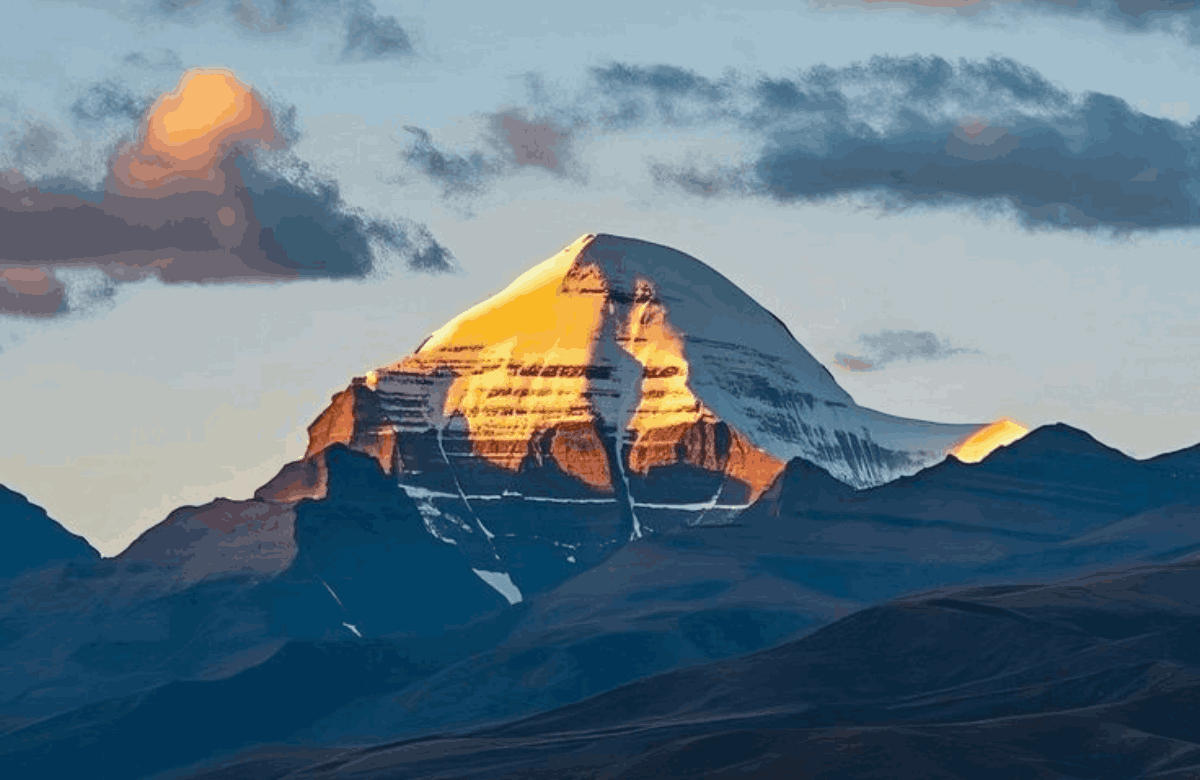
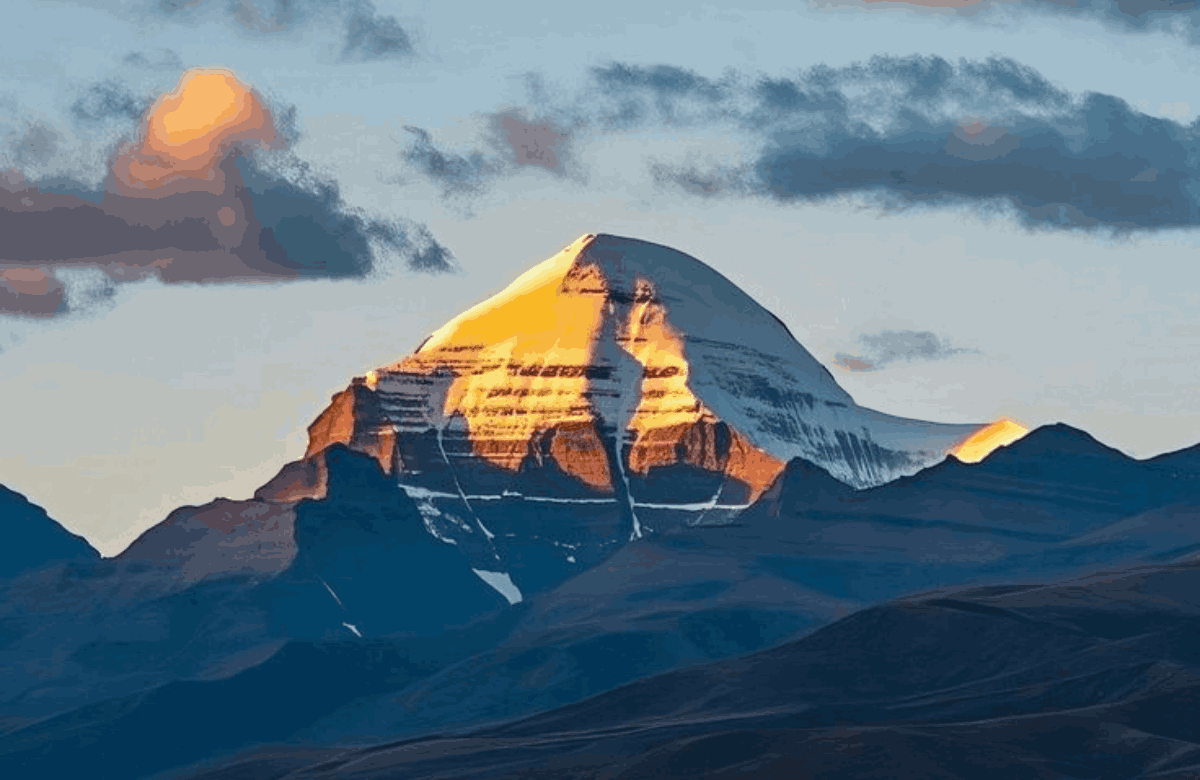
You have been planning the Kailash Mansarovar Yatra for years. The permits are arranged, the itinerary is confirmed, your bags are packed for Tibet. You land in Kathmandu — the gateway to Mount Kailash — with just enough time to catch the connecting flight and head toward the Himalayan plateau. And then a fellow yatri quietly asks: 'Have you visited Pashupatinath yet?' Most first-time Kailash yatris treat Kathmandu as a transit point — a city to pass through, not to pause in. They see the 2-day Lhasa acclimatisation stop as the first spiritual moment of the journey. But seasoned pilgrims, Hindu scholars, and the priests of Pashupatinath Temple will tell you the same thing: the Kailash Mansarovar Yatra truly begins at Pashupatinath. This guide explains exactly why — with seven deep spiritual and practical reasons that will transform how you approach your Kailash Mansarovar preparation. Whether you are still planning your yatra or already holding your Tibet Travel Permit, this is the most important pre-journey reading you will do.
Pashupatinath Temple: The Sacred Starting Point
Before we explore why Pashupatinath is the ideal first stop for Kailash yatris, it helps to understand what this temple actually is — because most yatris arrive in Kathmandu knowing Kailash intimately but knowing Pashupatinath only by name. Pashupatinath Temple is the holiest Shiva temple in Nepal and one of the most sacred Shaivite shrines in the world. Pashupati literally means 'Lord of All Living Beings' (Pashupati = Pasha + Pati: protector of all creatures bound by the cycle of existence). The temple sits on the banks of the Bagmati River in Kathmandu, within a 264-acre complex containing 518 subsidiary temples, shrines, and sacred structures. It has been declared a UNESCO World Heritage Site and is considered one of the Char Dhams of Nepal. The presiding deity — the Pashupati Linga — is a unique four-faced (Chaturmukha) linga with each face representing one of Lord Shiva's cosmic manifestations. The temple complex dates back to at least the 3rd century BCE, though its present pagoda-style structure was built in the 17th century CE. Only Hindu devotees are permitted inside the main temple sanctuary.
Quick Facts — Pashupatinath Temple: Location: Deopatan, Kathmandu, Nepal | Distance from Tribhuvan Airport: ~5 km (15–20 mins) | UNESCO World Heritage Site since: 1979 | Temple opens: 4:00 AM | Closes: 9:00 PM | Main Aarti: 5:30 AM (Pratah) and 7:00 PM (Sandhya) | Entry for non-Hindus: Permitted in outer complex only
7 Powerful Reasons to Visit Pashupatinath Before Your Kailash Mansarovar Tour
1.The Mythological Connection: Pashupatinath Is Shiva's Earthly Face Before Kailash
Ancient Hindu cosmology describes Lord Shiva as the Panchamukha (five-faced) deity — with each face representing a different cosmic direction and divine function. The Sadyojata face looks west, Vamadeva north, Aghora south, Tatpurusha east, and Ishana upward toward Kailash. According to Shaivite scriptural traditions preserved in the Pashupatinath temple's priestly lineages, the Pashupati linga at Kathmandu represents the Tatpurusha face — the eastern face of Shiva that 'looks toward humanity.' This is Shiva in his accessible, compassionate, protective form — the form that meets pilgrims at the beginning of their journey before they approach his formless, overwhelming cosmic presence at Kailash. Visiting Pashupatinath before Kailash is therefore not merely a logistical convenience — it is following the natural sequence of Shiva's own self-revelation: from the accessible deity who protects all living beings, toward the absolute transcendent presence at the summit of the world.
2.Kathmandu Is Already on Your Kailash Route — No Detour Needed
This is the most practically compelling reason: you are already passing through Kathmandu. Every Kailash Mansarovar route — both the Tibet Route and the Nepal Route — uses Kathmandu as the primary international gateway. On the Tibet Route, pilgrims fly Kathmandu to Lhasa and pass through Tribhuvan International Airport. On the Nepal Route (via Simikot and Hilsa), the journey begins in Kathmandu. In both cases, yatris spend at least 1–2 days in Kathmandu for visa collection, final medical checks, and permit processing. Pashupatinath is just 5 km from Tribhuvan Airport — a 15-minute drive. Adding a Pashupatinath darshan to your Kathmandu layover requires no additional travel time, no extra cost, and no schedule disruption — only intentionality.
3.Spiritual Acclimatisation: Prepare Your Inner State, Not Just Your Body
Most Kailash yatri guides focus entirely on physical acclimatisation — the rest days at Lhasa (3,656 m) before ascending to the Tibetan plateau. This is essential. But experienced Kailash veterans will tell you that the pilgrimage demands an equally important inner acclimatisation — a conscious shift from the noise and demands of ordinary life into the silence and sacred purpose of the yatra. Pashupatinath provides this inner acclimatisation. Standing at the Bagmati ghats at dawn, watching the sacred fire of the Arya Ghat cremations against the pre-dawn sky, hearing the Vedic chants of the Pashupatinath priests float across the water — this experience creates a powerful internal transition. It signals to your mind, heart, and nervous system: the ordinary journey is over. The sacred journey has begun.
4.The Arya Ghat Experience: Confronting Moksha Before You Seek It
Of all the experiences available at Pashupatinath, none prepares a Kailash yatri more profoundly than a quiet hour at the Arya Ghat cremation ghats on the Bagmati River. Kailash Mansarovar is fundamentally a pilgrimage of moksha — liberation from the cycle of birth and death. The entire Parikrama of Kailash, the bath in Mansarovar, the crossing of Dolma La Pass — all of these are acts performed with the intention of advancing toward final liberation. Yet most pilgrims who undertake the Kailash Yatra have never truly sat with the reality of death. The Arya Ghat at Pashupatinath — where Hindu cremations take place openly on the river bank — is one of the rare places in the world where this reality is visible, tangible, and strangely peaceful. Sitting across the river, watching the sacred fires, you confront with clarity what you are truly seeking at Kailash. This confrontation transforms the yatra from a scenic mountain trek into a genuine act of spiritual surrender.
5.Receiving the Blessing of Pashupati — the Protector of All Yatris
The name Pashupati means 'Lord of all Pasha' — where Pasha refers to the bonds, limitations, and attachments that bind living beings to the cycle of suffering. The grace of Pashupatinath is specifically directed toward liberating souls from these bonds — making him the perfect deity to invoke before a moksha-yatra to Kailash. Ancient pilgrimage tradition holds that a devotee who receives Pashupati's darshan and blessing before a long sacred journey travels under divine protection. This is not superstition — it is the recognition that beginning a journey with conscious sacred intention creates a fundamentally different quality of experience than beginning it without one. The blessing of Pashupati is essentially an invocation of Shiva's protective energy for the journey ahead — you are asking the Lord of all living beings to watch over you as you approach his cosmic home.
6.The Shaligram Connection: Pashupatinath and Kailash Share the Same Sacred River
The Bagmati River — on whose banks Pashupatinath stands — originates in the Bagmati springs north of Kathmandu and flows south to join the Koshi River and ultimately the Ganges. The Kali Gandaki River — which flows through the Mustang valley below Muktinath and carries the sacred Shaligram stones — is a tributary of the Gandaki, itself a Ganges tributary. Both rivers originate in the same Himalayan watershed as the rivers that flow from Kailash (the Karnali, Yarlung Tsangpo, Sutlej, and Indus). This shared sacred hydrology creates a physical and spiritual connection between Pashupatinath and Kailash that is not merely metaphorical. The same Himalayan water cycle that feeds the Bagmati and its tributaries originates at the mountain ranges surrounding Kailash. Bathing in the Bagmati at Pashupatinath is, in a real hydrological sense, a first encounter with the same sacred water system that includes Mansarovar Lake.
7.Completing the Himalayan Shiva Circuit: Pashupatinath + Kailash + Kedarnath
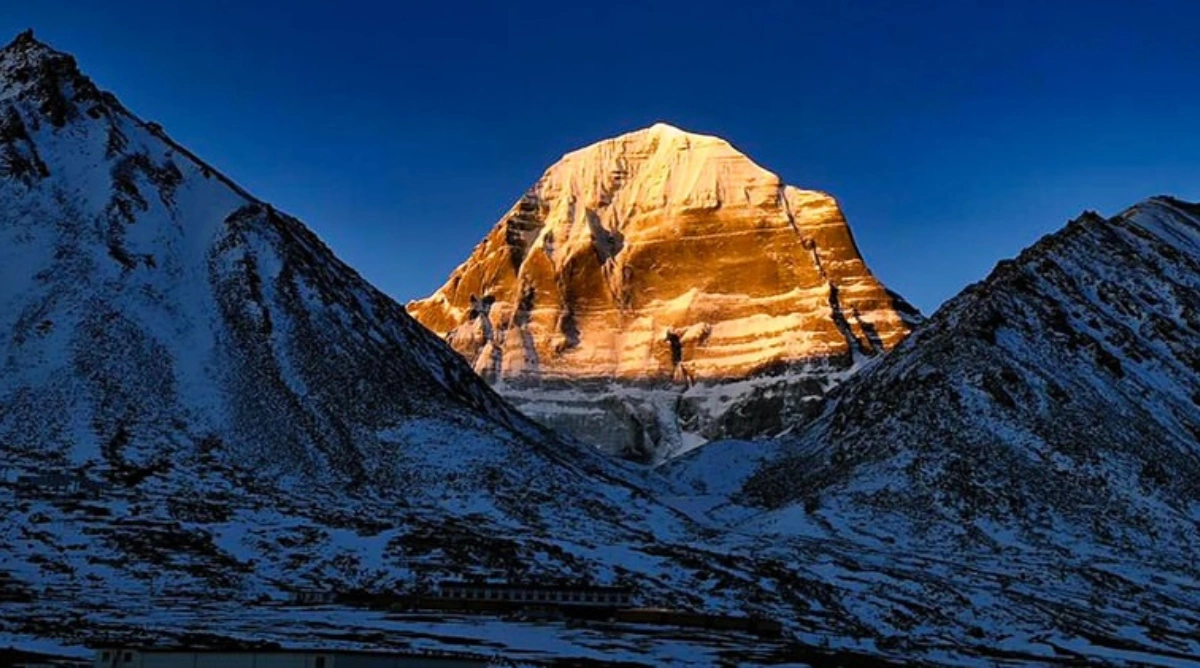
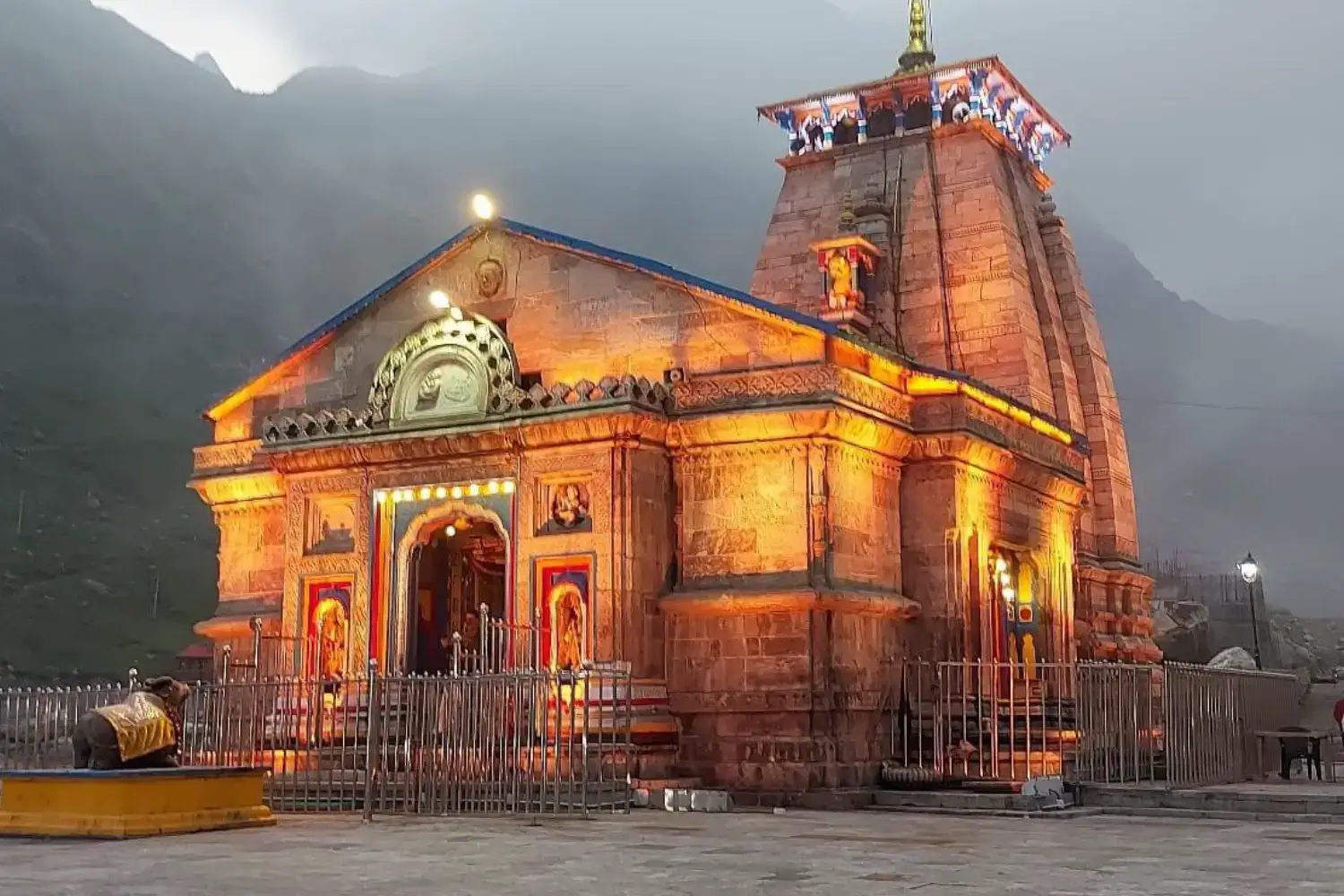
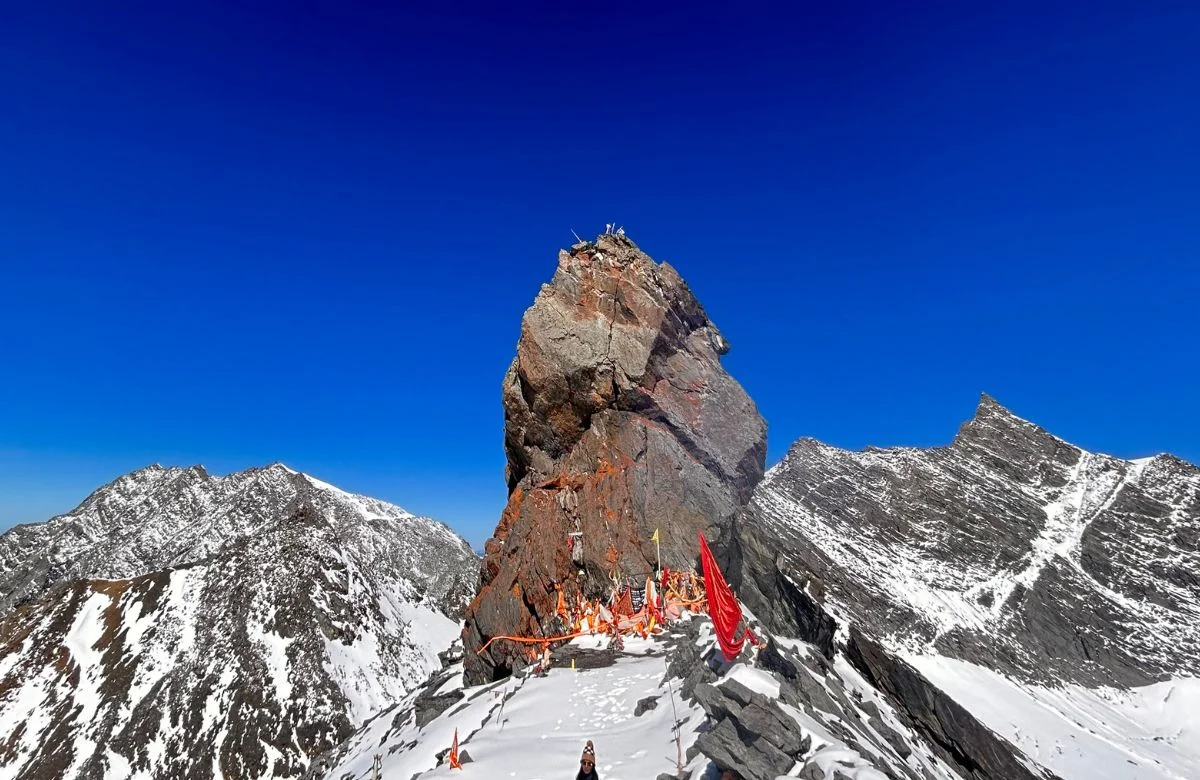
The most devoted Shiva pilgrims understand the Himalayan Shiva Circuit — the sacred geography of Lord Shiva's presence across the Himalayan range. Kedarnath (3,583 m, Uttarakhand) is Shiva's hump (dorsal hump of the bull form); Tungnath (3,680 m) is his arms; Pashupatinath (1,341 m, Kathmandu) is his eastern face; and Kailash (6,638 m, Tibet) is his supreme cosmic seat. Together, these four sacred points form the most comprehensive Himalayan Shiva pilgrimage a devotee can undertake. Visiting Pashupatinath before Kailash consciously participates in this larger sacred circuit — moving from the accessible southern face of Shiva toward his transcendent northern throne. For devotees with the time and means, adding Kedarnath to the Pashupatinath–Kailash sequence creates the most complete Himalayan Shiva pilgrimage possible.
What to Do at Pashupatinath: A Kailash Yatri's Guide
If you have one day in Kathmandu before your Kailash Mansarovar tour, here is how to spend it at Pashupatinath in a way that truly prepares you for the journey ahead.
The Pratah (Dawn) Aarti — 5:30 AM
The single most powerful experience at Pashupatinath is the Pratah Aarti — the pre-dawn ritual offering performed by the temple's hereditary Bhatt Brahmin priests. The ceremony takes place inside the main sanctum (for Hindus) and in the outer courtyard (where non-Hindus can witness the sacred sounds and light from across the river). The chanting of Rudrashtadhyayi, the sound of Vedic hymns rising over the Bagmati in the darkness before dawn, creates a devotional atmosphere of extraordinary intensity. For a Kailash yatri, this aarti is a formal beginning — a sacred launch of the inner journey.
The Arya Ghat — A Sacred Meditation on Impermanence
Sit on the steps on the eastern bank of the Bagmati, across from the Arya Ghat (the main cremation platform). Watch the sacred fires. Observe the rituals of the bereaved. Notice how death here is neither hidden nor feared but handled with composed dignity and sacred ceremony. Spend 30–45 minutes in this observation — not voyeuristically, but with the meditative awareness of a pilgrim who is about to undertake a journey dedicated to moksha. This single hour may provide more inner preparation for Kailash than any amount of logistics planning.
The 518-Temple Complex Parikrama
The Pashupatinath complex contains 518 temples, shrines, and sacred structures. A complete parikrama (circumambulation) takes approximately 2–3 hours. Key stops include: the Vasuki shrine (Shiva's serpent), the Unmatta Bhairav shrine, the Virupaksha Mahadev temple, the Ram temple, the eleven Rudra shrines, and the Bachhareshwari temple. The complex also contains the area where thousands of Shaivite sadhus live, meditate, and practise austerities — many of them on their own extended pilgrimage circuits that include Kailash.
The Sandhya (Evening) Aarti — 7:00 PM
If your Kathmandu schedule permits an evening at Pashupatinath, the Sandhya Aarti at 7:00 PM is a spectacular ceremony of light — multiple priests performing synchronised lamp offerings on the banks of the Bagmati, with the entire complex illuminated by oil lamps and the sound of conch shells and bells echoing across the river valley. This is Pashupatinath at its most visually powerful — a fitting final memory before you depart for the Himalayan plateau.
How to Combine Pashupatinath with Your Kailash Mansarovar Itinerary
The logistics of adding Pashupatinath to your Kailash Mansarovar tour are simpler than most yatris realise. Here is how to build it into each of the two main routes.
TIBET ROUTE — Pashupatinath Addition Plan
Most Tibet Route Kailash packages include 1–2 days in Kathmandu for permit collection, medical checks, and group assembly. These days are typically spent in hotels waiting for documents. They can — and should — be restructured as follows:
- Day 1 in Kathmandu (Arrival Day): Arrive at Tribhuvan International Airport. Check into your hotel (most operators use hotels in Thamel or the airport area). In the afternoon, visit Pashupatinath (5 km, 15 mins from airport). Attend the Sandhya Aarti (7:00 PM). Return to hotel for briefing session.
- Day 2 in Kathmandu (Pre-departure Day): Rise early and attend the Pratah Aarti at Pashupatinath (5:30 AM). Spend 2 hours in the temple complex. Return for permit collection, final packing, and departure to airport for Lhasa flight (typically departs 8:00–10:00 AM). You depart Kathmandu with Pashupati's blessing already received.
NEPAL ROUTE — Pashupatinath Addition Plan
The Nepal Route (Kathmandu → Nepalgunj → Simikot → Hilsa → Purang → Mansarovar) begins and ends in Kathmandu. Pashupatinath fits naturally at both the start and return:
- On Departure: Spend 1 dedicated day at Pashupatinath before flying to Nepalgunj. The spiritual preparation is especially valuable on the Nepal Route because the altitude gain from Kathmandu to Simikot and then Mansarovar is compressed into fewer days.
- On Return: Many Nepal Route yatris return to Kathmandu after completing the Parikrama. A return visit to Pashupatinath — offering gratitude and sharing the merit of the completed pilgrimage — is a beautiful and traditional closing act of the Kailash Yatra.
Pashupatinath and Kailash: Two Faces of the Same Divine Presence
Understanding the relationship between Pashupatinath and Kailash on a theological level transforms the decision to visit both from a travel itinerary choice into a conscious act of spiritual devotion.
| Aspect | Pashupatinath | Kailash |
| Location | Kathmandu, Nepal (1,341 m) | Tibet, China (6,638 m) |
| Shiva's Form | Pashupati — Protector of all living beings | Mahadeva — The Great God, Supreme Cosmic Presence |
| Accessibility | Road + 15 mins from airport | 22–24 day yatra via Tibet |
| Nature | Accessible, protective, compassionate Shiva | Transcendent, absolute, overwhelming Shiva |
| Ritual Practice | Temple puja, aarti, darshan | Mountain circumambulation (52 km Parikrama) |
| Sacred Water | Bagmati River (Ganges system) | Mansarovar Lake, 4 Himalayan rivers |
| Time Needed | Half day to full day | 22–24 days (Tibet route) |
| Spiritual Role in Yatra | Beginning — Spiritual preparation and blessing | Culmination — Moksha and cosmic encounter |
| Shiva's Cosmic Face | Tatpurusha (Eastern Face) — the face toward humanity | Ishana (Upward Face) — the transcendent presence |
Pashupatinath Temple: Practical Information for Kailash Yatris
Pashupatinath Temple: Practical Information for Kailash Yatris
Pashupatinath Temple is located in the Deopatan area of Kathmandu, approximately 5 km from Tribhuvan International Airport. Most Kailash tour operators stay in hotels in Thamel (8–10 km from temple) or near the airport (5 km). A prepaid taxi from the airport to Pashupatinath costs approximately NPR 500–800 (about ■300–■500 for Indian visitors) and takes 15–20 minutes under normal traffic.
Entry Rules for Visitors
- Hindu devotees: Full access to the main temple sanctum and all inner shrines. Carry identification that confirms Hindu identity if asked at the gate. Temple entry is free for devotees.
- Non-Hindu visitors: Entry to the outer complex, ghats, and peripheral temple areas is permitted. The main Pashupatinath sanctum itself is closed to non-Hindus. Entry fee for foreigners: USD 10–15.
- Photography: Permitted in the outer complex and ghats. Photography inside the main sanctum and at the cremation ghats requires discretion and respect — never photograph active cremations directly.
- Dress code: Traditional attire for the inner sanctum — dhoti/kurta for men, saree/salwar for women. Remove footwear before entering any temple structure.
Auspicious Days and Festivals
- Mahashivratri: The most sacred day at Pashupatinath — lakhs of pilgrims arrive from across Nepal, India, and the world. The temple remains open 24 hours. If your Kailash tour coincides with Mahashivratri, this is an extraordinary synchronicity to embrace.
- Shravan Mondays: Each Monday of the Shravan month (July–August) draws massive crowds for special Shiva puja. Avoid these dates if you want a quieter experience.
- Teej Festival (August/September): Thousands of Nepali women in red sarees perform puja at Pashupatinath for their husbands' well-being — a visually spectacular event.
Practical Tips for Your Pashupatinath + Kailash Double Pilgrimage
- Tell your Kailash operator you plan a Pashupatinath visit: Most Kailash Mansarovar yatra operators are unaware that their clients want a meaningful Pashupatinath experience during the Kathmandu layover. Tell your operator in advance. They can restructure the Day 1/Day 2 Kathmandu schedule to incorporate both aartis (dawn and evening) and still complete all permit and medical formalities. It requires only communication — not additional days.
- Hire a knowledgeable local guide at Pashupatinath: The Pashupatinath complex is vast and contains 518 shrines — many of which are directly relevant to your Kailash intent. A knowledgeable local guide (NPR 500–1,000 for 2 hours) can show you the specific shrines relevant to moksha pilgrimage preparation, explain the iconography of the Chaturmukha linga, and guide you through the parikrama path efficiently. This investment transforms a sightseeing visit into a genuine preparatory ritual.
- Carry Rudraksha and sacred items from Pashupatinath to Kailash: The Pashupatinath temple complex has several reputable shops offering Rudraksha (seeds of the Rudraksha tree, sacred to Shiva), sacred ash (vibhuti), and other devotional items. Many Kailash yatris carry these items to Kailash and offer them at the Dirapuk shrine — creating a tangible material connection between the two sacred sites.
- Carry Bagmati water to Mansarovar: Some Kailash devotees carry a small amount of Bagmati water from Pashupatinath and mix it with Mansarovar water — symbolically uniting the two sacred waters of Shiva's earthly and cosmic residences. This is a deeply meaningful personal ritual that requires only an empty sealed container and the intention to perform it.
- Allow time for the Arya Ghat — but respect the families: If you visit the Arya Ghat, sit at a respectful distance on the eastern bank. You are witnessing private grief and sacred ritual — maintain silence, do not film, and do not approach the cremation platform. The correct attitude is that of a pilgrim witnessing the reality that your yatra is directed toward transcending — not a tourist photographing an exotic cultural practice.
Final Thoughts: Let Your Kailash Journey Begin at Pashupatinath
Every great journey has a true beginning — not the moment you board the flight or leave home, but the moment you consciously cross the threshold from ordinary life into sacred purpose. For the Kailash Mansarovar Yatra, that threshold is Pashupatinath. When you stand at the Arya Ghat in the pre-dawn darkness and watch the sacred fires of Pashupatinath reflected in the Bagmati River — having received the blessing of Pashupati and set your inner intention for the journey ahead — the Kailash Mansarovar Yatra has already begun. Everything that follows: the flights over the Himalayas, the acclimatisation at Lhasa, the vast silence of the Tibetan plateau, the 52 km Parikrama, the crossing of Dolma La, the first view of Mount Kailash from Dirapuk — all of it will be experienced differently because of that beginning. Do not skip Pashupatinath. Do not treat Kathmandu as a transit lounge. Walk to the temple, offer your prayer, receive the ash, sit at the ghat, hear the chants. Then carry the Lord of all living beings within you as you ascend toward his cosmic home at 6,638 metres.