

- Adi Kailash Blogs
- @Nagarjuna_Travels
Most pilgrims researching the adi kailash trek distance run into the same wall of confusing, contradictory numbers. One site says the trek from the road-head is 4 km. Another says 8 km. A third throws around figures for Om Parvat that have nothing to do with Adi Kailash itself. Nobody clearly explains the difference between the trek distance and the much longer road journey that gets you to the trailhead in the first place — from Delhi, from Pithoragarh, from Dharchula, or from Gunji, the last inhabited village before the high-altitude darshan points.
This guide untangles all of it. We cover the exact adi kailash trek distance from the road-head, the stage-by-stage road journey from Delhi all the way to Gunji and Jolingkong, the separate but related question of pithoragarh to om parvat distance and dharchula to om parvat distance, and how Adi Kailash connects geographically to the full Kailash Mansarovar yatra. Every figure here reflects the current 2026 route as managed by licensed operators including Nagarjuna Travels.
Adi Kailash Trek Distance: The Straight Answer
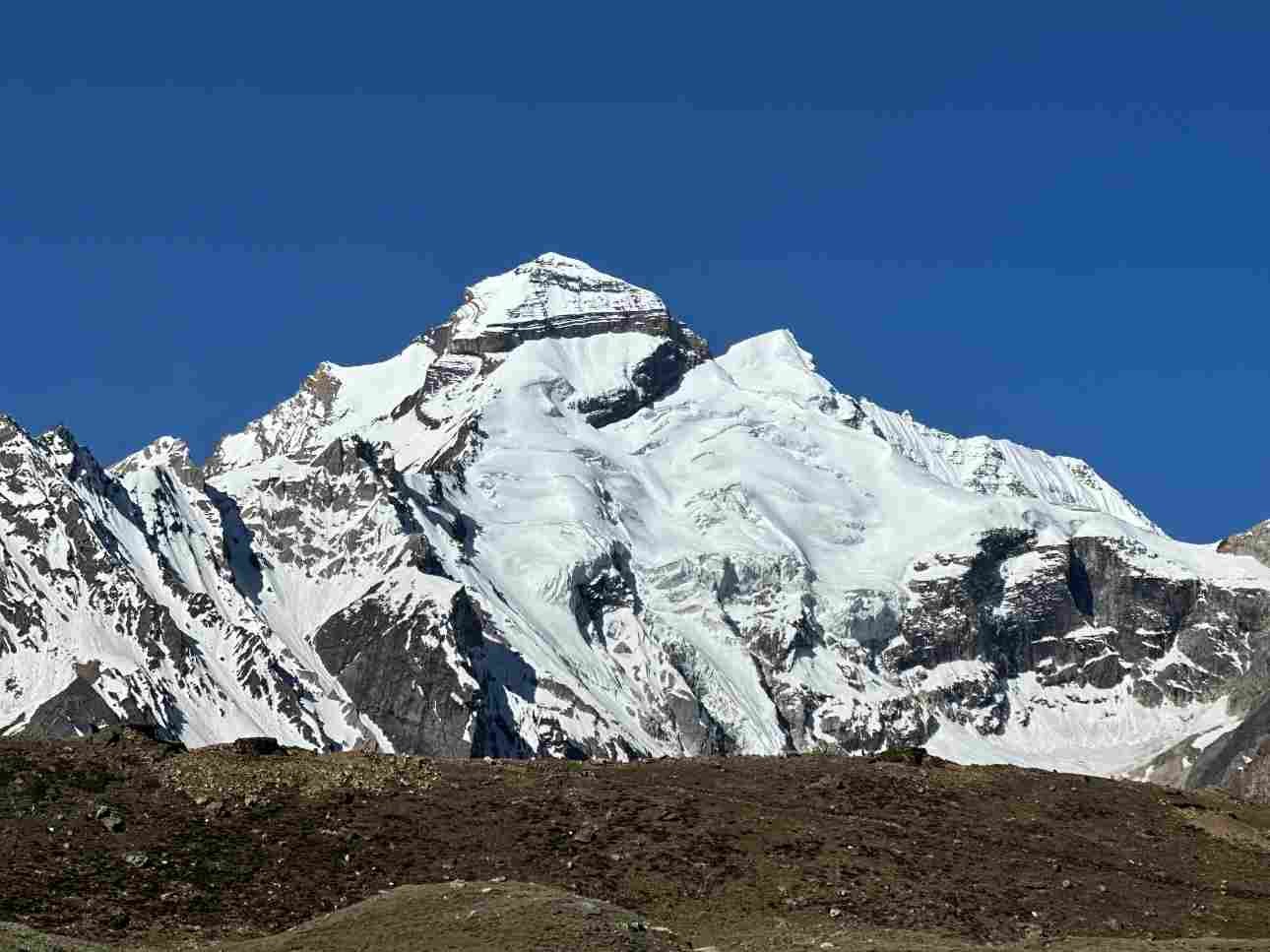
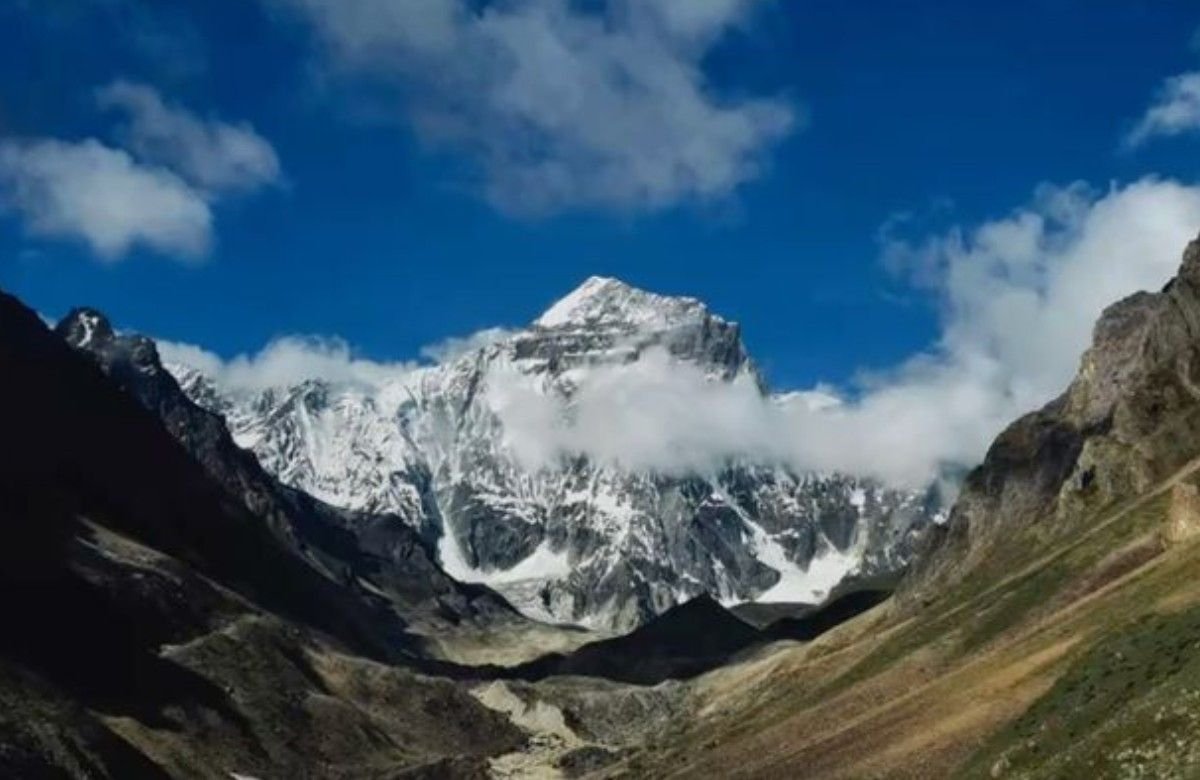
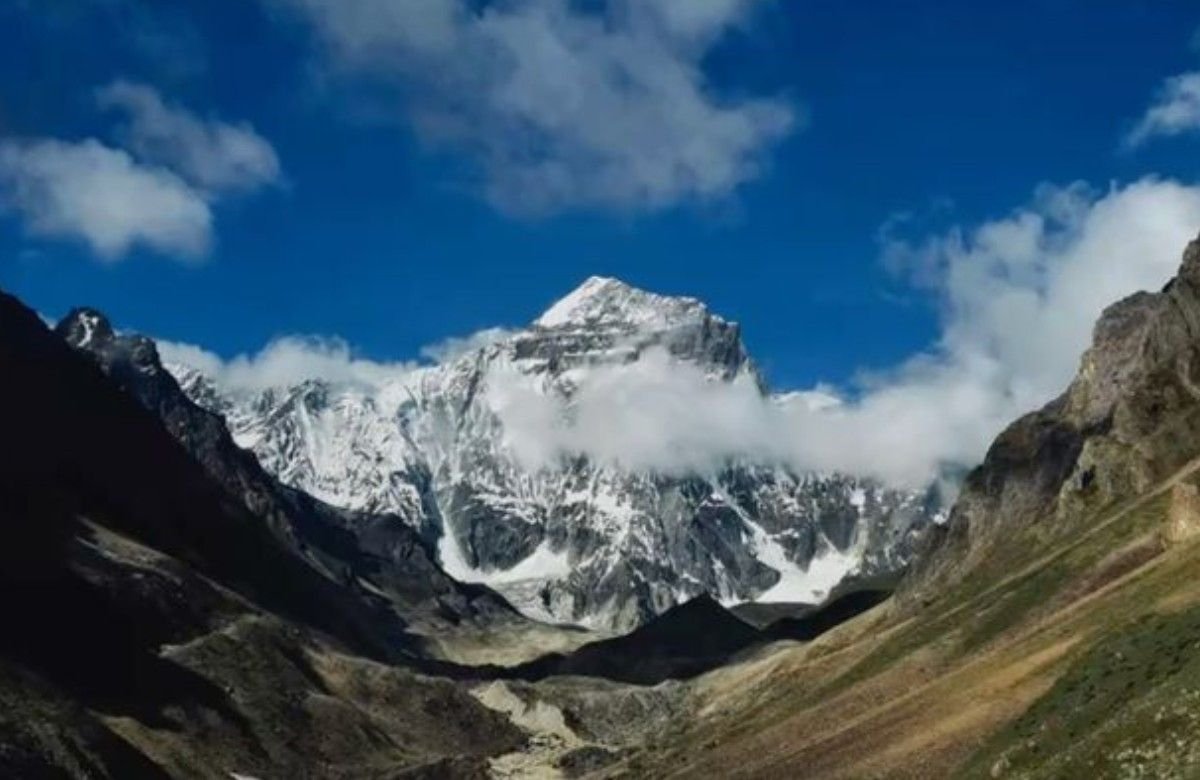
The adi kailash trek distance that most pilgrims actually walk today is shorter than many old blog posts suggest, because the government road into the Vyans Valley now reaches very close to the darshan points. From the Jolingkong road-head — the point where vehicles can no longer proceed — the walk to the Parvati Sarovar lake and the best viewing point of Adi Kailash peak (5,945 m) is approximately 2 to 4 km on foot, taking 1 to 1.5 hours at a gentle pace. This is a significant change from the route a decade ago, when the adi kailash trekking distance from Gunji village was approximately 18 to 20 km one way through Nabi village and beyond — a genuine multi-day trek. Today, that full distance is largely covered by an improved BRO (Border Roads Organisation) road, and only the final short stretch remains a walk. However, road conditions in this remote border region can change with weather, landslides, or seasonal closures — in years or sections where the road is not fully passable, pilgrims may still need to cover a longer stretch on foot, so it pays to confirm current road status with your operator before departure. Om Parvat — the nearby peak (6,191 m) famous for the natural snow formation resembling the sacred om symbol — is viewed from a separate but nearby road-head, with a similarly short walk of under 1 km in most conditions. Both darshan points are typically covered on the same day from a base at Gunji or Nabi.
How to Reach Adi Kailash: The Complete Journey
Understanding how to reach adi kailash means understanding that this is fundamentally a multi-stage road journey with a short trek at the very end — not a long trekking expedition. The journey breaks into four clear legs: getting to Pithoragarh (the district headquarters and gateway), Pithoragarh to Dharchula (the last major town), Dharchula to Gunji (the last significant village), and Gunji to the Jolingkong road-head and trek.
Stage 1: Reaching Pithoragarh
Pithoragarh is the administrative gateway to the Adi Kailash yatra. The nearest airport is Pantnagar (approximately 210 km away, 6 to 7 hours by road) or Naini Saini Airstrip in Pithoragarh itself, which has limited connectivity. The nearest railway station is Kathgodam (approximately 210 km, 6 to 7 hours by road). Most pilgrims reach Pithoragarh either by direct road from Delhi or by flying/training to Kathgodam or Pantnagar and continuing by road.
Stage 2: Pithoragarh to Dharchula
From Pithoragarh, the road to Dharchula covers approximately 95 km, taking 3 to 4 hours through scenic Kumaon hill terrain. Dharchula sits on the banks of the Kali River, directly across from Nepal, and is the last town with proper hotel infrastructure, ATMs, and full medical facilities before the restricted Inner Line Permit zone begins.
Stage 3: Dharchula to Gunji
The dharchula to gunji distance is approximately 80 km, taking 4 to 5 hours on a mountain road that climbs steadily along the Kali River valley through villages including Sirkha, Tawaghat, and Sobla, before reaching Gunji at approximately 3,200 m. This stretch is where the journey shifts from ordinary hill driving to genuine high-altitude travel, and most itineraries include this as a single day's drive with an overnight halt at Gunji to begin acclimatisation.
Stage 4: Gunji to the Jolingkong Road-Head and Trek
The gunji to adi kailash distance is approximately 50 to 55 km by road via Nabi village to the Jolingkong road-head, taking 2.5 to 3.5 hours depending on road conditions. From the road-head, the final adi kailash trek distance of 2 to 4 km on foot brings you to the Parvati Sarovar and the primary darshan point of Adi Kailash. Om Parvat is reached via a short additional drive and walk from a nearby point on the same general route.
Adi Kailash Trek Distance: Complete Stage-by-Stage Reference
Here is the full journey broken into every stage, from Delhi to the final darshan point, with distance and travel time.
| Stage | Route Segment | Distance | Approx. Time |
| 1 | Delhi → Pithoragarh | ~580–600 km | 12–14 hrs / 2 days |
| 2 | Pithoragarh → Dharchula | ~95 km | 3–4 hrs |
| 3 | Dharchula → Gunji | ~80 km | 4–5 hrs |
| 4 | Gunji → Jolingkong (via Nabi) | ~50–55 km | 2.5–3.5 hrs |
| 5 | Jolingkong → Adi Kailash Darshan | ~2–4 km (trek) | 1–1.5 hrs |
| Total | Delhi → Adi Kailash | ~810–840 km | 5–6 days |
Delhi to Adi Kailash Distance: Planning the Full Journey
The delhi to adi kailash distance by road is approximately 580 to 600 km to Pithoragarh alone, and a total of approximately 810 to 840 km all the way to the Jolingkong trek-head once you add the Pithoragarh–Dharchula–Gunji–Jolingkong legs. This delhi to adi kailash distance is rarely driven in a single stretch — the standard and strongly recommended itinerary spreads this across 5 to 6 days with overnight halts and built-in acclimatisation. A typical breakdown looks like this: Day 1 from Delhi to Almora or Champawat (overnight halt, approximately 350 km), Day 2 onward to Pithoragarh (approximately 130 to 150 km), Day 3 Pithoragarh to Dharchula, Day 4 Dharchula to Gunji, and Day 5 Gunji to Jolingkong for the Adi Kailash and Om Parvat darshan, followed by the return journey. Most pilgrims fly to Pantnagar or take a train to Kathgodam to shorten the delhi to adi kailash distance by road, cutting nearly 200 km and a full day off the journey.
Pithoragarh to Adi Kailash Distance and Dharchula to Adi Kailash Distance
Since most pilgrims base themselves at either Pithoragarh or Dharchula before the final push to the Vyans Valley, these two figures are the most practically useful distances for trip planning.
Pithoragarh to Adi Kailash Distance by Road
The pithoragarh to adi kailash distance by road, covering Pithoragarh → Dharchula → Gunji → Jolingkong, is approximately 220 to 240 km, taking 9 to 11 hours of total driving time across what is normally split into two days. This is the figure most relevant for pilgrims flying into Pantnagar and continuing overland from Pithoragarh, which is by far the most common way most Indian pilgrims now access the yatra.
Dharchula to Adi Kailash Distance by Road
The dharchula to adi kailash distance by road from Dharchula → Gunji → Nabi → Jolingkong is approximately 130 to 145 km, taking 6.5 to 8.5 hours including the mandatory overnight halt at Gunji. Dharchula to Adi Kailash is genuinely a two-day journey on the ground, not because the distance is enormous, but because the road climbs from approximately 930 m at Dharchula to over 3,600 m near Jolingkong — an altitude gain that makes a single-day push both physically unwise and, in many seasons, simply not feasible given border security check timings at multiple ILP checkpoints along the way.
Pithoragarh to Om Parvat Distance and Dharchula to Om Parvat Distance
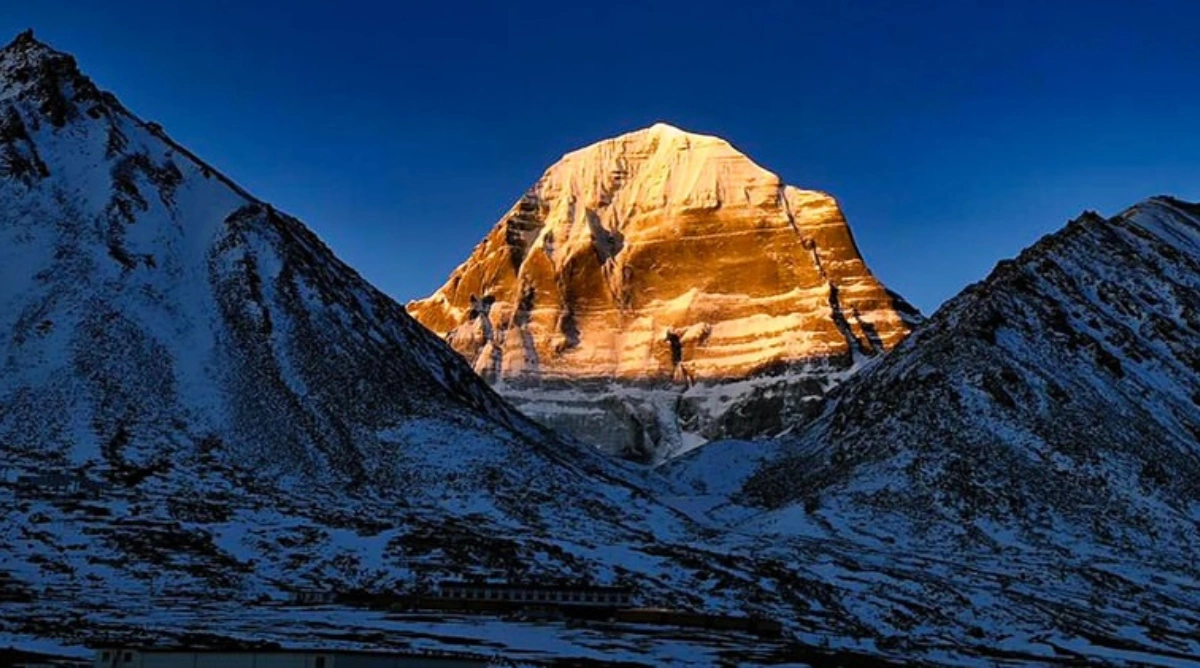
Om Parvat (6,191 m) — revered for the natural snow formation that traces the sacred om symbol on its face — sits in the same general area as Adi Kailash and is almost always visited on the same yatra day. Because of this, the pithoragarh to om parvat distance and dharchula to om parvat distance closely mirror the figures for Adi Kailash, with only a small additional stretch to the specific Om Parvat viewing point. The pithoragarh to om parvat distance is approximately 225 to 245 km — essentially the same route as Adi Kailash via Dharchula and Gunji, with the Om Parvat viewpoint reached via a short branch road or additional walk near Nabi or Jolingkong. The dharchula to om parvat distance is approximately 135 to 150 km, again following the same Gunji–Nabi corridor used for Adi Kailash. Pilgrims typically visit both Adi Kailash and Om Parvat as a combined darshan on the same day from a Gunji or Nabi base, since the two viewpoints are within a short drive of each other. Visibility conditions for Om Parvat can vary significantly by season and weather — the om snow formation is most clearly visible in May, June, September, and October, and can be obscured by cloud cover during the monsoon months. Plan your visit dates around the clearer windows if seeing the Om formation is a priority.
Gunji to Adi Kailash Distance: The Final Approach
Gunji is the last significant village on the route and the most common overnight base for the final push to Adi Kailash and Om Parvat. The gunji to adi kailash distance is approximately 50 to 55 km by road via Nabi village to the Jolingkong road-head, taking 2.5 to 3.5 hours depending on road conditions, weather, and the number of border checkpoint stops along the way. Most itineraries treat the Gunji to Adi Kailash leg as a single, full-day excursion: an early morning departure from Gunji, the drive to Jolingkong, the 2 to 4 km trek to the Parvati Sarovar and Adi Kailash darshan point, time at Om Parvat's viewpoint, and the return drive back to Gunji by evening. This makes Gunji the practical base camp of the entire yatra — most pilgrims spend at least one, often two, nights here for both acclimatisation and to allow flexibility if weather affects the final day's plans.
Haldwani to Adi Kailash Distance: An Alternate Gateway
Haldwani, in the Nainital district of Uttarakhand, is another common starting point for pilgrims travelling by road or rail through the Kumaon foothills rather than flying directly to Pantnagar or driving from Delhi. The haldwani to adi kailash distance to Pithoragarh is approximately 200 to 220 km, taking 6 to 7 hours, after which the same Pithoragarh → Dharchula → Gunji → Jolingkong route applies, adding the further 220 to 240 km described earlier. The total haldwani to adi kailash distance, all the way to the Jolingkong trek-head, is therefore approximately 420 to 460 km, typically covered over 3 to 4 days. Haldwani is well connected by rail (Kathgodam, the nearest major railhead, is essentially part of the same urban area) and is a popular starting point for pilgrims from eastern and central India who find it more convenient than routing through Delhi.
Conclusion
The good news about the adi kailash trek distance is that it is shorter and more accessible today than most pilgrims expect — a 2 to 4 km walk from the Jolingkong road-head, at the end of a well-managed multi-day road journey through some of the most beautiful and remote terrain in Uttarakhand. The real distance that matters for planning is not the final trek but the cumulative road journey: from Delhi or Haldwani to Pithoragarh, through Dharchula and Gunji, and finally to the trailhead itself. Know your route. Plan for 5 to 6 days minimum from Delhi, or 3 to 4 from Haldwani. Build in the acclimatisation halts at Dharchula and Gunji — they are not optional extras but essential preparation for the altitude ahead. And when you finally stand at the Jolingkong road-head, look up, and see Adi Kailash rising above the Parvati Sarovar with Om Parvat's sacred symbol glowing nearby — every one of those kilometres will have led you exactly where you needed to be.