

- Mount Kailash Blogs
- @Nagarjuna_Travels
People planning the Kailash Mansarovar Yatra ask about the height constantly — and get confusing answers. Some sources quote the summit of Mount Kailash. Others quote Mansarovar Lake. Some mix up metres and feet. A few list the Dolma La Pass altitude but not the base camp. The result is that pilgrims arrive without a clear picture of exactly how high they will go, for how long, and what that height means for their body. This guide gives you every kailash mansarovar height number — the summit, the lake, the parikrama route, each camp, and the highest pass — with all units clearly stated and the significance of each altitude explained honestly.
Kailash Mansarovar Height: The Two Core Numbers
When people search for kailash mansarovar height, they are usually looking for one of two numbers — the height of Mount Kailash itself, or the height of Mansarovar Lake. These are two distinct locations with very different altitudes, and understanding both is fundamental to planning the yatra.
Mount Kailash Height
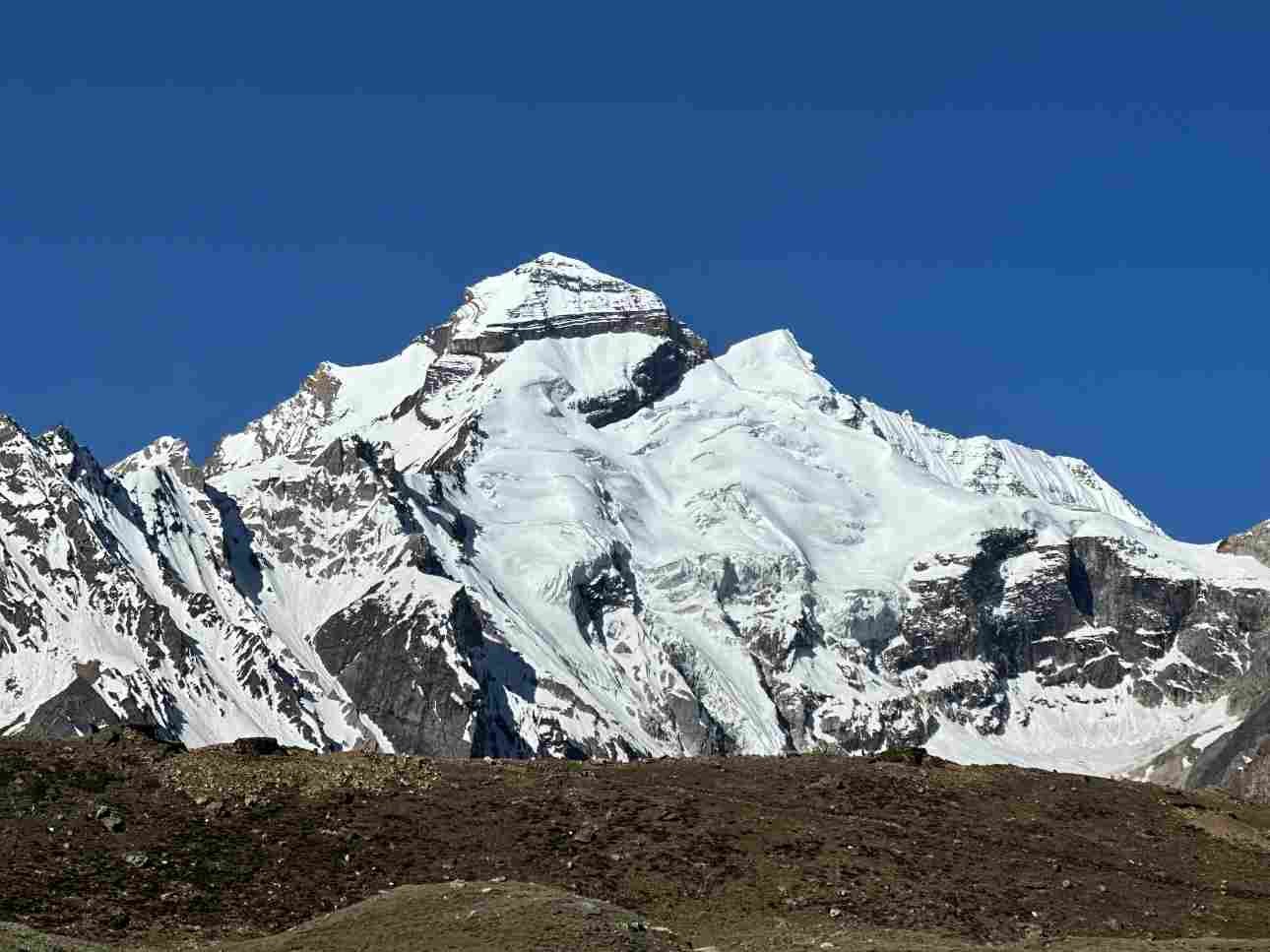
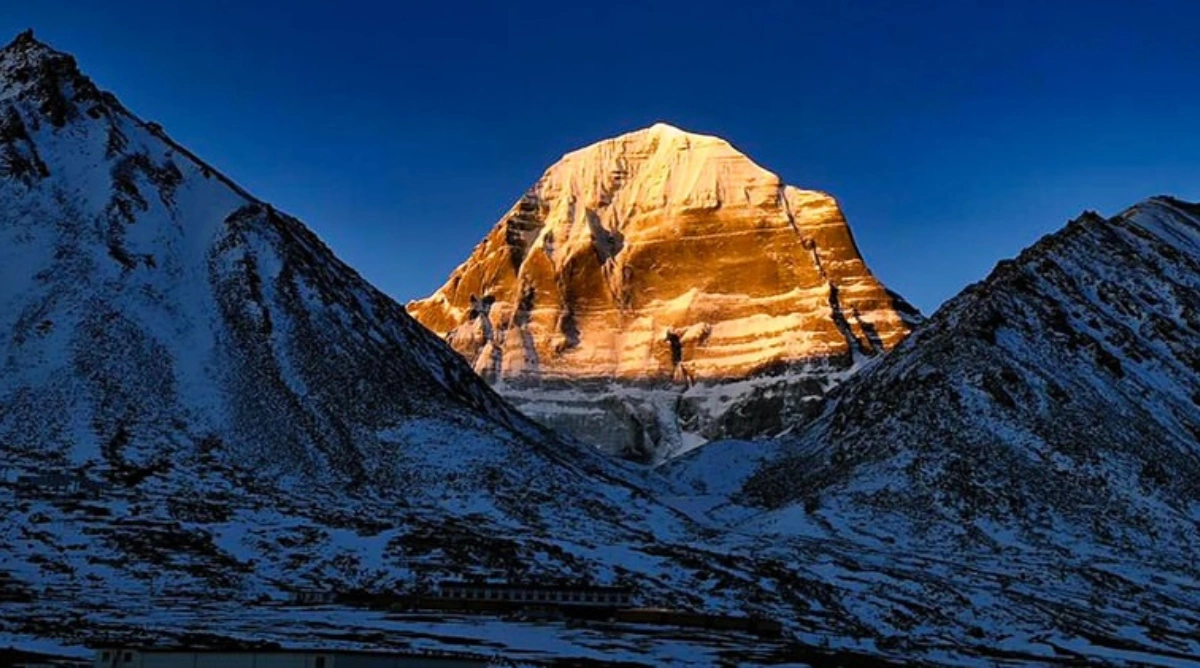
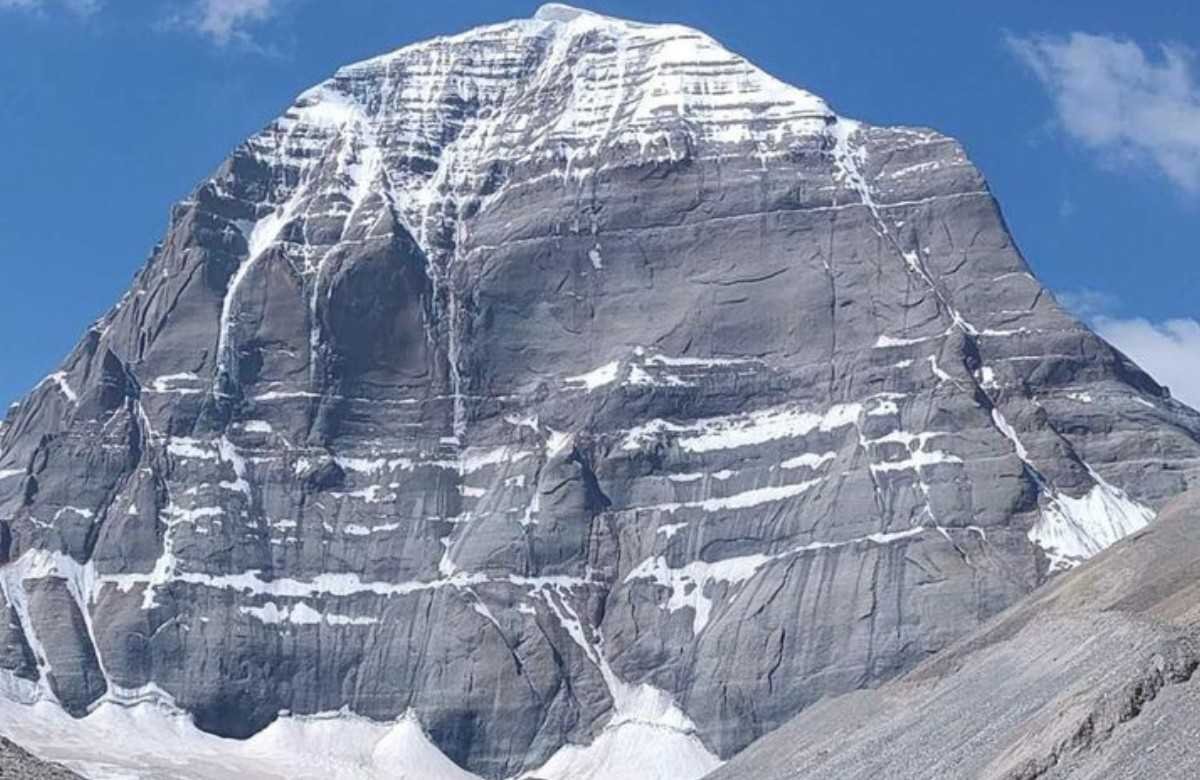
Mount Kailash stands at 6,638 metres above sea level. In the three units most commonly searched:
- Kailash mansarovar height in metres: 6,638 m
- Kailash mansarovar height in feet: 21,778 feet
- Kailash mansarovar height in km: approximately 6.638 km above sea level
This is the summit height of the mountain itself. No pilgrim climbs to this point — Mount Kailash has never been officially summited. Religious restrictions mean no climbing permits have ever been granted, and this is respected across all four faiths that consider the mountain sacred. The kailash mansarovar yatra takes pilgrims around the base of the mountain, not to its top.
Mansarovar Lake Height
Lake Mansarovar sits at 4,590 metres (15,060 feet) above sea level. It is one of the highest large freshwater lakes in the world, covering an area of approximately 320 square kilometres. The lake sits directly at the foot of Mount Kailash on its southern side and is a central part of the kailash mansarovar yatra — pilgrims take a holy dip here before beginning the parikrama.
Complete Altitude Profile of the Kailash Mansarovar Yatra
The kailash mansarovar height numbers that matter most for pilgrims are not the summit — they are the altitudes along the actual yatra route. Here is the complete altitude profile of every significant point on the journey.
| Location | Metres | Feet | km |
| Kathmandu | 1,400 m | 4,593 ft | 1.400 |
| Gyirong Border | ~1,750 m | ~5,741 ft | ~1.750 |
| Saga | ~4,500 m | ~14,764 ft | ~4.500 |
| Mansarovar | 4,590 m | 15,060 ft | 4.590 |
| Darchen | 4,575 m | 15,009 ft | 4.575 |
| Dirapuk | 4,920 m | 16,142 ft | 4.920 |
| Dolma La Pass | 5,630 m | 18,471 ft | 5.630 |
| Gauri Kund | ~5,608 m | ~18,399 ft | ~5.608 |
| Zutulpuk | 4,790 m | 15,715 ft | 4.790 |
| Mt. Kailash | 6,638 m | 21,778 ft | 6.638 |
Notice that from Mansarovar Lake onward, the entire kailash mansarovar yatra takes place above 4,500 metres. This is above the standard threshold at which altitude sickness becomes a genuine medical concern for most people. There is no lower-altitude resting stage once you reach the lake — you are in the thin-air zone for every remaining day of the yatra.
Kailash Mansarovar Height in Feet: Why the Number Matters
The kailash mansarovar height in feet is the unit most easily understood by people comparing it to reference points they know — other mountains, other trekking destinations, aircraft cruising altitude. Here is how the key heights on this yatra compare to familiar reference points.
Mount Kailash: 21,778 Feet
At 21,778 feet, Mount Kailash is taller than every mountain in the Alps, taller than Denali in Alaska (20,310 feet), and taller than every peak in the Andes outside of the Southern South American extreme. To put it in aviation terms, commercial aircraft typically cruise at 35,000 to 40,000 feet — so Kailash reaches about 55 percent of that cruising altitude. At that height, the air contains roughly 47 percent of the oxygen available at sea level.
Dolma La Pass: 18,471 Feet
This is the altitude that every pilgrim on the kailash mansarovar yatra actually reaches. At 18,471 feet, Dolma La Pass is higher than Everest Base Camp on the Nepal side (17,598 feet). This comparison is significant — Everest Base Camp is widely discussed as a high-altitude challenge requiring serious preparation and acclimatisation. Dolma La Pass, crossed on Day 2 of the parikrama, is over 800 feet higher than that. It is crossed in a single push, after already spending multiple days above 14,000 feet.
Mansarovar Lake: 15,060 Feet
Mansarovar Lake at 15,060 feet is already higher than Mont Blanc, the tallest peak in Western Europe (15,774 feet — actually comparable in scale). The holy dip in Mansarovar that pilgrims take before the parikrama begins happens at this altitude. The water temperature is ice-cold year-round — a dramatic contrast to the spiritual warmth of the ritual that takes place in it.
Kailash Mansarovar Height in KM: Understanding the Scale
Expressing the kailash mansarovar height in km gives a different kind of perspective — particularly useful for understanding the scale of altitude gain during the yatra itself.
The Altitude Gain During the Kailash Mansarovar Yatra
The kailash mansarovar height in km when measured as vertical gain from the Nepal route starting point is striking. Pilgrims begin at Kathmandu at approximately 1.4 km above sea level and ultimately reach Dolma La Pass at 5.63 km above sea level — a total altitude gain of over 4.2 km in vertical height over the course of the journey. Most of this gain happens across the Tibetan plateau and during the parikrama itself.
- Kathmandu to Mansarovar: altitude gain of approximately 3.19 km in vertical height
- Mansarovar to Dolma La Pass: further gain of approximately 1.04 km during the parikrama
- Total altitude gain from Kathmandu to Dolma La Pass: approximately 4.23 km
Why Gradual Gain Matters More Than the Final Number
The danger of altitude sickness is not simply a function of how high you go — it is a function of how quickly you ascend. The reason the Nepal route is generally considered the most comfortable approach to the kailash mansarovar yatra is that the road journey across the Tibetan plateau allows the body to ascend gradually, reaching 4,500 metres over several days of road travel rather than in a single aggressive climb. This gradual approach gives the body time to produce more red blood cells, adjust breathing patterns, and adapt to reduced oxygen availability.
Why Mount Kailash Has Never Been Climbed
This is one of the most commonly asked questions about kailash mansarovar height — if it is only 6,638 metres, well below the 8,000-metre giants of the Himalayas, why has it never been climbed? The answer has nothing to do with technical difficulty and everything to do with sanctity. Mount Kailash is the only significant Himalayan peak where climbing has been explicitly prohibited by the Chinese government out of respect for the mountain's sacred status across four religions. No expedition has ever received permission to summit. The mountain is not officially unclimbed because it is beyond human reach — it is unclimbed because it has been deliberately protected from that kind of human ambition. In 2001, the Chinese government approved a Spanish expedition to attempt the summit. The international backlash from Hindu, Buddhist, Jain, and Bon communities was so immediate and powerful that the expedition was cancelled before it began. Since then, no climbing permits for Mount Kailash have been issued. The kailash mansarovar height of 6,638 metres will almost certainly remain forever unattested by a summit register.
What the Kailash Mansarovar Height Means for Your Body
Understanding the kailash mansarovar height numbers is not an academic exercise — it is practical preparation. Every altitude figure on this journey has a direct implication for how your body will feel and perform.
Above 3,500 Metres: Altitude Sickness Becomes a Real Risk
Medical guidance consistently identifies 3,500 metres as the altitude above which Acute Mountain Sickness (AMS) becomes a meaningful risk for most people. Every single location on the kailash mansarovar yatra from Mansarovar Lake onward — including the base camp at Darchen, the camps on the parikrama, and the pass — is above this threshold. Pilgrims are in the altitude risk zone for the entire duration of their time in Tibet.
Above 4,500 Metres: Significant Physiological Stress
At 4,500 metres and above — which covers Mansarovar Lake, Darchen, and the entire parikrama route — oxygen availability drops to roughly 57 percent of sea-level concentration. Most people experience noticeably increased breathing effort during physical activity, reduced appetite, disturbed sleep, and slower mental processing at these altitudes. These effects are normal and manageable with acclimatisation — but they are real, and they affect physical performance on the parikrama trail.
Above 5,000 Metres: The High-Altitude Zone
Crossing 5,000 metres — which happens on the approach to Dolma La Pass — places pilgrims in what altitude medicine considers the high-altitude zone, where symptoms become more pronounced and where the risk of serious conditions including High Altitude Pulmonary Edema (HAPE) and High Altitude Cerebral Edema (HACE) increases meaningfully. At Dolma La Pass at 5,630 metres, oxygen levels are approximately 53 percent of sea level. This is the reason Day 2 of the parikrama begins before dawn and is treated with such seriousness by experienced guides.
- Walk slowly and deliberately on the Dolma La ascent — there is no benefit to rushing
- Stay hydrated — drink at least 3 to 4 litres of water daily throughout the yatra
- Report any symptoms of altitude sickness to your guide immediately, however minor they seem
- Carry a pulse oximeter — monitoring blood oxygen saturation at altitude is the single most useful health tool on this journey
How Altitude Shapes the Kailash Mansarovar Yatra Experience
The kailash mansarovar height is not just a number — it is the defining characteristic of the entire journey. The altitude is what makes the landscape so stark and otherworldly. It is what makes the sky so deeply blue and the light so painfully clear. It is what makes Mansarovar Lake look like something from another planet. And it is what gives the parikrama its sense of genuine physical and spiritual effort.
The North Face View from Dirapuk at 4,920 Metres
One of the most celebrated moments of the kailash mansarovar yatra is the view of Kailash's north face from Dirapuk Monastery at 4,920 metres. The mountain rises over 1,700 metres above the campsite in a near-vertical wall of black rock and permanent glacial ice. At 16,142 feet, you are standing at roughly the same altitude as the summit of Mont Blanc — and looking up at a further 5,600 feet of sacred mountain above you. This is a view that pilgrims consistently describe as the most powerful and humbling moment of their lives.
Dolma La Pass at 5,630 Metres: The Sacred High Point
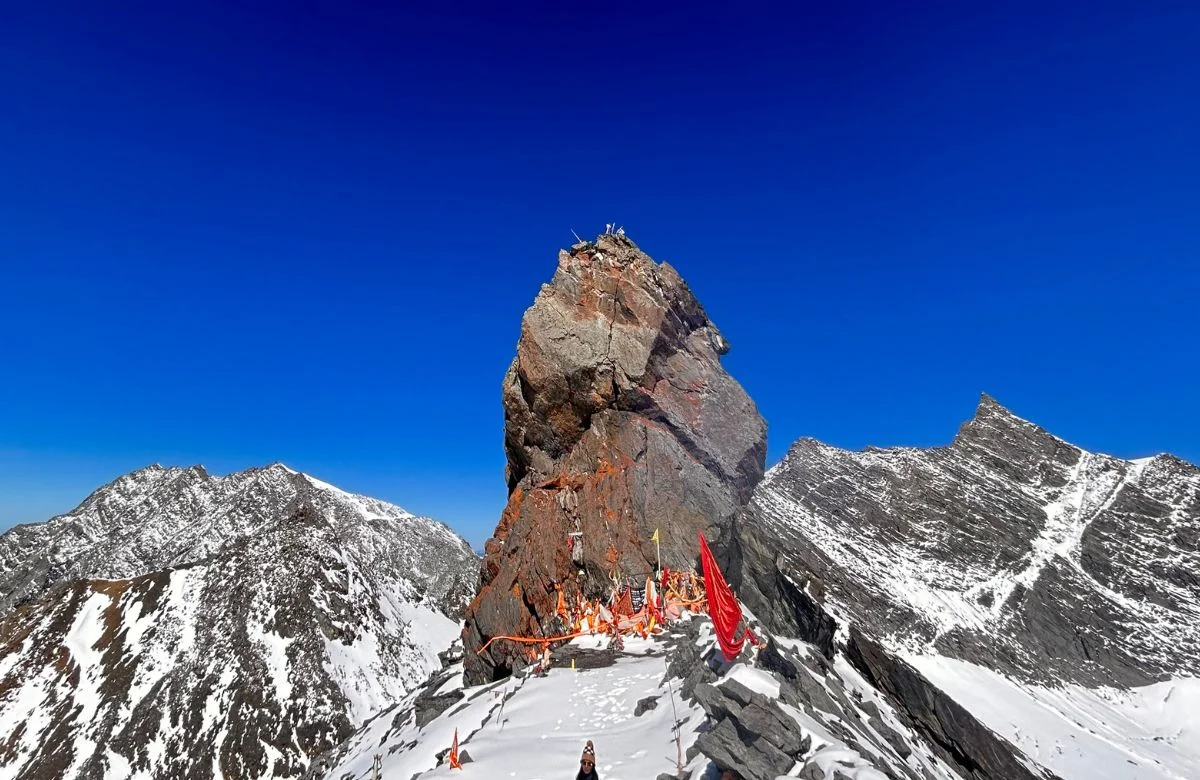
The crossing of Dolma La Pass is the physical and spiritual summit of the kailash parikrama. At 18,471 feet — kailash mansarovar height in feet at its most extreme for pilgrims — the pass is marked by a large sacred boulder draped in thousands of prayer flags left by pilgrims across generations. The air here carries less than 54 percent of the oxygen available at sea level. Breathing is an effort. Movement is deliberate. And yet pilgrims cross it in their thousands every season, driven by a devotion that the altitude cannot diminish.
Kailash Mansarovar Yatra: How to Prepare for the Height
Given the sustained altitude of the kailash mansarovar yatra, preparation must address the specific physiological demands of spending multiple days above 4,500 metres. Here are the most important preparation steps.
Acclimatisation Is the Most Important Factor
- Do not rush the approach journey — spend adequate time at each altitude stop before ascending further
- The Nepal route is generally the most comfortable because road travel across the Tibetan plateau allows gradual altitude gain over several days
- Spend at least one full day at Mansarovar Lake (4,590 m) before beginning the parikrama — most reputable itineraries build this in
- If you experience persistent headache, nausea, or dizziness at any stop, do not ascend until symptoms resolve
Physical Training for High Altitude
- Begin cardiovascular training at least 4 to 6 months before departure
- Build up to regular long walks of 15 to 20 km with a loaded pack in the 6 weeks before departure
- If possible, undertake at least one practice trek above 3,500 metres before attempting the kailash mansarovar yatra — this gives your body and your awareness of your own symptoms a real-world test
- Leg strength training is particularly important for the steep Dolma La ascent and the long descent to Zuthulpuk
Medical Preparation for the Altitude
- Get a thorough health check including ECG, blood pressure, and respiratory function at least 6 weeks before travel
- Consult your doctor about Acetazolamide (Diamox) — the most commonly prescribed altitude sickness prevention medication
- Carry a pulse oximeter to monitor blood oxygen saturation throughout the yatra
- Disclose all health conditions honestly during medical screening — conditions that seem minor at sea level can become dangerous at 4,500 to 5,630 metres
Conclusion
The kailash mansarovar height numbers — 6,638 metres for the summit, 4,590 metres for the lake, 5,630 metres for Dolma La Pass — are more than geographical data. They are the map of a physical and spiritual ascent that has drawn pilgrims across four faiths for thousands of years. Every metre of altitude on this journey is a metre walked in the shadow of one of the most sacred mountains on earth. Knowing the numbers prepares your body. Understanding what they mean deepens your journey. The kailash mansarovar yatra is one of the few places on earth where those two things — physical preparation and spiritual meaning — are inseparable.