

- Uttarakhand Tours
- @nagarjuna_travels
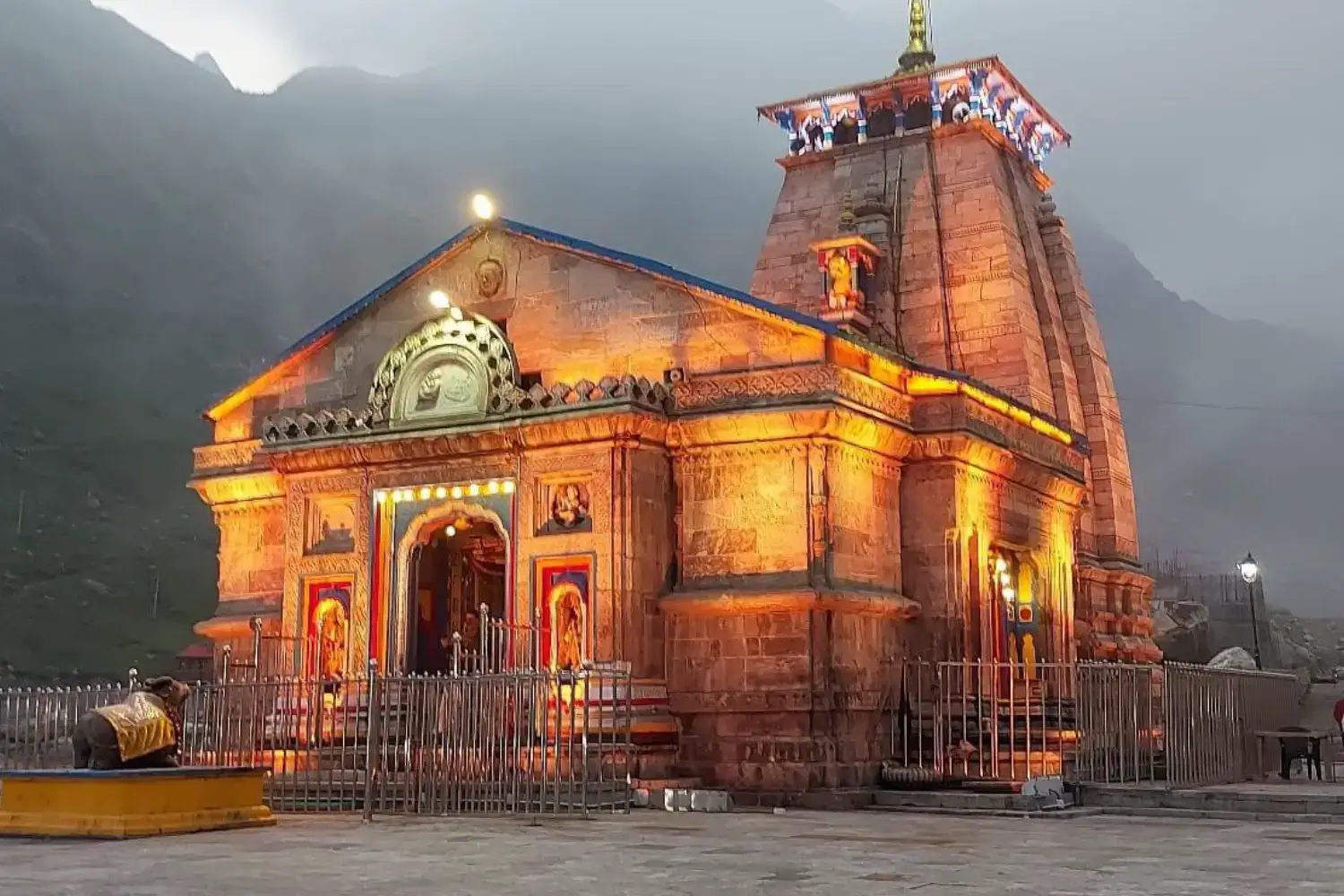
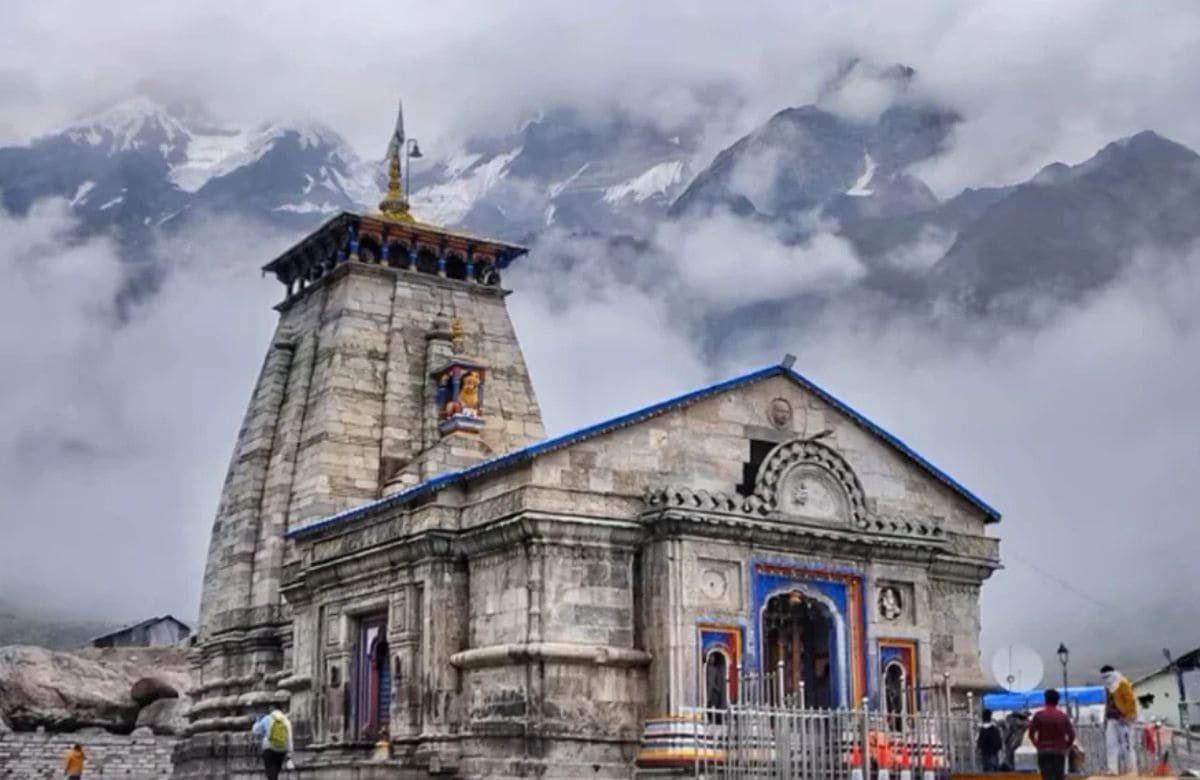
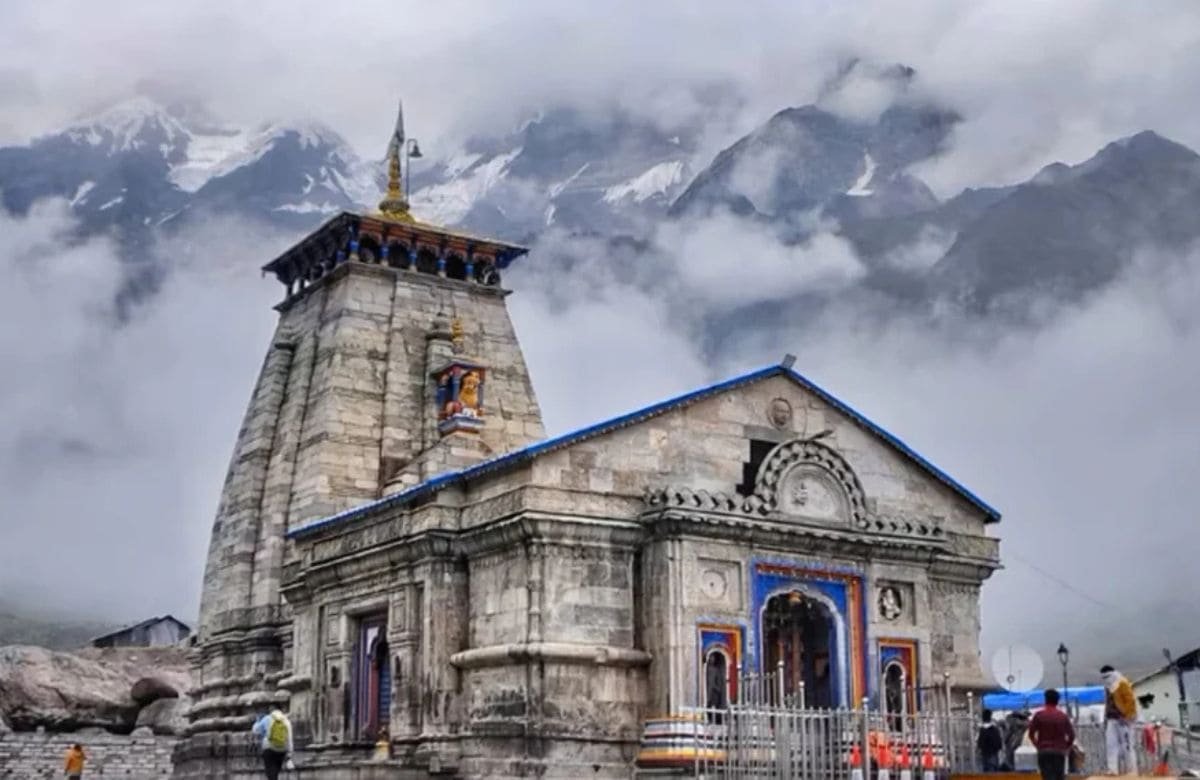
Kedarnath Temple is one of the most sacred shrines of Lord Shiva and a key part of the Char Dham Yatra in Uttarakhand. Situated in the Garhwal Himalayas at an altitude of around 3,583 meters, this holy Jyotirlinga attracts lakhs of devotees every year. However, due to heavy snowfall and extreme winter conditions, the temple remains closed for several months. That is why pilgrims eagerly wait for the official Kedarnath opening and closing dates every year to plan their yatra smoothly.
In this complete guide, you will find the Kedarnath Temple Opening Date 2026, expected closing date, spiritual importance of the opening ceremony, yatra registration details, weather information, how to reach, and useful travel tips to make your pilgrimage comfortable and memorable.
Kedarnath Temple Opening Date 2026
Every year, the gates of Kedarnath Dham open on the auspicious occasion of Akshay Tritiya. The exact opening time (muhurat) is decided after detailed astrological calculations at Omkareshwar Temple in Ukhimath.
In 2026, Akshay Tritiya falls on 18 April 2026 (Saturday). Therefore, the Kedarnath Temple Opening Date 2026 is expected to be 18 April 2026 (tentative), usually early morning along with special puja rituals.
Do note that the final official timing is announced during the winter worship of Baba Kedarnath at Ukhimath, generally in February or March. Pilgrims planning Kedarnath Yatra 2026 should keep an eye on official updates from the temple management and Uttarakhand authorities.
Kedarnath Temple Closing Date 2026
Traditionally, Kedarnath Temple closes on Bhai Dooj, which comes soon after Diwali. In 2026, Bhai Dooj falls on 16 November 2026 (Monday).
So, the expected Kedarnath Temple Closing Date 2026 is 16 November 2026.
After the closure ceremony, the holy idol of Baba Kedarnath is respectfully moved to Ukhimath, where winter worship continues at Omkareshwar Temple.
Significance of the Kedarnath Opening Ceremony
The opening of Kedarnath Temple is not only a ritual but a deeply spiritual and emotional experience. Thousands of devotees gather to witness this divine moment. The sacred doli (palanquin) of Baba Kedarnath begins its journey from Ukhimath about two days before the gates open. It travels via Guptkashi and Gaurikund before finally reaching Kedarnath, accompanied by temple priests, devotees, traditional music, and powerful chants.
On the opening day, the temple is beautifully decorated with fresh flowers and a special Mahabhishek Puja is performed in the early hours. The first darshan is considered extremely auspicious, and only limited devotees are allowed inside during the initial rituals. This marks the official beginning of the Kedarnath pilgrimage season in the Himalayas.
Kedarnath Yatra 2026 Registration
Registration is compulsory for all pilgrims visiting Kedarnath. It is done to manage crowd flow, maintain safety, and track pilgrims in the high-altitude region.
Online registration for Kedarnath Yatra 2026 is expected to begin a few weeks before the opening day. Pilgrims will be able to register using their mobile number, identity proof, and date of travel. Offline registration counters are also available at major points such as Haridwar, Rishikesh, Guptkashi, Sonprayag, and other route locations.
For registration, you should keep your Aadhaar Card, Passport, or Voter ID ready. Senior citizens may also require a medical fitness certificate depending on the latest guidelines.
Weather Conditions During Kedarnath Yatra 2026
Kedarnath’s weather is unpredictable due to its high altitude, so understanding the seasonal climate is important for safe travel.
During April and May, which is the opening season, temperatures range between 2°C to 12°C. Snow is usually still present around the temple and nearby trails, and cold winds are common. This is a beautiful time to visit for those who love snow and peaceful early-season darshan.
In June and early July, the weather becomes comparatively pleasant during the day, though nights remain cold. This is also the peak season with heavy pilgrim movement, so advance bookings are recommended.
From late July to September, monsoon conditions bring frequent rainfall, increasing the risk of landslides and road closures. This period is generally not recommended for pilgrimage travel.
October and November are considered one of the best times for darshan because the skies are clear and the Himalayan views are breathtaking. However, the cold intensifies sharply, and nights often fall below zero, especially closer to the closing date.
How to Reach Kedarnath in 2026
Kedarnath can be reached by road travel up to Gaurikund, followed by trekking or helicopter services.
The main gateway towns are Rishikesh, Haridwar, and Dehradun. From there, pilgrims travel towards Sonprayag. From Sonprayag, shuttle services operate up to Gaurikund, which is the official starting point of the trek.
The trekking distance from Gaurikund to Kedarnath is around 16 to 18 km and usually takes 6 to 8 hours depending on weather and physical fitness.
Helicopter services also operate during the season from Phata, Sersi, and Guptkashi helipads, and the bookings generally open online before the yatra begins.
Tips for Planning Your Kedarnath Yatra 2026
If you want a smooth and peaceful Kedarnath yatra, planning early makes a big difference. It is best to book your accommodation well in advance, especially in May–June, because hotels and camps fill quickly. Always carry proper winter clothing even in summer, including gloves, warm inner layers, trekking shoes, and windproof jackets, because cold winds and sudden weather changes are common.
Keep basic medicines and a small first-aid kit, stay hydrated throughout the trek, and avoid rushing at high altitude. Senior citizens and people with health conditions should take a medical checkup before travel and follow all safety instructions issued by Uttarakhand authorities.