

- Kumbh Mela Blogs
- Chandan_singh
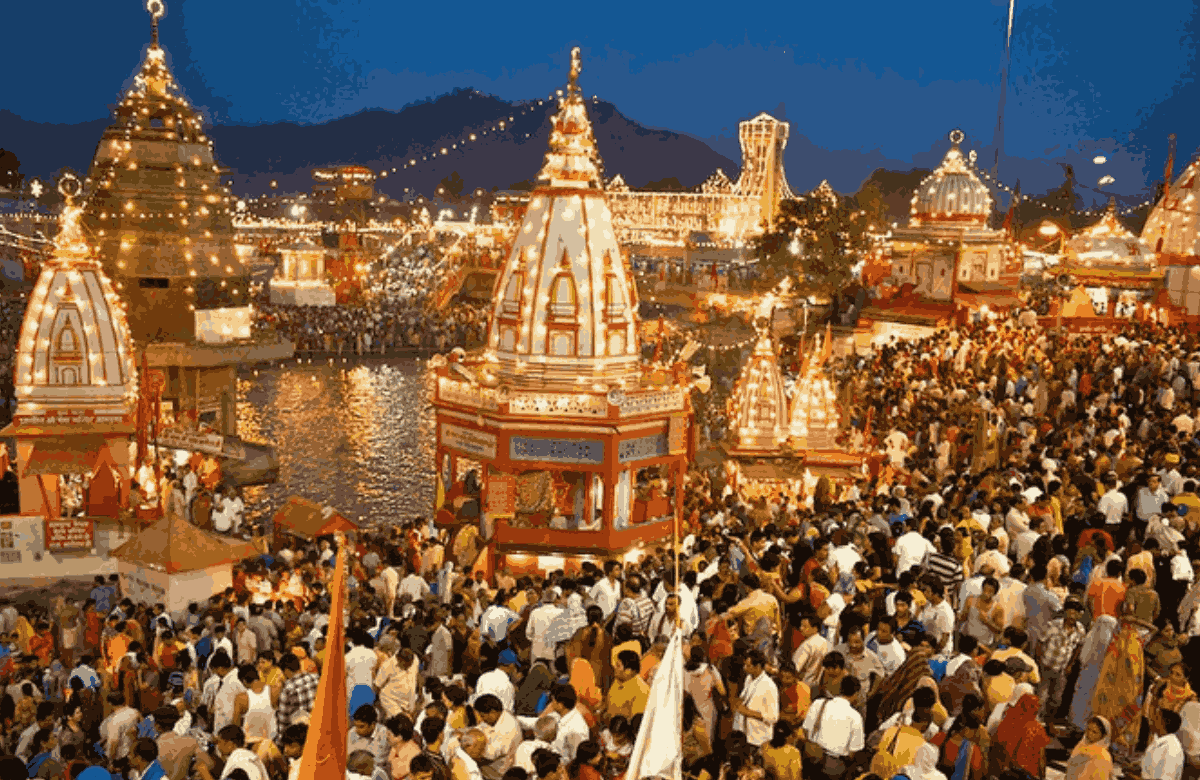
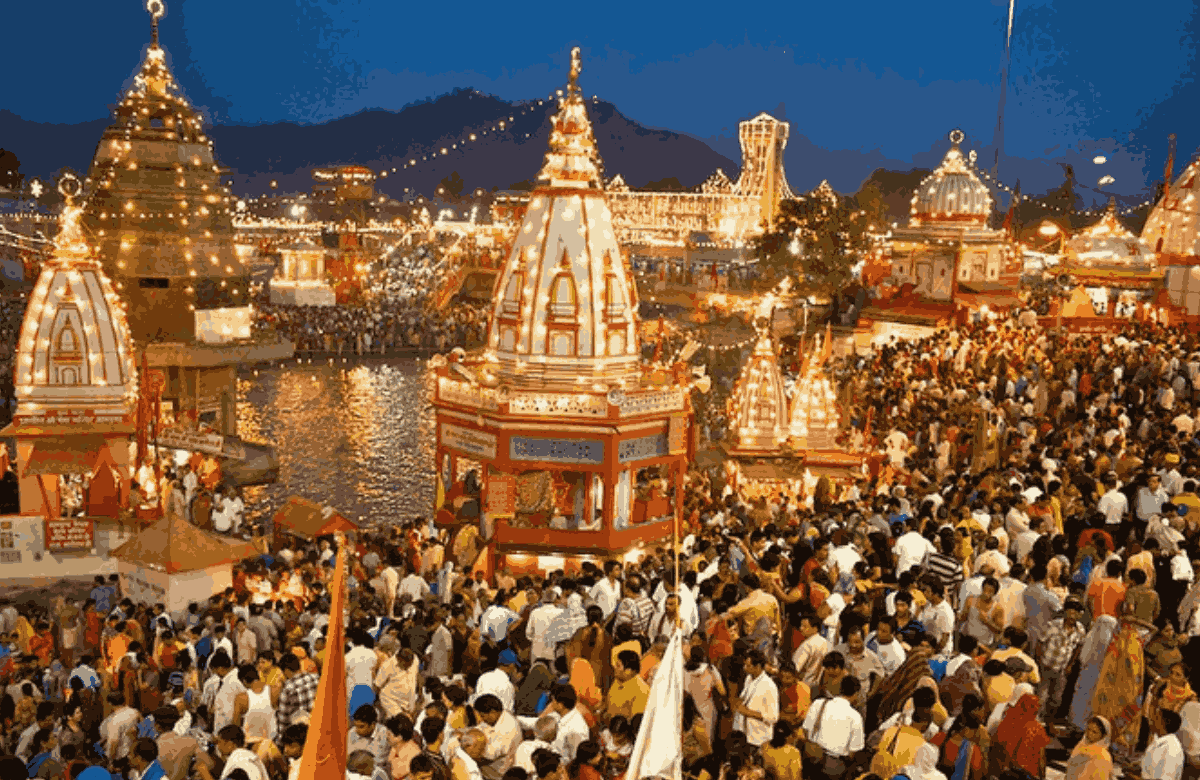
You hear the terms "Shahi Snan" and "Amrit Snan" in almost every Kumbh Mela news report. When you search for dates, however, you may find different names, multiple schedules and conflicting information. Which day is the actual Shahi Snan? Can ordinary pilgrims take a holy dip on these days? What are the rules at Har Ki Pauri? And when will the next Shahi Snan take place in Haridwar? This guide answers these questions and explains everything you need to know about Shahi Snan in Haridwar, including its meaning, religious significance, 2027 Ardh Kumbh dates, bathing rules, ghat restrictions and travel-planning tips. The Haridwar Ardh Kumbh Mela is scheduled to run from 14 January to 20 April 2027, according to the dates listed in the source material. Three major Shahi Snan or Amrit Snan dates are identified: 6 March, 8 March and 14 April 2027.
If you are planning to visit Haridwar during this important religious event, read the complete guide before booking your journey.
1. What Is Shahi Snan? Meaning of the Royal Bath
Shahi Snan is the ceremonial bathing day of the Kumbh Mela. The word "Shahi" means royal, while "Snan" means bathing. The ceremony is considered one of the most important events of the Kumbh. During Shahi Snan, the akharas enter the river first in a grand procession. These religious orders of ascetics arrive with banners, music, elephants and horses. Some sadhus are lightly clothed or covered in sacred ash. According to Wikipedia, there are thirteen akharas participating in the Kumbh tradition. They perform their ceremonial bath before other pilgrims are allowed to bathe. The ceremony is also referred to as Rajyogi Snan in some accounts.
Devotees believe that taking a holy dip in the Ganga on these auspicious days cleanses sins and helps them move towards moksha, or spiritual liberation.
Shahi Snan vs Amrit Snan: Is There a Difference?
Shahi Snan and Amrit Snan refer to the same ceremonial bathing tradition. One guide states that "Amrit Snan" is the name now used for what many reports still call Shahi Snan. You may see both terms in news reports, official schedules and travel websites. For this reason, this article uses both names so that readers can easily identify the ceremony when searching for information.
Who Are the Akharas?
Akharas are organised groups of Hindu ascetics and religious practitioners who participate in major religious gatherings such as the Kumbh Mela. According to Wikipedia, there were thirteen established akharas by the 18th century. They are traditionally grouped as follows:
| Tradition | Number of akharas |
|---|---|
| Shaivite | 7 |
| Vaishnavite | 3 |
| Udasi | 2 |
| Nirmala | 1 |
| Total | 13 |
The Juna Akhara is described as the largest. Some guides also count a fourteenth group, the Kinnar Akhara, which participates under Juna.
A Short History of the Royal Bath
According to Wikipedia, the akharas managed Kumbh Melas before the period of East India Company rule. They handled arrangements related to logistics, policing and disputes. Later, Company officials began organising camps and establishing a bathing order for the different akharas. The bathing order sometimes led to violent clashes. Historical accounts mention conflicts at Haridwar in 1760 and 1796.
Over time, the ceremonial bathing procession became one of the most recognised features of the Kumbh Mela.
2. Haridwar Shahi Snan 2027 Dates
The 2027 Haridwar Kumbh is an Ardh Kumbh, also known as the half Kumbh. According to the source material, Uttarakhand Chief Minister Pushkar Singh Dhami has said that the Mela will continue for four months and will be celebrated on a grand scale, similar to a Purna Kumbh. He has also stated that, for the first time at an Ardh Kumbh, the akharas will perform the Shahi Snan.
Haridwar Kumbh Mela 2027 Shahi Snan Date List
The following three dates are identified as the main Shahi Snan or Amrit Snan dates in the source material.
| Date in 2027 | Religious occasion | Status |
|---|---|---|
| 6 March | Maha Shivratri | Shahi / Amrit Snan |
| 8 March | Phalguna (Somvati) Amavasya | Shahi / Amrit Snan |
| 14 April | Mesha Sankranti (Baisakhi) | Shahi / Amrit Snan; described as the largest |
Other Bathing Dates at the 2027 Ardh Kumbh
Apart from the three major Shahi Snan dates, the source material lists seven other important bathing occasions.
| Date in 2027 | Religious occasion |
|---|---|
| 14 January | Makar Sankranti (opening snan) |
| 6 February | Mauni Amavasya |
| 11 February | Vasant Panchami |
| 20 February | Magh Purnima |
| 7 April | Nav Samvatsara (Hindu New Year) |
| 15 April | Ram Navami |
| 20 April | Chaitra Purnima (closing snan) |
According to the source material, the Ardh Kumbh bathing schedule contains 10 dates in total.
Is 20 April 2027 a Fourth Shahi Snan?
There are differences between reports.
Some early reports and one travel website refer to 20 April as an Amrit Snan. However, another guide quoting the Mela schedule lists only three main Shahi Snan dates. For planning purposes, this article identifies 6 March, 8 March and 14 April 2027 as the three main Shahi Snan dates. Check official announcements for any changes or additional designation of the closing bathing day.
Are the 2027 Shahi Snan Dates Final?
The dates listed in the source material come from discussions between the Uttarakhand government and the Akhara Parishad. One article noted that a formal government notification had not been published at the time of reporting. Therefore, treat the schedule as reported information rather than an unchangeable final programme. Confirm the dates with the Mela administration before booking hotels, transport or tour packages.
3. Ardh Kumbh in Haridwar: Dates, Cycle and Why 2027?
The Kumbh Mela is one of the largest religious gatherings in the world. It takes place at four major locations in India: Haridwar, Prayagraj, Nashik and Ujjain. A Purna Kumbh, or full Kumbh, generally takes place every 12 years at each location. An Ardh Kumbh, or half Kumbh, is traditionally held approximately every six years, alternating between Prayagraj and Haridwar, according to Wikipedia. Haridwar's previous Kumbh was the 2021 Purna Kumbh. The next major gathering listed for Haridwar is the 2027 Ardh Kumbh.
According to Hindu astrological tradition, Haridwar hosts the Kumbh when Jupiter is in Aquarius and the Sun enters Aries.
Ardh Kumbh 2027 Haridwar: Important Details
| Detail | Information |
|---|---|
| Event | Haridwar Ardh Kumbh Mela |
| Year | 2027 |
| Starting date listed | 14 January 2027 |
| Closing date listed | 20 April 2027 |
| Main Shahi Snan dates | 6 March, 8 March and 14 April |
| Location | Haridwar, Uttarakhand |
| Main river | Ganga |
4. Haridwar Shahi Snan 2025 and 2026: What About These Years?
Many people search for "Haridwar Shahi Snan 2025", "Haridwar Shahi Snan 2026" and "Kumbh in Haridwar 2026". The sources consulted for this article list no Kumbh Shahi Snan at Haridwar in either 2025 or 2026.
Here is the distinction:
Haridwar Shahi Snan 2025
The 2025 Maha Kumbh was held at Prayagraj, from 13 January to 26 February 2025, according to the source material.
It was not held at Haridwar.
Haridwar Shahi Snan 2026
The sources consulted do not list a Kumbh Shahi Snan at Haridwar in 2026. Regular religious bathing and festival dips continue to take place in the Ganga, but these should not be confused with the ceremonial royal bath of the Kumbh.
Haridwar Shahi Snan 2027
The next major event listed for Haridwar is the Ardh Kumbh Mela 2027. Visitors planning to attend should keep the three main reported dates in mind and check for official updates before travelling.
5. Shahi Snan Haridwar Rules: What to Know Before You Go
Shahi Snan days attract large numbers of pilgrims, sadhus and visitors. Because of the crowds, the Mela administration and local authorities may introduce special arrangements for bathing, traffic, entry and public safety.
The following rules are general guidance based on the source material. Actual instructions may change during the event.
Rules at the Ghat
Follow these precautions while visiting Haridwar's bathing ghats:
Bathe only in designated areas: Use the ghats opened by the administration for public bathing.
Hold the safety chains: Use the chains and railings provided near the water.
Follow official instructions: Listen to the Mela staff, police and other authorities.
Avoid soap and shampoo: Do not use soap, shampoo or detergents in the Ganga.
Avoid plastic bags: Keep the river and ghats clean.
Use verified prasad points: Take prasad from trusted or officially identified distribution points.
Respect sadhus: Ask for permission before photographing religious practitioners.
Remove footwear where required: Follow the local footwear rules near Har Ki Pauri and other religious areas.
Where Do Pilgrims Bathe on Shahi Snan Days?
Har Ki Pauri is the most famous bathing ghat in Haridwar. During Amrit Snan days, Har Ki Pauri is generally reserved for the akharas while they perform their ceremonial bath. Ordinary pilgrims are expected to use other designated ghats and bathe after the processions. The exact ghats available to the public will be decided by the Mela administration.
Do not assume that every ghat will remain open throughout the day. Ask local authorities about the latest arrangements when you arrive.
Traffic, Entry and Registration Rules
Traffic and entry arrangements can be especially strict on major Shahi Snan dates.
| Important point | What visitors should know |
|---|---|
| Traffic | Major bathing days have strict vehicle restrictions. |
| Vehicle access | Vehicles may be stopped some distance from the ghats. |
| Walking | Visitors should be prepared to walk from designated drop-off points. |
| Parking | Parking facilities and arrangements may be planned at city entry points. |
| Shuttle services | Transport arrangements may be introduced depending on crowd conditions. |
| Registration | Published sources disagree about whether digital registration or e-passes are mandatory. |
| Har Ki Pauri access | Access is controlled by the Mela administration, especially during the akhara bathing procession. |
Important registration note: One website says digital registration and e-passes are mandatory. Another source notes that no registration had been announced as of early October 2026. Check the official Mela portal and district administration for the current requirement.
Avoid anyone offering guaranteed access to Har Ki Pauri during the Amrit Snan procession. Access is controlled by the authorities.
What Should You Carry for Shahi Snan?
Pack light and carry only the essentials.
Government-issued photo ID for every traveller.
A light change of clothes.
A towel and a small waterproof or dry bag.
Drinking water.
Any essential medicines.
An emergency contact number outside your travelling group.
Leave valuable jewellery and heavy bags at your hotel. If you are travelling with family or a group, decide on a meeting point before entering the crowded ghat area.
6. Which Shahi Snan Date Should You Choose?
The best date depends on whether your priority is watching the ceremonial procession, taking a peaceful holy dip or travelling with elderly family members.
If You Want to Watch the Akhara Procession
Choose one of the main Amrit Snan dates:
6 March 2027 – Maha Shivratri
8 March 2027 – Phalguna Amavasya
14 April 2027 – Mesha Sankranti
These dates are expected to attract large crowds and tighter access restrictions.
If You Prefer a Comparatively Calmer Holy Dip
One guide suggests the following dates for visitors who prefer a less demanding experience:
11 February – Vasant Panchami
20 February – Magh Purnima
7 April – Nav Samvatsara
15 April – Ram Navami
These are bathing dates listed in the source material, not guaranteed crowd-free days.
If You Want to Avoid the Biggest Crowds
One guide recommends considering late January or early February, before Mauni Amavasya on 6 February.
If You Are Travelling With Elderly People or Children
Avoid the busiest bathing days unless watching the procession is your main purpose. Large crowds, long walking distances, traffic restrictions and limited access can make the visit challenging. Choose a less crowded bathing date and check the arrangements with the Mela administration.
7. Plan and Book Your Haridwar Kumbh Trip
Haridwar receives a large number of visitors during the Kumbh Mela. Hotels and dharamshalas near the ghats can fill up months before the main bathing dates, according to one guide.
Planning your stay and transport early can make your visit easier.
Important Booking Tips
Choose your bathing date first: Decide whether you want to attend an Amrit Snan or another bathing occasion.
Select accommodation accordingly: Choose a hotel or dharamshala based on your date and travel requirements.
Check the walking distance: Ask how far the accommodation is from the nearest ghat that will remain open to the public and from the vehicle drop-off point on bathing days.
Get booking terms in writing: Ask for a written quotation, invoice and cancellation policy before making payment.
Keep an extra night: Leaving Haridwar immediately after a major bathing event may be slow because of crowds and traffic restrictions.
Consider a travel package: A package combining accommodation, transport and a planned schedule may make travel easier.
Travel package information: [ADD YOUR PACKAGE DETAILS, PRICE AND CONTACT HERE.]
Why Should You Book Early?
The main Shahi Snan dates are likely to attract high demand for accommodation and transport.
Early planning can help you:
Choose accommodation based on your preferred bathing date.
Avoid last-minute booking difficulties.
Understand parking and vehicle restrictions.
Plan walking routes to the designated ghats.
Keep extra time for traffic and crowd management.
Always verify the accommodation provider and booking terms before paying.
Final Thoughts: Plan Your Haridwar Shahi Snan Visit Carefully
Shahi Snan is one of the most important ceremonies of the Kumbh Mela. It represents faith, discipline and centuries-old religious traditions. Watching the akharas enter the Ganga in a grand procession is a major part of the Kumbh experience. For the 2027 Haridwar Ardh Kumbh, the three main Shahi Snan dates listed in this guide are 6 March, 8 March and 14 April 2027. The wider bathing schedule runs from 14 January to 20 April 2027, according to the source material. Before planning your visit, choose your preferred bathing date, confirm the latest schedule and registration requirements, and understand the traffic and ghat restrictions.
If you are travelling with family, elderly people or children, consider a less crowded bathing date and allow extra time for walking and transport.