

- Uttarakhand Tours
- @nagarjuna_travels
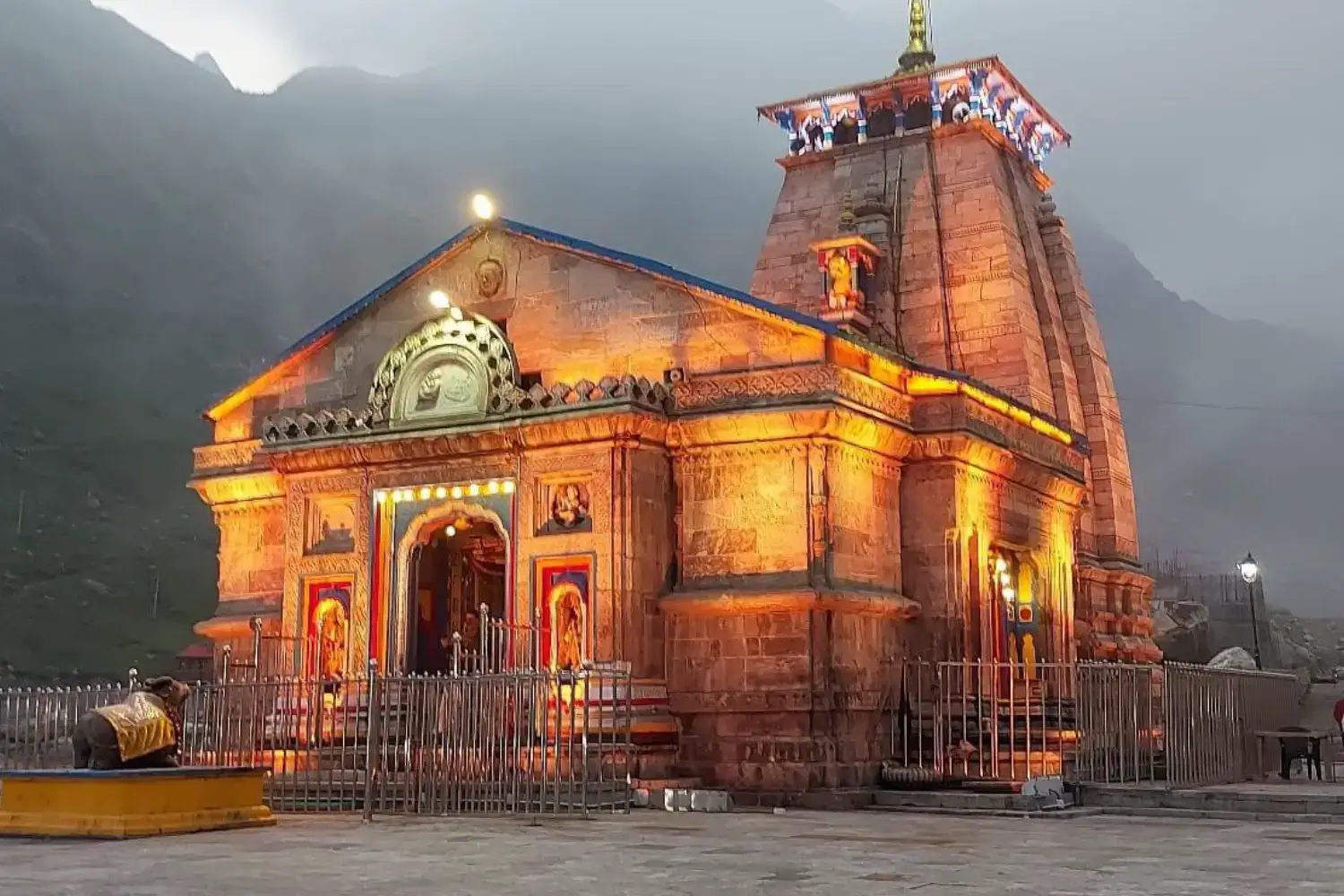
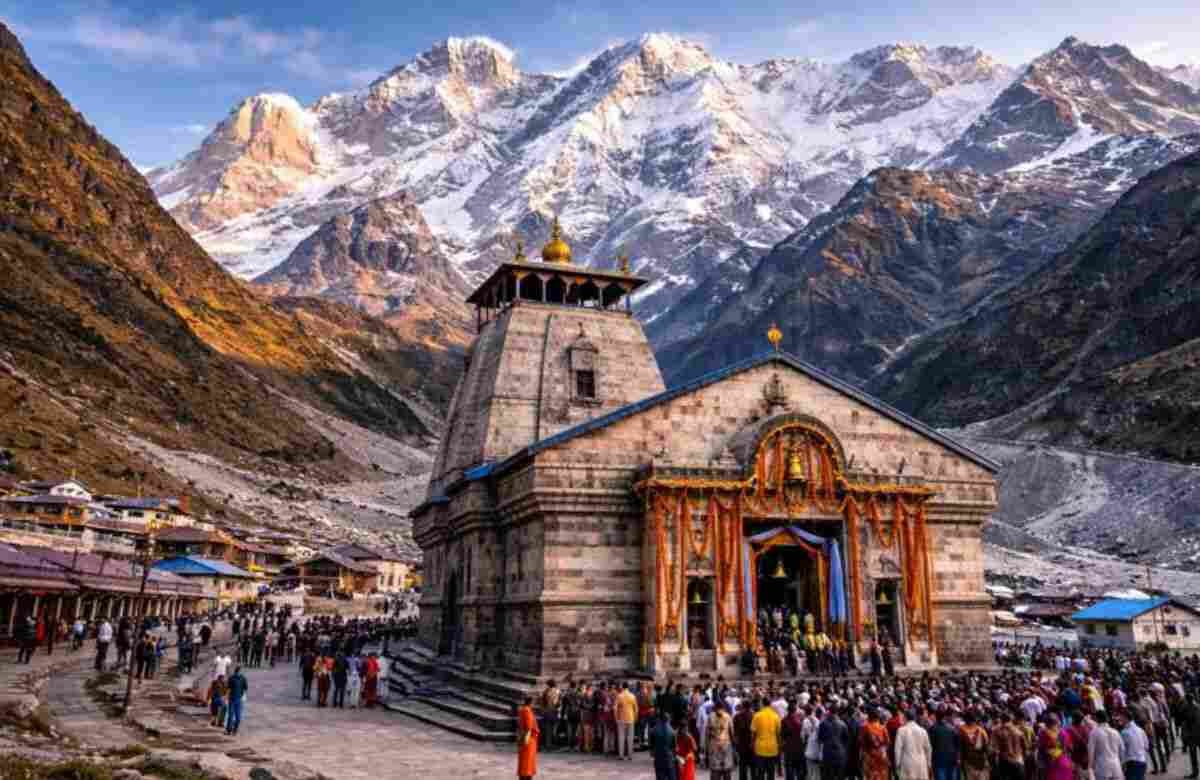
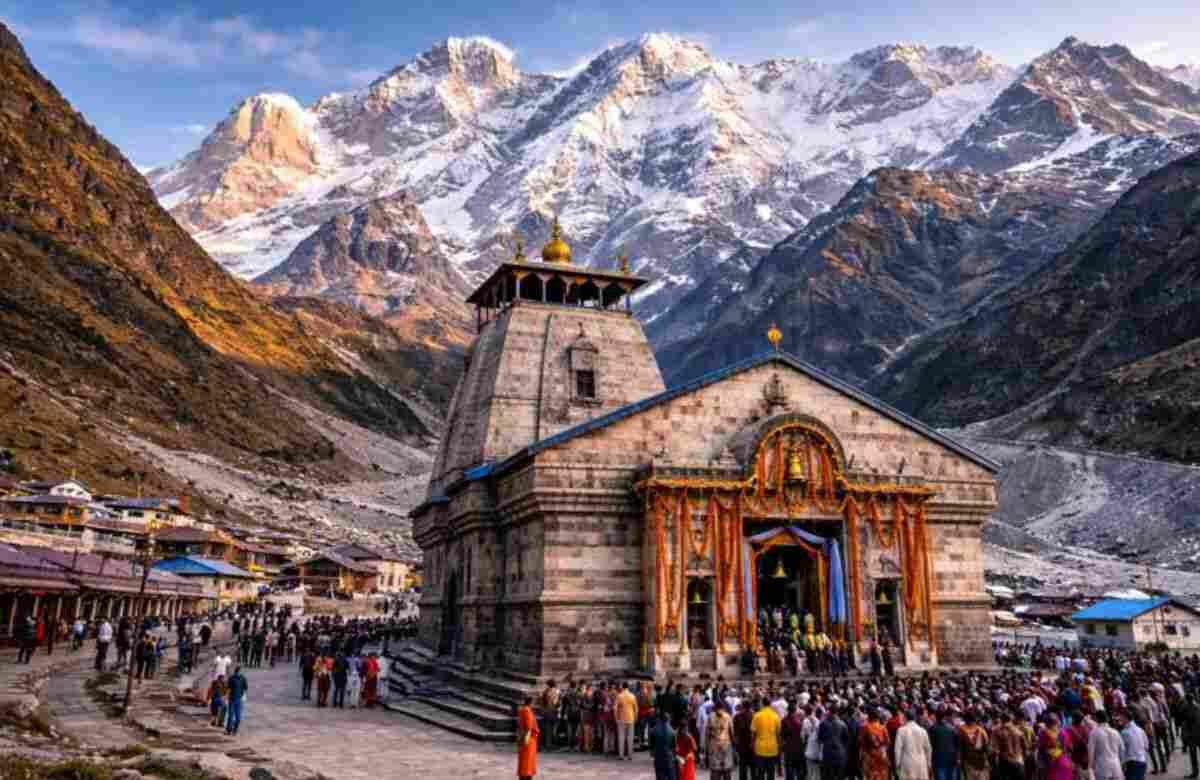
The Kedarnath trek is one of the most sacred and rewarding pilgrimages in India, leading devotees and trekkers to the revered Kedarnath Temple, nestled high in the Garhwal Himalayas of Uttarakhand. Apart from its deep spiritual significance, the trek is also known for its scenic beauty, challenging terrain, and high-altitude environment. Understanding the Kedarnath trek distance and Kedarnath trek difficulty is essential for proper preparation and a safe, fulfilling journey.
Kedarnath Trek Distance – How Long Is the Trek?
The Kedarnath trek distance is approximately 16 kilometers one way, starting from Gaurikund, the last motorable point. Pilgrims must cover a total of 32 kilometers (to and fro) on foot unless they opt for helicopter services for one side. The trail gradually ascends through forests, river crossings, and mountain paths, following the Mandakini River for a large part of the route. On average, it takes 6 to 8 hours to complete the uphill trek to Kedarnath, depending on weather conditions, crowd levels, and individual fitness.
Kedarnath Trek Route Overview
The trek begins at Gaurikund and passes through important halting points such as Jungle Chatti, Bheem Bali, Linchauli, and Kedarnath Base Camp. The entire route is well-marked and maintained by local authorities, especially during the yatra season. While the path is wide and stone-paved in many sections, certain stretches involve steep climbs and exposed mountain terrain.
Kedarnath Trek Difficulty – Easy, Moderate, or Difficult?
The Kedarnath trek difficulty is generally categorized as moderate, making it accessible to a wide range of pilgrims, including first-time trekkers. However, this classification does not mean the trek should be taken lightly. The continuous ascent, high altitude, and unpredictable weather can make the journey physically demanding.
For elderly pilgrims or those with limited physical fitness, the trek may feel moderate to challenging, especially in the final stretch before Kedarnath, where oxygen levels drop and fatigue sets in.

Factors Affecting Kedarnath Trek Difficulty
Several factors influence the overall difficulty of the Kedarnath trek. The high altitude of around 11,755 feet at Kedarnath can cause breathlessness and altitude discomfort for some trekkers. Weather conditions in the Himalayas change rapidly, and sudden rain, cold winds, or snowfall can increase difficulty.
Crowds during peak yatra season can slow down progress, while early morning or late afternoon trekking may expose pilgrims to colder temperatures. Carrying heavy luggage also adds to physical strain.
Trekking Options for Kedarnath
Pilgrims who find the trek difficult can opt for pony, palki, or helicopter services, which are available from Gaurikund and nearby helipads. Helicopter services significantly reduce travel time and physical effort but require advance booking, especially during peak season.
Best Time to Attempt the Kedarnath Trek
The Kedarnath trek is open from April/May to October/November, depending on weather and temple opening dates. The best time to trek is May–June and September–October, when weather conditions are relatively stable and the route remains clear. The monsoon months of July and August increase trek difficulty due to slippery paths and potential landslides.
Fitness Preparation for Kedarnath Trek
Basic fitness preparation greatly reduces the perceived difficulty of the Kedarnath trek. Regular walking, light jogging, breathing exercises, and leg strengthening exercises are highly recommended at least a few weeks before the journey. Acclimatizing properly at lower altitudes also helps in managing the trek comfortably.
Important Safety Tips
Proper clothing, sturdy trekking shoes, rain protection, and warm layers are essential. Pilgrims should stay hydrated, take frequent breaks, and avoid rushing. Following the guidelines issued by the Uttarakhand administration and avoiding night trekking ensures a safer experience.
Conclusion
The Kedarnath trek distance of 16 km combined with a moderate difficulty level makes this pilgrimage both spiritually uplifting and physically rewarding. With proper planning, fitness preparation, and respect for mountain conditions, the Kedarnath trek becomes a memorable journey of faith, endurance, and natural beauty. Understanding the trek distance and difficulty in advance allows pilgrims to undertake this sacred Himalayan path with confidence and peace of mind.