

- Tibet Travel
- @nagarjuna_travels
Every year, thousands of Indian pilgrims dream of standing before Mount Kailash — the holiest peak in the Himalayas and the earthly abode of Lord Shiva. Yet one question stops most of them before they even start planning: do we need a visa for Kailash Mansarovar, and if so, how do we get it? The answer is yes — and the process involves more than one permit. Understanding exactly what Kailash visa documents Indian citizens need, which route they are taking, and what the current 2026 status is for the yatra can mean the difference between a successful pilgrimage and a wasted booking. This guide gives you every answer, clearly and completely.
Is Visa Required for Kailash Mansarovar Yatra?
This is the most common question asked by Indian pilgrims, and the answer is straightforward: yes, a visa is absolutely required for Kailash Mansarovar Yatra. Mount Kailash and Mansarovar Lake are located in Tibet, which is currently governed by the People's Republic of China. This means that any Indian pilgrim travelling to Mount Kailash — regardless of which route they take — is entering Chinese-administered territory. A Kailash visa in the form of a Chinese Group Tourist Visa, along with a Tibet Travel Permit (TTP), is therefore mandatory for every pilgrim. There is no way to enter Tibet and reach Mount Kailash without these documents. Attempting to do so will result in denial of entry at the border.
What Is the Kailash Visa? Understanding the Permits Required
The term Kailash visa actually refers to a combination of two separate permits that every Indian pilgrim must hold before entering Tibet. Neither permit alone is sufficient — both are required together.
1. Chinese Group Tourist Visa
The primary Kailash visa for Indians is a Chinese Group Tourist Visa — not an individual tourist visa. China does not issue individual tourist visas for Tibet. All pilgrims must travel as part of an organised group, and the visa is issued for the group collectively through an authorised travel operator. This is a critical point that many first-time pilgrims overlook. You cannot walk into a Chinese embassy, apply individually, and receive a visa for Tibet.
- The visa is issued for the group, not for each individual separately
- It must be applied for through a Chinese-authorised tour operator or the Indian government's MEA Kailash Mansarovar Yatra programme
- The visa allows entry into China (Tibet) for the duration of the yatra — it is not a general China tourist visa
- Individual applications to the Chinese Embassy in India for Tibet travel are typically rejected
2. Tibet Travel Permit (TTP)
In addition to the Chinese Group Visa, every pilgrim must also hold a Tibet Travel Permit. This is a separate document issued by the Tibet Tourism Bureau that specifically authorises entry into the Tibet Autonomous Region. Without the TTP, even a valid Chinese visa does not grant access to Tibet.
- The TTP is arranged by your authorised tour operator — pilgrims do not apply for it independently
- It is issued in China (usually Lhasa or Kathmandu for the Nepal route) and cannot be obtained from India
- The permit lists the specific areas within Tibet that the pilgrim is authorised to visit
- Additional area permits may be required for certain parts of the Kailash Mansarovar region
Kailash Visa for Indians: The Two Main Routes and How They Differ
The route you choose for the Kailash Mansarovar Yatra determines how your visa for kailash mansarovar is processed and who arranges it. There are two primary routes used by Indian pilgrims.
| Factor | India Route (MEA Programme) | Nepal Route (via Kathmandu) |
| Visa Type | Chinese Group Visa + TTP (via MEA) | Chinese Group Visa + TTP (via operator) |
| Organizer | MEA (Govt. of India) | Private tour operator |
| Application | MEA portal (lottery system) | Direct booking via operator |
| Processing Time | 4–6 months | 4–6 weeks |
| Cost | Lower (government-supported) | Higher, flexible |
| Group Size | Fixed batches | Small groups (10–20) |
| Fitness Requirement | Mandatory medical test | Recommended |

Route 1: The MEA Kailash Mansarovar Yatra Programme
The Indian government's Ministry of External Affairs (MEA) organises an annual Kailash Mansarovar Yatra for Indian citizens. Under this programme, the MEA handles all aspects of the kailash mansarovar visa for indian citizens — including the Chinese Group Visa and Tibet Travel Permit — in coordination with the Chinese government. Pilgrims apply through the MEA's official portal, go through a selection process, and are assigned to batches that travel via one of two land routes: the Lipulekh Pass (Uttarakhand) or the Nathu La Pass (Sikkim). This is the most affordable route, but it is also the most competitive. Batch sizes are limited, and selection is based on a combination of lottery and eligibility criteria including age, health, and priority for first-time applicants.
Route 2: The Nepal Route via Kathmandu
The Nepal route is the most commonly used path for pilgrims who want greater scheduling flexibility or who have not been selected in the MEA programme. Pilgrims fly to Kathmandu, where an authorised tour operator arranges the complete mount kailash visa package — including the Chinese Group Tourist Visa and the Tibet Travel Permit — before the group crosses into Tibet via the Gyirong border crossing. This route is faster to arrange, more comfortable in terms of infrastructure, and allows more personal flexibility in terms of travel dates. However, it is significantly more expensive than the MEA-organised programme.
How to Apply for the Kailash Visa: Step-by-Step
The process for obtaining the visa for kailash mansarovar differs depending on which route you are taking. Below is the step-by-step process for both routes.
Via the MEA Programme (India Route)
- Step 1: Visit the official MEA Kailash Mansarovar Yatra portal (kmy.gov.in) when registrations open — typically between January and March each year
- Step 2: Complete the online application form with personal details, passport information, and health declaration
- Step 3: Undergo the mandatory medical fitness test at a government-designated medical centre — this is non-negotiable
- Step 4: Wait for batch allotment — the MEA conducts a selection process based on eligibility criteria; successful applicants are notified by email
- Step 5: Once selected, submit your original passport and required documents to the MEA; the Chinese Group Visa and Tibet Travel Permit are arranged by the MEA on your behalf
- Step 6: Attend the pre-yatra briefing organised by the MEA before your departure date
- Step 7: Travel with your assigned batch — all border formalities are handled by the MEA liaison officers
Via the Nepal Route (Private Operator)
- Step 1: Choose a reputable, China-authorised tour operator in India or Nepal with a proven track record for the Kailash Mansarovar Yatra
- Step 2: Confirm your travel dates and complete the operator's booking form; pay the required deposit
- Step 3: Submit your passport (minimum 6 months validity from date of travel), passport-size photographs, and completed application forms to your operator
- Step 4: Your operator submits the group visa application to the Chinese Embassy on your behalf — individual applications are not accepted for Tibet
- Step 5: Once the Chinese Group Visa is stamped in your passport, travel to Kathmandu
- Step 6: In Kathmandu, your operator collects your passport to obtain the Tibet Travel Permit from the Tibet Tourism Bureau — this typically takes 3 to 5 working days
- Step 7: Once the TTP is issued, your group proceeds to the Gyirong border crossing and enters Tibet
Documents Required for Kailash Mansarovar Visa for Indian Citizens
Whether you are applying via the MEA route or through a private Nepal-based operator, the core documents required for the kailash mansarovar visa for indian citizens are largely the same. Have all of these ready well in advance.
Passport and Identity Documents
- Original Indian passport with a minimum of 6 months validity from your planned date of travel into Tibet
- At least 2 to 3 blank pages in your passport for visa stamps, the Tibet Travel Permit, and border entry/exit stamps
- Photocopies of the biographical data page of your passport — carry at least 5 copies
- Aadhar Card or Voter ID as a secondary identity document
Photographs
- Minimum 4 to 6 recent passport-size photographs (white background, 35mm x 45mm)
- Some operators and the MEA may request additional photographs — carry extras
Health and Medical Documents
- Medical fitness certificate from a registered doctor — confirming you are fit for high-altitude travel
- For the MEA route: fitness certificate from a government-designated medical centre is mandatory
- Blood group card or documentation
- Doctor's letter if you are on any regular medication
- Travel insurance policy covering high-altitude trekking and emergency medical evacuation — strongly recommended and required by some operators
Application Forms and Other Documents
- Completed Chinese Group Visa application form — provided and submitted by your authorised operator
- Tibet Travel Permit application form — completed and submitted by your operator in Kathmandu or Lhasa
- Confirmed air tickets to Kathmandu (for Nepal route) or confirmed itinerary for MEA route
- Hotel bookings or accommodation confirmation along the route
- Emergency contact details and next-of-kin information
Chinese Visa for Kailash Mansarovar 2026: What Is the Current Status?
This is the most sensitive and frequently updated aspect of planning the Kailash Mansarovar Yatra. The status of the chinese visa for kailash mansarovar 2026 is directly dependent on the diplomatic relationship between India and China at any given time.
The Diplomatic Context
The Kailash Mansarovar Yatra was suspended by China in 2020 following the COVID-19 pandemic and the subsequent India-China border tensions at Galwan Valley. As of the time of writing, both governments have been working toward resuming normal bilateral engagements, but the complete restoration of the MEA-organised Kailash Mansarovar Yatra had not been officially confirmed for 2026. The Nepal route, however, has been operating for private groups through authorised operators, subject to China's Tibet entry policies being open at the time of travel.
What This Means for 2026 Pilgrims
- Always verify the current status of the MEA Kailash Mansarovar Yatra directly on the official portal (kmy.gov.in) before making any bookings or payments
- For the Nepal route: confirm with your tour operator that Tibet is currently open to foreign groups and that Chinese Group Visas are being issued
- Do not pay full tour costs until visa issuance is confirmed — reputable operators will not ask for full payment without visa confirmation
- Keep a close eye on official announcements from the Ministry of External Affairs and the Chinese Embassy in India
- Book refundable flights and accommodation until your visa and Tibet Travel Permit are in hand
Kailash Visa Fees and Processing Time
Understanding the cost and timeline for the mount kailash visa package helps pilgrims plan their budget and booking schedule accurately.
Visa and Permit Fees
The Chinese Group Tourist Visa fee is charged per person and is collected by your authorised tour operator as part of the overall package. The Tibet Travel Permit fee is separate and is also included in most organised tour packages. Under the MEA programme, these costs are subsidised by the Indian government and are significantly lower than private arrangements. For the Nepal route, visa and permit fees are typically bundled into the overall tour package price. Always ask your operator to provide a clear, itemised breakdown of all visa, permit, and service charges before signing any agreement.
Processing Timeline
- MEA Programme: Applications typically open in January to March; batch departures are between May and September; total lead time from application to departure is 4 to 6 months
- Nepal Route (private operator): Minimum 4 to 6 weeks from submitting documents to having both the Chinese visa and Tibet Travel Permit in hand
- Do not attempt to rush the Tibet Travel Permit — it cannot be expedited and takes a fixed minimum of 3 to 5 working days in Kathmandu after the Chinese visa is issued
- Apply early — the Kailash Mansarovar season runs from May to September, and permit slots fill up quickly during peak months of June, July, and August
Common Reasons for Kailash Visa Rejection and How to Avoid Them
The visa for kailash mansarovar is not guaranteed. Understanding the most common reasons for rejection helps you prepare a complete and correct application.
- Passport with less than 6 months validity: This is the single most common cause of rejection — always renew your passport well before applying
- Applying individually without an authorised operator: China does not accept individual tourist visa applications for Tibet — all applications must go through a licensed operator
- Incomplete or incorrect application forms: All fields on the Chinese visa application must be filled accurately; any discrepancy between the form and your passport triggers rejection
- Missing photographs: Insufficient number or incorrect format of passport photos is a common administrative reason for delays and rejections
- No confirmed group itinerary: The visa application requires a confirmed group tour itinerary; applications without this documentation are routinely rejected
- Health issues disclosed in the medical certificate: Pilgrims with serious heart conditions, respiratory diseases, or uncontrolled hypertension may be denied on medical grounds — always get a thorough medical check before applying
- Previous China visa violations: Any history of overstay, border violations, or misuse of a prior Chinese visa will result in rejection
Spiritual Significance of the Journey That Requires This Visa
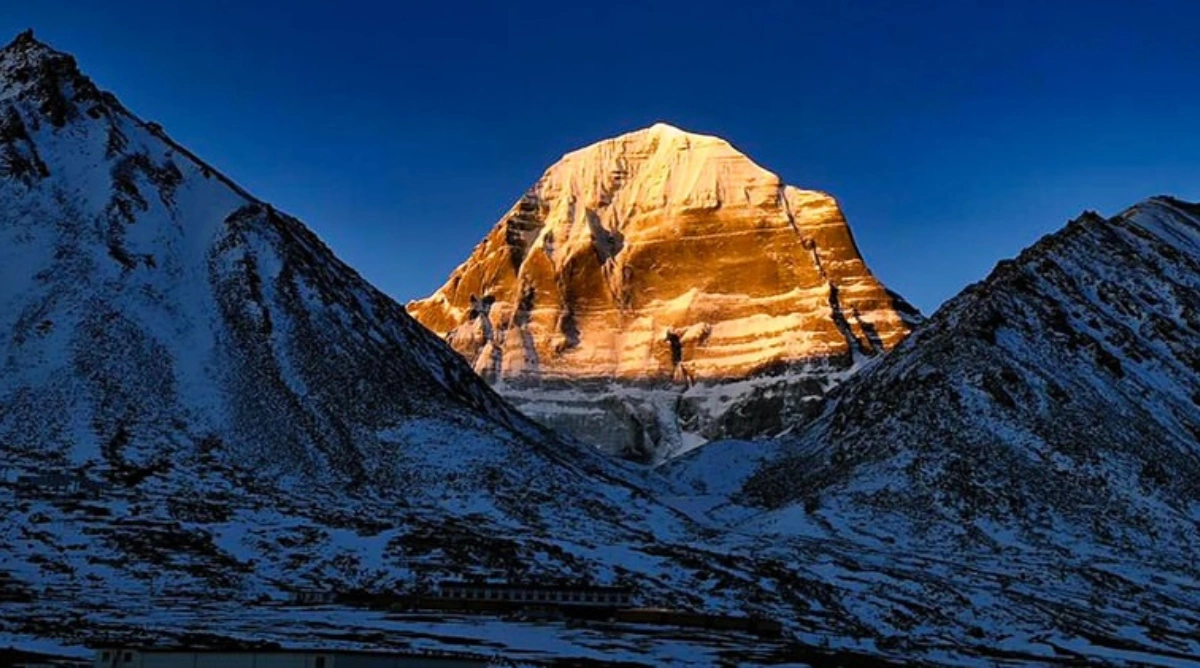
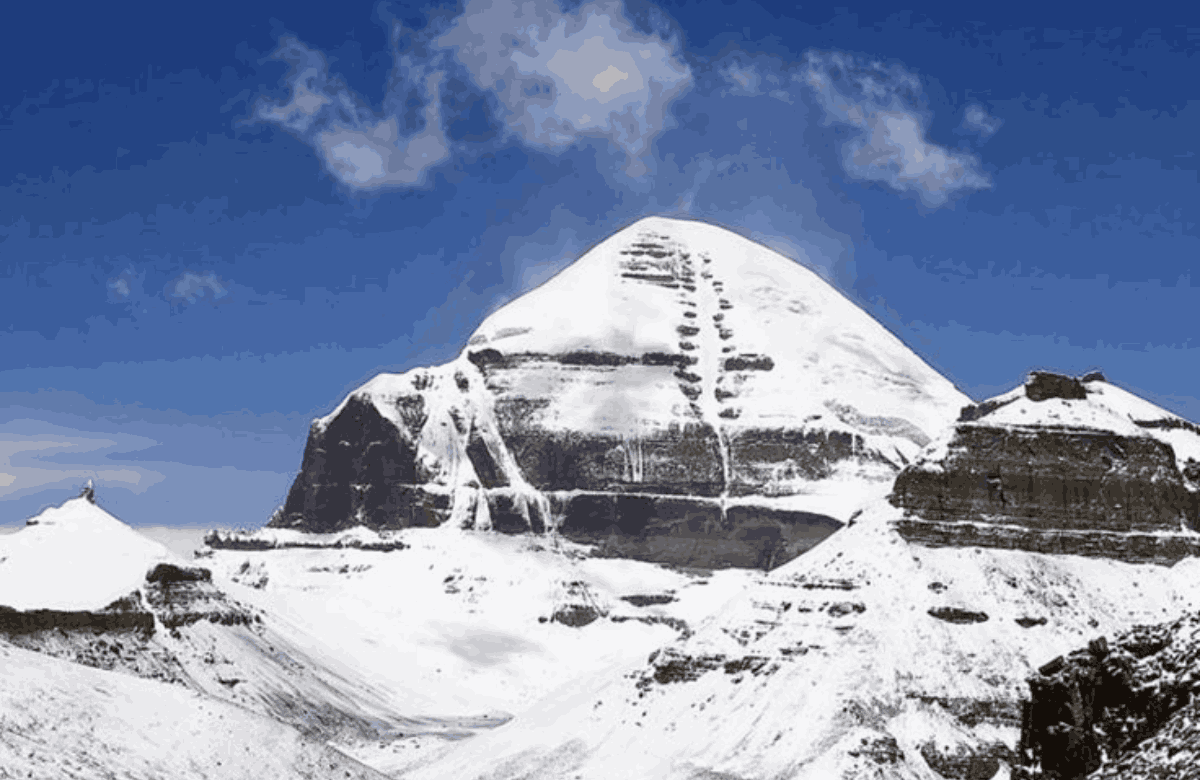
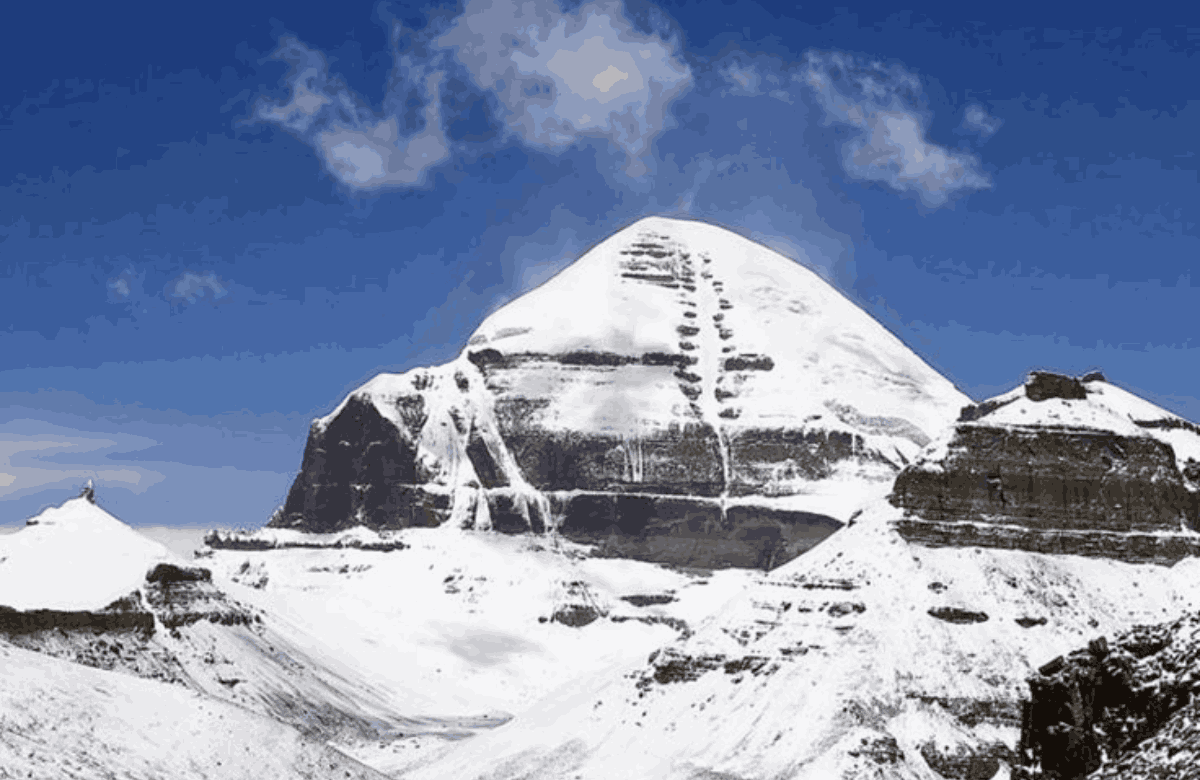
Understanding why so many pilgrims go through the complex process of obtaining a Kailash visa puts everything in perspective. Mount Kailash — at 6,638 metres — is considered the most sacred mountain on earth across four religions: Hinduism, Buddhism, Jainism, and Bon. For Hindus, Kailash is the permanent abode of Lord Shiva and Goddess Parvati. The parikrama (circumambulation) of Mount Kailash — a 52 km circuit at altitudes exceeding 5,000 metres — is considered one of the most powerful spiritual acts a devotee can perform. Mansarovar Lake, located at the base of the mountain at 4,590 metres, is believed to have been created in the mind of Lord Brahma, and a holy dip in its waters is said to wash away the sins of a hundred lifetimes. Every document, every permit, every step of the Kailash visa process is a small price to pay for a journey that millions of devotees consider the highest privilege of their lifetime.
Conclusion
The Kailash visa process can seem complicated at first glance — but once you understand the structure, it is entirely manageable. Every Indian pilgrim planning the Kailash Mansarovar Yatra needs a Chinese Group Tourist Visa and a Tibet Travel Permit. Both are arranged through authorised channels — either the MEA programme or a trusted private tour operator for the Nepal route. Start early. Gather your documents. Choose a reliable operator. And stay updated on the 2026 diplomatic and operational status of the yatra before committing financially. The paperwork is temporary. The experience of standing before Mount Kailash — the most sacred peak on earth — will last you a lifetime.