

- Uttarakhand Tours
- @Nagarjuna_Travels
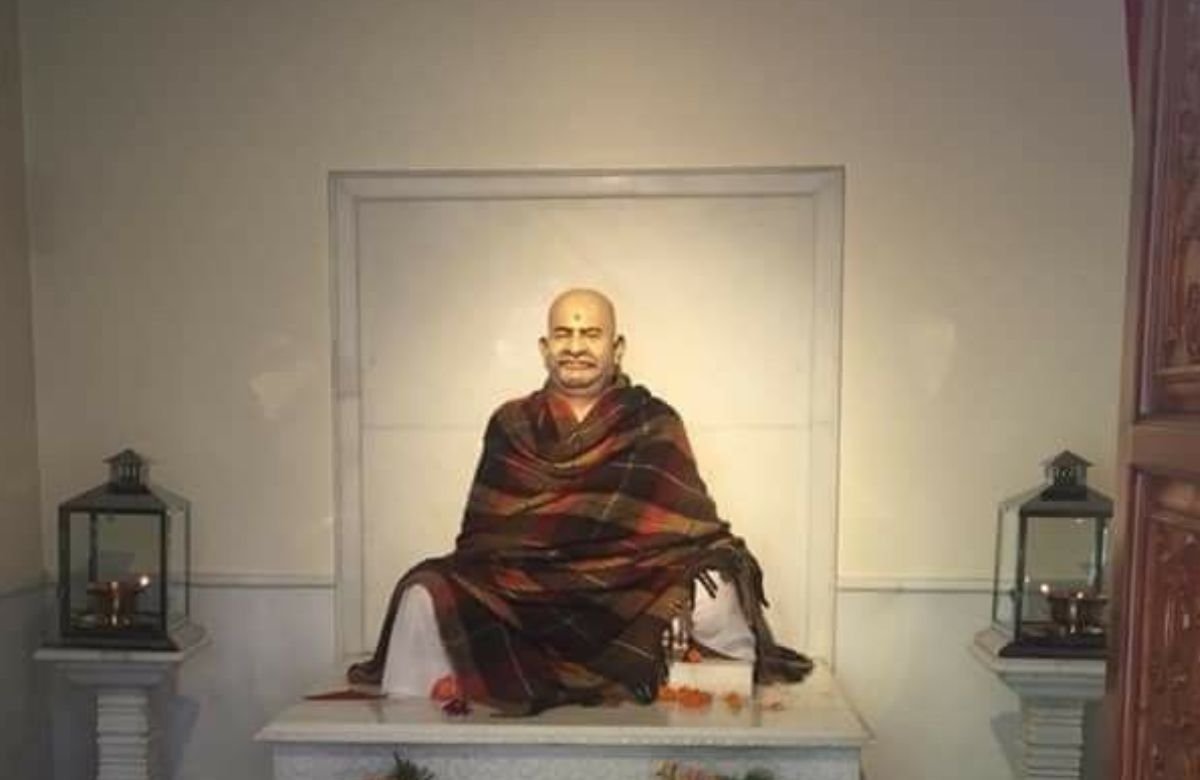
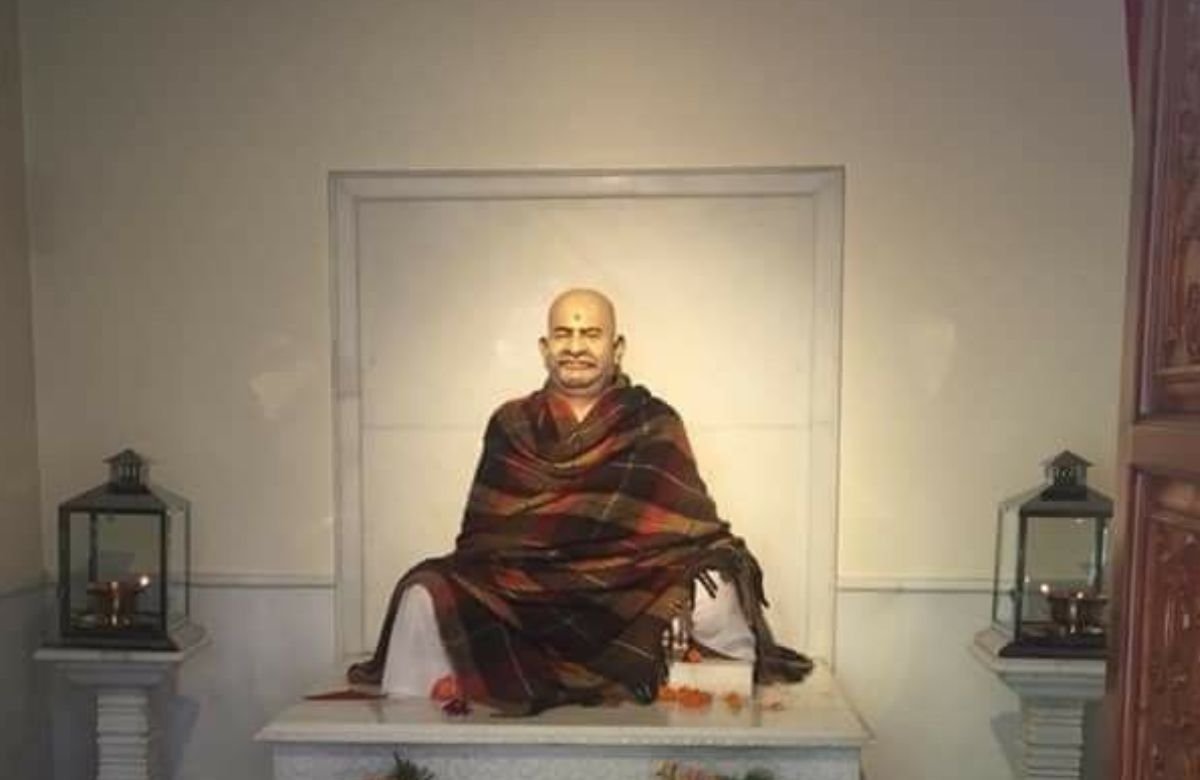
Neem Karoli Baba, affectionately known by devotees as Maharaj Ji, remains one of the most revered spiritual figures of modern India. Known for his teachings of love, compassion, selfless service and devotion, his influence extends far beyond the ashrams associated with his name. His simple yet profound spiritual approach continues to inspire devotees and seekers from India and across the world.
While Kainchi Dham in Uttarakhand is today the best-known centre associated with Neem Karoli Baba, understanding his birthplace, early life and spiritual beginnings provides a deeper perspective on the journey of the saint who later became known as Maharaj Ji.
Who Was Neem Karoli Baba?
Neem Karoli Baba was a Hindu spiritual teacher and devotee of Lord Hanuman. He became widely known for his simple way of life and his emphasis on bhakti, seva and unconditional love.
Rather than presenting spirituality as something separate from everyday life, Maharaj Ji encouraged people to serve others, remember God and live with compassion. His teachings were often expressed through simple conversations, stories and everyday acts rather than formal philosophical discourses.
Today, his legacy is closely connected with several ashrams and spiritual centres, particularly Kainchi Dham in the Kumaon region of Uttarakhand.
Neem Karoli Baba's Birthplace
Neem Karoli Baba was born as Lakshmi Narayan Sharma in the village of Akbarpur, in the Firozabad district of present-day Uttar Pradesh. He was born into a Brahmin family and grew up in a traditional Indian household.
The area associated with his birth and early years holds particular significance for devotees who wish to understand the beginning of his spiritual journey.
A visit to the birthplace region offers a different experience from visiting Kainchi Dham. While Kainchi Dham represents an important chapter of his established spiritual mission, the birthplace region connects visitors with the early chapter of his life.
For devotees, travelling to these places is not merely a sightseeing experience. It can be an opportunity to reflect on the life and teachings of a spiritual master whose influence eventually reached far beyond his native region.
Early Life of Neem Karoli Baba
Born into a traditional family, Neem Karoli Baba showed an inclination towards spirituality from an early age. His life, however, did not follow the conventional path of a religious teacher from the beginning.
Accounts of his life describe a period in which he entered family life and later embarked on a deeper spiritual journey. His life gradually became associated with wandering, meditation, devotion and service.
Many stories surrounding Maharaj Ji's early years have been passed down through devotees and disciples. Because some details come from oral traditions and later recollections, individual accounts can differ. Nevertheless, his early association with devotion to God and spiritual discipline forms an important part of the larger story of Neem Karoli Baba.
The Beginning of His Spiritual Journey
Neem Karoli Baba's spiritual journey developed through a combination of devotion, meditation, service and encounters with different spiritual traditions.
He became particularly associated with devotion to Lord Hanuman, and Hanuman worship remained an important element of his spiritual legacy.
His approach to spirituality was remarkably simple. Instead of focusing heavily on rituals or intellectual debate, his teachings centred on ideas such as:
- Love God
- Serve others
- Help those in need
- Remember God
- Practice compassion
- Live simply
- See the divine in others
These principles later became central to the spiritual culture of the ashrams established or inspired by him.
From Wandering Saint to Spiritual Guide
As Neem Karoli Baba travelled through different parts of North India, stories about his spiritual presence and extraordinary personality spread among devotees.
He spent time in different locations across Uttar Pradesh and Uttarakhand, and several places became connected with his spiritual life.
Among these, Kakrighat and Bhumiadhar hold an important place in the broader Neem Karoli Baba spiritual circuit. These Himalayan locations provide a glimpse into the environment in which Maharaj Ji's spiritual work developed.
Eventually, the Kumaon hills became particularly significant to his legacy.
Kainchi Dham – The Most Famous Chapter of His Legacy
Located near Nainital in Uttarakhand, Kainchi Dham became the most famous spiritual centre associated with Neem Karoli Baba.
The ashram was established in the 1960s and is dedicated to Neem Karoli Baba and Lord Hanuman. Today, it attracts thousands of devotees and spiritual seekers, particularly around the annual Kainchi Dham Bhandara.
The peaceful setting of the ashram, surrounded by the Kumaon hills, has contributed greatly to its reputation as a place of devotion and spiritual reflection.
For many visitors, Kainchi Dham is not simply a temple or tourist destination. It is a place where they come to pray, meditate, seek blessings and experience the atmosphere associated with Maharaj Ji.
Neem Karoli Baba's Teachings
One of the reasons Neem Karoli Baba continues to attract people from different backgrounds is the universal nature of his teachings.
His message did not depend on complex spiritual theories. Instead, he repeatedly emphasized love and service.
Love and Compassion
Maharaj Ji's teachings encouraged people to approach others with kindness and compassion. His spiritual philosophy placed love at the centre of human relationships.
Selfless Service
Seva, or selfless service, was another important element of his teachings. Helping others without expecting recognition was considered an expression of spiritual practice.
Devotion
His deep devotion to God, particularly Lord Hanuman, remains central to his spiritual legacy. Devotion was presented as a path that could be followed through sincere faith and remembrance.
Simplicity
Neem Karoli Baba's personal lifestyle was simple. His teachings encouraged people to focus less on material possessions and more on spiritual values and service.
Why Neem Karoli Baba's Birthplace Matters to Devotees
For visitors who know Neem Karoli Baba primarily through Kainchi Dham, visiting his birthplace provides another dimension to his story.
The journey from his birthplace region to Kakrighat, Bhumiadhar and Kainchi Dham can be viewed as a spiritual circuit tracing important chapters associated with his life.
It allows devotees to explore not just the famous ashram, but also the places connected with his early life, spiritual development and later mission.
This makes a Neem Karoli Baba pilgrimage particularly meaningful for those who want to learn about Maharaj Ji beyond the most famous stories surrounding Kainchi Dham.
Neem Karoli Baba's Global Influence
Although Neem Karoli Baba lived a relatively simple life, his influence eventually reached an international audience.
Several Western spiritual seekers and visitors travelled to India and came into contact with him or his teachings. Among the people associated with his wider legacy were Ram Dass, whose book Be Here Now helped introduce Maharaj Ji's teachings and the broader Indian spiritual tradition to a Western audience.
His message also influenced a wider community of devotees, social workers and spiritual seekers.
Today, people from different countries visit Kainchi Dham and other places associated with Neem Karoli Baba in search of spiritual inspiration.
Neem Karoli Baba's Spiritual Legacy Today
Neem Karoli Baba passed away in 1973, but his spiritual influence continues through devotees, temples, ashrams, charitable activities and the teachings preserved by those who knew him.
His legacy is particularly visible at Kainchi Dham, where devotees continue to gather for prayer and darshan.
For many followers, the essence of Maharaj Ji's teachings can be expressed through three simple ideas:
Love. Serve. Remember God.
These timeless principles continue to make his teachings relevant to people seeking a more compassionate and spiritually meaningful way of life.
Plan a Neem Karoli Baba Spiritual Journey
For devotees and spiritual travellers, exploring the Neem Karoli Baba birthplace, Kakrighat, Bhumiadhar and Kainchi Dham offers an opportunity to experience different chapters of his spiritual legacy.
Combining these sacred destinations with Nainital, Agra and Vrindavan can create a broader journey through the spiritual, cultural and historical heritage of North India.
A pilgrimage to the places associated with Neem Karoli Baba is ultimately more than a journey between destinations. It is an opportunity to slow down, reflect on the values of faith, love, service and compassion, and discover the spiritual heritage that continues to inspire people around the world.