


- Adi Kailash Blogs
- Devesh Tiwari
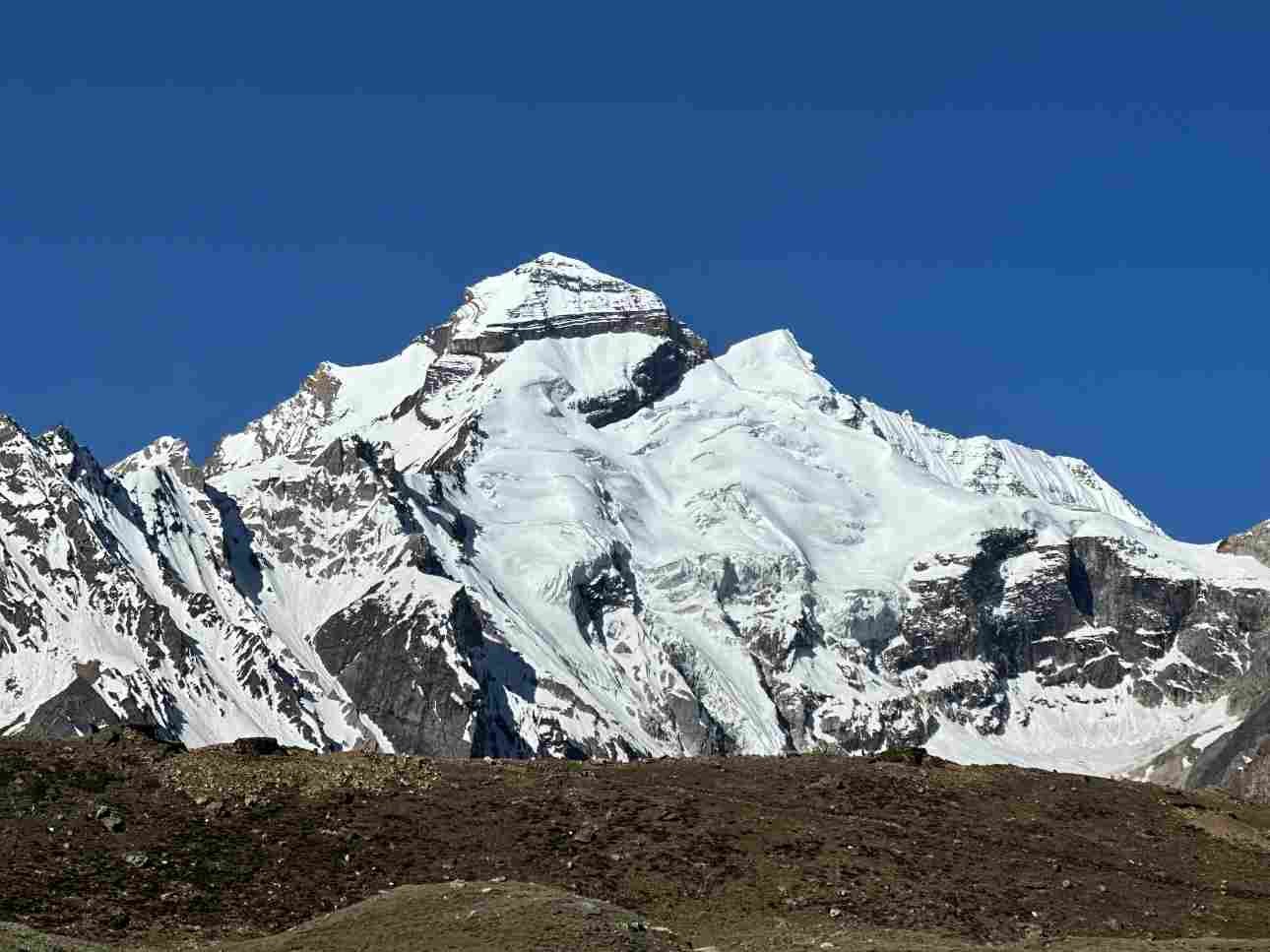
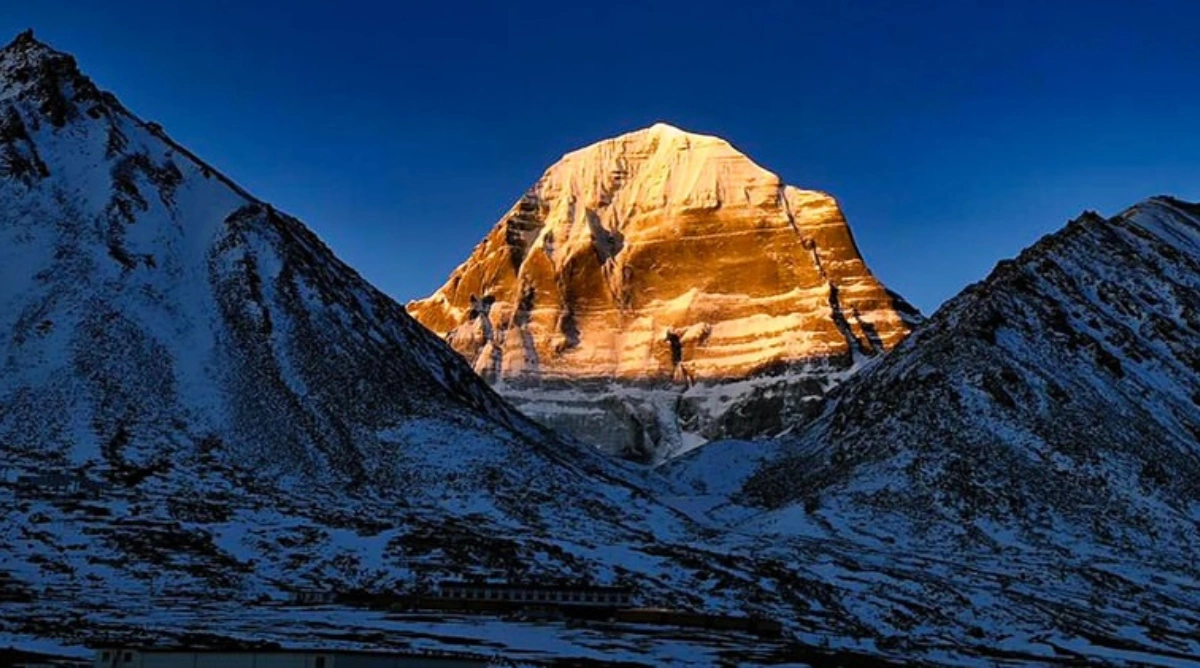
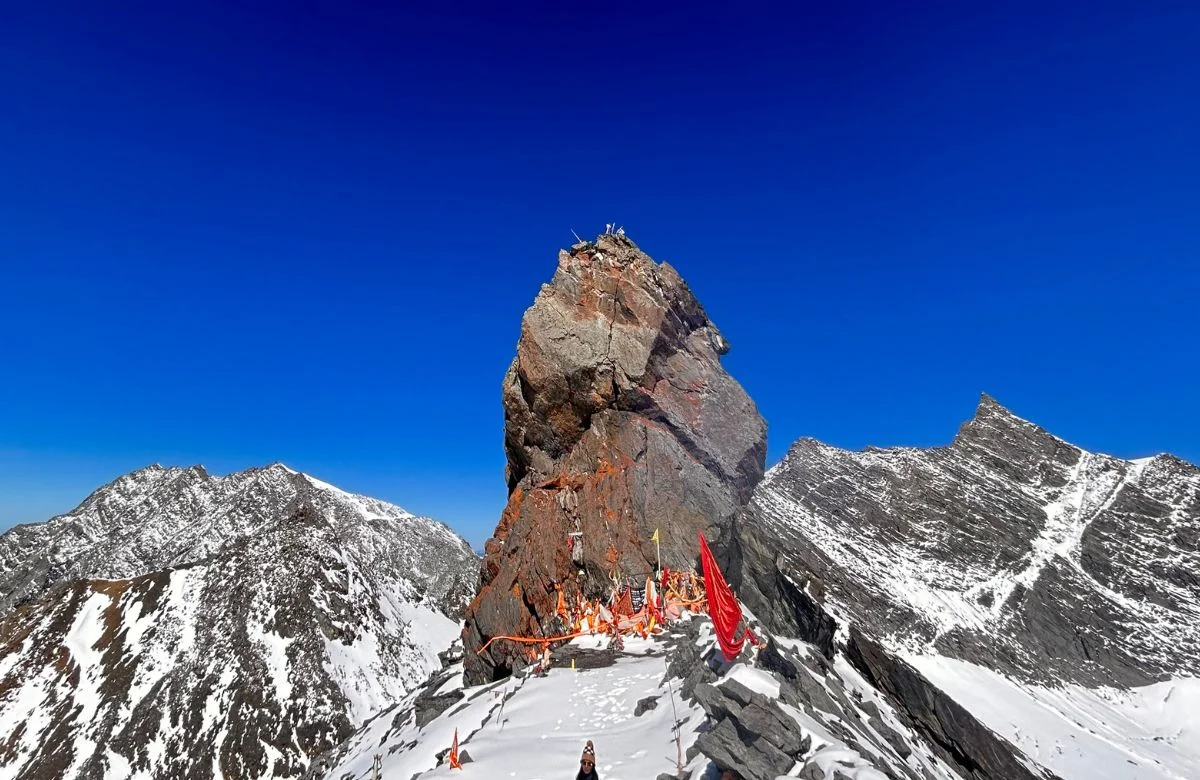
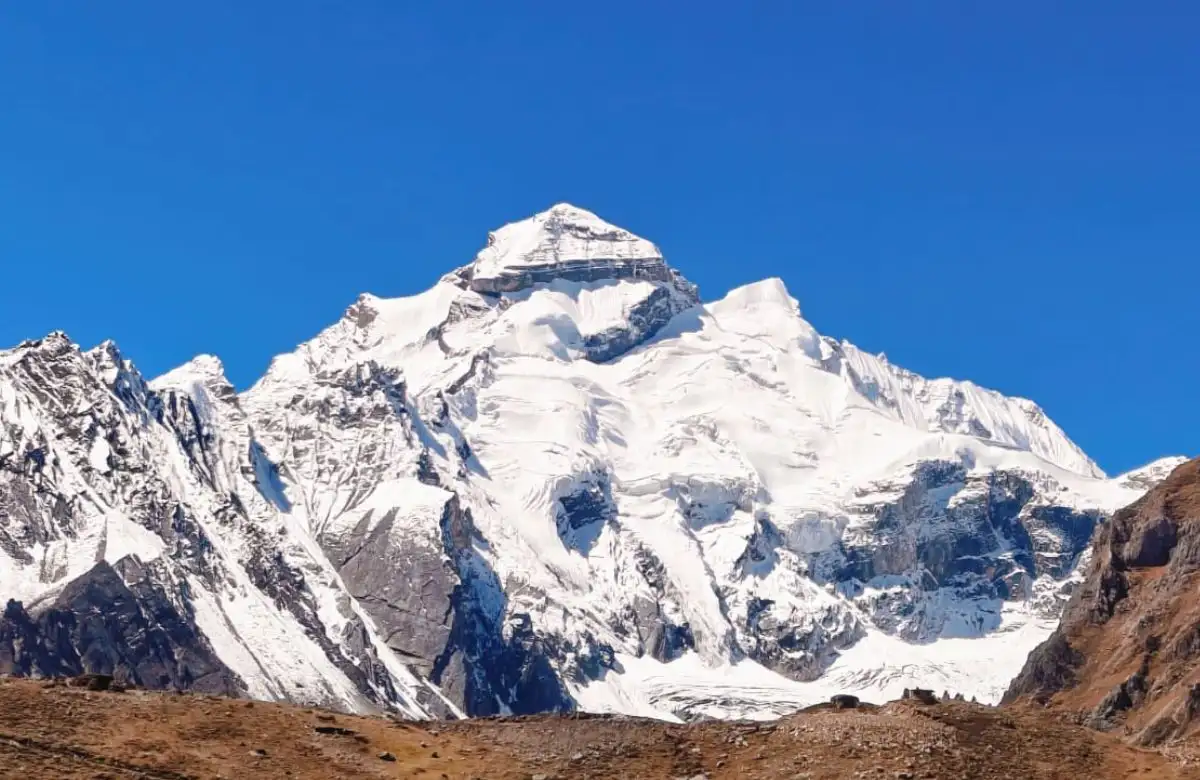
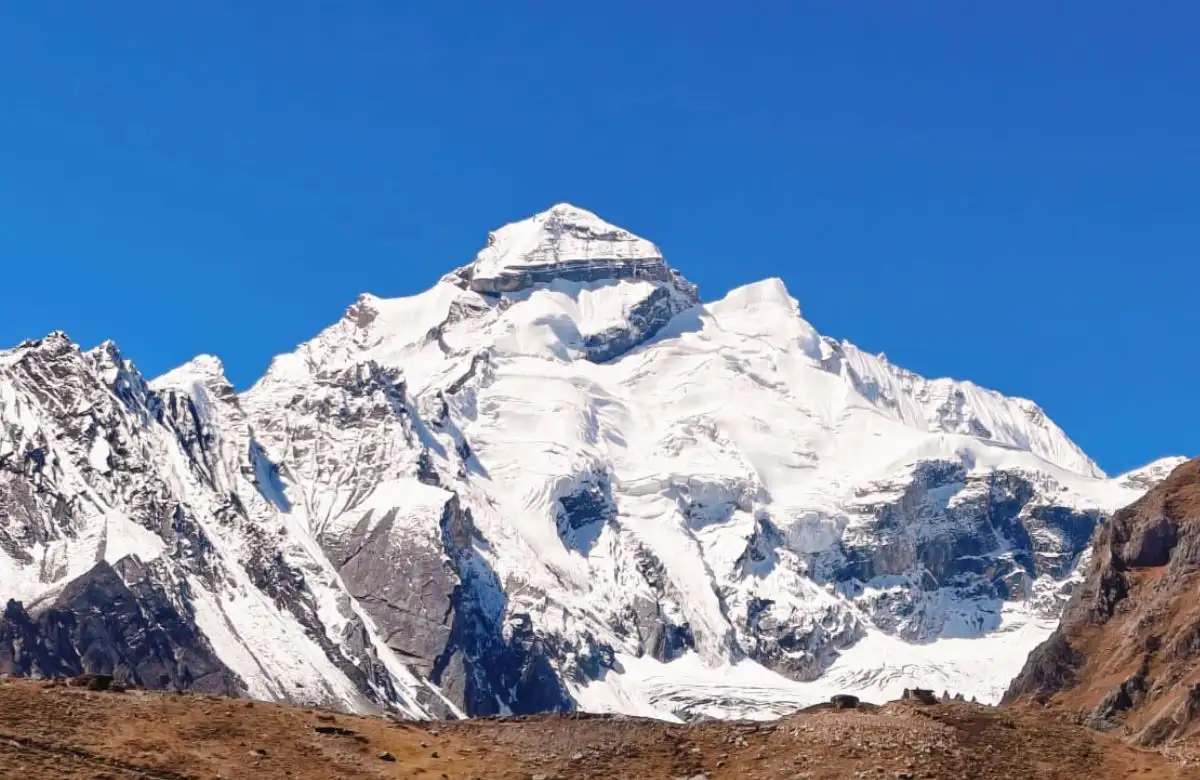
Adi Kailash, often known as “Chhota Kailash,” is one of the most spiritually significant mountains in the Kumaon region of Uttarakhand. Surrounded by the majestic Himalayas, pristine valleys, and sacred sites, Adi Kailash attracts pilgrims and travelers seeking both spiritual experiences and natural beauty.
If you are planning an Adi Kailash Yatra, understanding the region’s weather, temperature, and seasonal conditions is essential. The high-altitude Himalayan climate can change quickly, and proper preparation can make your pilgrimage safer and more comfortable.
Adi Kailash and Om Parvat Weather
The weather around Adi Kailash and Om Parvat is highly influenced by altitude and Himalayan conditions. Temperatures can vary considerably between daytime and nighttime, while rain, snowfall, strong winds, and cloud cover can affect travel conditions.
The main pilgrimage season generally falls between May and November. The months of May, June, September, October, and November are often preferred for their comparatively favorable conditions and better mountain visibility. The monsoon period can bring heavy rainfall, slippery roads, landslides, and occasional travel disruptions.
Because conditions can change quickly, pilgrims should always follow local weather advisories and instructions from their tour operator.
Spring – March to May
Spring brings a gradual change in weather after the winter season. Snow begins to recede from many areas, and the surrounding Himalayan landscape becomes increasingly vibrant.
Daytime temperatures can generally remain cool and pleasant, while nights continue to be cold, particularly at higher elevations. The landscape becomes greener, and in some areas, blooming rhododendrons add color to the mountain scenery.
May is generally a more practical month for pilgrimage travel as compared with the early spring period, depending on road and route conditions.
Summer – June to August
June is an important month in the Adi Kailash pilgrimage season. Temperatures remain relatively cool compared with the plains, making the journey more comfortable during the daytime.
However, the monsoon begins to influence the region from late June onward. July and August can experience significant rainfall, which may result in slippery roads, landslides, poor visibility, and delays.
While the rain transforms the Himalayan landscape into a lush green environment, pilgrims should be prepared for unpredictable weather and changing road conditions during this period.
Autumn – September to November
September to November is generally considered one of the most favorable periods for the Adi Kailash and Om Parvat Yatra.
After the monsoon season, the skies often become clearer and mountain visibility can improve considerably. Daytime conditions are usually comfortable for travel, while temperatures drop significantly after sunset.
October is particularly popular among pilgrims because of the pleasant daytime weather and clearer Himalayan views. By November, temperatures become considerably colder, especially at higher altitudes.
Winter – December to February
Winter brings severe cold and snowfall to the higher Himalayan regions around Adi Kailash and Om Parvat.
Temperatures can fall well below freezing, particularly at night, and snow can make roads and trekking routes difficult or inaccessible. Many parts of the region experience limited or suspended pilgrimage activity during the winter months.
The snow-covered Himalayan landscape can be spectacular, but winter travel requires specialized planning, equipment, and favorable local conditions. Regular pilgrimage travel is generally not recommended during periods of severe winter weather.
Best Time for Adi Kailash and Om Parvat Yatra
The best time for the Adi Kailash and Om Parvat Yatra is generally May to June and September to November, subject to government permissions, road conditions, weather, and local accessibility.
For travelers looking for clearer mountain views and comparatively stable conditions, May, June, September, and October are particularly popular choices.
It is important to remember that Himalayan weather is unpredictable. Even during the recommended season, sudden rain, snowfall, strong winds, or road disruptions can occur.
What to Pack for Adi Kailash Yatra
The high altitude and changing weather make it important to pack appropriate clothing and travel essentials. Even when daytime temperatures are comfortable, nights at higher elevations can become very cold.
Essential Items
- Thermal innerwear/body warmers
- Warm jacket and sweaters
- Woollen cap or topi
- Gloves
- Sunglasses
- Sunscreen and moisturizer
- Waterproof jacket or raincoat
- Comfortable sports or trekking shoes
- Extra pairs of socks
- Thermosteel or insulated water bottle
- Personal medicines and basic first-aid supplies
- Lightweight backpack
- Necessary identity and travel documents
Layering your clothing is recommended because temperatures can change considerably throughout the day.
Weather Preparation for a Safe Yatra
Adi Kailash is a high-altitude pilgrimage, and physical preparation is just as important as packing the right clothing. Pilgrims should maintain good fitness, stay hydrated, follow the recommended pace, and allow adequate time for acclimatization.
Anyone with concerns about traveling to high altitude should consult a qualified medical professional before undertaking the journey.
Always check the latest weather and road conditions before departure, as conditions in the Himalayas can change rapidly.
Conclusion
The weather at Adi Kailash and Om Parvat changes dramatically throughout the year, from pleasant summer days and clear autumn skies to heavy monsoon rainfall and freezing winter conditions. Choosing the right travel season and preparing properly can make your pilgrimage more comfortable and enjoyable.
Whether your purpose is spiritual devotion, exploring the Himalayas, or experiencing one of Uttarakhand’s most sacred landscapes, understanding the weather is an important part of planning your Adi Kailash Yatra.
Looking for a safe and well-organized Adi Kailash Yatra? Contact Nagarjuna Travels for assistance with yatra packages, transportation, accommodation, itinerary planning, and pilgrimage arrangements.