

- Mount Kailash Blogs
- @nagarjuna_travels
The journey to Mount Kailash and the sacred Lake Mansarovar is one of the most revered pilgrimages in the world. For centuries, devotees from Hindu, Buddhist, Jain, and Bon traditions have undertaken this yatra seeking spiritual awakening, purification, and divine blessings.
Due to its remote location in the high-altitude Tibetan plateau, the Kailash Mansarovar Yatra is heavily influenced by weather conditions. Unlike typical tourist destinations, this journey requires careful planning, as accessibility, safety, and overall experience depend largely on the time of travel.
The most suitable period to visit Kailash Mansarovar is between May and September, when the region becomes accessible and relatively stable in terms of weather. During this time, roads open, trekking routes become manageable, and organized yatras are conducted smoothly.
Best time to visit Kailash Mansarovar Yatra (Seasonal Overview)
Summer Season (May to June): The Best Time for Travel
The summer months mark the beginning of the yatra season and are widely considered the most ideal time to visit Kailash Mansarovar. As the harsh winter recedes, snow begins to melt and the region gradually opens up for pilgrims.
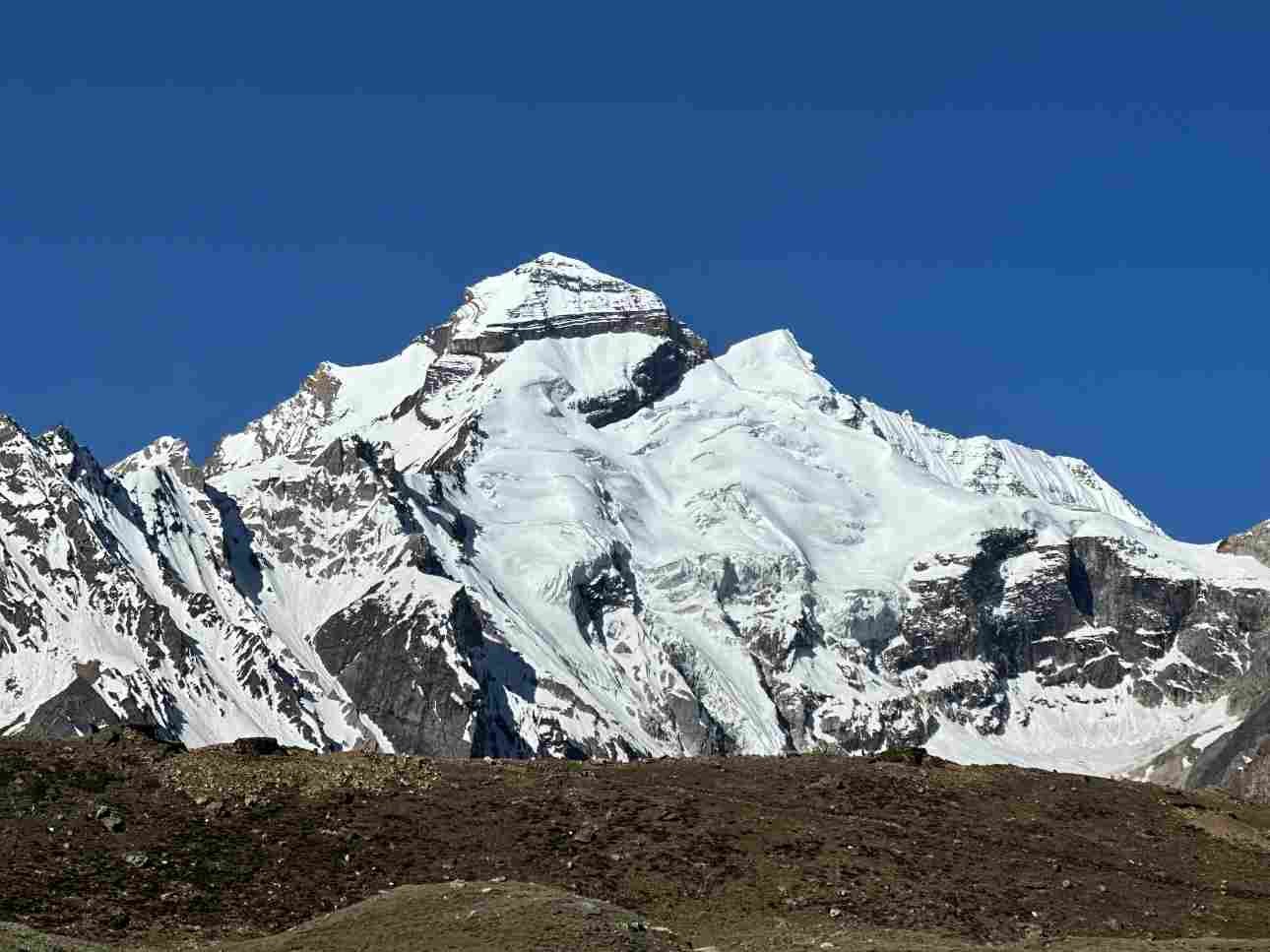
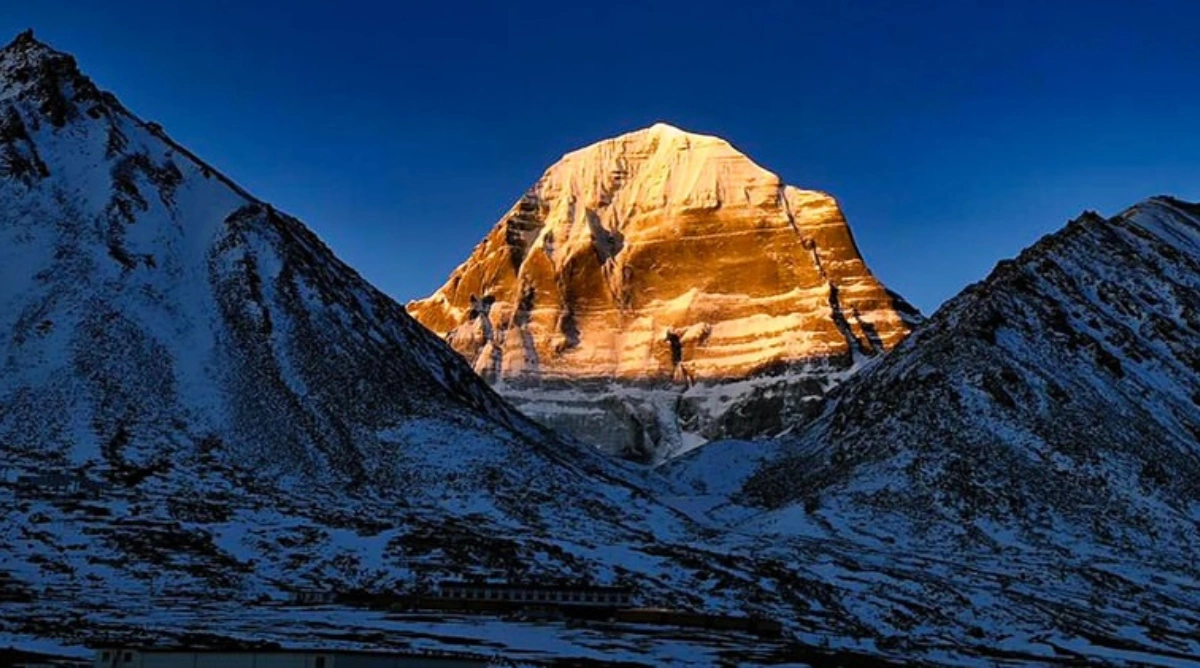
During this period, the weather remains relatively stable with clear skies, allowing uninterrupted views of Mount Kailash. Daytime temperatures typically range between 5°C and 15°C, making it comfortable for travel, while nights remain cold but manageable with proper clothing.
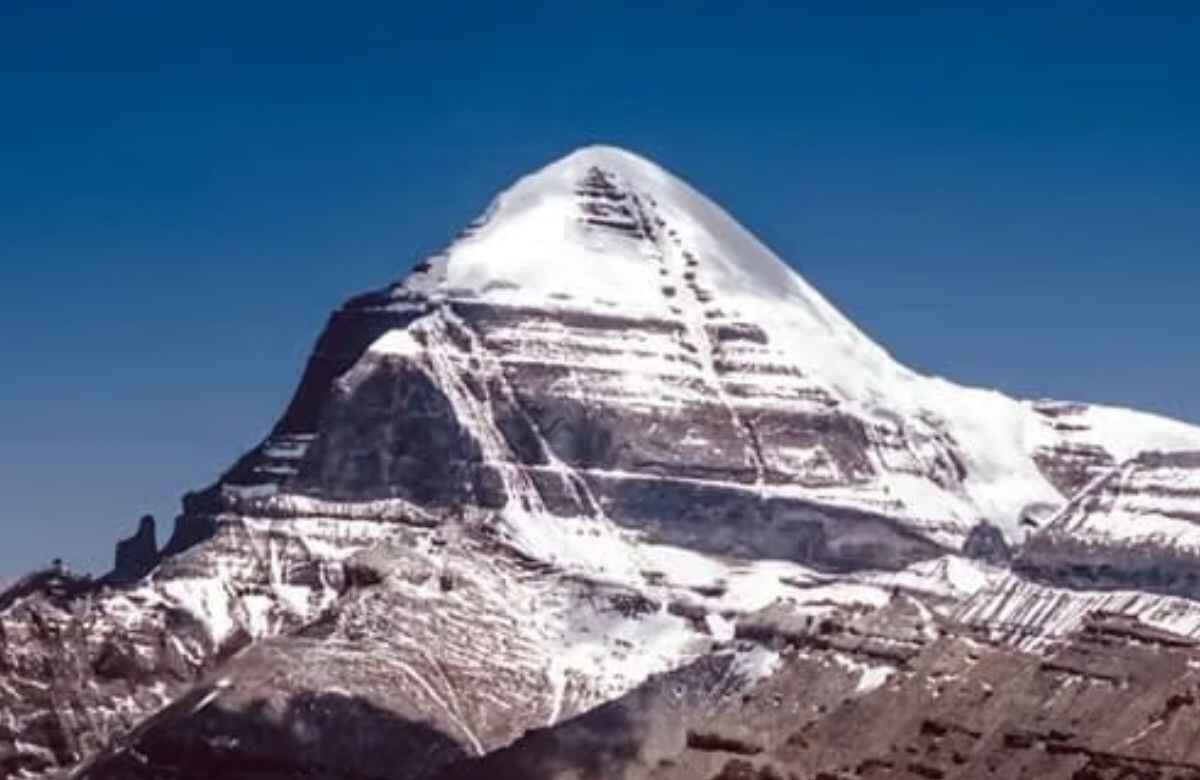
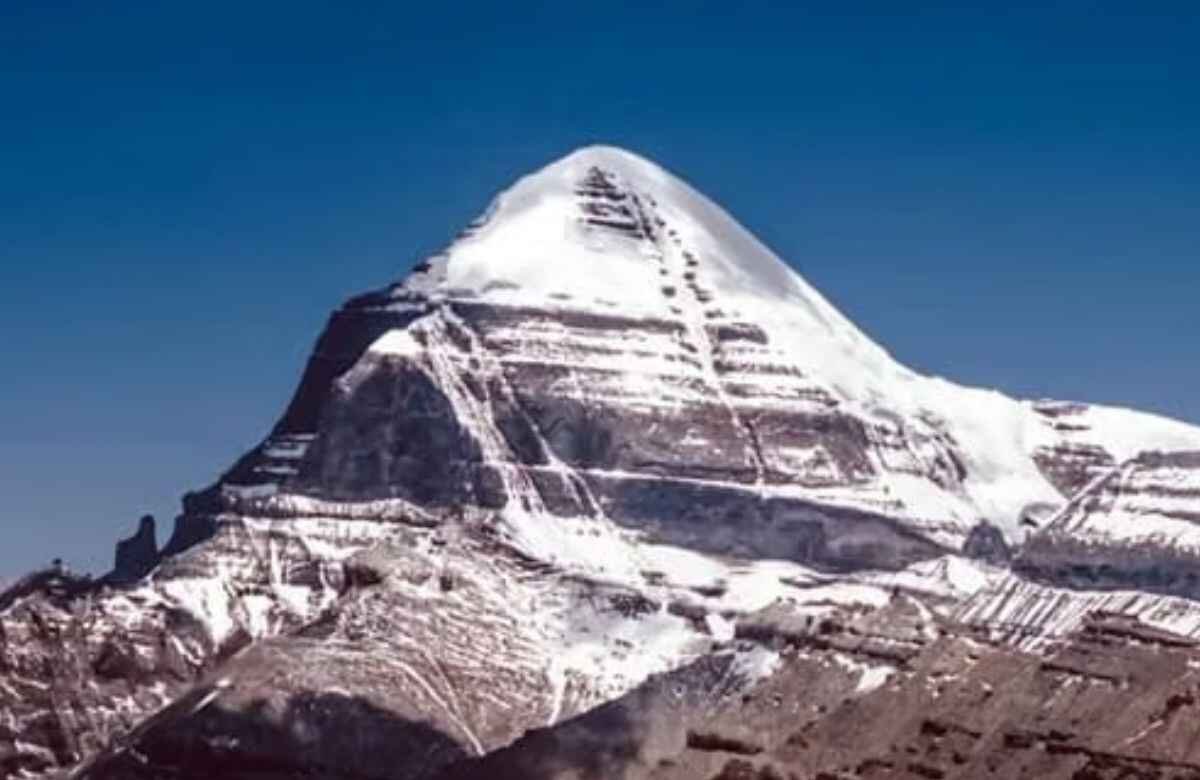
This season is particularly suitable for first-time travelers and senior citizens, as the chances of completing the Kailash Parikrama are higher due to favorable weather and well-defined routes. The clarity of the atmosphere also enhances the spiritual experience, offering a serene and majestic view of the sacred mountain.
Monsoon Season (July to August): A Blend of Spirituality and Uncertainty
The months of July and August bring a unique phase in the Kailash Mansarovar Yatra. While this period coincides with the monsoon season in India, the Tibetan region itself receives relatively low rainfall. However, the routes leading to the yatra, especially through India and Nepal, may be affected by rains, landslides, and occasional travel delays.
One of the most significant aspects of this season is the celebration of the sacred Saga Dawa Festival, which is considered highly auspicious. During this time, the spiritual energy around Mount Kailash is believed to be at its peak, attracting pilgrims who seek a deeper religious connection.
The landscape during these months appears more vibrant and dramatic, often covered with clouds that create a mystical atmosphere. However, visibility can sometimes be affected, and travelers should be prepared for flexible itineraries due to changing weather conditions.
Autumn Season (September): Peaceful and Scenic Experience
September is often regarded as one of the most underrated yet rewarding times to undertake the Kailash Mansarovar Yatra. As the monsoon withdraws, the skies clear once again, offering sharp and stunning views of Mount Kailash and the surrounding terrain.
The number of pilgrims decreases during this period, making the journey quieter and more peaceful. This allows travelers to experience a deeper sense of connection and reflection during the yatra.
Temperatures during September begin to drop, typically ranging from 0°C to 10°C. While the days remain pleasant, nights can be significantly colder, especially at higher altitudes. With proper preparation and warm clothing, this season offers a balanced combination of clear weather and a serene atmosphere.
Why Winter (October to April) is Not Suitable
The winter months transform the Kailash Mansarovar region into an extremely harsh and inaccessible environment. Temperatures drop drastically, often reaching as low as -20°C or below, and heavy snowfall blocks all major routes leading to the pilgrimage sites.
During this time, Lake Mansarovar may freeze completely, and the entire region becomes unfit for travel. Yatra operations are officially closed, and even local movement becomes difficult due to extreme weather conditions. For these reasons, winter is not considered a viable time to undertake the Kailash Mansarovar Yatra.
Choosing the Right Time for Your Journey
Selecting the best time to visit Kailash Mansarovar ultimately depends on your priorities and expectations from the journey. If you are looking for the most stable weather, clear mountain views, and a higher success rate of completing the parikrama, then the months of May and June are the most recommended.
For those who are spiritually inclined and wish to witness religious celebrations, traveling during the Saga Dawa period in June or July can offer a unique and powerful experience. On the other hand, if you prefer a quieter journey with fewer crowds and crystal-clear post-monsoon views, September provides an excellent opportunity.
Each season offers a different perspective of the sacred landscape, and choosing the right time can significantly enhance your overall experience.
Important Travel Considerations
The Kailash Mansarovar Yatra takes place at high altitudes, often exceeding 4,500 meters, where oxygen levels are low. Proper acclimatization is essential to avoid altitude-related issues, and travelers must prepare physically before undertaking the journey.
Weather conditions can change rapidly, regardless of the season, making it important to carry layered clothing suitable for both cold and windy conditions. Planning your trip with a reliable and experienced tour operator ensures better management of logistics, permits, and safety.
It is also advisable to keep buffer days in your itinerary to accommodate possible delays caused by weather or road conditions, especially during the monsoon months.
Conclusion
The best time to visit Kailash Mansarovar Yatra is between May and September, with May and June being the most favorable months for a safe and comfortable journey. These months offer clear weather, better accessibility, and the highest chances of completing the pilgrimage successfully.
Whether you seek spiritual fulfillment, natural beauty, or personal transformation, planning your journey during the right season ensures that your visit to Mount Kailash and Lake Mansarovar becomes a truly unforgettable and life-changing experience.