

- India Travelogue
- Devesh Tiwari
15 Famous Temples in Kerala: A Complete Guide to South India's Sacred Pilgrimage Trail
Kerala isn't just backwaters, beaches, and tea gardens — it's one of South India's most powerful spiritual landscapes. Tucked between the Arabian Sea and the Western Ghats, "God's Own Country" is home to thousands of temples, many of them over a thousand years old, built in a distinctive wooden, sloped-roof architectural style found nowhere else in India.
Whether you're planning a dedicated pilgrimage or want to add a few sacred stops to a Kerala holiday, this guide covers the 15 most famous temples in Kerala, along with their history, festivals, architecture, and practical visiting tips.
Quick Answer: Top Temples in Kerala at a Glance
| Temple | Deity | Location | Known For |
|---|---|---|---|
| Sree Padmanabhaswamy | Vishnu | Thiruvananthapuram | Reclining Vishnu idol, royal history |
| Guruvayur | Krishna | Thrissur | "Dwarka of the South" |
| Sabarimala | Ayyappa | Pathanamthitta | Forest pilgrimage, austerity |
| Vadakkunnathan | Shiva | Thrissur | Thrissur Pooram festival |
| Chottanikkara | Devi | Ernakulam | Healing traditions, Devi worship |
| Ettumanoor Mahadeva | Shiva | Kottayam | Murals, woodwork |
| Ambalappuzha | Krishna | Alappuzha | Palpayasam offering |
| Attukal Bhagavathy | Devi | Thiruvananthapuram | Attukal Pongala |
| Thirunelli | Vishnu | Wayanad | Mountain setting, ancestral rites |
| Vaikom Mahadeva | Shiva | Kottayam | Vaikom Ashtami |
1. Sree Padmanabhaswamy Temple, Thiruvananthapuram
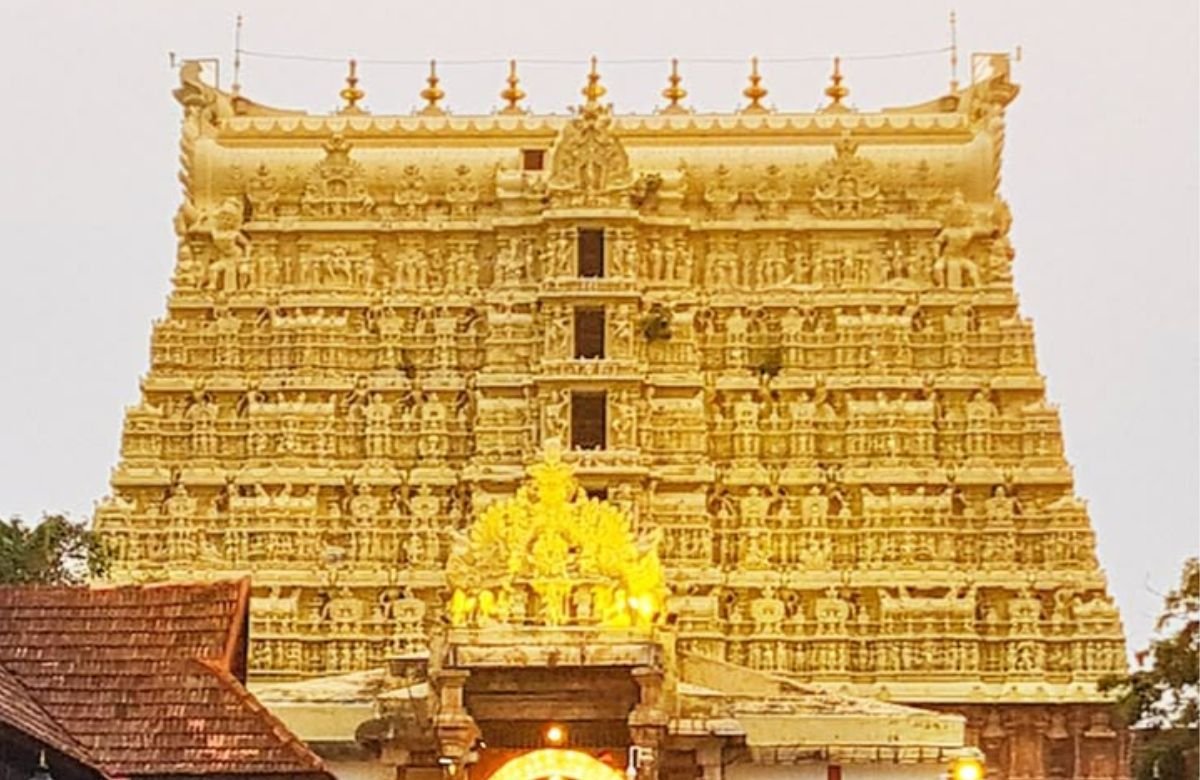
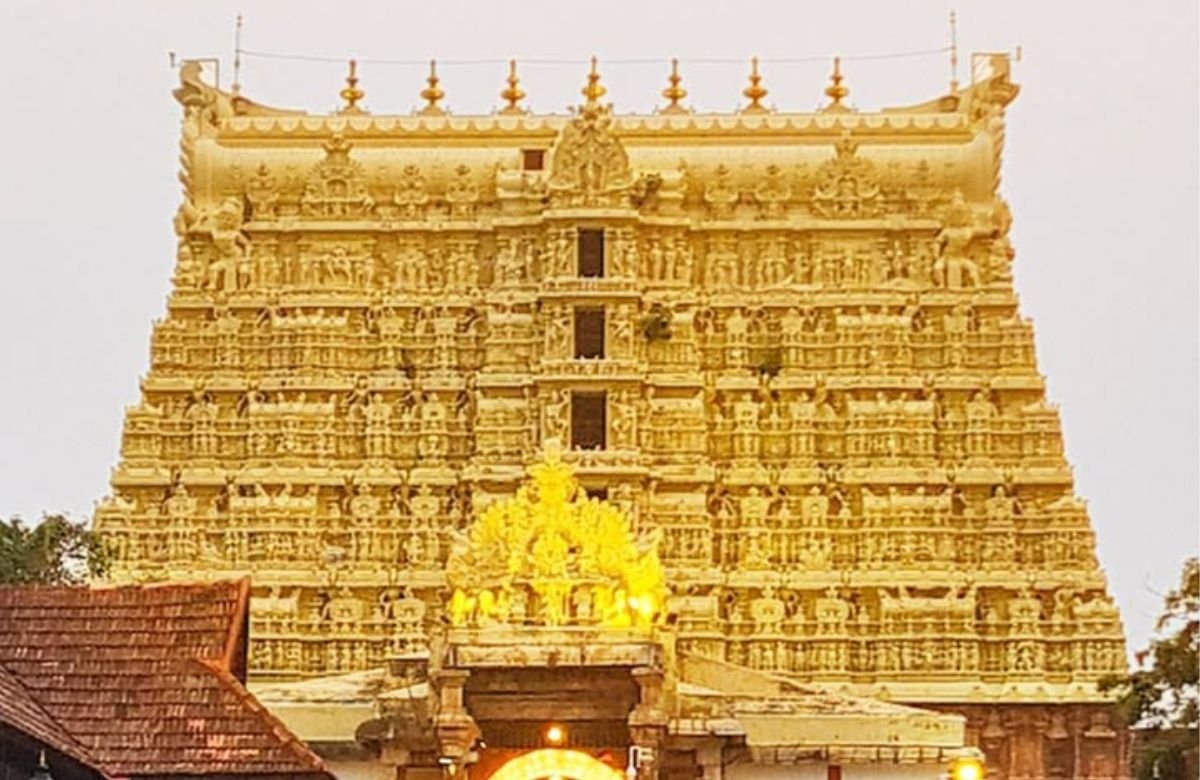
No list of Kerala's temples is complete without Sree Padmanabhaswamy Temple, one of the wealthiest and most revered Vishnu shrines in India. The presiding deity, Anantha Padmanabha, is depicted in a rare reclining posture atop the serpent Anantha — a form found in very few temples worldwide.
Closely tied to the erstwhile royal family of Travancore, the temple is known for its intricate stone and wood carvings, towering gopuram, and strict dress code. Entry to the sanctum is restricted to Hindus, and men are required to wear a traditional mundu.
Why visit: Architectural grandeur, royal legacy, and a chance to witness one of India's most iconic Vishnu murtis.
2. Guruvayur Sri Krishna Temple
Located in Thrissur district, Guruvayur Temple is often called the "Dwarka of the South" and is one of the busiest pilgrimage centers in Kerala. The deity, Guruvayurappan, is worshipped as a four-armed form of Krishna holding a conch, discus, mace, and lotus.
The temple sees a steady stream of devotees year-round, with peak crowds during Guruvayur Ekadasi and Krishna Janmashtami. Its elephant sanctuary, Punnathur Kotta, is also a well-known nearby attraction.
Why visit: Deep Krishna devotion, vibrant daily rituals, and one of Kerala's most spiritually charged atmospheres.
3. Sabarimala Sree Dharma Sastha Temple
Perched in the forested hills of the Western Ghats in Pathanamthitta district, Sabarimala is dedicated to Lord Ayyappa and draws millions of pilgrims annually — making it one of the largest pilgrimages in the world.
Unlike most temples, the Sabarimala experience begins long before arrival. Devotees observe a 41-day vratham (vow) involving strict discipline before undertaking the trek through dense forest to the hilltop shrine.
Why visit: A once-in-a-lifetime spiritual journey defined by discipline, devotion, and dramatic natural surroundings.
4. Vadakkunnathan Temple, Thrissur
Sitting atop a small hill in the center of Thrissur city, Vadakkunnathan Temple is one of Kerala's oldest and most architecturally significant Shiva temples, believed to date back over a thousand years.
The temple is the epicenter of Thrissur Pooram, Kerala's most spectacular temple festival, featuring rows of caparisoned elephants, traditional Panchari Melam percussion, and a fireworks finale that draws visitors from across the world.
Why visit: Classic Kerala temple architecture and front-row access to Thrissur Pooram.
5. Chottanikkara Bhagavathy Temple
Near Kochi, Chottanikkara Temple is dedicated to Chottanikkara Amma, a manifestation of the Divine Mother worshipped in three forms throughout the day — Saraswati in the morning, Bhadrakali at noon, and Durga in the evening.
The temple is particularly known for rituals believed to bring relief from mental distress, and it draws devotees from across South India seeking the Devi's blessings.
Why visit: Powerful Devi worship traditions just outside Kochi, easy to combine with a backwater or city itinerary.
6. Ettumanoor Mahadeva Temple
Located near Kottayam, Ettumanoor Mahadeva Temple is celebrated for its exceptional mural paintings — considered among the finest surviving examples of Kerala's traditional wall-art tradition — alongside detailed woodwork and a richly decorated flagstaff.
Its annual ten-day festival features processions of decorated elephants and traditional temple arts.
Why visit: A masterclass in Kerala temple mural art and woodcraft.
7. Ambalappuzha Sree Krishna Temple
In Alappuzha district, Ambalappuzha Temple is famous for its Palpayasam — a rich milk-and-rice offering with a legend linked to a game of chess between the local king and Lord Krishna in disguise.
The temple pairs well with Alappuzha's backwater cruises, making it an easy addition to a houseboat itinerary.
Why visit: A unique culinary-religious tradition and proximity to Alappuzha's famous backwaters.
8. Attukal Bhagavathy Temple, Thiruvananthapuram
Attukal Temple holds a Guinness World Record for hosting the largest annual gathering of women for a religious ritual — the Attukal Pongala — where lakhs of women prepare a sweet rice offering to the goddess on temple grounds and surrounding streets.
Why visit: A rare, women-led festival experience unlike anything else in Indian temple culture.
9. Thirunelli Temple, Wayanad
Set deep in the misty hills of Wayanad, Thirunelli Temple is dedicated to Vishnu and is often called the "Kashi of the South" for its association with ancestral rites (pitru tarpanam).
Surrounded by dense forest and the Brahmagiri hills, it's as much a nature retreat as a religious site.
Why visit: A serene, off-the-beaten-path pilgrimage combined with Wayanad's scenic beauty.
10. Vaikom Mahadeva Temple
One of Kerala's most important Shiva shrines, Vaikom Temple in Kottayam district is linked with Ettumanoor and Kaduthuruthy in a traditional pilgrimage circuit. Its annual Vaikom Ashtami festival draws large crowds for elaborate rituals.
Why visit: A cornerstone of central Kerala's Shiva pilgrimage circuit.
11. Mannarasala Sree Nagaraja Temple
Near Haripad, Mannarasala Temple is Kerala's most famous serpent (Naga) shrine, set inside a sacred forest containing thousands of snake idols. It's uniquely tended by a hereditary priestess and is closely tied to beliefs around fertility and family well-being.
Why visit: A one-of-a-kind serpent-worship tradition found almost nowhere else in India.
12. Paramekkavu Bhagavathy Temple, Thrissur
Alongside Vadakkunnathan, Paramekkavu Temple is one of the two main participants in Thrissur Pooram, contributing its own elephant procession and percussion ensemble to the festival.
Why visit: A key stop for anyone experiencing Thrissur's temple festival culture.
13. Ananthapura Lake Temple, Kasaragod
Kerala's only lake temple, Ananthapura sits in the middle of a picturesque pond in Kasaragod district and is dedicated to Ananthapadmanabha, a form of Vishnu. Legend holds it as the original abode of the deity later enshrined at Thiruvananthapuram's Padmanabhaswamy Temple.
Why visit: A tranquil, visually striking temple far from the usual pilgrim crowds.
14. Thiruvanchikulam Mahadeva Temple
Near Kodungallur, this ancient Shiva temple is tied to the historic Chera dynasty and remains an important site for understanding the roots of Shaiva worship in Kerala.
Why visit: Historical depth for travelers interested in Kerala's ancient temple lineage.
15. Kadampuzha Bhagavathy Temple
In Malappuram district, Kadampuzha Temple is known less for grand architecture and more for its intense, ritual-heavy devotional atmosphere, particularly its offerings related to protection and well-being.
Why visit: An authentic, lesser-touristed Devi worship experience.
Understanding Kerala's Unique Temple Architecture
Kerala temples look distinctly different from the towering gopurams of Tamil Nadu — and that's by design. Built to withstand heavy monsoon rains, they typically feature:
- Sloping, tiered roofs (often copper-clad) to shed monsoon rainfall
- Wooden structural elements, since timber was locally abundant
- Detailed murals depicting mythological scenes
- Circular or square sanctums (sreekovil), unlike the rectangular sanctums common elsewhere in India
- Large open courtyards and sacred groves (kavu) for rituals and processions
- Traditional lamp-lined entrances used during festivals
This style reflects a fusion of religious tradition and Kerala's tropical climate — practical as much as it is sacred.
Major Temple Festivals in Kerala
| Festival | Temple | Highlight |
|---|---|---|
| Thrissur Pooram | Vadakkunnathan & Paramekkavu | Elephant processions, percussion, fireworks |
| Attukal Pongala | Attukal Bhagavathy | Largest women's religious gathering (Guinness record) |
| Vaikom Ashtami | Vaikom Mahadeva | Traditional Shiva rituals |
| Guruvayur Ekadasi | Guruvayur | Major Krishna celebration |
Best Time to Visit Kerala's Temples
October to March offers the most comfortable weather for temple-hopping, with cooler temperatures and lower humidity. If you want to time your trip around a specific festival — such as Thrissur Pooram (April/May) or Attukal Pongala (February/March) — book accommodation well in advance, as these events draw enormous crowds.
Monsoon season (June–September) brings fewer tourists and a lush, green backdrop, though travel logistics can be slower.
Temple Etiquette: What to Know Before You Go
- Dress modestly. Many temples require men to remove shirts and wear a mundu/dhoti; women are often expected to wear sarees or traditional attire.
- Footwear stays outside. Sandals and shoes must be removed before entering temple grounds.
- Check entry rules. Some temples (including Sabarimala and Padmanabhaswamy) have restrictions based on faith, gender, or preparation rituals — verify before you travel.
- Photography restrictions apply in many sanctums — always ask before taking pictures.
- Be mindful during rituals. Avoid interrupting poojas, offerings, or priests at work.
Sample 7-Day Kerala Temple Tour Itinerary
- Day 1–2: Thiruvananthapuram — Padmanabhaswamy Temple, Attukal Bhagavathy Temple
- Day 3: Alappuzha — Ambalappuzha Krishna Temple + backwater houseboat stay
- Day 4: Kottayam — Vaikom Mahadeva Temple, Ettumanoor Mahadeva Temple
- Day 5: Kochi/Ernakulam — Chottanikkara Bhagavathy Temple + Fort Kochi sightseeing
- Day 6: Thrissur — Guruvayur Temple, Vadakkunnathan Temple
- Day 7: Wayanad — Thirunelli Temple, scenic drive through the Western Ghats
This can be shortened, extended, or reordered based on your travel dates and interests.
Frequently Asked Questions
Which is the most famous temple in Kerala? Sree Padmanabhaswamy Temple in Thiruvananthapuram and Guruvayur Sri Krishna Temple are generally considered the two most famous temples in Kerala, both for their religious significance and historical importance.
Can non-Hindus visit temples in Kerala? Policies vary by temple. Some, like Guruvayur and Sabarimala, restrict entry to Hindus, while others are open to all visitors regardless of faith, provided the dress code and etiquette are followed. It's best to check each temple's specific rules in advance.
What should I wear to visit a Kerala temple? Modest, traditional clothing is expected at most temples. Men are often required to be bare-chested and wear a mundu or dhoti; women typically wear sarees, salwar suits, or other modest traditional attire.
Which Kerala temple is famous for its festival? Vadakkunnathan Temple in Thrissur is renowned for hosting Thrissur Pooram, widely regarded as Kerala's most spectacular temple festival.
Is Sabarimala open all year? No. Sabarimala opens only during specific periods, primarily the Mandala-Makaravilakku season (mid-November to mid-January) and a few other designated days. It is not open for darshan year-round.
Final Thoughts
From the royal grandeur of Padmanabhaswamy Temple to the forest solitude of Sabarimala and Thirunelli, Kerala's temples offer far more than religious ritual — they're living windows into the state's architecture, art, festivals, and centuries of tradition. Whether you're planning a focused pilgrimage or weaving a few sacred stops into a broader Kerala trip, these 15 temples represent the very best of what "God's Own Country" has to offer spiritually.
Planning a Kerala temple tour? Nagarjuna Travels can help you build a custom pilgrimage itinerary — covering routes, timings, local transport, and festival planning — so you can focus on the experience itself.