

- Uttarakhand Tours
- Chandan_singh
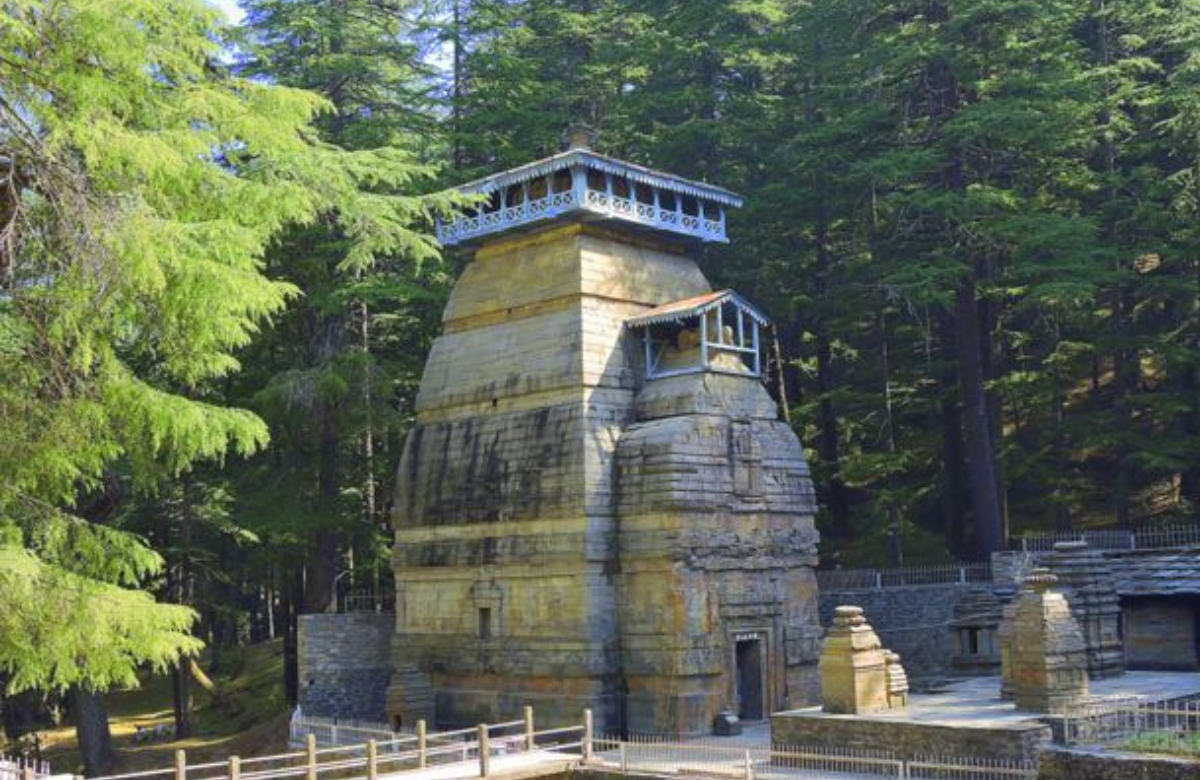
Surrounded by towering deodar trees and the peaceful landscape of the Kumaon Himalayas, Jageshwar Dham is one of the most significant ancient temple complexes in Uttarakhand. Located in Almora district, this sacred destination is known for its stone temples, spiritual atmosphere, traditional architecture and deep connection with Lord Shiva. Unlike a temple consisting of a single shrine, Jageshwar Dham is a valley complex containing numerous ancient temples. The main shrines, including Jageshwar Mahadev and Mahamrityunjaya Temple, attract pilgrims, history enthusiasts and travellers throughout the year. However, visitors often find conflicting information about the number of temples, the site's age, its distance from Almora and the daily aarti schedule.
This guide explains what you need to know before visiting Jageshwar Dham, including its location, history, major temples, timings, pooja booking, travel routes, accommodation and nearby attractions.
Jageshwar Dham Temple: At a Glance
| Detail | Information |
|---|---|
| Temple name | Jageshwar Dham |
| Main deity | Lord Shiva |
| Location | Jageshwar, Almora district, Uttarakhand |
| Altitude | Approximately 1,870 metres |
| Distance from Almora | Around 35–37 km |
| Travel time from Almora | Approximately 1–1.5 hours |
| Number of temples | Around 124–125 in the main Jageshwar group; ASI records 151 monuments across the Jageshwar and Dandeshwar groups |
| Architectural style | Primarily North Indian Nagara style |
| Approximate historical period | 7th–14th century according to one historical account |
| Main shrines | Jageshwar Mahadev, Mahamrityunjaya and Dandeshwar |
| Temple timings | Approximately 4:30–5 AM until 6–7:30 PM, depending on season |
| Nearest major railway station | Kathgodam |
| Nearest commonly listed airport | Pantnagar |
| Pooja booking | Reportedly available online and at the temple booking office |
Note: Published sources differ on temple counts, distances, historical dates and timings. The figures above are approximate and should be confirmed before travelling.
Where Is Jageshwar Dham in Uttarakhand?
Jageshwar Dham is situated in the Almora district of Uttarakhand, in the Kumaon region. The temple complex lies in a beautiful valley surrounded by deodar forests, with the Jata Ganga stream flowing nearby. The peaceful setting makes the journey part of the pilgrimage experience. Visitors can walk between the shrines, observe the stone architecture and enjoy the natural surroundings.
Quick Location Details
District: Almora, Uttarakhand
Approximate altitude: 1,870 metres
Distance from Almora: 35–37 km by road
Approximate coordinates: 29°38′ N, 79°51′ E
Nearest major railway station: Kathgodam
Nearest commonly listed airport: Pantnagar
Nearby attractions: Vridh Jageshwar, Pandukeshwar Temple, Chitai Golu Devta Temple and Binsar
Jageshwar is accessible by road, and most visitors travel from Almora by taxi, private vehicle or available local transport.
Jageshwar Temple History: Age, Dynasties and Religious Significance
Jageshwar Dham has a long religious and architectural history. Its temples are protected by the Archaeological Survey of India (ASI), and the complex contains important examples of traditional stone temple architecture. However, sources differ on exactly when the temples were built and which rulers commissioned them.
How Old Is Jageshwar Dham?
One historical account dates the temples to between the 7th and 14th centuries. Inscriptions associated with the Mrityunjaya Temple are reported to date from the 8th to 10th centuries. Other accounts describe the complex as much older and connect its development with the Katyuri dynasty. A Uttarakhand temple website reports an age of approximately 2,500 years and attributes much of the construction and renovation to Katyuri rulers. Tradition also associates Jageshwar with Adi Shankaracharya, who is said to have visited and restored temples in the region.
These accounts are not fully consistent. The 7th–14th century range is a useful historical reference, while claims of greater antiquity and particular builders should be presented as reported traditions rather than universally established facts.
Which Dynasty Built Jageshwar Temples?
The exact builders have not been conclusively established by the sources reviewed for this guide. Some historical interpretations connect the temples with the Katyuri or Chand dynasties. However, one account notes that these attributions are not conclusively supported by inscriptions or textual evidence. The complex may reflect different periods of construction, renovation and religious activity rather than the work of a single ruler.
Archaeological Importance of Jageshwar Dham
The Archaeological Survey of India protects the temple complex. Its stone shrines and sculptures provide insight into the religious art and architectural traditions of the Kumaon region. An ASI museum near the complex reportedly houses more than 150 sculptures dating from the 9th to 13th centuries. The collection includes religious imagery associated with Hindu traditions.
The temples primarily follow the North Indian Nagara architectural style, although some structures display other influences.
How Many Temples Are There at Jageshwar Dham?
The number varies across published sources because different accounts refer to the main Jageshwar group, the wider valley or the monuments counted by the ASI.
| Description | Reported number |
|---|---|
| Temples in the Jageshwar group | Approximately 124–125 |
| Monuments recorded by ASI across the Jageshwar and Dandeshwar groups | 151 |
| Structures mentioned in one account of the wider valley | More than 200 |
These figures should not be treated as interchangeable. The available sources do not fully explain the differences in counting methods.
For visitors, the important point is that Jageshwar is a substantial temple complex with multiple shrines, rather than a single temple building.
Is Jageshwar Dham One of the 12 Jyotirlingas?
The religious status of Jageshwar as a Jyotirlinga is a subject of differing interpretations. The Uttarakhand temple website describes Jageshwar as the eighth Shiva Jyotirlinga and cites the Skanda and Linga Puranas. Other sources note that Jageshwar does not appear in the twelve-name list referenced in the Dwadasa Jyotirlinga Stotra. Because sources disagree, it is more accurate to say that Jageshwar is described as a Jyotirlinga by the Uttarakhand temple website, while its inclusion among the universally recognized twelve Jyotirlingas is debated.
Regardless of this discussion, Jageshwar remains an important Shiva pilgrimage destination in Kumaon.
Main Temples to Visit at Jageshwar Dham
Jageshwar Dham contains several shrines with their own religious and architectural significance.
1. Jageshwar Mahadev Temple
Jageshwar Mahadev is the principal shrine of the complex and is dedicated to Lord Shiva. It is also referred to as Jageshwar Temple and is listed as Temple 37 in one temple-numbering system. The main Shivalinga is the focus of worship, and many visitors begin their pilgrimage here.
2. Mahamrityunjaya Temple
Mahamrityunjaya Temple is dedicated to Lord Shiva in his form associated with overcoming death and protecting devotees. The temple is particularly important for its religious significance and historical inscriptions, which are reported to date from the 8th to 10th centuries.
3. Dandeshwar Temple Group
The Dandeshwar group is a separate collection of monuments associated with the wider Jageshwar complex. One account describes its main tower as having stacked, cog-like stone discs and notes a four-faced Shivalinga in the sanctum. Allow additional time if you plan to explore both the main Jageshwar group and Dandeshwar.
4. Kuber Temple
Kuber Temple appears in the traditional worship circuit described by the Uttarakhand temple website. It is one of the shrines visitors may include while exploring the complex.
5. Other Shrines in the Complex
The traditional temple circuit also includes shrines associated with:
Nav Durga
Navagraha
Surya
Lakulisha
Tarkeshwar
Kedarnath
Pushti Mata
Dakshin Mukhi Hanuman Neelkanth
Batuk Bhairav
Visitors do not necessarily need to follow the entire traditional circuit, but it provides a useful way to explore the religious landscape.
6. Vridh Jageshwar or Budha Jageshwar
Vridh Jageshwar, also known as Budha Jageshwar, is a separate shrine reached by a walk or trek from the main complex. Published sources differ on the trek distance, with estimates ranging from approximately 1.5–2 km one way to 3.5–4 km. Confirm the route locally before setting out and allow extra time if you plan to visit.
7. ASI Museum
The ASI museum near Jageshwar contains historical sculptures and other archaeological objects associated with the region. One travel guide reports that it opens from 9 AM to 5 PM and remains closed on Fridays. Museum entry fees are also reported by that source, but visitors should confirm current timings and charges locally.
Traditional Worship Order at Jageshwar Dham
The Uttarakhand temple website describes a traditional sequence for worship at the complex. Visitors who wish to follow this route can use it as a guide.
Begin with a ritual bath, or snana, at Brahma Kund.
Visit the main Shiva shrine.
Continue to the shrines listed in the traditional circuit, including Dakshin Mukhi Hanuman Neelkanth, Surya, Navagraha, Pushti Mata, Mrityunjaya, Hawan Kunda, Lakulisha, Tarkeshwar, Kedarnath and Nav Durga.
Return to the main Shiva shrine.
Complete the circuit with Batuk Bhairav and Kuber.
This is a traditional route, not a requirement for every visitor. Follow local instructions and the arrangements in place on the day.
How Much Time Should You Spend at Jageshwar Dham?
Plan approximately half a day for the main temple complex, the principal shrines and the ASI museum.
Allow more time if you want to visit Dandeshwar, walk to Vridh Jageshwar, attend aarti or explore the surrounding forested valley.
Jageshwar Dham Temple Timings and Aarti
Temple timings can change with the season and religious calendar. One national tourism portal gives the following approximate schedule.
| Season | Opening time | Closing time | Reported evening aarti |
|---|---|---|---|
| Winter | Around 5 AM | Around 6 PM | Around 6 PM |
| Summer | Around 4:30 AM | Around 7:30 PM | Around 7:30 PM |
Another travel guide reports that the evening aarti may take place around 6:30–7 PM.
These differences mean the schedule should be treated as approximate. Confirm the current timings with the temple before planning your visit, especially during festivals or special ceremonies.
Jageshwar Dham Entry Fee
The sources reviewed for this guide do not mention a standard entry fee for the main temple complex.
The ASI museum is reported to charge approximately ₹10 for Indian visitors and ₹250 for foreign nationals in one guide. These charges may change, so confirm the latest fee before visiting.
Jageshwar Dham Pooja Booking
According to the Uttarakhand temple website, visitors can book a pooja or make a donation through the website or at the booking office at the temple.
The sources reviewed do not provide a verified current price list for individual poojas.
Before making a booking:
Use the official temple website.
Check the current pooja options and rates.
Confirm the date and time with the booking office if necessary.
Avoid assuming that prices mentioned on unrelated travel websites are current.
Festivals Celebrated at Jageshwar Dham
Jageshwar Dham attracts devotees throughout the year, with larger gatherings during important religious occasions.
Shivratri Mela
The Shivratri Mela is held around the period of Maha Shivratri, generally in February or March. It is an important occasion for devotees of Lord Shiva.
Expect additional visitors and allow more time for darshan and parking.
Jageshwar Monsoon Festival
The Jageshwar Monsoon Festival is associated with the Hindu month of Shravan, which generally overlaps July and August.
The monsoon season can also bring rain and challenging road conditions. Check weather and local travel advisories before attending.
Tips for Visiting During Festivals
Start your journey early.
Confirm the temple schedule and local arrangements.
Reserve accommodation in advance.
Allow additional time for road travel and crowds.
Carry suitable rain protection during the monsoon.
How to Reach Jageshwar Dham Temple
Jageshwar Dham is accessible by road from Almora and other destinations in Uttarakhand. Visitors travelling from farther away can use Kathgodam Railway Station or Pantnagar Airport and continue by road.
Distance to Jageshwar Dham from Major Places
| Starting point | Approximate road distance | Estimated travel time |
|---|---|---|
| Almora | 35–37 km | 1–1.5 hours |
| Kathgodam Railway Station | 121–125 km | 4.5–6.5 hours |
| Pantnagar Airport | 150–155 km | 6–7 hours |
| Haldwani | 110–170 km, depending on source and route | 4–6 hours |
| Nainital or Bhimtal | 102–105 km | 3–4 hours |
| Rudrapur | Around 172 km | 5–6 hours |
| Delhi | Around 420 km | 10–12 hours |
All distances and travel times are estimates from the source material. Actual journeys depend on your route, traffic, road conditions and starting point. Check a live map before departure.
1. How to Reach Jageshwar Dham from Almora
Almora is one of the most convenient bases for visiting Jageshwar.The temple complex is approximately 35–37 km from Almora by road. The journey generally takes around 1–1.5 hours. You can travel by private car, taxi or available local bus services. Confirm public transport timings locally, particularly if you plan to return to Almora on the same day.
2. How to Reach Jageshwar Dham from Kathgodam
Kathgodam is the nearest major railway station commonly used by visitors travelling to Jageshwar. From Kathgodam, continue towards Almora by taxi, shared vehicle or bus, then travel onward to Jageshwar. The total road distance is commonly reported as approximately 121–125 km. Because the journey involves mountain roads, allow sufficient time and avoid planning a tightly scheduled onward connection.
3. How to Reach Jageshwar Dham by Air
Pantnagar Airport is commonly listed as the nearest airport, approximately 150–155 km from Jageshwar by road. Flight availability can be limited. Check the current flight schedule before booking, and arrange onward road transport in advance if needed. Some national travel listings also mention airports farther away, including Delhi and Bareilly.
4. How to Reach Jageshwar Dham from Delhi
Jageshwar is approximately 420 km from Delhi by road according to one travel guide. The journey is estimated at around 10–12 hours, although traffic and road conditions can change the duration. For a more comfortable trip, consider breaking the journey around Haldwani or Almora. An overnight stay is generally more practical than attempting a long drive, temple visit and return journey on the same day.
5. How to Reach Jageshwar Dham from Nainital or Bhimtal
The source material places Nainital or Bhimtal approximately 102–105 km from Jageshwar, with an estimated journey of 3–4 hours. If you are planning a Kumaon holiday, Jageshwar can be included in a wider route covering Almora, Nainital, Bhimtal and nearby spiritual destinations. Check live directions before finalizing the order of stops.
How to Navigate to Jageshwar Dham
Search for “Jageshwar Dham” in your preferred map application and follow live directions. Allow extra time for narrow mountain roads, weather, local traffic and stops along the route.
Places to Visit Near Jageshwar Dham
If you have extra time, you can explore several attractions in the wider Almora and Kumaon region.
1. Vridh Jageshwar
Vridh Jageshwar, also known as Budha Jageshwar, is a separate shrine associated with the Jageshwar area. It is reached by a walk or trek, but published distances differ. Confirm the route locally before setting out.
2. Pandukeshwar Temple
Pandukeshwar Temple is listed as approximately 5 km from Jageshwar Dham by the Uttarakhand temple website. It can be considered as an additional stop, subject to local access and travel time.
3. Chitai Golu Devta Temple
Chitai Golu Devta Mandir near Almora is famous for its hanging bells and written petitions seeking justice. It can be included in a wider Kumaon pilgrimage itinerary.
Published distances between Chitai and Jageshwar differ substantially, so check a live map rather than relying on a single estimate.
4. Binsar
Binsar is known for its forested surroundings and Himalayan scenery. It can be included in a longer itinerary around Almora, although the route and travel time should be checked before planning a same-day combination.
5. Mukteshwar
Mukteshwar is another popular destination in Kumaon, known for its mountain views and peaceful surroundings. One source places it approximately 60 km from Jageshwar, but actual road distance may vary.
6. Patal Bhuvaneshwar
Patal Bhuvaneshwar is a well-known limestone cave shrine in Uttarakhand. The source material gives different distance estimates, ranging from approximately 70 km to 105–115 km.
Check the exact route before including it in your itinerary.
7. Baijnath
Baijnath is another important temple destination in Kumaon. One guide estimates the distance from Jageshwar at around 100 km.
It may be better suited to a longer trip than a short visit to the Jageshwar complex.
Practical Tips for Visiting Jageshwar Dham
Start early: An early arrival gives you more time to explore the temples.
Confirm timings: Opening hours and aarti schedules can vary by season and occasion.
Carry water: Keep drinking water with you during the visit.
Wear comfortable footwear: Shoes with good grip are useful for walking around the complex and nearby paths.
Carry a light jacket: Weather can change in the hills, even outside winter.
Book accommodation in advance: This is especially useful during festivals and busy travel periods.
Check pooja booking details: Use the official temple website or booking office for current arrangements.
Respect the monuments: Do not climb on or damage ASI-protected structures.
Follow local customs: Remove footwear at the appropriate places and follow instructions at the shrines.
Check the museum schedule: One guide reports that the ASI museum is closed on Fridays.
Plan your route carefully: Distances between nearby attractions can vary by route.
Check weather and roads: This is particularly important during the monsoon and winter.
Final Thoughts: Give Jageshwar Dham a Slow Day
Jageshwar Dham is best experienced without rushing. Its ancient stone shrines, deodar forest, religious traditions and quiet mountain setting make it a distinctive destination in Uttarakhand. Begin with the main Jageshwar Mahadev Temple, explore the Mahamrityunjaya and Dandeshwar groups, and visit the ASI museum if it is open. If your schedule allows, stay for the evening aarti or spend more time exploring the surrounding valley. Before travelling, confirm the temple timings, aarti schedule, pooja booking details and road conditions. If you are planning a wider Kumaon holiday, Jageshwar can also be combined with Almora and other regional destinations.
With a little planning and enough time to explore, Jageshwar Dham can become one of the most memorable spiritual and cultural stops on your Uttarakhand journey.