

- Adi Kailash Blogs
- @nagarjuna_travels
Most people who hear about the parikrama of Mount Kailash imagine a simple walk around a mountain. The reality is far more demanding, far more sacred, and far more transformative than that picture suggests. Pilgrims often arrive at Darchen with only a vague idea of the distance, the altitude, and the sheer physical effort the next three days will ask of them — and that gap between expectation and reality is exactly where things go wrong. This guide closes that gap completely. Here is everything you genuinely need to know about the parikrama of mount kailash — the route, the distance, the altitude, the days, the difficulty, and what 2026 specifically means for anyone planning to walk this sacred circuit.
What Is the Parikrama of Mount Kailash?
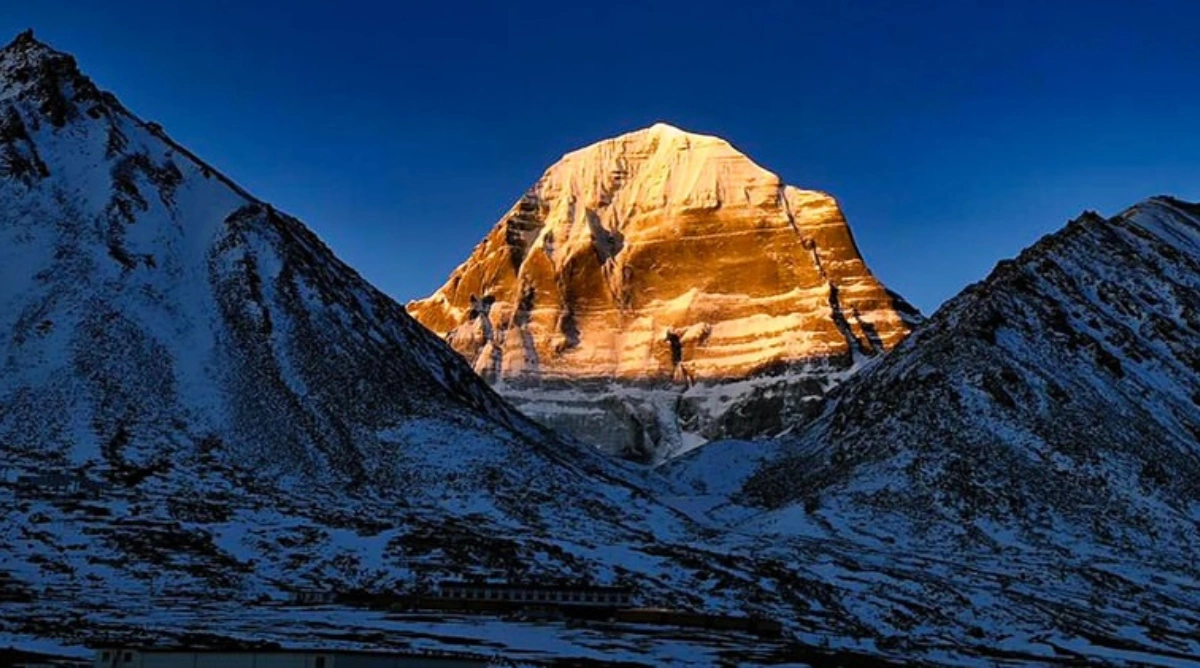
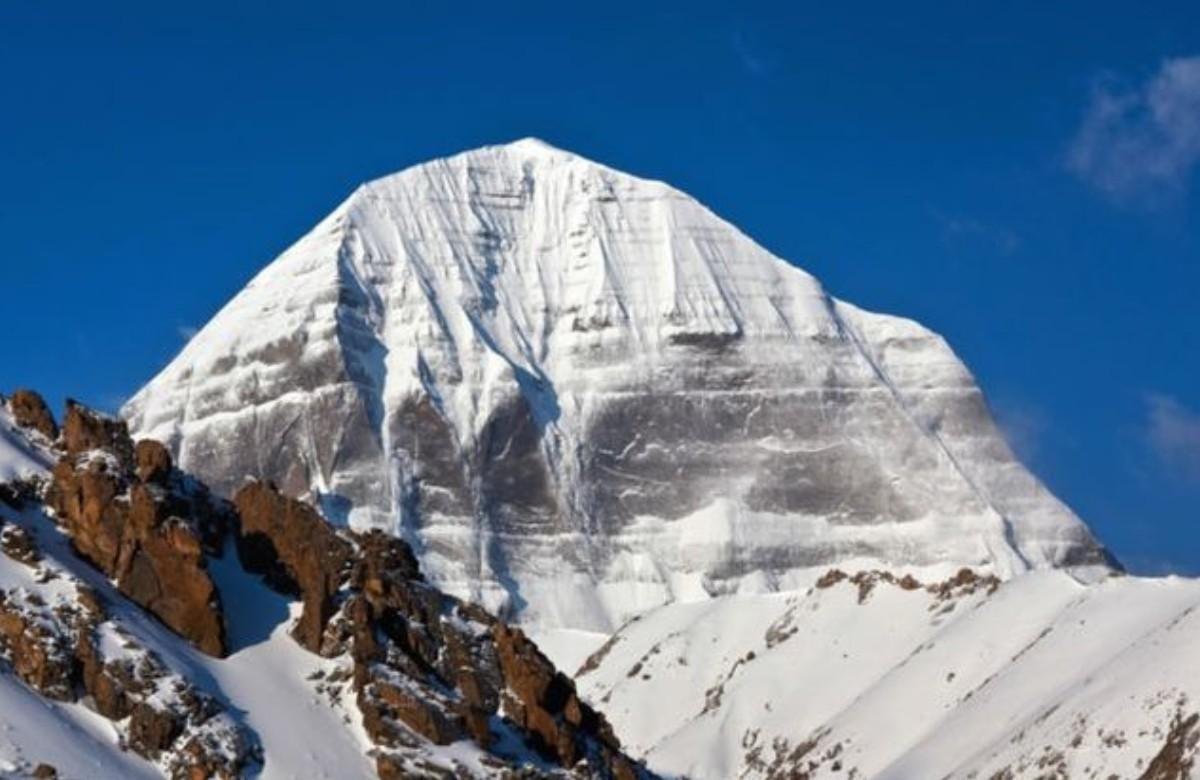
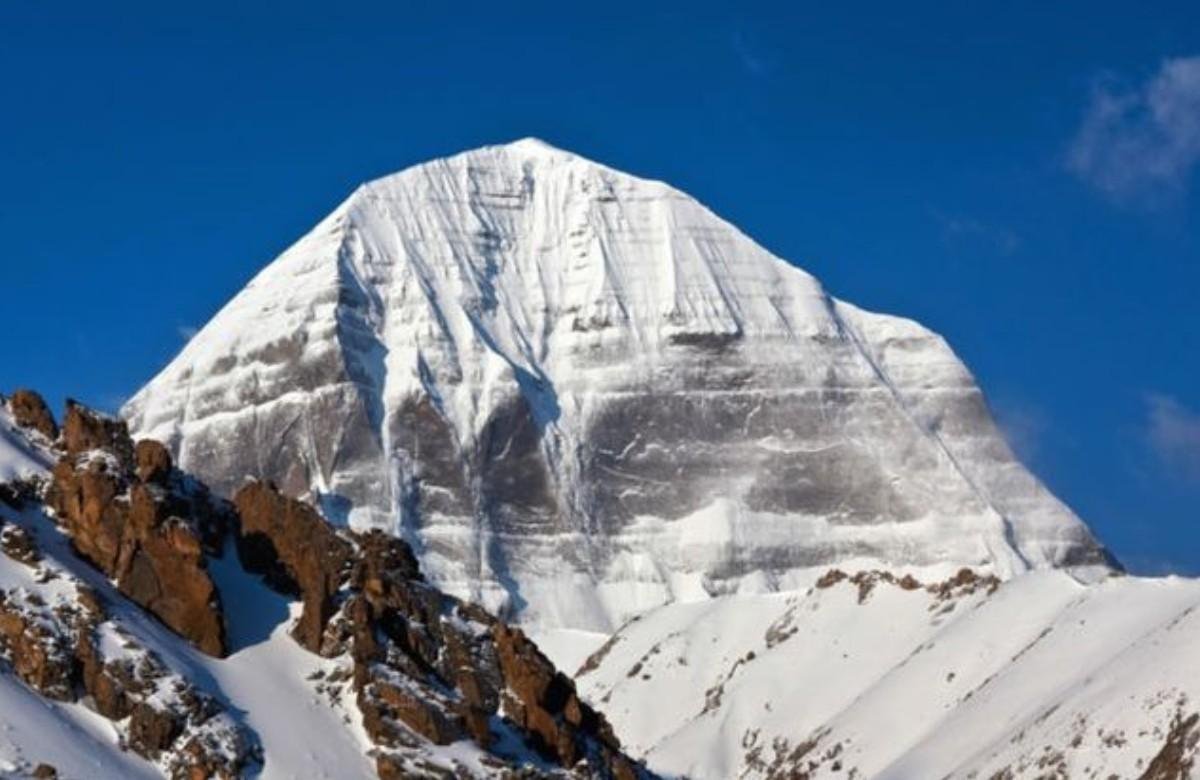
The parikrama of mount kailash is the sacred act of walking a complete circuit around the base of Mount Kailash — a 52 km path that takes pilgrims through some of the most remote and spiritually charged terrain on earth. The word parikrama itself means circumambulation, a ritual act of devotion practised across multiple faiths by walking clockwise around a sacred object, site, or deity. Mount Kailash, at 6,638 metres, is considered unclimbable and has never been officially summited — no permission has ever been granted, out of deep religious respect for the mountainacross all four traditions that revere it. The parikrama kailash is therefore the closest physical and spiritual engagement any pilgrim can have with the mountain. Walking around it, rather than up it, is itself the heart of the devotional act.
The Spiritual Significance of the Mount Kailash Parikrama
Few treks in the world carry the layered religious significance of the mount kailash parikrama. This single mountain is considered sacred by four entirely separate religious traditions — a rare convergence found nowhere else on earth.
Across Four Faiths
- Hinduism: Mount Kailash is believed to be the eternal abode of Lord Shiva and Goddess Parvati; completing the parikrama is believed to cleanse the soul of sins accumulated across lifetimes
- Buddhism: Kailash is associated with Mount Meru, the mythical spiritual axis of the universe; Tibetan Buddhists undertake the kora (their term for parikrama) as one of the highest acts of devotion
- Jainism: Kailash is revered as the site where Rishabhanatha, the first Jain Tirthankara, attained moksha (liberation)
- Bon: The pre-Buddhist Bon religion of Tibet considers Kailash its spiritual home and original sacred site
Why 2026 Carries Extra Significance for the Parikrama Kailash
According to the Tibetan and Chinese lunar zodiac, 2026 is the Year of the Fire Horse — an event that occurs once every 12 years. Ancient scriptures and Tibetan Buddhist tradition hold that completing a single parikrama of mount kailash during the Horse Year carries the spiritual merit equivalent to thirteen parikramas performed in any ordinary year. This belief has earned the year the title 'Mahakumbh of Kailash' among pilgrims and operators alike. The next Fire Horse Year will not occur again until 2038, making 2026 an unusually significant year to undertake this journey.
Kailash Parikrama Route: Day by Day
The kailash parikrama route is divided into three distinct days, each with its own character, challenge, and spiritual high point. Understanding what each day actually involves is the best preparation any pilgrim can have.
| Day | Route Segment | Distance | Altitude Range |
| 1 | Darchen → Dirapuk Monastery | ~20 km | 4575 m → 4920 m |
| 2 | Dirapuk → Zuthulpuk (via Dolma La Pass) | ~22 km | 4920 m → 5630 m |
| 3 | Zuthulpuk → Darchen | ~10 km | 4790 m → 4575 m |
| Total | Full Kailash Parikrama | 52 km | Up to 5630 m |
Day 1: Darchen to Dirapuk Monastery (20 km)
The parikrama begins at Darchen, the base town at 4,575 metres. The trail follows the Lha Chu river valley northward, gradually climbing through a stark, open landscape of rock and sky. As the path bends, the north face of Mount Kailash comes into full view — a near-vertical wall of black rock and permanent ice rising more than 2,000 metres above the valley floor. This is widely described as the single most striking visual moment of the entire kailash mansarovar yatra. Pilgrims camp for the night at Dirapuk Monastery, 4,920 metres, directly facing this iconic view.
Day 2: Dirapuk to Zuthulpuk via Dolma La Pass (22 km)
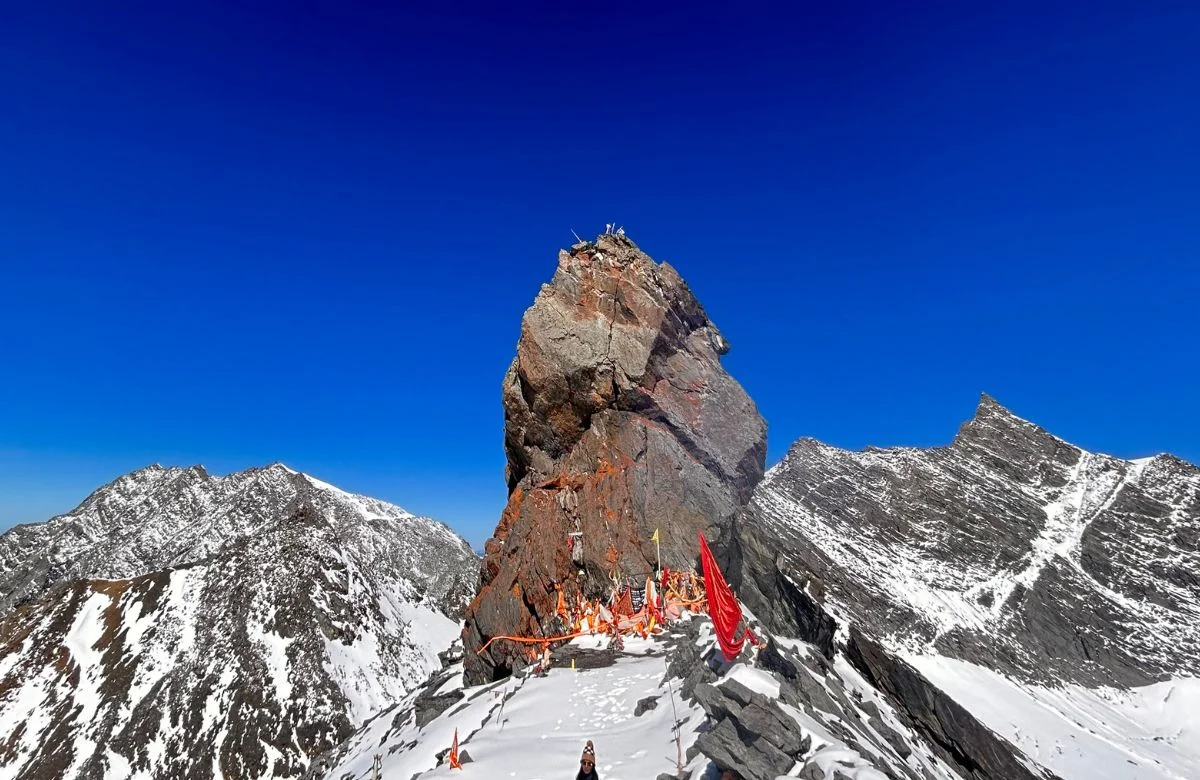
This is the defining day of the parikrama of mount kailash. Pilgrims typically begin walking before dawn, often by 4 AM, to cross the Dolma La Pass before the afternoon weather turns. The climb gains over 700 metres in altitude on a steep, rocky, and frequently snow-covered trail, reaching 5,630 metres at the pass itself. At Dolma La, pilgrims traditionally pause to pray, leave offerings, and tie prayer flags at the sacred boulder marking the highest point of the route. The descent that follows is long and hard on the knees, eventually levelling out near the holy Gauri Kund (also known as Thukpe Dzingbu), a frozen lake associated with Goddess Parvati. The day ends at Zuthulpuk, 4,790 metres, after a physically exhausting 22 km — the single hardest stretch most pilgrims will ever walk.
Day 3: Zuthulpuk Back to Darchen (10 km)
The final day is a relatively gentle descent along the southern and eastern flanks of Kailash, completing the circuit back at Darchen. Most pilgrims finish this stretch in 3 to 4 hours. Arriving back at the starting point completes the sacred circle — a moment that carries deep emotional and spiritual weight for almost every pilgrim who has walked the mount kailash parikrama.
How Difficult Is the Parikrama Kailash?
Honesty matters here. The parikrama kailash is genuinely strenuous, and pretending otherwise does pilgrims a disservice. This is not a casual walk — it is a sustained, multi-day trek at extreme altitude with one exceptionally demanding day in the middle.
What Makes It Difficult
- Every single kilometre of the parikrama is walked above 4,500 metres, where oxygen levels are roughly half of sea-level concentration
- Day 2 alone covers 22 km with a 700-metre altitude gain to Dolma La Pass — the most demanding single day of the journey
- Temperatures at the pass regularly fall below freezing even during peak season (May to September)
- There is no rest day built into the three-day circuit itself — the body must perform on consecutive days without recovery time
- Medical facilities are essentially non-existent along the route — the nearest meaningful help is hours or days away
Who Manages It Well
Most physically average adults who train seriously in advance, acclimatise properly during the approach journey, and pace themselves sensibly on Day 2 complete the parikrama of mount kailash successfully. Ponies and yaks are available for pilgrims who cannot walk the full distance, and porters can carry personal luggage so pilgrims only need to manage their own body weight on the trail.
How to Prepare for the Parikrama of Mount Kailash
Given the demands of the kailash parikrama, preparation is the single biggest factor separating a fulfilling journey from a painful one.
Physical Training
- Begin structured training 4 to 6 months before departure
- Build cardiovascular fitness through daily walking, jogging, or cycling — at least 45 minutes, 5 days a week
- Include long uphill hikes carrying a loaded backpack to simulate trail conditions
- Strengthen your legs specifically — squats, lunges, and step-downs help enormously on the Dolma La descent
- In the final 6 weeks, increase daily walking distance progressively up to 15 to 20 km
Medical and Acclimatisation Preparation
- Get a thorough medical check-up including ECG, blood pressure, and respiratory function at least 6 weeks before travel
- Consult your doctor about altitude sickness prevention medication such as Acetazolamide (Diamox)
- Spend adequate time at Mansarovar Lake (4,590 m) before beginning the parikrama — most itineraries build this in deliberately
- Carry a pulse oximeter to monitor your blood oxygen levels throughout the journey
- Never ignore early symptoms of altitude sickness — report headaches, nausea, or dizziness to your guide immediately
Essential Gear
- Layered thermal clothing — temperatures at Dolma La can fall to minus 10 to minus 20 degrees Celsius
- Waterproof, windproof outer jacket and trousers
- Sturdy, broken-in trekking boots with good ankle support
- Trekking poles — genuinely essential for the steep Dolma La descent
- Sleeping bag rated to at least minus 15 degrees Celsius
- Headlamp with spare batteries — Day 2 begins before dawn
- Sunglasses with UV protection and high-SPF sunscreen — UV exposure at this altitude is intense
Mansarovar Lake: The Sacred Prelude to the Parikrama
No discussion of the parikrama of mount kailash is complete without Lake Mansarovar — the sacred freshwater lake at 4,590 metres that every itinerary visits before the circuit begins. Pilgrims traditionally take a holy dip here, believed to wash away the accumulated sins of many lifetimes, and many pilgrims describe this moment as equally significant to the parikrama itself. Most itineraries, regardless of route, include at least one full day and night at Mansarovar before pilgrims proceed to Darchen to begin the 52 km circuit.
Conclusion
The parikrama of mount kailash is not simply a trek — it is one of the most profound spiritual journeys available to any pilgrim on earth. The 52 km circuit, the sight of Kailash's north face from Dirapuk, the breathless crossing of Dolma La Pass, and the holy waters of Mansarovar combine into an experience that pilgrims describe as transformative long after they return home. With 2026 marking the rare Fire Horse Year, the spiritual stakes — and the urgency to register early — have never been higher. Prepare your body, choose your route, and let the sacred mountain do the rest.