

- Amarnath Yatra
- @nagarjuna_travels
Every year, lakhs of pilgrims prepare for the sacred Amarnath Yatra, and one of the most common questions they ask is — what is the actual trekking distance? The confusion is understandable, as different sources mention different figures. Some say 36 km, others mention 48 km, while a few only talk about the shortest route.
The truth is that the Amarnath trekking distance depends entirely on the route you choose. More importantly, it’s not just about kilometres — the terrain, altitude, and weather conditions play an equally important role in defining the journey.
This guide simplifies everything for you, offering a clear, route-wise breakdown so you can plan your Yatra with confidence and clarity.
Overview of Amarnath Trekking Routes
There are two official routes to reach the holy Amarnath Cave:
The Pahalgam route, which is the traditional and longer path, and the Baltal route, which is shorter but more physically demanding.
The Pahalgam route spans approximately 46–48 km one way and usually takes 3 to 5 days to complete. It is ideal for pilgrims who prefer gradual altitude gain and a more spiritual, immersive journey.
On the other hand, the Baltal route is about 14 km one way and can be completed in a single day. However, the trail is steep, rugged, and requires good physical fitness.
Pahalgam to Amarnath Distance: Traditional Route Explained
The Pahalgam route is considered the most authentic way to undertake the Amarnath Yatra. This route allows pilgrims to gradually adapt to high altitude, making it safer and more comfortable for most travelers.
The trek technically begins from Chandanwari, which lies about 16 km from Pahalgam by road.
Stage 1: Chandanwari to Sheshnag (12–14 km)
This stretch includes the challenging climb to Pissu Top, followed by a descent to the beautiful Sheshnag Lake. The trail takes around 5 to 7 hours and offers mesmerizing views of snow-covered peaks.
Stage 2: Sheshnag to Panchtarni (14–16 km)
This is the longest and most demanding section, crossing Mahagunas Top, the highest point on this route. The descent towards Panchtarni requires careful footing due to steep terrain.
Stage 3: Panchtarni to Amarnath Cave (6 km)
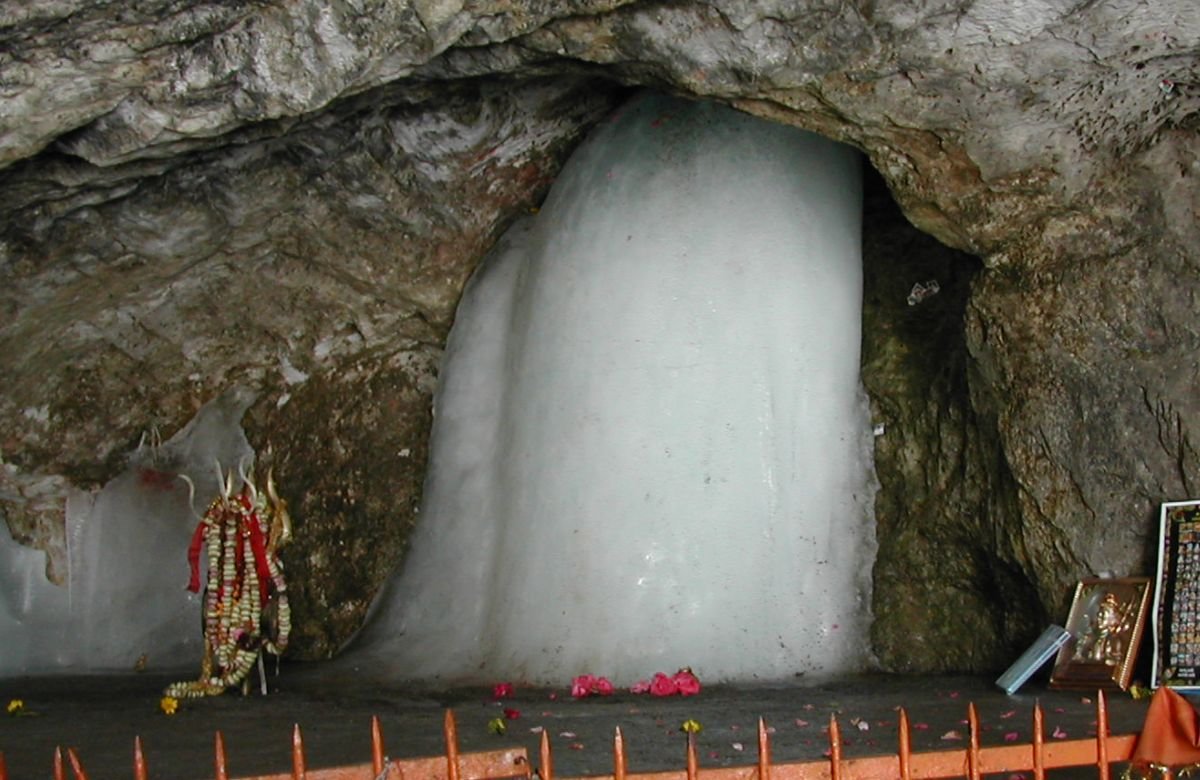
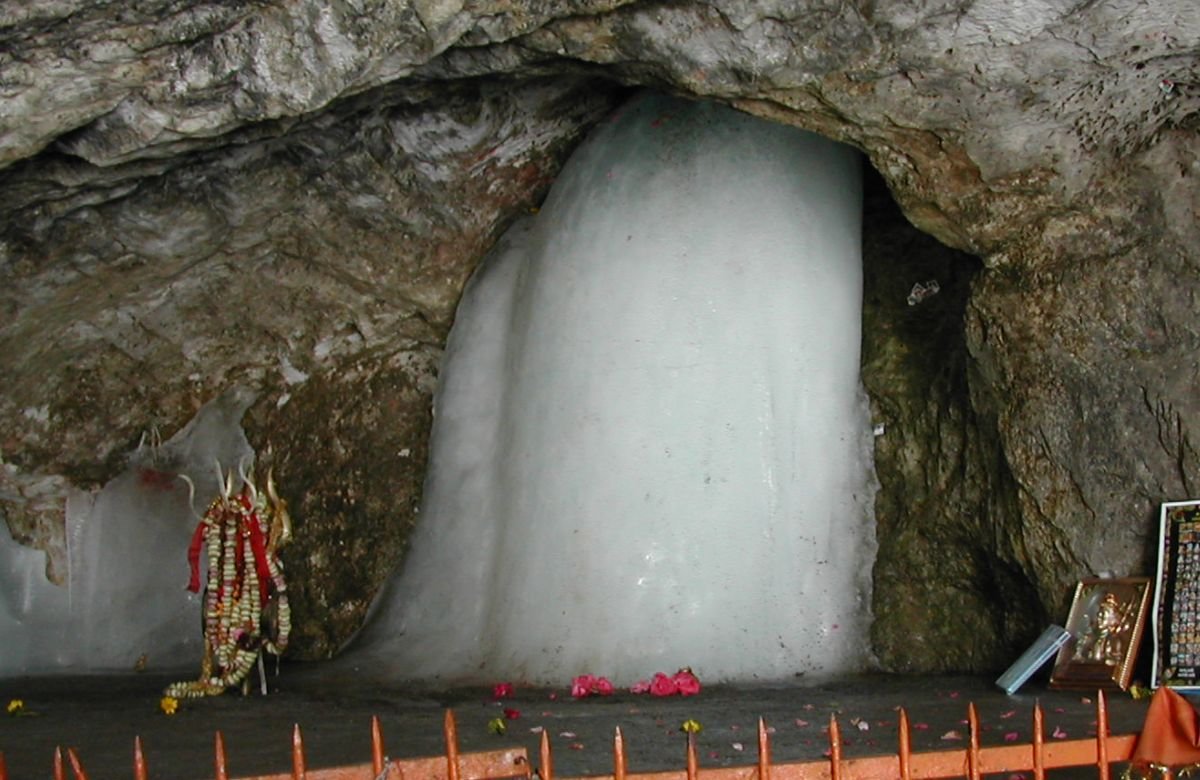
The final leg is relatively easier but spiritually significant. After a few hours of trekking, pilgrims reach the sacred cave where the ice Shiva Lingam is located.
In total, the Pahalgam route covers approximately 46–48 km one way.
Baltal to Amarnath Trek Distance: The Short Route
The Baltal route is the fastest way to reach the Amarnath Cave, covering about 14 km one way. It is often chosen by pilgrims with limited time.
However, this route should not be underestimated. Despite being shorter, it involves a steep ascent with continuous uphill climbing and rocky terrain. Most pilgrims complete the journey in a single day, including the return.
This route is best suited for physically fit individuals who are comfortable with intense trekking conditions.
Comparison of Both Routes
When comparing both routes, the difference lies not just in distance but also in experience.
The Pahalgam route is longer but offers a gradual climb, better acclimatization, scenic beauty, and a traditional spiritual experience. In contrast, the Baltal route is shorter but more physically demanding due to its steep gradient.
Pilgrims looking for a peaceful and immersive journey usually prefer the Pahalgam route, while those short on time often opt for Baltal.
Understanding the Real Challenge of the Trek
The Amarnath Yatra is not a typical trek. High altitude is one of the biggest challenges, with the cave located at around 3,888 meters above sea level. Oxygen levels are lower, which makes even short distances feel exhausting.
Weather conditions are unpredictable, with sudden rain, cold winds, or even snowfall possible during the Yatra season. The terrain is rocky and uneven, requiring careful walking throughout.
In addition, large crowds during peak season can slow down progress and add to the physical strain.
Time Required to Complete the Trek
The time required depends on your fitness level.
Experienced trekkers can complete the Pahalgam route in about 3 days, while moderate fitness levels may take 4 to 5 days. Beginners often require more time for acclimatization.
For the Baltal route, most pilgrims complete the trek in 6 to 10 hours, though this varies depending on stamina and weather conditions.
Helicopter Option: Reducing Trek Distance
For those who cannot complete the full trek, helicopter services are available from both Pahalgam and Baltal.
The helicopter drops pilgrims at Panchtarni, from where a 6 km trek to the cave still remains. While this significantly reduces the overall distance, weather conditions can affect flight operations, so it is always advisable to have a backup plan.
Preparation for the Amarnath Trek
Preparing for the Amarnath Yatra is essential for a safe and comfortable experience.
Physical preparation should begin at least 6 to 8 weeks in advance, focusing on walking, stamina building, and leg strength. Medical fitness is mandatory, and pilgrims must carry a valid health certificate.
It is equally important to carry proper gear, including warm clothing, waterproof jackets, trekking shoes, and essential supplies such as water, snacks, and medicines.
Acclimatization is crucial, so spending at least one day at the base location before starting the trek is highly recommended.
Best Time for Amarnath Yatra
The Yatra usually takes place between late June and mid-August, depending on official announcements.
Early season offers fewer crowds but colder conditions, while mid-season provides relatively stable weather but higher footfall. Peak days around Shravan Purnima witness maximum pilgrims.
Spiritual Significance of the Journey
The Amarnath Yatra is not just about distance — it is a deeply spiritual journey. Every step taken on this sacred path is believed to bring devotees closer to Lord Shiva.
From the starting point at Pahalgam to the final darshan at the Amarnath Cave, each location holds religious importance. The naturally formed ice Shiva Lingam inside the cave is considered a divine manifestation and the ultimate goal of the Yatra.
Conclusion
The Amarnath trekking distance may vary depending on the route you choose, but the essence of the journey remains the same. Whether you walk the longer, scenic Pahalgam route or take the shorter but steep Baltal path, the experience is equally powerful and transformative.
Proper preparation, route awareness, and respect for the mountains are key to completing this sacred journey safely.
Once you reach the holy cave and witness the ice Shiva Lingam, every step of the trek feels worthwhile — making it a journey that stays with you for a lifetime.