





- Amarnath Yatra
- @nagarjuna_travels
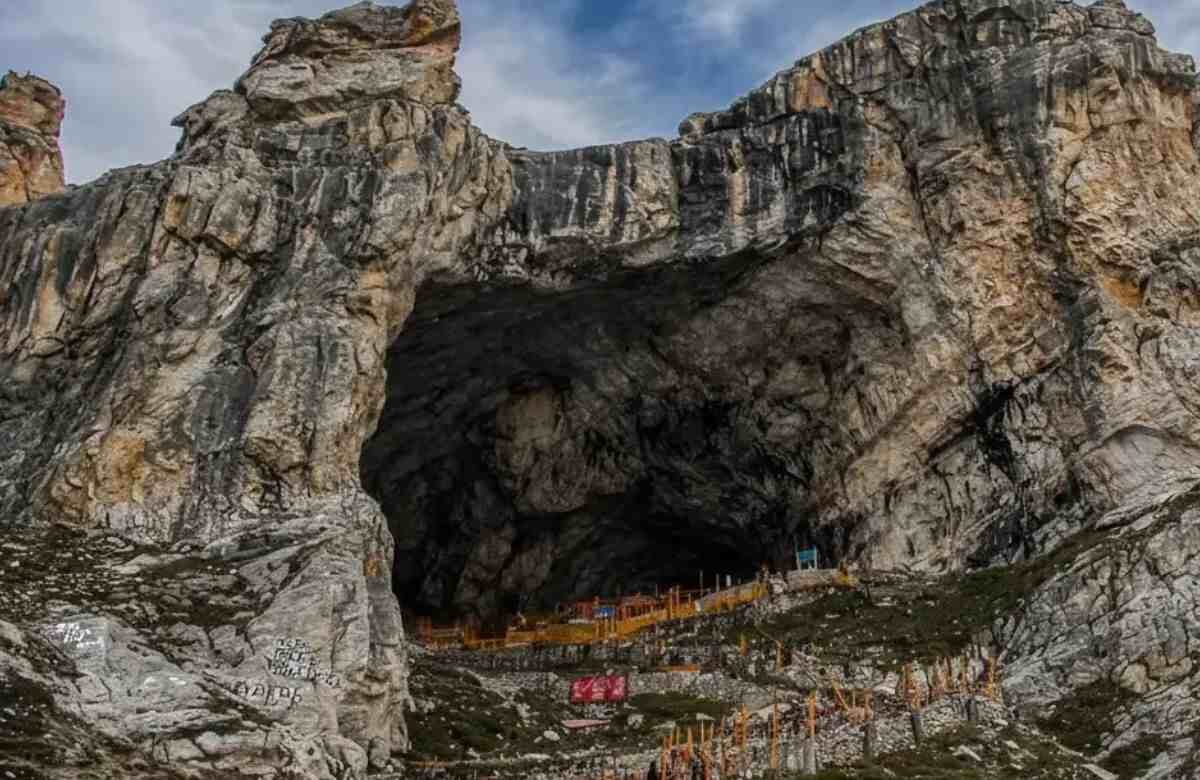
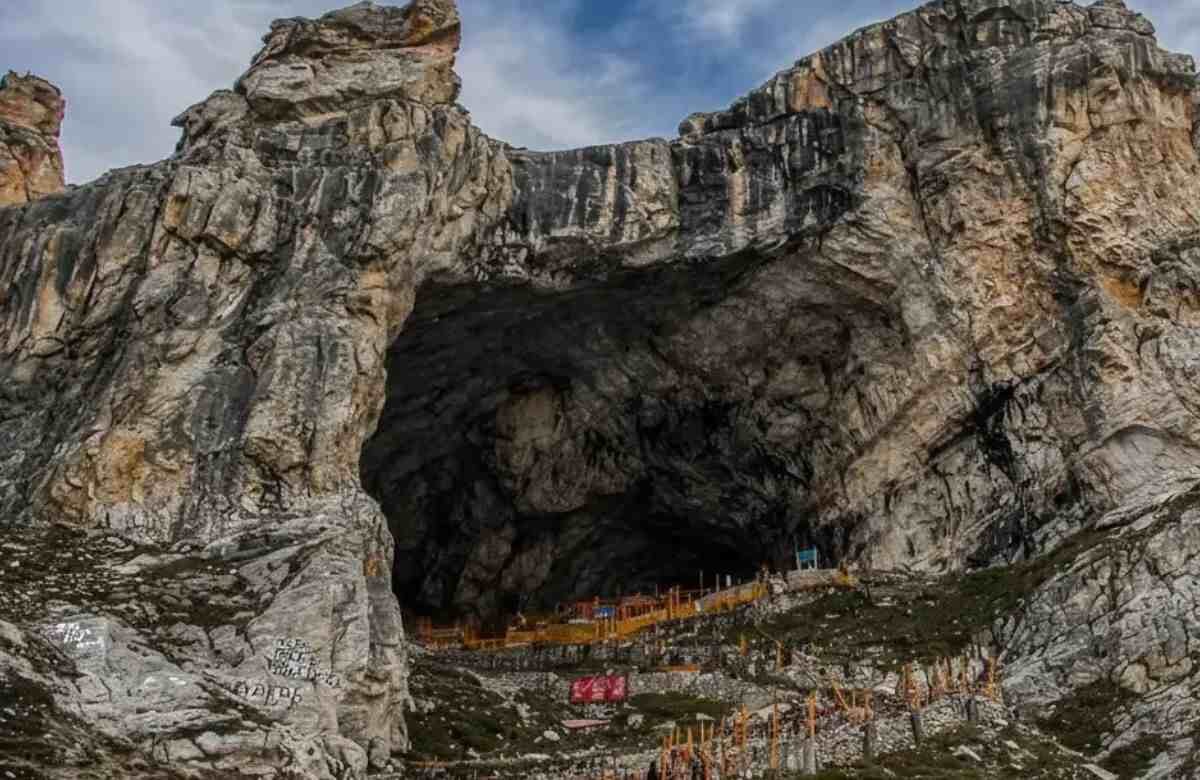
The annual Amarnath Yatra is one of India's most revered Hindu pilgrimages, attracting lakhs of devotees from across the country and abroad. Every year, pilgrims undertake this sacred journey to seek the blessings of Lord Shiva at the holy Amarnath Cave, located at an altitude of approximately 3,888 meters (12,756 feet) in the Himalayas of Jammu & Kashmir.
Since the shrine remains covered under heavy snow for most of the year, the pilgrimage is organized only for a limited period during the summer months. Therefore, knowing the official opening and closing dates is essential for planning a safe and successful pilgrimage.
Amarnath Yatra 2026 Opening Date
The Shri Amarnathji Shrine Board (SASB) has announced that the Amarnath Yatra 2026 will commence on 3 July 2026. Pilgrims can begin their journey from both the traditional Pahalgam route and the shorter Baltal route from this date onward.
The opening of the Yatra is marked by the ceremonial Pratham Pooja, performed before the shrine is opened for devotees. This ritual signifies the beginning of one of the most sacred Himalayan pilgrimages.
Amarnath Yatra 2026 Closing Date
The Amarnath Yatra 2026 will conclude on 28 August 2026, coinciding with the auspicious occasion of Shravan Purnima (Raksha Bandhan). The pilgrimage will remain open for 57 days, allowing devotees sufficient time to complete their journey while ensuring safety during the favorable weather window.
After the closing date, the shrine becomes inaccessible due to snowfall and extreme weather conditions.
Why Does Amarnath Yatra Open Only for a Limited Time?
Unlike most temples, the Amarnath Cave remains inaccessible throughout the year because of heavy snowfall and harsh Himalayan weather.
The Yatra is organized only during the summer months because:
- Snow melts sufficiently to open trekking routes.
- Weather becomes comparatively stable.
- Medical and rescue facilities can be established.
- Security arrangements can be effectively managed.
- The naturally formed Ice Shivling reaches its peak formation during the holy month of Shravan.
As winter approaches, fresh snowfall blocks the routes once again, making travel impossible.
Historical Pattern of Opening and Closing Dates
Every year, the exact schedule is decided by the Shri Amarnathji Shrine Board after evaluating:
- Weather forecasts
- Snow conditions
- Route safety
- Security assessments
- Lunar calendar (Shravan month)
Generally, the Yatra opens in late June or early July and concludes in August on Shravan Purnima.
Best Time to Visit During the Yatra
Although the pilgrimage remains open for several weeks, the experience varies depending on when you travel.
Early July
- Fresh snow on surrounding mountains
- Pleasant temperatures
- Moderate crowds
- Excellent photography opportunities
Mid-July to Early August
- Peak pilgrimage season
- Maximum facilities available
- Larger crowds
- Lively spiritual atmosphere
Late August
- Cooler weather
- Comparatively fewer pilgrims
- Higher chances of rainfall before the Yatra concludes
Two Official Routes to the Holy Cave
1. Pahalgam Route
The traditional pilgrimage route begins from Pahalgam and passes through:
- Chandanwari
- Pissu Top
- Sheshnag
- Mahagunas Pass
- Panchtarni
- Holy Amarnath Cave
This route is approximately 48 km and usually takes 3–5 days to complete. It is considered the more scenic and gradual route.
2. Baltal Route
The Baltal route is approximately 14 km long and is much steeper.
Many experienced pilgrims complete the trek in a single day, although it requires good physical fitness.
Registration Before the Opening Date
Registration generally begins several weeks before the Yatra starts.
Pilgrims are required to complete:
- Online or offline registration
- Compulsory Health Certificate (CHC)
- Valid government-issued photo ID
- Route and date selection
Without a valid Yatra Permit, pilgrims are not allowed to undertake the journey.
Important Tips Before Planning Your Journey
- Register well in advance.
- Choose your travel dates early, especially if traveling during weekends.
- Carry warm clothing, rain protection, trekking shoes, and essential medicines.
- Acclimatize properly to high altitude.
- Follow official weather advisories.
- Respect environmental guidelines and avoid littering.
- Travel only on your allotted registration date.
Frequently Asked Questions
When does Amarnath Yatra 2026 start?
The pilgrimage officially begins on 3 July 2026.
What is the closing date of Amarnath Yatra 2026?
The Yatra concludes on 28 August 2026, on the occasion of Shravan Purnima (Raksha Bandhan).
How many days will the Yatra remain open?
The pilgrimage will remain open for 57 days.
Which route is easier?
The Pahalgam route is longer but offers a gradual ascent, making it suitable for many first-time pilgrims. The Baltal route is shorter but steeper and more physically demanding.
Conclusion
The Amarnath Yatra is far more than a mountain trek—it is a profound spiritual journey that tests faith, endurance, and devotion. With the 2026 Yatra scheduled from 3 July to 28 August, devotees should begin planning early by completing registration, obtaining the necessary medical certification, and preparing physically for the high-altitude pilgrimage.
Whether you choose the traditional Pahalgam route or the shorter Baltal route, proper planning and adherence to official guidelines will help ensure a safe, memorable, and spiritually fulfilling journey to the sacred abode of Lord Shiva.