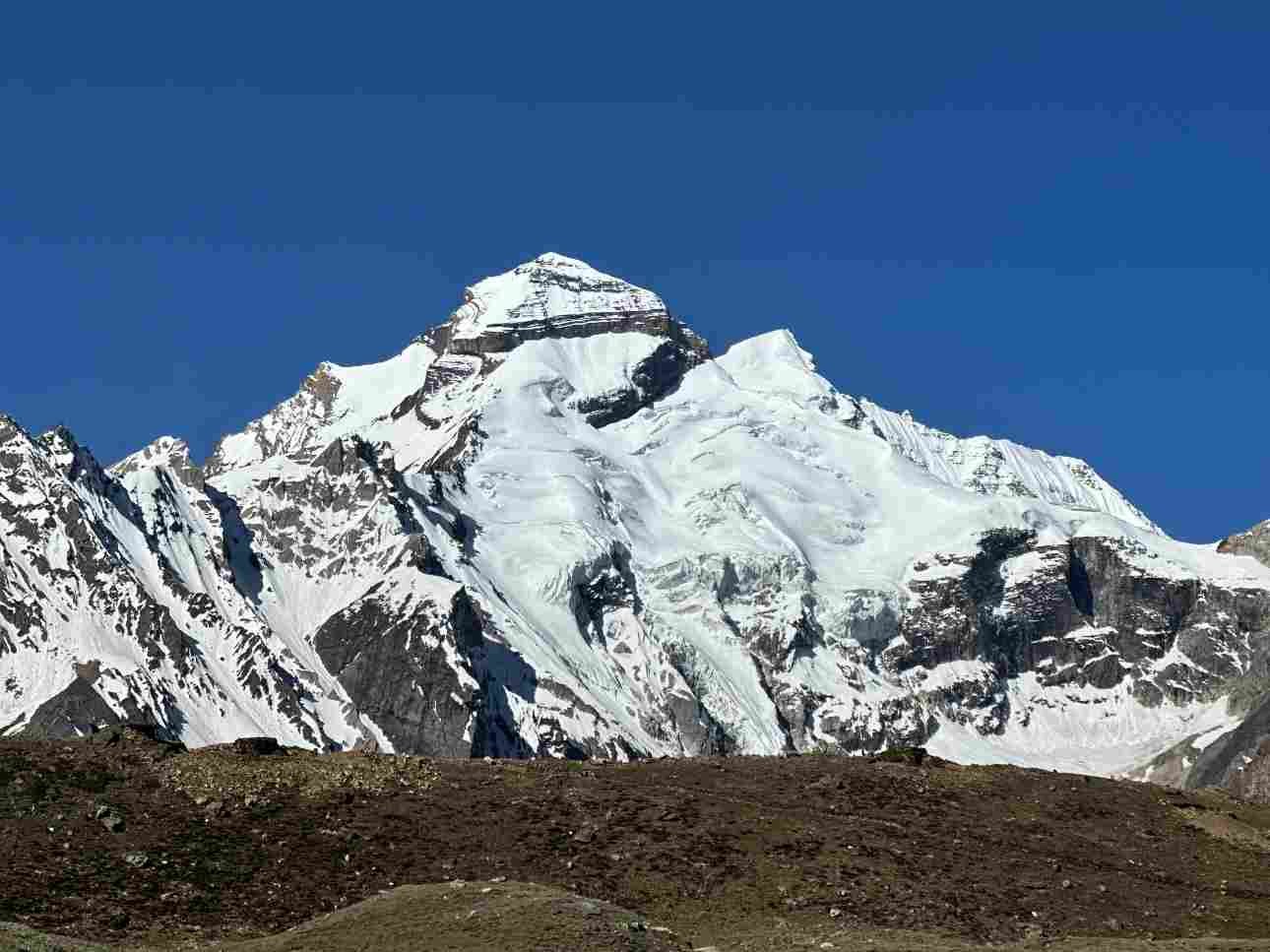
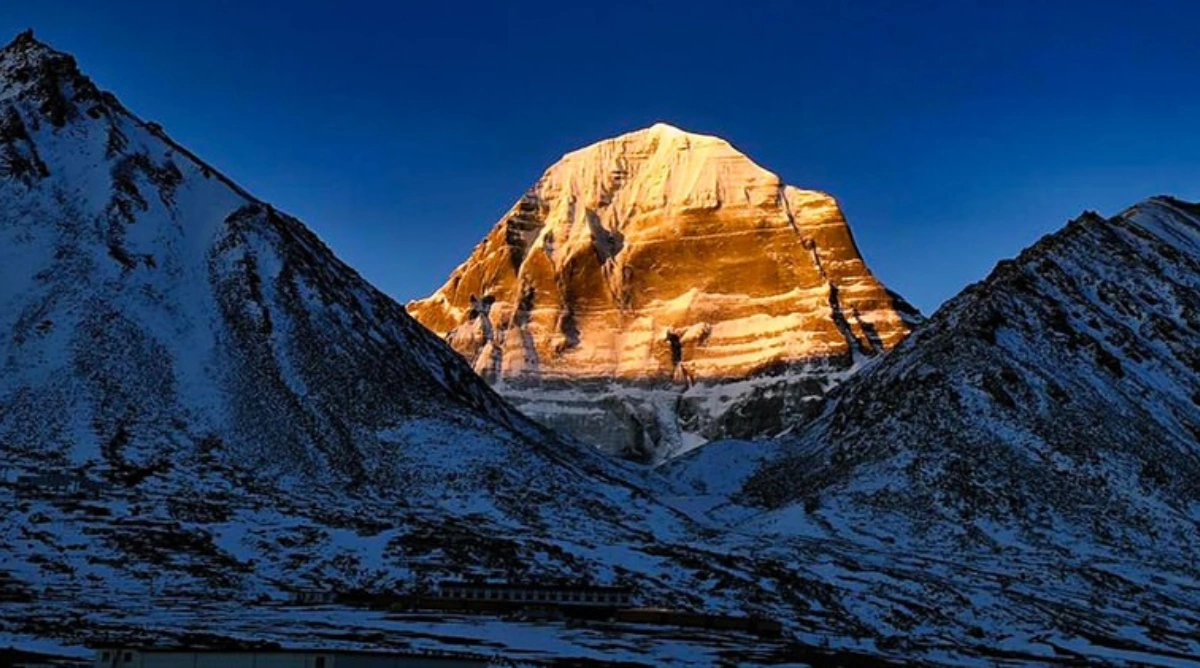

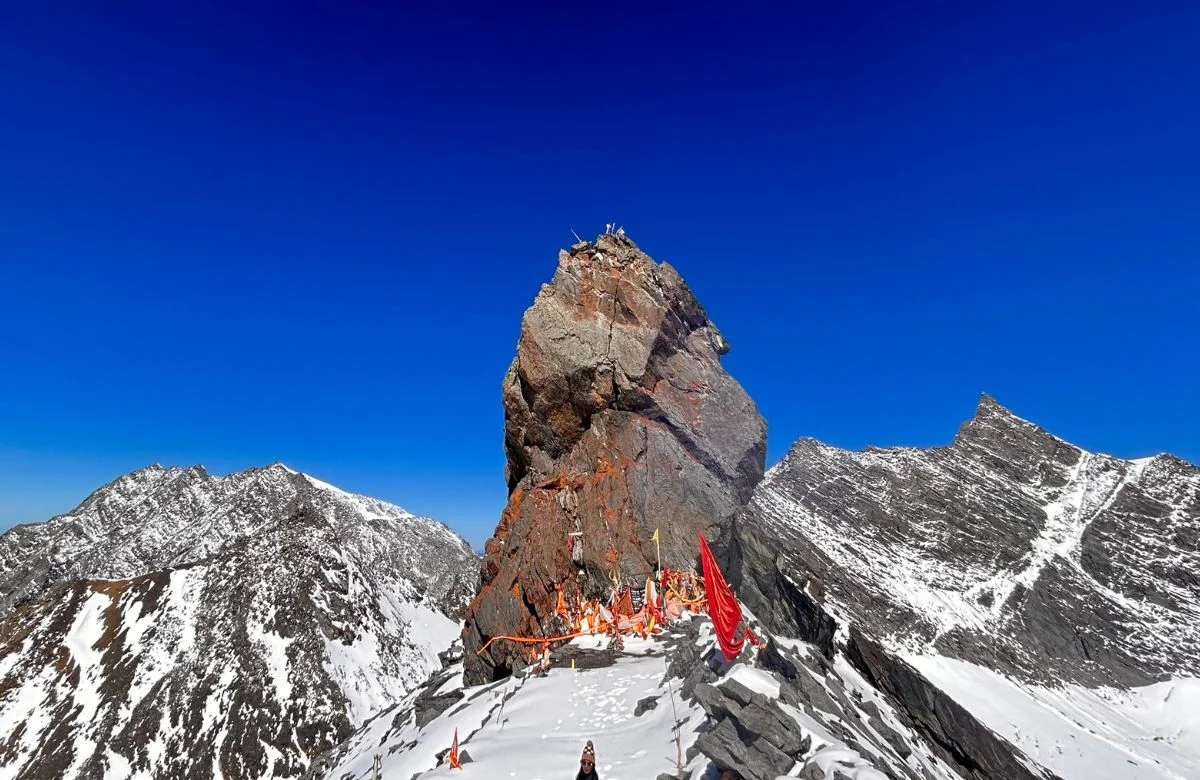

- Uttarakhand Tours
- Chandan_singh
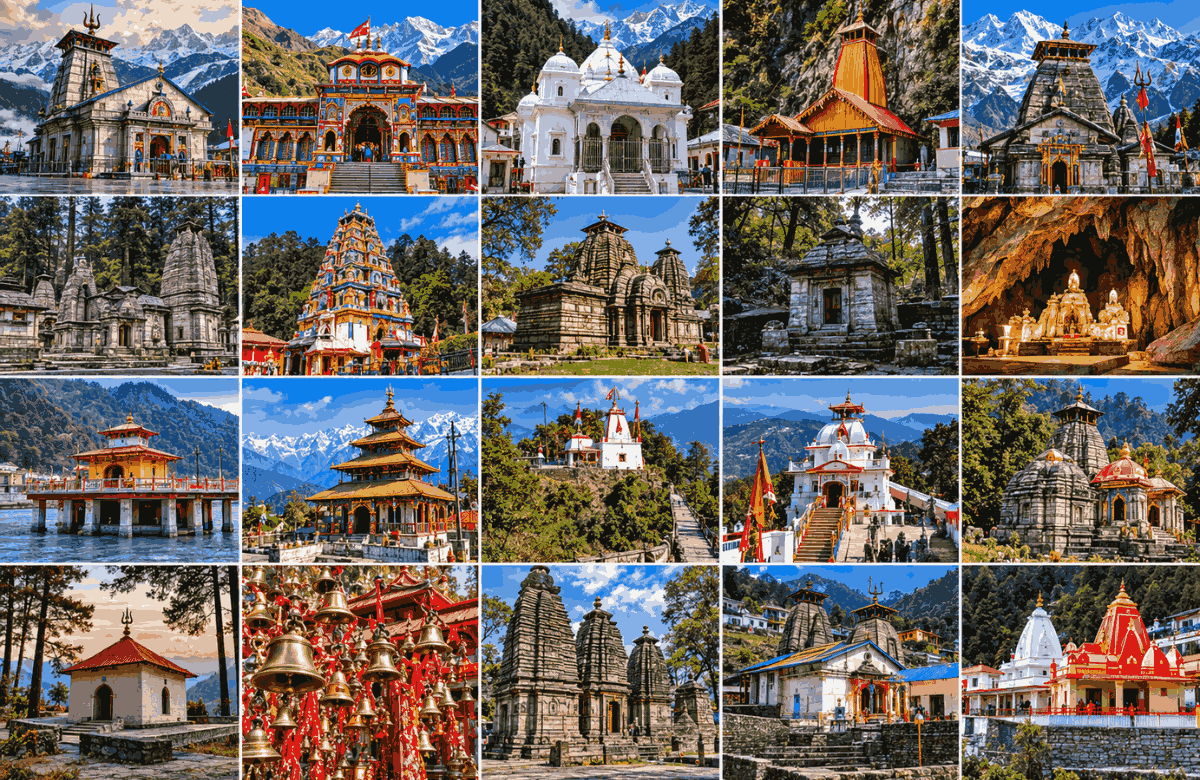
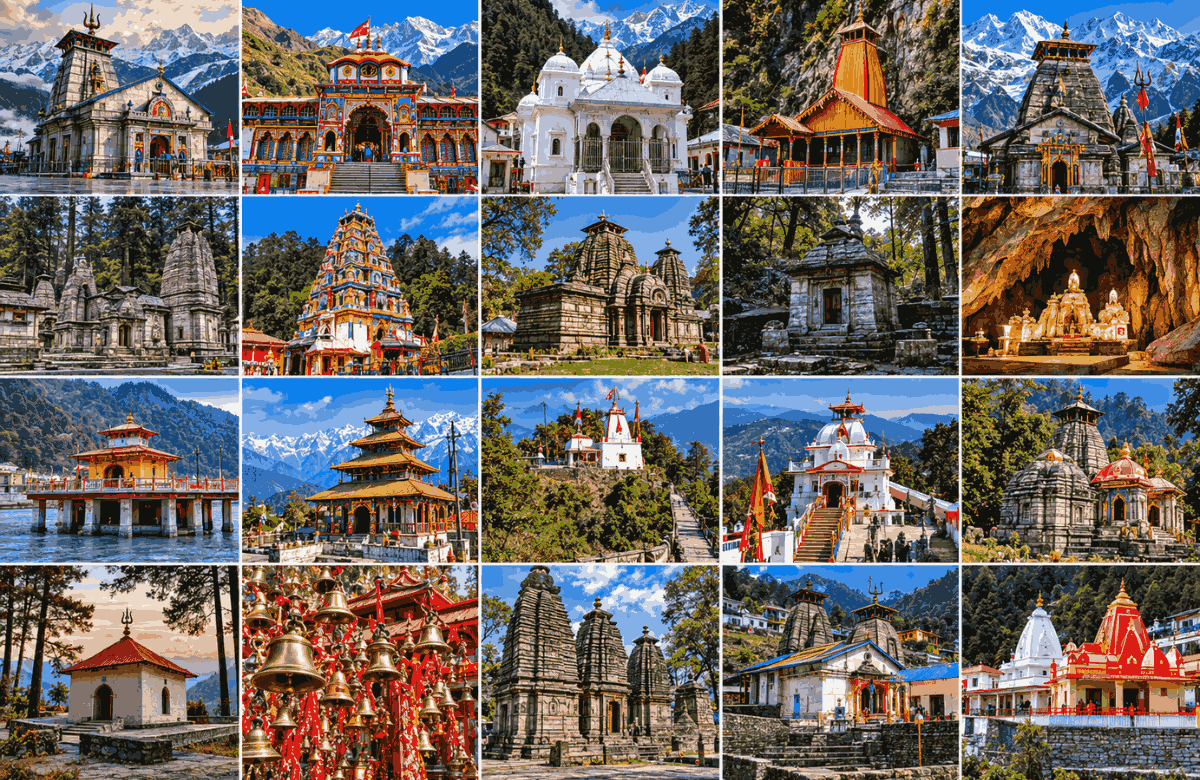
Uttarakhand, popularly known as Devbhoomi or the Land of the Gods, is home to some of India's most revered Hindu temples. Located amid the majestic Himalayas, these sacred places attract pilgrims, spiritual seekers, history enthusiasts and travellers throughout the year. From the world-famous Char Dham pilgrimage to ancient Shiva temples in Kumaon, powerful Devi shrines in Garhwal and Hanuman temples near Nainital, the state offers a remarkable variety of religious and cultural experiences. However, planning a temple trip can be confusing. Some shrines require long treks, some are accessible by road, and others have seasonal opening schedules. If you are looking for famous temples in Uttarakhand, it helps to know which temples are dedicated to Shiva, Devi, Hanuman and other Hindu deities, as well as which places are associated with traditional Hindu weddings.
This guide covers 20 famous temples in Uttarakhand, along with their locations, religious significance, travel information, the best time to visit and practical planning tips.
20 Famous Temples in Uttarakhand at a Glance
| No. | Temple | Deity or tradition | Location | Famous for |
|---|---|---|---|---|
| 1 | Kedarnath Temple | Lord Shiva | Rudraprayag | Char Dham, Jyotirlinga and Panch Kedar |
| 2 | Badrinath Temple | Lord Vishnu | Chamoli | Char Dham and Badrinarayan |
| 3 | Gangotri Temple | Goddess Ganga | Uttarkashi | Char Dham and the sacred Ganga tradition |
| 4 | Yamunotri Temple | Goddess Yamuna | Uttarkashi | Char Dham pilgrimage |
| 5 | Tungnath Temple | Lord Shiva | Rudraprayag | Highest temple of the Panch Kedar |
| 6 | Jageshwar Dham | Lord Shiva | Almora | Ancient temple complex |
| 7 | Neelkanth Mahadev Temple | Lord Shiva | Near Rishikesh | Legend of Shiva drinking poison |
| 8 | Baijnath Temple | Lord Shiva | Gomti Valley, Kumaon | Temple associated with the Katyuri dynasty |
| 9 | Binsar Mahadev Temple | Lord Shiva | Kumaon region | Forest surroundings and spiritual atmosphere |
| 10 | Patal Bhuvaneshwar | Lord Shiva | Pithoragarh district | Sacred limestone cave |
| 11 | Dhari Devi Temple | Goddess Kali | Pauri Garhwal | Guardian goddess associated with Char Dham tradition |
| 12 | Surkanda Devi Temple | Goddess Durga/Sati | Near Dhanaulti | Hilltop Shakti Peeth tradition |
| 13 | Mansa Devi Temple | Goddess Mansa Devi | Haridwar | Hilltop shrine and wish-fulfilment beliefs |
| 14 | Chandi Devi Temple | Goddess Chandi | Haridwar | Hilltop shrine dedicated to Goddess Chandi |
| 15 | Nanda Devi Temple | Goddess Nanda Devi | Almora | Patron goddess of Kumaon |
| 16 | Kasar Devi Temple | Goddess Kasar Devi | Near Almora | Hilltop setting and panoramic views |
| 17 | Chitai Golu Devta Temple | Golu Devta | Near Almora | Bells, petitions and the god of justice |
| 18 | Katarmal Sun Temple | Surya, the Sun God | Near Almora | Ancient Sun temple associated with the Katyuri dynasty |
| 19 | Triyuginarayan Temple | Vishnu and Shiva-Parvati wedding tradition | Rudraprayag | Traditional wedding destination and eternal flame |
| 20 | Kainchi Dham | Neem Karoli Baba tradition | Near Nainital | Popular spiritual centre and ashram |
Bonus temple: Hanumangarhi in Nainital is another well-known religious destination in Uttarakhand.
Quick Answer: Which Are the Most Famous Temples in Uttarakhand?
The most famous temples in Uttarakhand include Kedarnath, Badrinath, Gangotri, Yamunotri, Tungnath, Jageshwar Dham, Neelkanth Mahadev, Dhari Devi, Surkanda Devi and Triyuginarayan. The four Char Dham temples are the state's best-known pilgrimage destinations. For Shiva devotees, Kedarnath and Tungnath are major attractions. For Devi worship, Dhari Devi, Surkanda Devi, Mansa Devi and Chandi Devi are popular choices.
If you are searching for an Uttarakhand temple famous for marriage, Triyuginarayan is the best-known destination because tradition associates it with the wedding of Lord Shiva and Goddess Parvati.
1. The Char Dham Temples of Uttarakhand
The Char Dham of Uttarakhand, also known as the Chota Char Dham, is one of India's most significant Hindu pilgrimage circuits. These four shrines are situated in the Garhwal Himalayas and are traditionally visited in the following order:
Yamunotri
Gangotri
Kedarnath
Badrinath
Each temple has its own religious significance and travel requirements.
1.1 Kedarnath Temple
Location: Rudraprayag district
Deity: Lord Shiva
Altitude: Approximately 3,583 metres
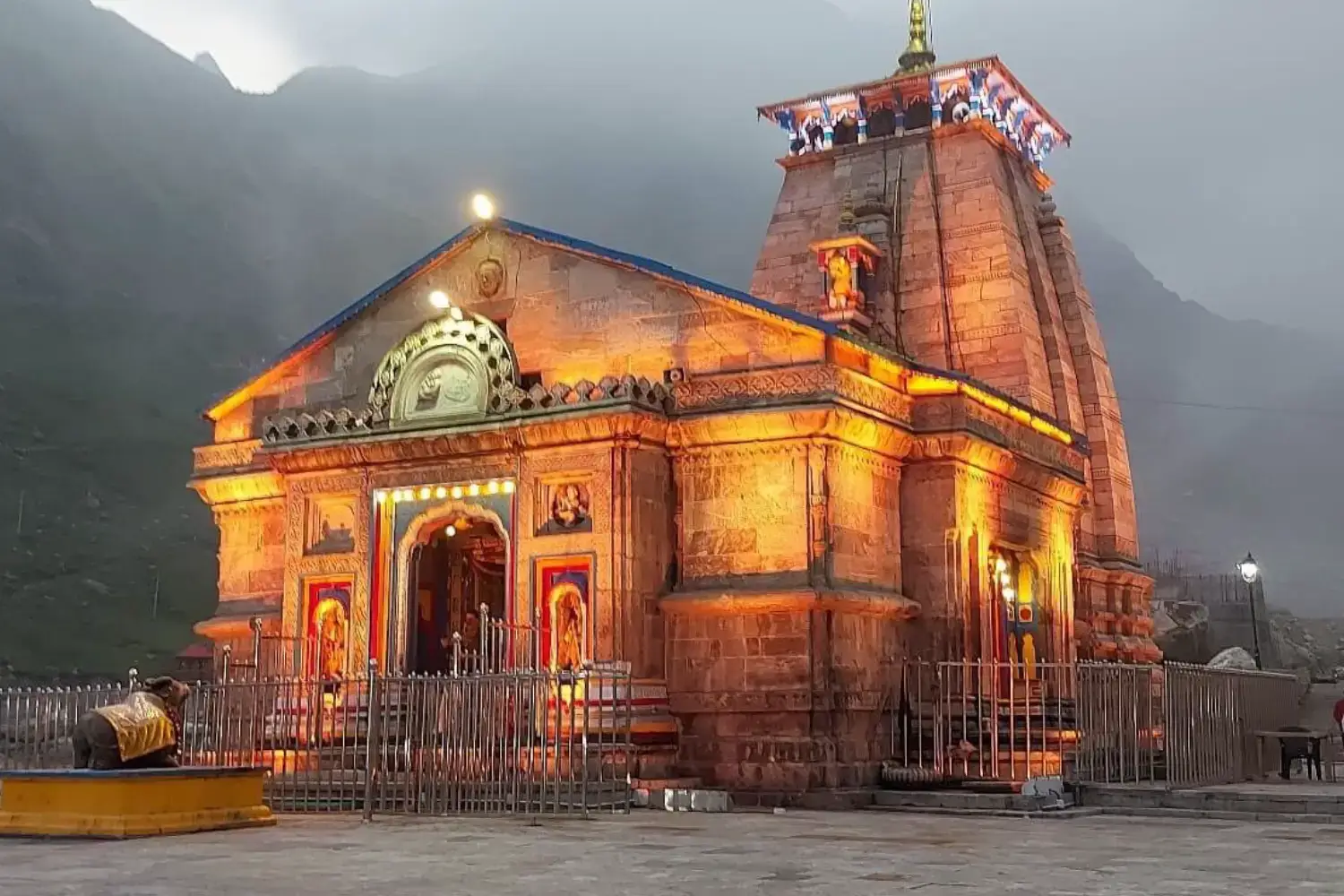
Kedarnath is one of the twelve Jyotirlingas of Lord Shiva and is also the first temple in the Panch Kedar tradition. Surrounded by dramatic Himalayan peaks, it is among the most important pilgrimage destinations in Uttarakhand. The temple is not directly accessible by road. Pilgrims generally travel to Gaurikund and continue on an uphill route of approximately 17 km, according to the source used for this guide. The actual journey can be physically demanding, depending on weather, fitness and trail conditions. A government-run helicopter service also operates for Kedarnath, subject to current arrangements and availability.
Winter seat: Ukhimath.
Travel tip: Check official pilgrimage registration requirements, weather alerts, road conditions and helicopter information before travelling.
1.2 Badrinath Temple
Location: Chamoli district
Deity: Lord Vishnu as Badrinarayan
Badrinath is one of the four Char Dham shrines and is dedicated to Lord Vishnu. It is the final stop in the traditional Char Dham sequence. Unlike Kedarnath, Badrinath can be reached directly by road when the route is open. Its high-altitude Himalayan setting makes it an important destination for both religious pilgrims and travellers exploring the region.
Winter seat: Narsingh Temple in Joshimath.
1.3 Gangotri Temple
Location: Uttarkashi district
Deity: Goddess Ganga
Gangotri is one of the most sacred temples associated with the River Ganga. Hindu tradition holds that the goddess descended to Earth through the Himalayas. The temple is part of the Char Dham pilgrimage and is accessible by road when the route is open.
Winter seat: Mukhba village near Harsil.
1.4 Yamunotri Temple
Location: Uttarkashi district
Deity: Goddess Yamuna
Yamunotri is dedicated to Goddess Yamuna and is the first stop in the traditional Char Dham sequence. Pilgrims often visit the nearby hot springs before offering prayers. The final approach involves travelling beyond the nearest motorable point, with the exact arrangements depending on current conditions.
Winter seat: Kharsali.
Char Dham Access at a Glance
| Temple | Road access | Important consideration | Winter seat |
|---|---|---|---|
| Yamunotri | Road followed by a final approach on foot or other permitted transport | Check trail and weather conditions | Kharsali |
| Gangotri | Direct road access when open | Check road status and seasonal opening | Mukhba |
| Kedarnath | Road to Gaurikund, followed by an uphill journey or permitted helicopter service | Trek planning, registration and weather | Ukhimath |
| Badrinath | Direct road access when open | Check seasonal road conditions | Joshimath's Narsingh Temple |
Char Dham Opening and Closing Dates for 2026
The source document lists the following 2026 dates. Closing dates are tentative and can change through official announcements.
| Temple | Opening date listed for 2026 | Tentative closing date |
|---|---|---|
| Yamunotri | 19 April 2026 | 11 November 2026 |
| Gangotri | 19 April 2026 | 10 November 2026 |
| Kedarnath | 22 April 2026 | 11 November 2026 |
| Badrinath | 23 April 2026 | 13 November 2026 |
These are dates recorded in the source material, not a guarantee of current access. Before travelling, check official temple committee notices and government pilgrimage updates.
The Char Dham season generally runs from spring until autumn, with the temples closing around the Diwali period or Bhai Dooj, depending on the shrine and official schedule.
2. Panch Kedar: The Sacred Shiva Temples
The Panch Kedar refers to five important temples dedicated to Lord Shiva in the Garhwal Himalayas. According to tradition, different parts of Shiva are worshipped at each location.
The five temples are:
Kedarnath: Associated with Shiva's hump.
Tungnath: Associated with Shiva's arms.
Rudranath: Associated with Shiva's face.
Madhyamaheshwar: Associated with Shiva's navel and middle part.
Kalpeshwar: Associated with Shiva's hair.
Tungnath Temple
Location: Rudraprayag district
Altitude: Approximately 3,680 metres
Tungnath is described as the highest of the Panch Kedar temples. It is especially popular with pilgrims and trekking enthusiasts because reaching the shrine involves a mountain walk from Chopta. The source used for this guide estimates the trek at approximately 5 km and gives a walking time of around four to five hours. Actual time varies according to fitness, weather and trail conditions.
Best season listed in the source: April to September.
Winter seat listed in the source: Markandeshwar Temple at Makkumath.
Tungnath is a good option for travellers who want to combine a Shiva pilgrimage with a Himalayan trekking experience.
3. Famous Shiva and Mahadev Temples in Uttarakhand
Uttarakhand is closely associated with Lord Shiva. Along with Kedarnath and Tungnath, several ancient temples and sacred sites attract devotees across Garhwal and Kumaon.
3.1 Jageshwar Dham, Almora
Location: Jageshwar Valley, Almora district
Altitude: Approximately 1,870 metres
Deity: Lord Shiva
Jageshwar Dham is an ancient temple complex surrounded by forested hills. It contains numerous stone temples and is one of the most significant religious and heritage destinations in the Kumaon region. The source material dates the temples broadly between the 7th and 14th centuries and notes that the Archaeological Survey of India lists 151 protected monuments at the site. The complex is particularly attractive to travellers interested in ancient temple architecture, Shiva worship and the cultural history of Kumaon.
Timings: The national tourism source cited in the original document gives seasonal hours beginning around 4:30–5:00 AM and ending around 6:00–7:30 PM. Confirm the current schedule locally.
3.2 Neelkanth Mahadev Temple, Near Rishikesh
Location: Near Rishikesh, Pauri Garhwal
Deity: Lord Shiva
Neelkanth Mahadev is associated with the legend of Samudra Manthan, the churning of the cosmic ocean. According to Hindu tradition, Shiva consumed the deadly Halahala poison to save the universe, causing his throat to turn blue. The name Neelkanth refers to this blue-throated form. The temple is approximately 32 km from Rishikesh according to the source used for this guide. Maha Shivaratri is a major festival here. Another important period is Shravan Shivaratri, when Kanwar pilgrims travel through the region.
Best for: Shiva devotees, visitors staying in Rishikesh and travellers looking for a religious day trip.
3.3 Baijnath Temple, Kumaon
Location: Gomti Valley, Kumaon
Deity: Lord Shiva
Baijnath is an important temple destination in the Gomti Valley. The source material associates the Shiva temple on the banks of the Gomti River with the Katyuri dynasty. The temple is a worthwhile stop for visitors exploring Kumaon's historical and religious sites.
3.4 Binsar Mahadev Temple
Location: Kumaon region
Deity: Lord Shiva
Binsar Mahadev is a Shiva temple known for its forest setting and peaceful surroundings. It appeals to devotees and travellers who prefer quieter religious destinations away from major pilgrimage crowds. The sources consulted for the original guide disagree about the exact district. Confirm the precise location and route before departure.
3.5 Patal Bhuvaneshwar Temple
Location: Near Gangolihat, Pithoragarh district
Altitude: Approximately 1,350 metres
Deity: Lord Shiva
Patal Bhuvaneshwar is a sacred limestone cave temple. Its underground passages and rock formations make it one of the distinctive religious sites in Kumaon. Entry is generally organised with a guide and in batches. Visitors should check current entry arrangements, local conditions and any restrictions before travelling.
Best for: Pilgrims, cave enthusiasts and travellers exploring the eastern Kumaon region.
3.6 Tarkeshwar Mahadev Temple, Lansdowne
Tarkeshwar Mahadev is listed among the Shiva temples of Uttarakhand. The source consulted for this guide provided limited additional information, so current details about its timings, access and facilities should be checked locally.
Which Mahadev Temple Should You Visit?
For a major pilgrimage: Kedarnath.
For a mountain trek: Tungnath.
For ancient temple architecture: Jageshwar Dham.
For a day trip from Rishikesh: Neelkanth Mahadev.
For an offbeat cave pilgrimage: Patal Bhuvaneshwar.
For a quieter forest setting: Binsar Mahadev.
4. Famous Devi Temples in Uttarakhand
The Devi temples of Uttarakhand are important centres of Shakti worship. They are associated with different forms of the goddess and with local religious traditions, festivals and pilgrimage routes.
4.1 Dhari Devi Temple
Location: Near Srinagar, Pauri Garhwal
Deity: Goddess Kali
Altitude: Approximately 560 metres
Dhari Devi is a well-known goddess temple on the banks of the Alaknanda River. The source material identifies the deity as a local form of Kali and notes the traditional belief that she protects Uttarakhand and guards the Char Dham pilgrimage. One account states that the upper half of the idol is worshipped at Dhari Devi, while the lower half is at Kalimath. The temple was relocated to a platform on 16 June 2013 to make way for a dam project. The floods that occurred hours later led some local people to associate the events with the relocation. This is a religious interpretation and should be understood as a local belief rather than an established causal explanation.
Associated festival: Navaratri.
4.2 Surkanda Devi Temple
Location: Kaddukhal, near Dhanaulti, Tehri Garhwal
Altitude: Approximately 2,756 metres
Deity: Goddess Durga/Sati
Surkanda Devi is a hilltop shrine associated with Shakti worship. According to tradition, it is a Shakti Peeth and the place where Sati's head fell. The elevated location makes the visit a combination of pilgrimage and a mountain outing.
Associated festivals: Ganga Dussehra and Navratri.
Visitors should check local weather and route conditions before travelling to the hilltop temple.
4.3 Mansa Devi Temple, Haridwar
Location: Bilwa Parvat, Haridwar
Deity: Goddess Mansa Devi
Mansa Devi is one of Haridwar's best-known goddess temples. Devotees visit to offer prayers and seek the fulfilment of wishes, according to local religious belief. The temple can be combined with other religious destinations in Haridwar, including Chandi Devi and Har Ki Pauri.
4.4 Chandi Devi Temple, Haridwar
Location: Neel Parvat, Haridwar
Deity: Goddess Chandi
Chandi Devi is another major Devi shrine in Haridwar. The source material describes the goddess as a fierce form of Durga. Mansa Devi and Chandi Devi make a convenient combination for travellers planning a short religious visit to Haridwar.
4.5 Nanda Devi Temple, Almora
Location: Almora town
Deity: Goddess Nanda Devi
Nanda Devi is regarded as the patron goddess of Kumaon. The temple in Almora is an important centre of local worship and a convenient stop for visitors exploring the town. It can be combined with nearby temples such as Chitai Golu Devta, Kasar Devi and Katarmal Sun Temple.
4.6 Kasar Devi Temple, Near Almora
Location: Approximately 8 km from Almora, according to the cited tourism source
Deity: Goddess Kasar Devi
Kasar Devi is a hill temple known for its valley views and peaceful surroundings. One source cited in the original document suggests that the temple dates to the 2nd century CE. The site also became popular among spiritual seekers during the 1960s and 1970s. Some guides make claims about unusual magnetic properties in the area. These claims were not verified in the source material and should not be treated as established scientific findings.
Kasar Devi is a good addition to a Kumaon itinerary, especially for travellers who enjoy religious sites with scenic surroundings.
4.7 Gangotri and Yamunotri
Gangotri and Yamunotri are also important goddess temples. Gangotri is dedicated to Goddess Ganga, while Yamunotri is dedicated to Goddess Yamuna. Both are part of the Char Dham pilgrimage.
Which Devi Temple Should You Visit?
For a hilltop Shakti pilgrimage: Surkanda Devi.
For a temple associated with Garhwal's guardian goddess tradition: Dhari Devi.
For a short religious trip to Haridwar: Mansa Devi and Chandi Devi.
For a Kumaon temple circuit: Nanda Devi and Kasar Devi.
For a major Himalayan pilgrimage: Gangotri and Yamunotri.
5. Famous Hanuman Temples in Uttarakhand
Hanuman worship is widespread in Uttarakhand, although the source material consulted for this guide contains less information about Hanuman temples than about Shiva and Devi shrines. The two destinations specifically covered here are Hanumangarhi in Nainital and Kainchi Dham near Nainital.
5.1 Hanumangarhi Temple, Nainital
Location: Nainital
Altitude: Approximately 1,951 metres
Hanumangarhi is a temple complex dedicated to Lord Hanuman. It is situated approximately 3.5 km from the Tallital bus stop, according to the cited source. The temple's development is associated with Neem Karoli Baba. The source states that he first visited the site in 1950, a large Hanuman statue was installed in 1953 and a Shiva temple was added in 1957. Hanuman is depicted tearing open his chest to reveal Lord Rama and Goddess Sita. The site is also known for its sunset views.
The source did not provide confirmed opening hours, so check locally before planning your visit.
5.2 Kainchi Dham, Near Nainital
Location: On the Nainital–Almora road
Type: Ashram and temple complex
Kainchi Dham is a popular spiritual destination associated with Neem Karoli Baba. Many followers regard him as an incarnation of Hanuman. The reported distances vary between sources. The Nainital district website gives approximately 17 km from Nainital and 9 km from Bhowali. Other sources give different figures, so check the route from your actual starting point. One source lists visiting hours as approximately 5:00 AM to 4:00 PM. Confirm current timings before travelling. A bhandara is associated with 15 June in the source material, although the pages consulted differ about the occasion. The availability of rooms at the ashram may also be limited during busy periods.
Best months listed in one guide: September to November and March to June.
Kainchi Dham is best approached as a spiritual destination rather than simply a sightseeing stop. Visitors should respect the ashram's rules and local arrangements.
An Important Note About Hanuman Temples
Other Hanuman shrines exist across Uttarakhand, but the sources consulted for this guide specifically documented Hanumangarhi and Kainchi Dham. Check local temple listings if you want to plan a trip around another Hanuman shrine.
6. Other Famous Hindu Temples and Religious Sites
6.1 Chitai Golu Devta Temple, Almora
Golu Devta is widely worshipped in Kumaon as a god of justice. The Chitai temple is known for its many bells and written petitions submitted by devotees seeking justice or divine intervention. The temple is a popular stop on a religious tour of Almora and can be combined with Jageshwar Dham, Kasar Devi, Nanda Devi and Katarmal Sun Temple.
6.2 Katarmal Sun Temple, Near Almora
Katarmal Sun Temple is an ancient temple dedicated to Surya, the Sun God. It is attributed to the Katyuri dynasty and is generally described in the source material as a 9th-century temple. Its historical architecture makes it an important heritage destination in the Kumaon region.
6.3 Vishnu Temples in Uttarakhand
Badrinath is the state's best-known Vishnu temple. Other sites mentioned in the source material include Bharat Mandir in Rishikesh and Triyuginarayan Temple. Bharat Mandir is traditionally associated with Adi Shankaracharya and is believed by one source to have been established in the 8th century. Triyuginarayan is also described as a Vishnu temple by one government trust source, although it is more widely known among visitors for its traditional association with the wedding of Shiva and Parvati.
6.4 Har Ki Pauri, Haridwar
Har Ki Pauri is one of Haridwar's best-known religious sites. It is particularly famous for the Ganga Aarti, which attracts devotees and visitors to the banks of the sacred river. It can be included in a short itinerary with Mansa Devi, Chandi Devi and temples in nearby Rishikesh.
7. Uttarakhand's Famous Temple for Marriage: Triyuginarayan Temple
Location: Triyuginarayan village, Rudraprayag district
Altitude: Approximately 1,980 metres, according to the cited source
If you are searching for a famous temple in Uttarakhand for marriage, Triyuginarayan is the best-known destination associated with traditional Hindu weddings. The temple is linked by religious tradition to the marriage of Lord Shiva and Goddess Parvati. Its spiritual significance and the presence of an eternal flame have made it a popular choice for couples interested in a ceremony in a sacred Himalayan setting.
Why Is Triyuginarayan Famous for Weddings?
Several traditions explain the temple's association with marriage.
The divine wedding: Tradition says Lord Shiva and Goddess Parvati were married here.
Vishnu's role: Lord Vishnu is believed to have arranged the wedding and acted as Parvati's brother.
Brahma as priest: Brahma is traditionally said to have performed the wedding ceremony.
Brahma Shila: A stone in front of the temple is believed to mark the exact location of the divine wedding.
Akhand Dhuni: A perpetual fire burns in front of the temple. Tradition holds that the fire has continued since the divine wedding, giving the site its association with the name Akhand Dhuni temple.
The present shrine is dated to the 8th century CE in the source cited in the original document. The same source credits Adi Shankaracharya with the temple's tradition of establishment and notes its resemblance to Kedarnath in architectural style.
The temple houses a silver image of Vishnu with Lakshmi and Saraswati.
Can Couples Get Married at Triyuginarayan Today?
A 2025 news feature quoted a wedding planner and a priest about ceremonies at Triyuginarayan. However, the report did not identify an official authority responsible for registration, and its details could not be independently verified from the sources consulted.
The report stated that:
A planner estimated that approximately 500 weddings had taken place by April 2025, compared with 600 during 2024.
A priest described ceremonies following Vedic traditions, with parents or guardians present and pheras performed around the eternal flame.
Prior registration was reportedly required.
The report did not confirm the registration authority or current fees.
Important: Do not rely on unverified online wedding packages or prices. Contact the local temple committee and Rudraprayag district administration to confirm ceremony permission, registration requirements, dates, costs and arrangements.
How to Reach Triyuginarayan Temple
From Sonprayag: One guide gives a driving distance of approximately 7–13 km. Other sources differ, reporting figures of about 5 km and 12 km for the motorable route.
From Guptkashi: One source lists approximately 38 km.
Nearest railway station: Rishikesh, approximately 212 km according to the cited guide.
These distances vary by source and route. Check the current road route before departure.
Best time listed in the source: April to June, with September to November suggested as a quieter period.
Avoid planning a trip without checking monsoon landslide alerts, winter weather and current road access.
Other Uttarakhand Temples for Weddings
The sources consulted for this guide did not establish another Uttarakhand temple as a comparable traditional marriage destination. If you are considering a different venue, confirm the rules directly with its local temple committee.
8. Best Time to Visit Famous Temples in Uttarakhand
The best time to visit depends on the temple's altitude, weather, road access and religious calendar. Lower-altitude temples can often be visited over a wider part of the year, while high Himalayan shrines operate seasonally.
Best Months by Region
| Temple or region | Best months listed in the source material | Important consideration |
|---|---|---|
| Char Dham | Approximately late April to Diwali | Seasonal opening and closing dates |
| Tungnath | April to September | High-altitude weather and trekking conditions |
| Jageshwar Dham | April to June and September to November | Confirm current temple timings |
| Chitai and Katarmal | October to November and March to June, according to individual guides | Recommendations vary by source |
| Kainchi Dham | September to November and March to June, according to one guide | Busy periods may affect access and accommodation |
| Triyuginarayan | April to June; September to November may be quieter | Check road and weather conditions |
Summer: April to June
Summer is a popular period for visiting many temples in Uttarakhand. Weather in several areas is comparatively pleasant, and the Char Dham pilgrimage season generally begins during spring. This period can also be busy. Book accommodation and transport early for popular destinations and festival dates.
Monsoon: July to August
Monsoon rainfall can increase the risk of landslides, road disruptions and slippery trails. If travelling during this period is unavoidable, check weather forecasts and local road advisories, allow extra time and avoid travelling through unsafe areas.
Autumn: September to November
Autumn is a useful period for many lower-altitude and Kumaon temple circuits. Some destinations are quieter after the monsoon, although conditions vary by location. The Char Dham temples generally close during autumn, so verify the official calendar before planning a pilgrimage.
Winter: December to March
Winter brings cold conditions and snowfall to many high-altitude areas. The Char Dham temples close seasonally, and the deities are worshipped at designated winter seats. Lower-altitude temples may remain accessible, but road and weather conditions should still be checked.
9. Three Suggested Temple Circuits in Uttarakhand
Rather than trying to visit all the famous temples in one trip, choose a circuit based on your available time and preferred region.
Circuit 1: Almora and Kumaon Temples — 1 to 2 Days
This circuit combines historical temples, local religious traditions and hilltop shrines.
Suggested places:
Katarmal Sun Temple
Kasar Devi Temple
Nanda Devi Temple
Chitai Golu Devta Temple
Jageshwar Dham
The exact order depends on your accommodation and starting point. Jageshwar may require additional travel time, so consider extending the itinerary if you prefer a relaxed visit.
Best for: History lovers, families, photographers and travellers exploring Kumaon.
Circuit 2: Haridwar and Rishikesh Temples — 1 to 2 Days
This is a practical option for visitors who want a religious trip without committing to a long Himalayan pilgrimage.
Suggested places:
Har Ki Pauri
Mansa Devi Temple
Chandi Devi Temple
Bharat Mandir
Neelkanth Mahadev Temple
Check travel time between destinations and allow room for traffic, temple visits and the Ganga Aarti.
Best for: First-time visitors, short holidays and pilgrims arriving through Haridwar or Rishikesh.
Circuit 3: Garhwal Char Dham Pilgrimage — Multiple Days
The Char Dham circuit is a more demanding pilgrimage that requires careful planning.
Traditional sequence:
Yamunotri
Gangotri
Kedarnath
Badrinath
Haridwar, Rishikesh and Dehradun are commonly used as access points for journeys into the Garhwal region.
Allow sufficient time for road journeys, walking routes, weather disruptions, registration and rest. Do not plan this circuit as a rushed weekend trip.
Best for: Pilgrims undertaking the full Char Dham yatra.
10. How to Reach the Famous Temples of Uttarakhand
Uttarakhand's temple destinations are spread across Garhwal and Kumaon. The most practical gateway depends on which temples you plan to visit.
Reaching Temples in Garhwal
Haridwar, Rishikesh and Dehradun are important access points for the Garhwal region.
Gangotri and Badrinath have direct road access when their routes are open.
Yamunotri and Kedarnath require a final journey beyond the nearest motorable point.
Kedarnath pilgrims generally travel to Gaurikund before continuing on the uphill route or using an officially available helicopter service.
Neelkanth Mahadev can be visited from the Rishikesh area.
Triyuginarayan is reached through the Rudraprayag region.
Reaching Temples in Kumaon
Kathgodam is an important railway gateway for travellers heading towards Nainital, Almora and Jageshwar. Pantnagar is an airport option for the Kumaon region, although flight availability may be limited.
From these gateways, visitors can continue by road to destinations such as:
Jageshwar Dham
Chitai Golu Devta Temple
Katarmal Sun Temple
Kasar Devi Temple
Nanda Devi Temple
Kainchi Dham
Hanumangarhi
Travel times depend on the route, weather, road conditions and traffic.
11. Registration, Booking and Temple Timings
Temple arrangements differ across Uttarakhand. Some destinations require seasonal pilgrimage planning, while others can be visited as part of a regular sightseeing trip.
Char Dham Registration and Helicopter Services
The sources consulted for this guide did not establish current registration procedures or helicopter fares.
Before travelling, consult the official Uttarakhand government tourism and Char Dham notices, as well as the official helicopter service information, for current requirements and availability.
Do not rely solely on old blog posts or third-party booking pages for pilgrimage rules.
Booking at Kumaon Temples
The source material did not identify advance booking requirements for Chitai Golu Devta or Katarmal Sun Temple.
For Jageshwar, the state temple website is reported to offer pooja booking online or at the counter. Confirm the current service and availability before making plans.
Triyuginarayan Wedding Registration
Wedding-registration details should be confirmed directly with the local temple committee and district administration. The source material does not establish the current authority, fee structure or official procedure.
Why You Should Confirm Timings
Temple timings can vary by season, festival, weather and local arrangements. The information published online may be outdated.
Before leaving, verify:
Opening and closing hours.
Seasonal opening dates.
Entry fees, if applicable.
Trek and road conditions.
Registration or identification requirements.
Photography rules.
Special pooja and festival arrangements.
12. Safety Tips for Temple Travel in Uttarakhand
The Himalayan landscape is beautiful but can be challenging, particularly during the monsoon and at high altitudes.
Keep these precautions in mind:
Check the weather: Review forecasts and local advisories before travelling.
Check road conditions: Landslides and road accidents are recognised risks on Himalayan routes.
Travel in daylight: Avoid unnecessary night driving on unfamiliar mountain roads.
Wear suitable footwear: Use shoes with good grip, especially on trails and uneven stone steps.
Carry warm clothing: Conditions can change quickly with altitude and weather.
Carry rain protection: A waterproof jacket or raincoat is useful during uncertain weather.
Allow extra time: Mountain journeys can take longer than expected.
Respect altitude limits: Do not push through severe fatigue or symptoms of altitude-related illness.
Keep some cash: Digital payment connectivity may be unreliable in some hill areas.
Follow temple rules: Dress respectfully, remove footwear where required and follow instructions from temple staff.
Book accommodation early: May, June and festival periods can be busy.
Confirm local information: Ask reliable local sources about access, closures and restrictions.
For high-altitude pilgrimages, follow official medical and safety guidance and choose a travel plan appropriate to your fitness.
Final Thoughts: Choose a Temple Circuit, Not Just a Checklist
Uttarakhand has an extraordinary range of sacred destinations, from the high Himalayan shrines of Kedarnath and Badrinath to the ancient stone temples of Jageshwar and the goddess temples of Haridwar. The best itinerary depends on your interests and the time you have available. Choose the Char Dham for a major pilgrimage, explore Almora for a compact Kumaon temple circuit, or visit Haridwar and Rishikesh for a shorter religious journey. If your interest is Shiva worship, explore Kedarnath, Tungnath, Jageshwar and Neelkanth Mahadev. For Devi temples, consider Dhari Devi, Surkanda Devi, Mansa Devi and Chandi Devi. For a temple traditionally associated with marriage, Triyuginarayan is the best-known choice.
Above all, plan with care. Confirm temple dates, local timings, registration requirements and weather conditions before leaving. Mountain travel can be unpredictable, so leave enough time to enjoy each destination without rushing.