

- Mount Kailash Blogs
- @Nagarjuna_Travels
Here is a question that almost every pilgrim books a kailash mansarovar tour package without properly answering: do I need travel insurance for this journey, and if so, what should it actually cover? Most people assume the operator's package handles it. Some assume their standard annual travel policy will work. A few never think about it at all. And then — far too occasionally, but not rarely enough — something goes wrong at 5,000 metres above sea level in a remote corner of Tibet, and the question of insurance coverage becomes one of the most important and urgent questions imaginable.
The kailash mansarovar tour is unlike almost any other pilgrimage or travel experience available to Indian and international travellers. It takes place in a restricted area of the Tibet Autonomous Region of China, at altitudes between 4,500 m and 5,630 m, in conditions where standard emergency response is limited, where helicopter evacuation may be the only viable medical response, and where the nearest hospital with proper facilities could be hours of road travel away even after evacuation. These are not reasons to avoid the journey — millions of pilgrims complete it safely every year. They are reasons to understand your insurance position clearly before you leave home. This guide walks you through exactly what travel insurance covers and does not cover on a kailash mansarovar package, what to look for in a policy, what operators typically provide, and how to ensure you are genuinely protected rather than just assuming you are.
Why Travel Insurance for the Kailash Mansarovar Tour Is Non-Negotiable
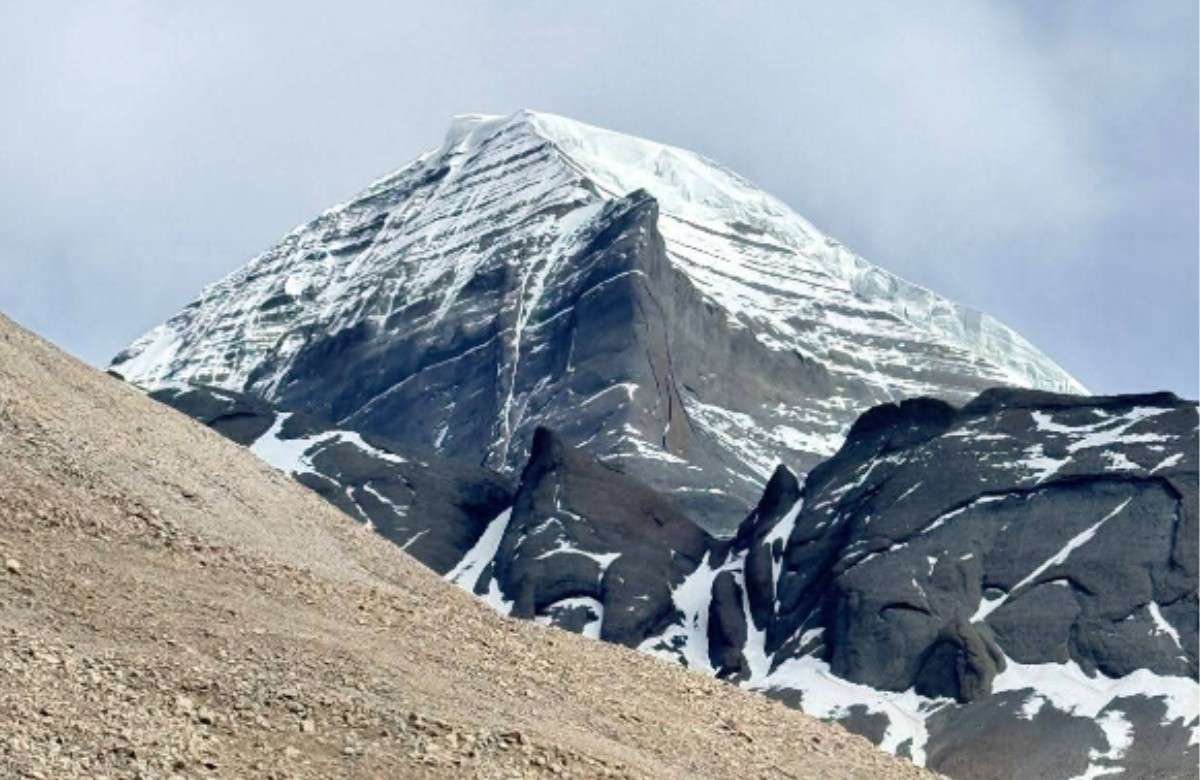
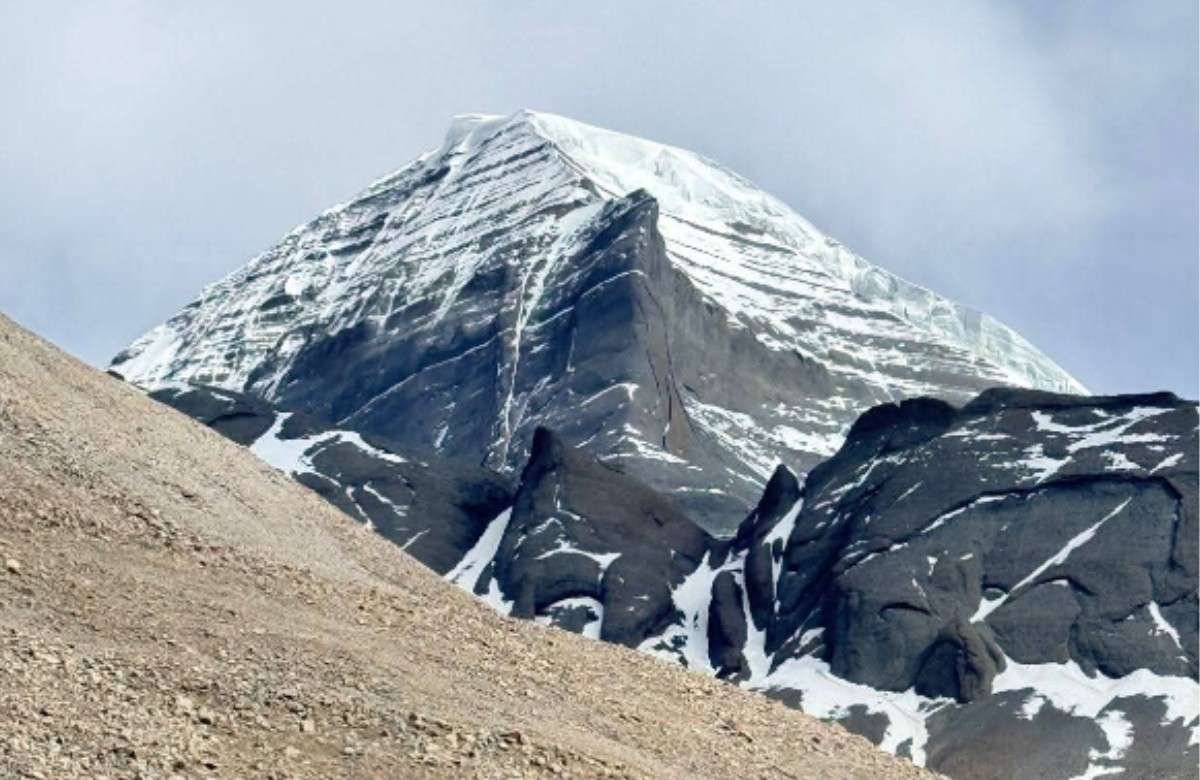
Let us start with the geography, because the geography is what makes insurance so important on this particular kailash mansarovar tour. The Kailash Kora — the 52 km circumambulation of Mount Kailash — crosses the Dolma La pass at 5,630 metres above sea level. Lake Mansarovar sits at 4,590 m. The base camp town of Darchen is at 4,575 m. You will spend multiple days at altitudes where the oxygen level is approximately 50 percent of what it is at sea level — levels that cause genuine physiological stress even in healthy adults. The route is located inside the Tibet Autonomous Region of China — a restricted area with no public emergency services comparable to what you would find in India, Nepal, or any developed country. The nearest properly equipped hospital to the Kailash region is in Lhasa, which can be 15 to 20 hours of driving away, or in Kathmandu or Delhi, reachable only by medical evacuation aircraft. A helicopter rescue from the Kailash area costs anywhere from USD 15,000 to USD 50,000 depending on the type of evacuation, the responding service, and the destination.
Beyond medical risk, the Tibet Autonomous Region has a documented history of sudden political closures — the Chinese government has closed the Tibet border to foreign nationals multiple times, sometimes with very little notice, leaving paid yatra bookings stranded. Without appropriate trip cancellation insurance that specifically covers political closure or government restriction as a cancellation trigger, a pilgrim who has paid 2 to 3 lakh for a kailash mansarovar package could lose the entire amount with no recourse.
What Your Kailash Mansarovar Package Typically Includes — and What It Does Not
Most reputable kailash mansarovar tour package operators include a group travel insurance policy as part of their package price. Understanding exactly what this group policy covers — and more importantly, where its limits are — is the first thing every pilgrim should clarify when comparing packages.
What Is Typically Included in Package Insurance
- Personal accident cover — typically a lump-sum payment in the event of accidental death or permanent disability during the journey
- Basic emergency medical expenses — covering hospitalisation and treatment for sudden illness or injury, usually up to a stated limit
- Baggage loss — compensation for loss or damage to checked-in baggage during the flight segments of the journey
- Basic evacuation cover — some packages include emergency evacuation, but the destination and coverage limit vary significantly between operators
What Is Typically NOT Included — and Why This Matters
- High-altitude trekking cover — most standard group travel policies exclude trekking above 4,000 m or 4,500 m. The Kailash Kora reaches 5,630 m at Dolma La. This exclusion, if present, could void your entire medical claim
- Helicopter evacuation from Tibet specifically — even policies that include evacuation may not cover airlift from the Tibet Autonomous Region, which has specific operational and diplomatic complexities
- Pre-existing medical conditions — altitude sickness complications in pilgrims with undiagnosed cardiac or pulmonary conditions may not be covered if the insurer can demonstrate a pre-existing risk
- Trip cancellation due to Tibet border closure — standard cancellation cover usually requires specific named triggers. Political or government-mandated border closures are often excluded unless specifically added
- Personal liability in Tibet — your liability as a foreigner in the Tibet Autonomous Region is governed by Chinese law, which most Indian travel policies do not cover
- Adventure activities beyond trekking — the Parikrama involves rough terrain, river crossings, and exposed high-altitude conditions that some insurers classify as 'adventure sport' beyond standard trekking cover
The most important action you can take before booking any kailash mansarovar package is to ask your operator directly: what is the name of the insurance provider included in this package, what is the policy number or group policy reference, what is the emergency helpline number, and what specifically does it cover regarding high-altitude trekking above 5,000 m and helicopter evacuation from Tibet? If the operator cannot answer these questions clearly and in writing, treat that as a warning sign.
What Good Travel Insurance for the Kailash Mansarovar Tour Actually Looks Like
Whether you are supplementing your operator's group policy with personal cover, or purchasing standalone insurance for the kailash mansarovar tour, here is what a genuinely adequate policy for this specific journey needs to include.
1. High-Altitude Trekking Cover Up to at Least 6,000 m
This is the single most important clause. Any policy that excludes trekking above 4,000 m or 4,500 m is inadequate for the kailash mansarovar tour. The Dolma La pass, the highest point of the Kora, is at 5,630 m. Look for explicit language confirming cover for trekking at altitude — not just 'hiking' or 'walking' — to at least 6,000 m. Some specialist insurers offer this as a specific 'high-altitude adventure' rider.
2. Emergency Medical Evacuation Including Helicopter Rescue
Your policy must explicitly include emergency medical evacuation by helicopter if required. More specifically, it should cover evacuation from remote and restricted areas, including Tibet. The coverage limit should be sufficient to cover a realistic worst-case evacuation cost — a minimum of USD 50,000 is a reasonable benchmark, given that medivac operations from the Kailash region to Kathmandu or Delhi can reach this figure. Any policy with an evacuation limit below USD 25,000 for a kailash mansarovar package should be treated with caution.
3. Trip Cancellation Including Government-Mandated Closure
Tibet border closures are a real risk that has materialised multiple times in the past. Your cancellation cover should explicitly name 'government-mandated travel restriction' or 'political closure of destination country' as a covered trigger. This is not present in all standard cancellation policies — it often requires a specific add-on or a more comprehensive 'cancel for any reason' (CFAR) policy. Given that kailash mansarovar package prices run from 2 lakh to 3 lakh and above, having robust cancellation cover is financially significant.
4. Altitude Sickness and Related Medical Conditions
Acute Mountain Sickness (AMS), High Altitude Pulmonary Oedema (HAPO), and High Altitude Cerebral Oedema (HACO) are the three main altitude-related medical emergencies. Your policy should explicitly cover treatment for these conditions. Some policies are written in ways that could classify altitude sickness as a 'foreseeable risk' of high-altitude travel and exclude it accordingly — read the exclusions carefully, or ask the insurer directly.
5. Coverage for the Entire Journey Duration Including Tibet
Confirm that your policy is valid for the full duration of the kailash mansarovar tour, including all days spent inside Tibet. Some international travel policies are structured around country coverage and may treat the Tibet Autonomous Region differently from mainland China, or may have exclusions related to restricted-area travel. Verify explicitly that the policy covers you throughout the Tibet section of your kailash mansarovar package itinerary.
Kailash Mansarovar Tour Insurance: Cover Checklist at a Glance
Use this checklist to evaluate any travel insurance policy you are considering for the kailash mansarovar tour. Ask your insurer or operator each of these questions before purchasing.
| Coverage Area | Minimum Requirement | Red Flag |
| Trekking | Cover up to 6,000 m | Above 4,000 m excluded |
| Evacuation | USD 50,000+ (Tibet included) | Low limit / Tibet excluded |
| Medical | Covers altitude sickness | AMS excluded |
| Cancellation | Govt. closure covered | Limited reasons only |
| Journey Scope | Full Tibet coverage | China/Tibet excluded |
| Personal Accident | Trekking included | Trek excluded |
| Baggage/Documents | Covers permits & loss | Documents not covered |
Which Insurance Providers Cover the Kailash Mansarovar Tour?
Standard retail travel insurance from Indian public sector insurers (LIC, National Insurance, New India Assurance) and private insurers (HDFC Ergo, Bajaj Allianz, TATA AIG, ICICI Lombard) is widely available, but not all of these automatically cover the specific requirements of a kailash mansarovar package. Here is what you need to know about finding appropriate cover.
Indian Insurance Providers
- TATA AIG Travel Guard and Bajaj Allianz Travel Elite are among the Indian policies that offer high-altitude trekking cover as an add-on rider — specifically for altitudes above 4,000 m. Check whether Tibet is covered as a destination under your specific plan.
- HDFC Ergo Travel Insurance offers multi-trip international policies that can cover Tibet, but the high-altitude trekking endorsement must be explicitly added — it is not included in standard plans.
- ICICI Lombard's travel policies cover international destinations including China/Tibet but similarly require specific adventure sports or trekking endorsements for the Kailash altitude range.
- Ask your insurer specifically: 'Does this policy cover emergency helicopter evacuation from a restricted area in the Tibet Autonomous Region of China?' — this single question will tell you whether the policy is adequate for this journey.
International Specialist Providers
- World Nomads is widely used by international trekkers and pilgrims and explicitly covers high-altitude trekking activities including the Kailash Kora — verify current Tibet coverage before purchasing.
- IMG Global and AXA Assistance both offer expedition and remote area medical cover appropriate for the kailash mansarovar tour, with helicopter evacuation explicitly included.
- For NRI pilgrims holding overseas travel insurance through their country of residence, verify that China/Tibet is covered and that the altitude limit in the policy extends to at least 6,000 m.
Regardless of which insurer you choose, always keep printed copies of your policy document, the emergency 24-hour helpline number, and the policy reference number in a waterproof folder in your daypack. Mobile network and internet access inside Tibet is minimal — digital access to insurance documents should never be your only option.
The Real Risk Profile of a Kailash Mansarovar Tour Package
To understand why insurance matters so much on this specific journey, it helps to be realistic about the risk profile of the kailash mansarovar tour. This is not catastrophising — it is context that helps every pilgrim make informed decisions.
Altitude-Related Medical Risk
Altitude sickness affects a significant minority of pilgrims on the Kailash Kora, even those who acclimatise properly. AMS symptoms — headache, nausea, fatigue, and dizziness — are common above 4,500 m and usually resolve with rest and descent. The more serious conditions — HAPO and HACO — are rarer but require immediate descent and, in severe cases, emergency evacuation. The Dolma La crossing at 5,630 m is the highest point and the most medically demanding section. Your operator will carry oxygen cylinders and basic emergency medicines, but these are stopgap measures, not substitutes for evacuation if a serious condition develops.
Road Accidents and Journey Incidents
The roads inside Tibet are vastly improved compared to a decade ago, but mountain road accidents remain a real risk on any Himalayan journey. The roads between Purang, Mansarovar, and Darchen pass through remote terrain with limited immediate emergency response. Personal accident cover and emergency medical hospitalisation are therefore relevant even for pilgrims who feel confident about the altitude.
Trip Disruption and Cancellation
The Tibet Autonomous Region is subject to sudden political closures. China closed Tibet to foreign tourists during the lead-up to the Beijing Olympics in 2008, and periodically since then for political or security-related reasons. The most financially damaging scenario for a pilgrim on a kailash mansarovar package is paying in full for a tour that is cancelled at short notice because the border closes. Trip cancellation insurance with explicit political closure cover is the only protection against this specific risk.
Practical Steps: How to Sort Your Insurance Before the Kailash Mansarovar Tour
- Step 1: Book your kailash mansarovar package first and obtain the full inclusions document — most operators will confirm what their group policy covers in writing on request.
- Step 2: Check the group policy specifically for: altitude limit, Tibet/restricted area coverage, evacuation limit, and altitude sickness cover. Ask for the insurer name and policy number.
- Step 3: Identify any gaps between the group policy and the checklist in this guide. For each gap, either supplement with a personal policy or ask the operator to upgrade the group cover.
- Step 4: Purchase any supplementary personal policy before your journey begins — most insurers will not add high-altitude or adventure cover after the journey has started.
- Step 5: Print all insurance documents — policy document, helpline number, policy number, and claim process overview — and carry these in your daypack throughout the kailash mansarovar tour. Do not rely solely on digital copies.
- Step 6: Share your insurance details with a trusted family member or emergency contact at home before departing. In the event of an emergency in Tibet, they may need to contact the insurer on your behalf.
- Step 7: If you have any pre-existing medical conditions, disclose them fully at the time of purchasing insurance — non-disclosure of a relevant pre-existing condition is the most common reason for claim rejection on medical policies.
- Step 8: Consult your doctor before the kailash mansarovar tour specifically about altitude readiness, especially if you are over 55 or have any history of heart, lung, or blood pressure issues. Your insurer may require a medical declaration.
Conclusion
The kailash mansarovar tour is one of the most profound journeys a human being can undertake — a pilgrimage to the most sacred mountain on Earth, through some of the most remote and beautiful terrain in Asia. It is also one of the most logistically complex, altitude-intensive, and geopolitically unpredictable journeys available to any traveller. Travel insurance is not a hedge against faith — it is the practical foundation that allows you to focus entirely on the spiritual experience, knowing that if something goes wrong in a very remote place, you have protection proportionate to the risk. Check what your kailash mansarovar package includes. Identify what it does not. Buy the supplementary cover that fills the gaps. Carry the documents in print. And then walk the Kora with everything you need — spiritually, physically, and practically — in place