

- Mount Kailash Blogs
- @nagarjuna_travels
Most people planning the Kailash Mansarovar trek have the same set of unanswered questions. How far is the actual trek? How high does it go? Is the kailash mansarovar trek difficult enough that I need prior trekking experience? And which route should I even take? Without clear answers, planning becomes guesswork — and guesswork on a high-altitude Himalayan pilgrimage is dangerous. This guide gives you every number, every route detail, and every honest assessment you need about the kailash mansarovar trek — so you can prepare properly and arrive ready.
What Is the Kailash Mansarovar Trek?
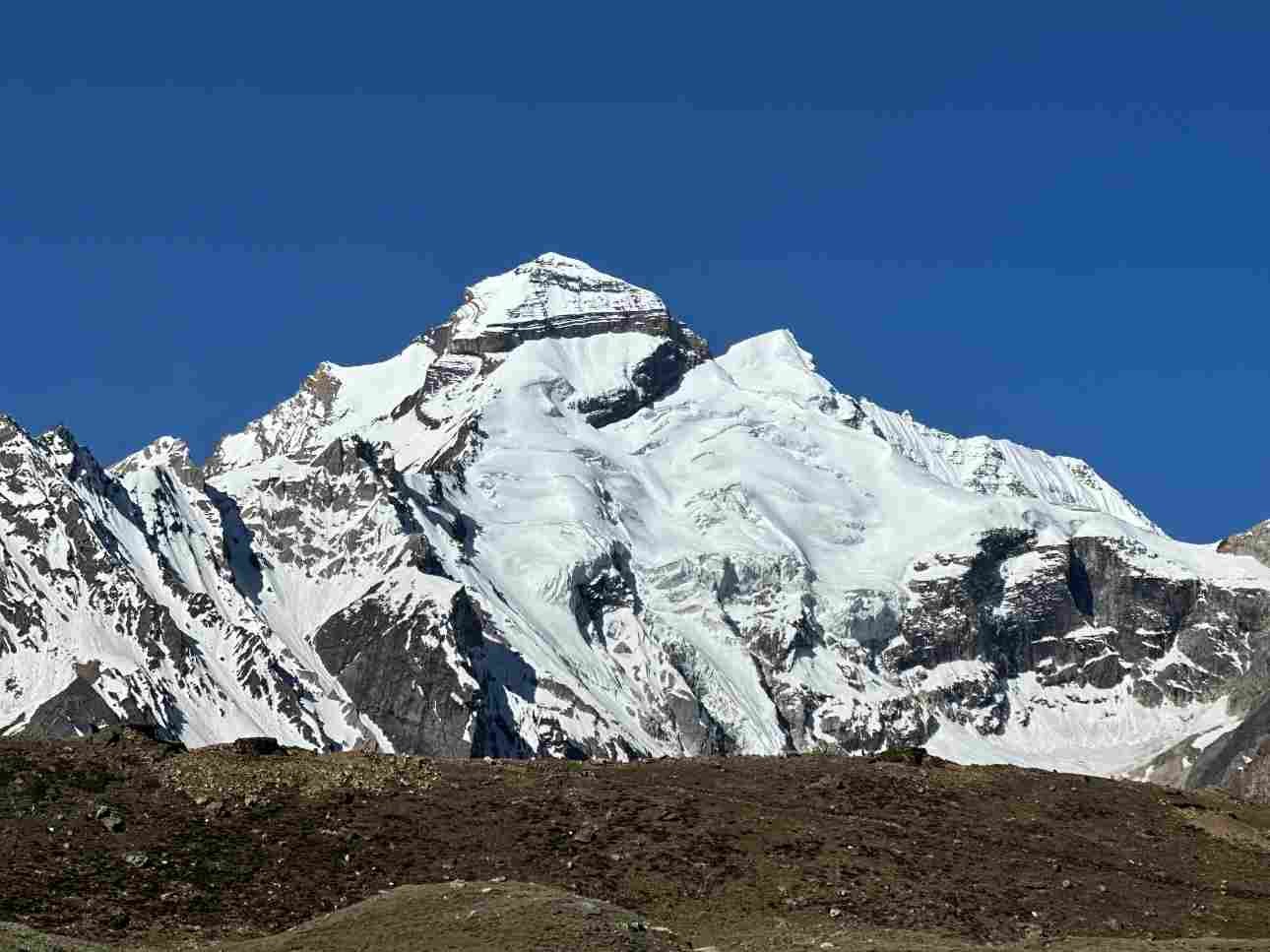
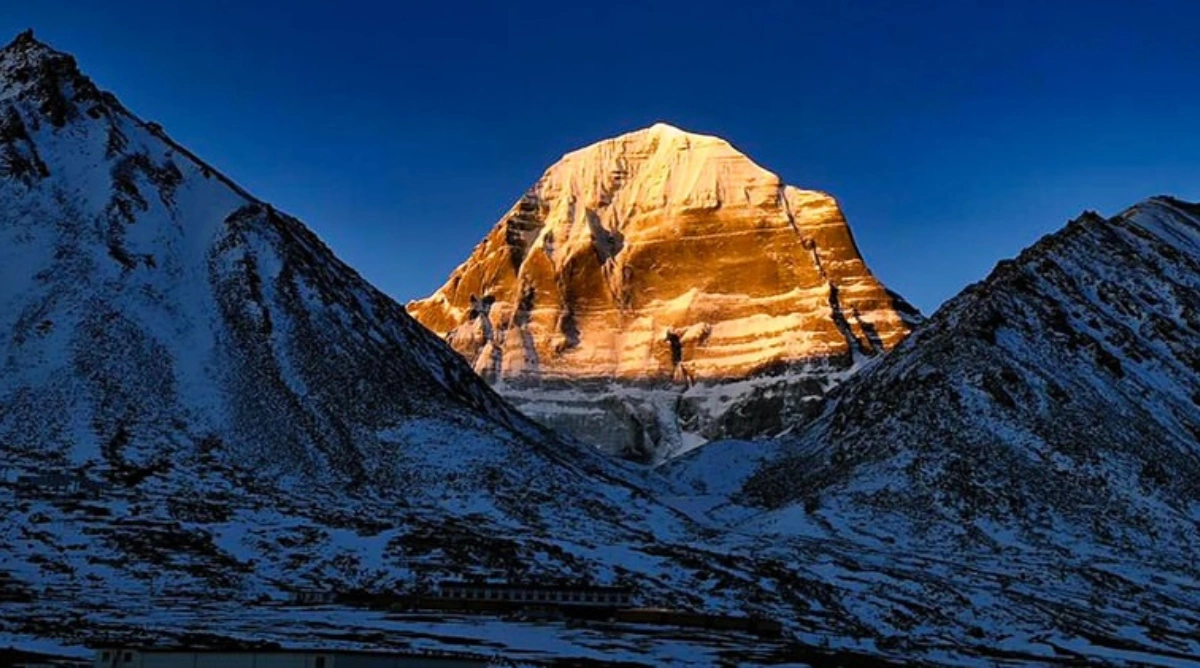
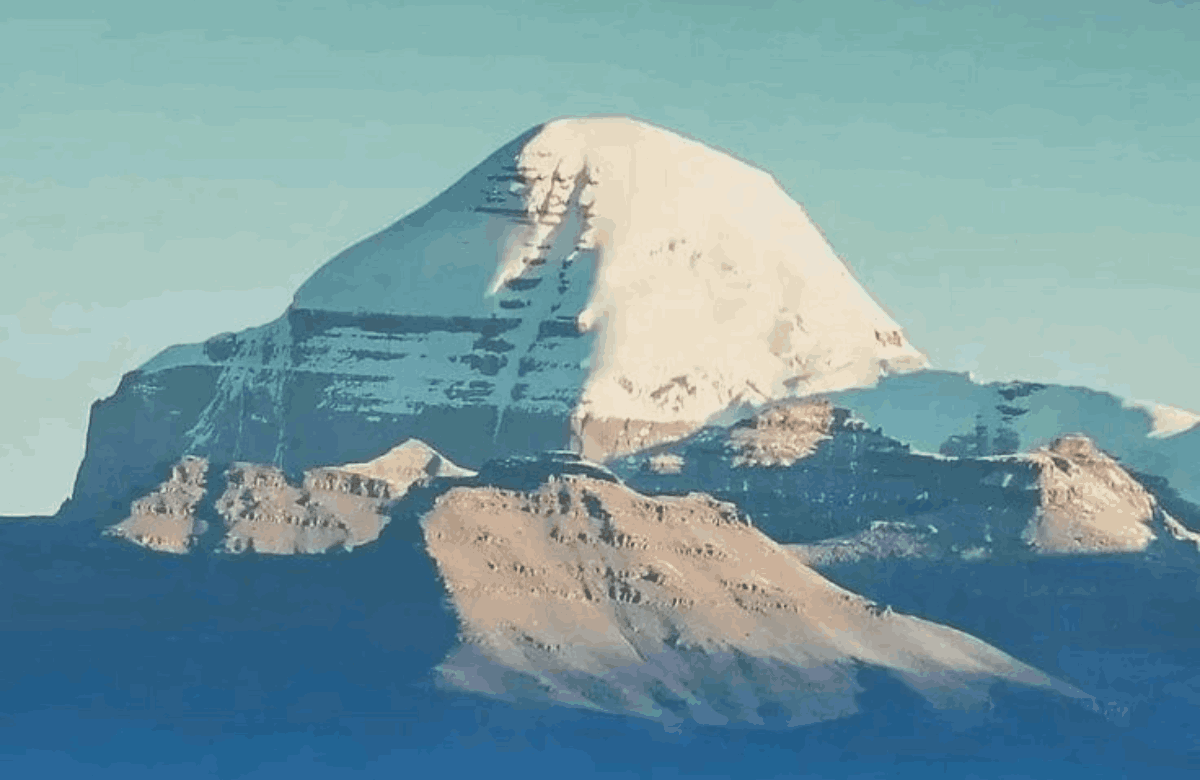
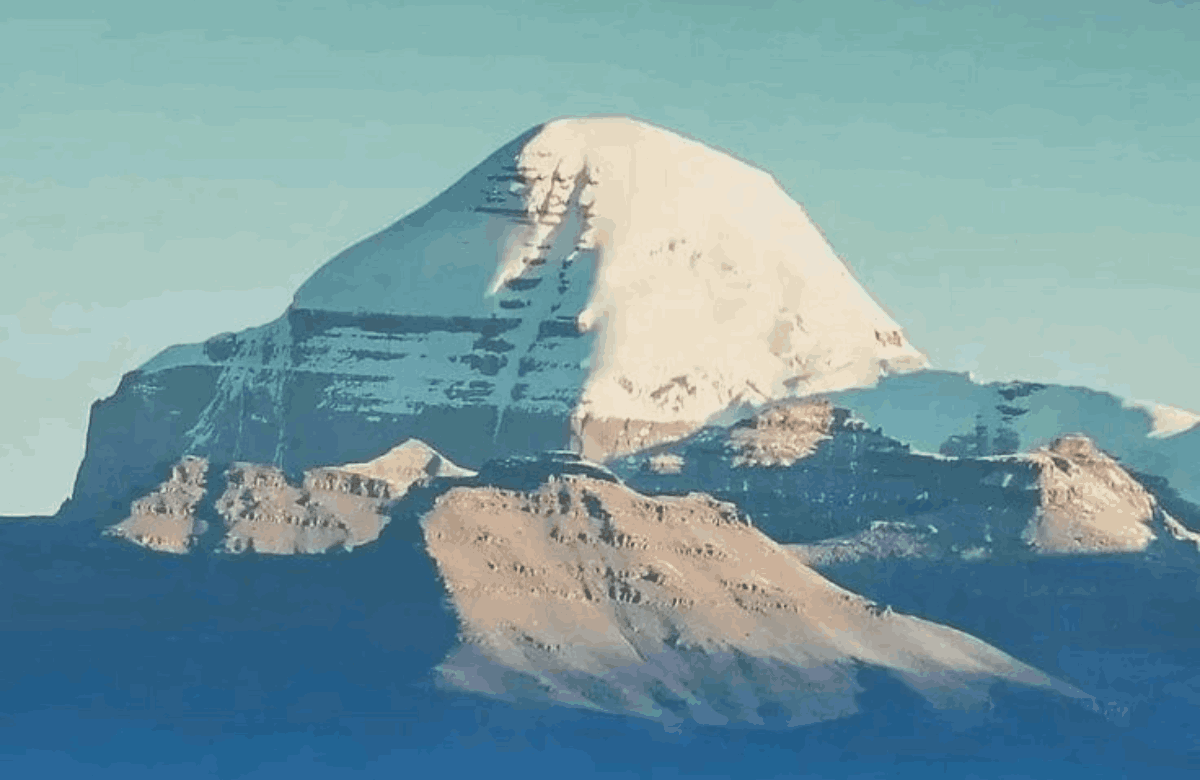
The kailash mansarovar trek is not a single trail — it is a complete spiritual and physical expedition to Mount Kailash and Mansarovar Lake in Tibet, one of the most remote and sacred destinations on earth. The journey involves days of road travel across high-altitude Tibetan plateau, a holy dip in the sacred Mansarovar Lake, and the parikrama — the 52 km circumambulation of Mount Kailash itself. Mount Kailash stands at 6,638 metres and is considered unclimbable — no climber has ever summited it, and it is believed that the mountain will never be climbed out of respect for its sacred status. But the parikrama around its base is one of the most powerful acts of devotion a pilgrim can undertake, revered across Hinduism, Buddhism, Jainism, and the Bon tradition.
Kailash Mansarovar Trek Distance: How Far Is the Journey?
The kailash mansarovar trek distance depends on which route you take and how you measure the journey. There are two ways to look at the distance: the total expedition distance from your departure point in India to Kailash and back, and the core parikrama distance around Mount Kailash itself.
The Parikrama: The Core Trek Distance
The heart of the mount kailash mansarovar trek is the parikrama — the sacred circumambulation of Mount Kailash. The parikrama is 52 km in total and is completed over three days. This is the kailash mansarovar trek km figure most pilgrims are referring to when they ask about the trekking distance.
- Day 1 of Parikrama: Darchen to Dirapuk Monastery — approximately 20 km
- Day 2 of Parikrama: Dirapuk to Zuthulpuk via Dolma La Pass — approximately 22 km (the hardest day)
- Day 3 of Parikrama: Zuthulpuk back to Darchen — approximately 10 km
- Total parikrama distance: 52 km over 3 days
Total Expedition Distance by Route
Beyond the parikrama itself, the kailash mansarovar trek distance includes a significant amount of road travel across the Tibetan plateau, border crossings, and approach journeys. The total kailash mansarovar trek km for the full expedition — from the Indian border to Kailash and back — ranges from approximately 250 km to over 350 km depending on the route.
Kailash Mansarovar Trek Height: How High Does It Go?
The kailash mansarovar trek height is what makes this journey truly formidable. Unlike most pilgrimage treks in India, the Kailash circuit operates entirely at extreme altitude — you are never below 4,500 metres during the parikrama, and you cross one of the highest motorable passes on earth just to reach the starting point.
Key Altitude Points on the Trek
| Location | Height (m / ft) | Description |
| Mansarovar Lake | 4590 m / 15060 ft | Sacred lake; holy dip before Kora |
| Darchen (Start Point) | 4575 m / 15009 ft | Base for 52 km parikrama |
| Dirapuk Monastery | 4920 m / 16142 ft | Day 1 camp; north face views |
| Dolma La Pass | 5630 m / 18471 ft | Highest and most sacred pass |
| Zutulpuk Monastery | 4790 m / 15715 ft | Day 2 camp after Dolma La |
| Mount Kailash Summit | 6638 m / 21778 ft | Sacred peak; not climbed |
The Dolma La Pass at 5,630 metres is the critical altitude point of the entire kailash mansarovar trek. Crossing it on Day 2 of the parikrama is the most physically and mentally demanding moment of the journey. The pass is crossed in the early morning hours, in freezing temperatures, with the air carrying only a fraction of the oxygen available at sea level. This single day — from Dirapuk to Zuthulpuk via Dolma La — covers 22 km at extreme altitude and is the make-or-break challenge of the kailash mansarovar trek difficulty.
Kailash Mansarovar Trek Route: The Three Main Options
Choosing your kailash mansarovar trek route is one of the most important decisions you will make during planning. Each route has different starting points, logistics, costs, and experiences — but all lead to the same destination.
Route 1: Via Lipulekh Pass, Uttarakhand (MEA Programme)
This is the traditional Indian government route, organised annually by the Ministry of External Affairs (MEA). Pilgrims travel from Delhi through Kumaon (Uttarakhand) to the Lipulekh Pass at 5,334 metres, cross into Tibet, and proceed across the plateau to Mansarovar and Kailash. This kailash mansarovar trek route is the most culturally immersive as it passes through the Himalayan foothills of India before entering Tibet.
- Organised by the Indian government — lower cost, high demand, lottery-based selection
- Physically very demanding — the approach itself involves high passes and multiple days of walking
- Total expedition: approximately 24 to 25 days
- Best for pilgrims who want the complete traditional experience at government-subsidised rates
Route 2: Via Nathu La Pass, Sikkim (MEA Programme)
The Nathu La Pass route was introduced as an alternate MEA route to make the kailash mansarovar trek more accessible. Pilgrims travel through Sikkim, cross into Tibet via the Nathula Pass (4,310 metres), and travel by road across the Tibetan plateau to Kailash. This route is easier in terms of approach terrain compared to Lipulekh and is better suited to pilgrims who are not comfortable with extended high-altitude walking before the parikrama.
- Road-based approach through Tibet — less walking before the parikrama begins
- Shorter total duration: approximately 21 to 22 days
- Also organised by the MEA — same selection and application process as Lipulekh route
- Good option for older pilgrims or those with limited prior trekking experience
Route 3: Via Kathmandu, Nepal (Private Tour Operators)
The Nepal route is the most popular kailash mansarovar trek route for pilgrims who want scheduling flexibility, greater comfort, or who could not secure a spot in the MEA programme. Pilgrims fly to Kathmandu, drive to the Nepal-Tibet border at Gyirong, and travel across Tibet to Mansarovar and Kailash by road. The approach is almost entirely by vehicle, making it physically less demanding before the parikrama itself.
- Most comfortable approach — primarily road-based travel across the Tibetan plateau
- Available through authorised private tour operators — book independently without MEA selection
- Total expedition: approximately 14 to 18 days (shorter than Indian routes)
- Higher cost than the MEA programme but more flexibility in dates and group size
- The most commonly used route by international pilgrims and trekkers
Kailash Mansarovar Trek Difficulty: Is It Really That Hard?
The question most pilgrims quietly worry about is: is kailash mansarovar trek difficult? The honest answer is yes — this is one of the most physically demanding pilgrimages on the planet. The kailash mansarovar trek difficulty is not primarily about technical climbing or complex navigation. It is about sustaining physical effort at extreme altitude over multiple consecutive days.

What Makes the Trek Difficult
- Extreme altitude: you spend the entire parikrama above 4,500 metres, where oxygen levels are roughly half of what they are at sea level
- The Dolma La Pass crossing at 5,630 metres is the hardest single day — 22 km in thin air, freezing temperatures, and steep rocky terrain
- Consecutive days of trekking with no recovery time — the parikrama is done in three continuous days
- Unpredictable weather: storms, snow, and sudden drops in temperature can occur even in peak season (May to September)
- Remote location: medical facilities near Kailash are minimal; emergency evacuation is difficult and expensive
- High-altitude approach: even before the parikrama begins, pilgrims have been at altitude for several days, accumulating fatigue
Trek Difficulty Rating by Section
The overall kailash mansarovar trek difficulty varies by section. The approach journey — whether by road through Tibet or by walking through Uttarakhand — is rated Moderate to Strenuous. The parikrama itself is rated Strenuous to Extreme, with Day 2 (Dirapuk to Zuthulpuk) classified as Extreme for most pilgrims due to the Dolma La crossing.
Who Should Not Attempt the Trek
- Anyone with a diagnosed heart condition or recent cardiac history
- Pilgrims with chronic respiratory conditions such as COPD or severe asthma
- Those with uncontrolled hypertension or diabetes
- Anyone who has never trekked at altitude before and is not willing to train seriously beforehand
- Pilgrims aged above 70 — the MEA programme sets an upper age limit of 70 for this reason
How Long Is the Kailash Mansarovar Trek?
How long is kailash mansarovar trek — from the day you leave home to the day you return — depends entirely on which route you take. The parikrama itself is always three days and 52 km. But the total expedition duration varies significantly by route.
MEA Lipulekh Route — 24 to 25 Days Total
This is the longest route in terms of total duration. The extended time is because the approach through Uttarakhand involves multiple days of walking through high-altitude passes before even entering Tibet. Acclimatisation is built gradually into the schedule, which is one of the reasons the Lipulekh route is medically safer despite being physically harder.
MEA Nathu La Route — 21 to 22 Days Total
The Nathu La route is slightly shorter because the approach is predominantly by road through Tibet, with less pre-parikrama walking. Acclimatisation stops are still built into the schedule at key altitude points before the parikrama begins.
Nepal Route — 14 to 18 Days Total
The Nepal route is the shortest in total duration because the approach from Kathmandu to Darchen (the parikrama start point) is almost entirely by vehicle on the well-maintained Friendship Highway and Tibetan roads. Most private tour itineraries via Nepal run 14 to 16 days including the parikrama, Mansarovar Lake visit, and return to Kathmandu.
The Parikrama: The Sacred Heart of the Kailash Mansarovar Trek
Whatever route you take to reach Darchen, the parikrama is the centrepiece of the entire mount kailash mansarovar trek. This 52 km circuit around the holiest mountain on earth is completed over three consecutive days and is unlike any other trek in the world.
Day 1: Darchen to Dirapuk Monastery (20 km)
The parikrama begins at Darchen at 4,575 metres. The trail heads north along the Lha Chu river valley, gradually ascending through a landscape of barren rock and sky. The north face of Mount Kailash — a near-vertical wall of ice and black rock — comes into full view as you approach Dirapuk. The sight of the north face rising 2,000 metres above the valley floor is widely described as one of the most awe-inspiring moments in the entire kailash mansarovar trek. Pilgrims camp at Dirapuk Monastery at 4,920 metres.
Day 2: Dirapuk to Zuthulpuk via Dolma La Pass (22 km)
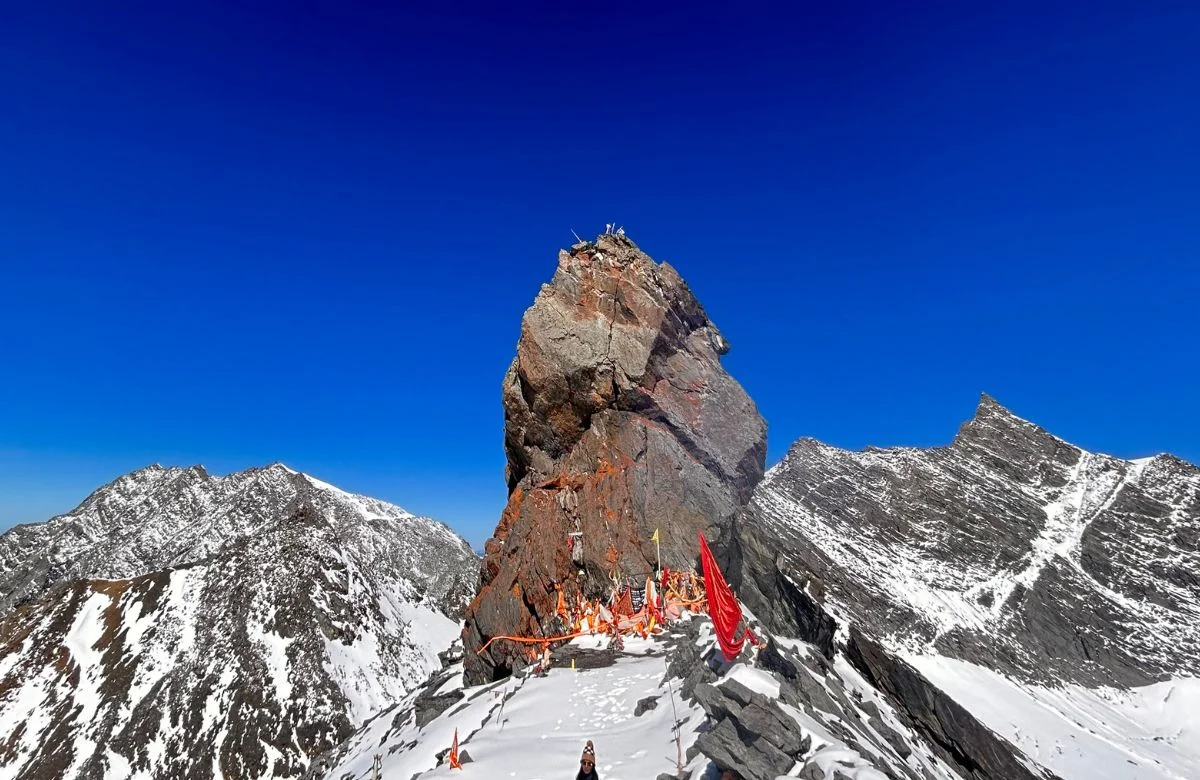
This is the hardest day of the kailash mansarovar trek difficulty. The day begins before dawn — typically by 4 AM — to allow time to cross the Dolma La Pass before afternoon weather deteriorates. The climb from camp to the pass at 5,630 metres gains over 700 metres in altitude on a steep, rocky, and often snow-covered path. At the pass, pilgrims perform prayers and leave offerings at the sacred stone. The descent on the far side is long, steep, and hard on the knees. By the time pilgrims reach Zuthulpuk at 4,790 metres, they have covered 22 km at extreme altitude — the single hardest day of any trek most will ever undertake.
Day 3: Zuthulpuk to Darchen (10 km)
The final day is a gradual descent back to Darchen along the eastern and southern flanks of Kailash. The trail is comparatively easy after the exertions of Day 2. Most pilgrims complete this 10 km stage in 3 to 4 hours. Returning to Darchen completes the sacred circuit — and for most pilgrims, this moment carries an emotional and spiritual weight that is difficult to put into words.
Mansarovar Lake: The Sacred Prelude to the Trek
Before the parikrama begins, every pilgrim on the kailash mansarovar trek spends time at Mansarovar Lake — one of the most sacred bodies of water on earth. At 4,590 metres and covering 320 square kilometres, Lake Mansarovar sits at the foot of Mount Kailash and is visible from its shores. A holy dip in the lake is considered an essential part of the yatra. Hindus believe that bathing in Mansarovar washes away the sins of a hundred lifetimes. Buddhists revere it as a place of profound spiritual cleansing. The lake is fed by glacial meltwater and its temperature is ice-cold even in summer — pilgrims who bathe here earn a particular kind of respect from fellow travellers. Most itineraries on all three routes include one full day and one night at Mansarovar Lake for rest, prayer, and the ritual dip before the parikrama begins.
How to Prepare for the Kailash Mansarovar Trek
Given the kailash mansarovar trek difficulty rating of Strenuous to Extreme, preparation is not optional — it is the single most important factor in whether you complete the parikrama safely.
Physical Training — Begin 4 to 6 Months Before
- Build a base of cardio fitness through daily walking, jogging, or cycling — aim for at least 45 minutes per session, 5 days a week
- Incorporate long uphill hikes with a loaded backpack (8 to 10 kg) to simulate parikrama conditions
- Train your legs specifically — the Dolma La descent is steep and hard on knees; squats, lunges, and step-downs are essential
- Aim for at least two overnight practice treks at altitude before departure if possible
- In the final 6 weeks, increase your daily walking distance to 15 to 20 km
Medical Preparation
- Get a complete health check including ECG, blood pressure, blood oxygen saturation, and respiratory function
- A medical fitness certificate is mandatory for both the MEA programme and most private operators
- Consult your doctor about altitude sickness prevention — Acetazolamide (Diamox) is commonly prescribed
- Do not attempt the trek if you have cardiac disease, severe respiratory conditions, or uncontrolled hypertension
- Carry a pulse oximeter — monitoring blood oxygen at altitude is the single most useful health tool on the trek
Essential Gear for the Kailash Mansarovar Trek
- Layered thermal clothing — temperatures at Dolma La can drop to minus 10 to minus 20 degrees Celsius even in summer
- High-quality waterproof and windproof outer jacket and trousers
- Sturdy, waterproof, broken-in trekking boots with crampon compatibility
- Trekking poles — absolutely essential for the Dolma La descent
- Sleeping bag rated to minus 15 degrees Celsius minimum
- Sunglasses with UV 400 protection and high-SPF sunscreen — UV radiation at 5,000 metres is extreme
- Headlamp with extra batteries — Day 2 begins before dawn
- Personal first-aid kit including altitude sickness medication, pain relief, ORS sachets, and blister treatment
Conclusion
The kailash mansarovar trek is, by any measure, one of the most extraordinary journeys a human being can undertake. The 52 km parikrama at 4,500 to 5,630 metres, the sight of the north face of Kailash from Dirapuk, the crossing of the sacred Dolma La Pass, the holy waters of Mansarovar Lake — no part of this journey is ordinary. The kailash mansarovar trek difficulty is real and must be respected. But with proper preparation, the right route choice, and a trusted operator, thousands of Indian pilgrims complete this journey every year. They return changed — not just physically exhausted, but spiritually fulfilled in a way that is hard to describe to anyone who has not stood in the shadow of the holiest mountain on earth. Plan early. Train hard. Choose your route wisely. And let the mountain do the rest.