

- Mount Kailash Blogs
- @nagarjuna_travels
Every year, pilgrims who trained hard for months still get turned back at Dolma La Pass. Not because they lacked devotion — because their bodies weren't ready for 5,630 metres. A fitness and altitude prep checklist for Kailash Mansarovar Yatra isn't optional reading. It's the difference between completing the parikrama and watching it from a tent, gasping for air. The good news: altitude sickness and physical exhaustion are largely preventable. With the right training timeline, the right medical checks, and the right acclimatisation strategy, thousands of ordinary pilgrims — not just seasoned trekkers — complete this yatra safely every year. This checklist tells you exactly what to do, and when to do it.
Why Fitness and Altitude Preparation Matter More Than You Think
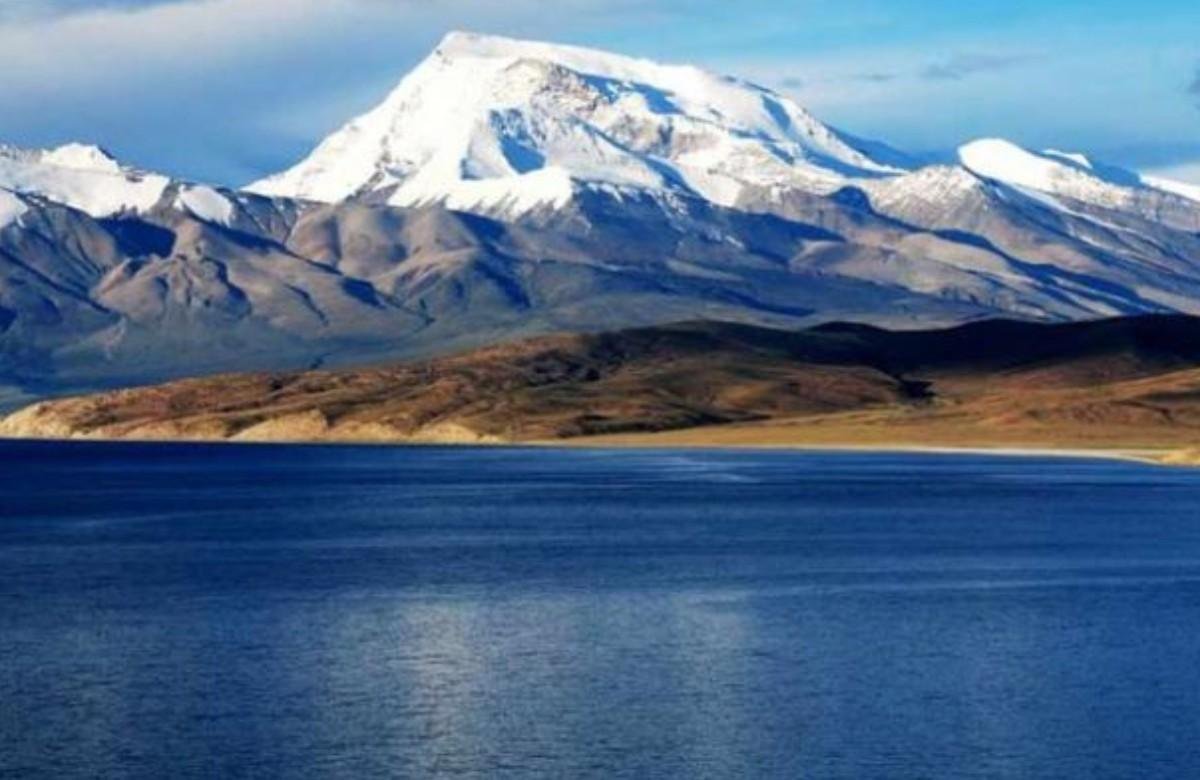
The Kailash Mansarovar Yatra is not a leisure pilgrimage. The parikrama keeps you above 4,500 metres for three consecutive days, and Dolma La Pass pushes you to 5,630 metres — an altitude where oxygen levels are roughly half of sea level. Add freezing temperatures, rocky terrain, and minimal medical infrastructure, and the margin for being unprepared shrinks to almost nothing. A proper fitness and altitude prep checklist for Kailash Mansarovar Yatra covers three things together: cardiovascular endurance, leg strength for the descent, and your body's ability to adapt to low oxygen. Missing any one of these is what causes pilgrims to turn back, fall sick, or need emergency evacuation — which is expensive and difficult in this remote region.
Who Needs This Checklist Most
- First-time high-altitude trekkers with no prior experience above 3,500 metres
- Pilgrims aged 45 and above, even if generally fit
- Anyone with a sedentary lifestyle in the months leading up to the yatra
- Pilgrims who have experienced motion sickness, mild asthma, or fatigue at moderate altitude before
Kailash Mansarovar Yatra Fitness Training: The Month-by-Month Plan
Physical readiness is the foundation of this checklist. Your body needs to build endurance gradually — there are no shortcuts at 5,630 metres.
Months 6 to 4 Before Departure: Build Your Base
- Walk, jog, or cycle for at least 45 minutes, 5 days a week
- Focus on building aerobic capacity — this is what your lungs will rely on at altitude
- Begin basic strength work: squats, lunges, and core exercises twice a week
- If you smoke, this is the time to quit — smoking significantly reduces oxygen efficiency at altitude
Months 4 to 2 Before Departure: Add Load and Elevation
- Introduce uphill hikes with a loaded backpack (8 to 10 kg) to simulate parikrama conditions
- Increase strength training intensity — step-downs and weighted lunges specifically prepare your knees for the Dolma La descent
- Try to schedule at least one overnight trek at altitude (above 3,000 metres) if accessible to you
- Track your resting heart rate weekly — a steadily improving resting rate is a good sign of cardiovascular gains
Final 6 Weeks Before Departure: Peak and Taper
- Increase daily walking distance to 15 to 20 km at least twice a week
- Practise back-to-back walking days to simulate the three consecutive days of the parikrama
- Reduce training intensity in the final week before travel — you want to arrive rested, not exhausted
- Pack and test your full gear, including boots, during at least one long walk
Training Specifically for Dolma La Pass
Day 2 of the parikrama — the crossing of Dolma La — is where most pilgrims struggle. This single day covers 22 km and gains over 700 metres in altitude before a long, knee-punishing descent.
- Prioritise downhill walking practice — going down is often harder on the body than going up
- Strengthen quadriceps and glutes specifically; they absorb the impact of the descent
- Practise walking at a slow, steady pace rather than training for speed — pacing is what gets you across Dolma La, not sprinting
Altitude Sickness Prevention: The Medical Side of Your Checklist
Fitness alone does not protect you from Acute Mountain Sickness (AMS). Altitude sickness can affect even very fit individuals, while less fit pilgrims who acclimatise carefully sometimes have no trouble at all. This is why the medical portion of your fitness and altitude prep checklist for Kailash Mansarovar Yatra is just as important as the physical training.
Pre-Departure Medical Checklist
- Complete health check-up, including ECG, blood pressure, blood oxygen saturation, and a respiratory function test
- Medical fitness certificate — mandatory for the MEA programme and required by most private operators including Nagarjuna Travels
- Consult your doctor about Acetazolamide (Diamox) — the most commonly prescribed altitude sickness preventive, usually started a day or two before gaining significant altitude
- Discuss any pre-existing conditions honestly with your doctor — concealing a heart or respiratory condition to qualify for the yatra puts your life at risk
- Carry a pulse oximeter — monitoring your blood oxygen saturation daily is the single most useful tool for catching early AMS
Recognising Altitude Sickness Early
- Headache that doesn't go away with rest
- Nausea, loss of appetite, or dizziness
- Unusual shortness of breath at rest
- Difficulty sleeping or a persistent feeling of disorientation
If any of these symptoms appear and worsen, the only safe response is to stop ascending, rest, and descend if symptoms do not improve. Pushing through severe AMS symptoms at altitudes above 5,000 metres can become life-threatening within hours.
Who Should Not Attempt the Yatra
- Anyone with a diagnosed heart condition or recent cardiac history
- Pilgrims with chronic respiratory conditions such as COPD or severe asthma
- Those with uncontrolled hypertension or diabetes
- Pilgrims aged above 70 — the MEA programme sets an upper age limit of 70 for this reason
Acclimatisation: Why Rest Days Are Part of the Checklist, Not a Delay
Most yatra itineraries, regardless of route, build in acclimatisation stops before the parikrama begins — typically at Mansarovar Lake and key points along the Tibetan plateau. Skipping or rushing these stops is one of the most common — and most dangerous — mistakes pilgrims make.
- Acclimatisation allows your body to gradually adjust red blood cell production and breathing rate to lower oxygen levels
- Even pilgrims who feel completely fine should treat scheduled rest days as nonnegotiable, not optional
- Staying hydrated and avoiding alcohol during acclimatisation days significantly improves your body's adjustment
- Sudden altitude gain without adequate acclimatisation is the leading cause of severe AMS cases on this route
Essential Fitness & Altitude Gear Checklist
Your training only pays off if your gear supports it on the actual trail.
- Broken-in, waterproof trekking boots with good ankle support
- Trekking poles — critical for reducing knee strain on the Dolma La descent
- Layered thermal clothing for temperatures that can drop to minus 10 to minus 20 degrees Celsius at the pass
- A pulse oximeter and a personal first-aid kit including altitude sickness medication, ORS sachets, and pain relief
- Sunglasses with UV 400 protection — UV exposure at 5,000 metres is extreme even on cloudy days
Planning Around 2026 Yatra Costs and Permit Windows
Your fitness preparation timeline should be planned alongside the practical realities of booking your 2026 yatra.
- The 2026 season has seen a mandatory cost revision for Indian pilgrims, affecting both overland and helicopter route pricing, following updated contracts from Chinese authorities
- Permit issuance for Indian pilgrims is highly restricted between 17 May and 16 June 2026 due to the Saga Dawa Festival — it is advised not to plan departures during this window
- Booking early with a transparent, experienced operator helps you lock in confirmed dates and avoid last-minute scrambling on documentation while you're mid-way through your fitness plan
Conclusion
A fitness and altitude prep checklist for Kailash Mansarovar Yatra is not a formality — it's what stands between you and a safe, completed parikrama. Train your cardio and legs specifically for Dolma La. Get your medical checks done honestly. Respect the acclimatisation schedule. And plan your booking around the realities of 2026 pricing and permit windows.