

- India Travelogue
- @nagarjuna_travels
Most pilgrims preparing for the Kailash Mansarovar Yatra focus on permits, visas, and packing lists. Almost nobody asks the one question that actually determines whether their journey ends in triumph or in a medical emergency: what happens if I fall sick at mount kailash altitude? The silence around this topic is not because it rarely happens. It is because tour operators do not like talking about it, and pilgrims do not like thinking about it. This guide gives you the honest, unfiltered answer. The mount kailash altitude is extreme — high enough that altitude sickness is not a rare risk, it is an expected challenge that every single pilgrim must prepare for. Here is exactly what altitude sickness looks like, what happens when it strikes, and what your realistic options are if it happens to you on the Kailash parikrama.
Understanding Mount Kailash Altitude: Why It Matters So Much
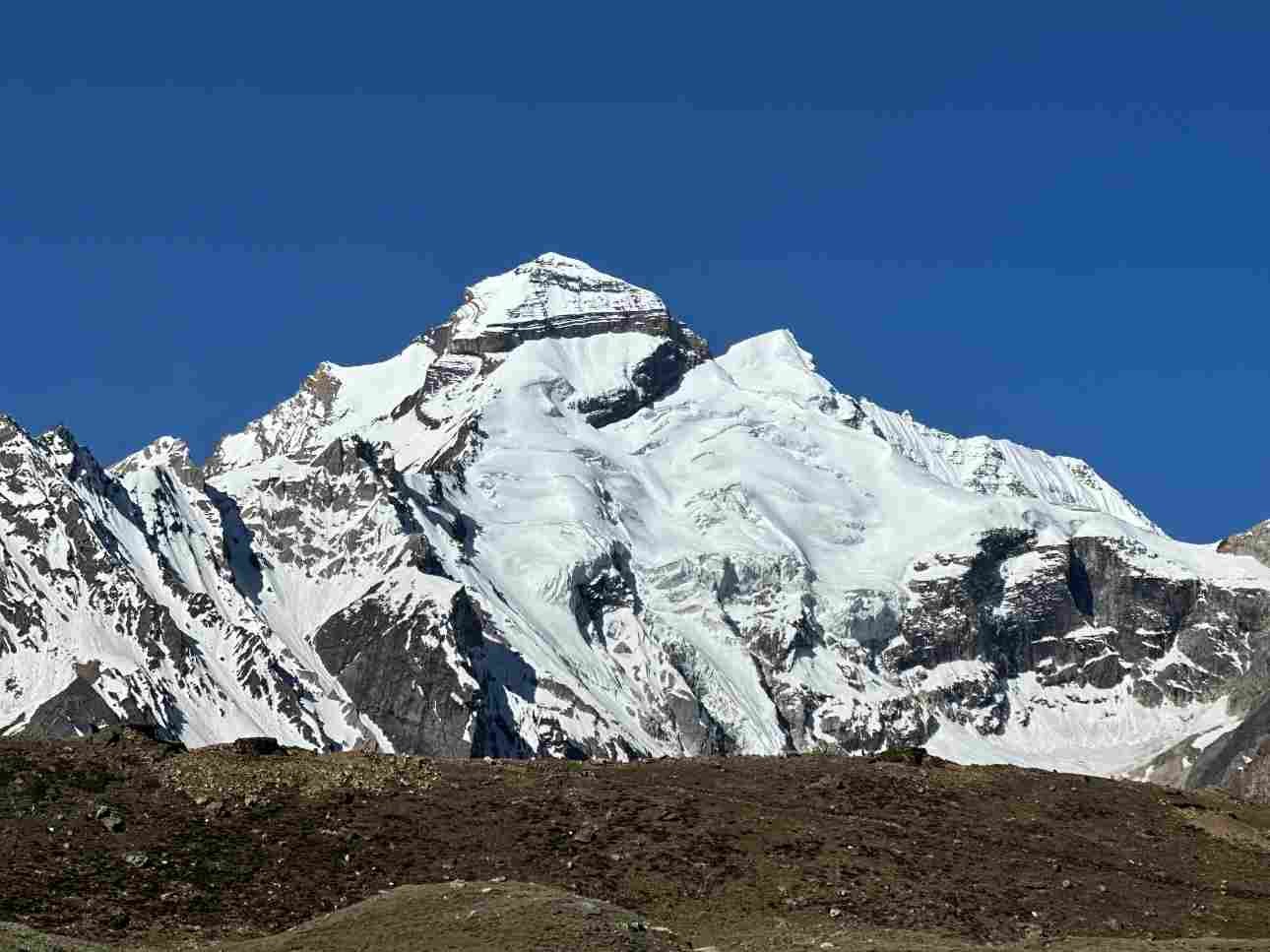
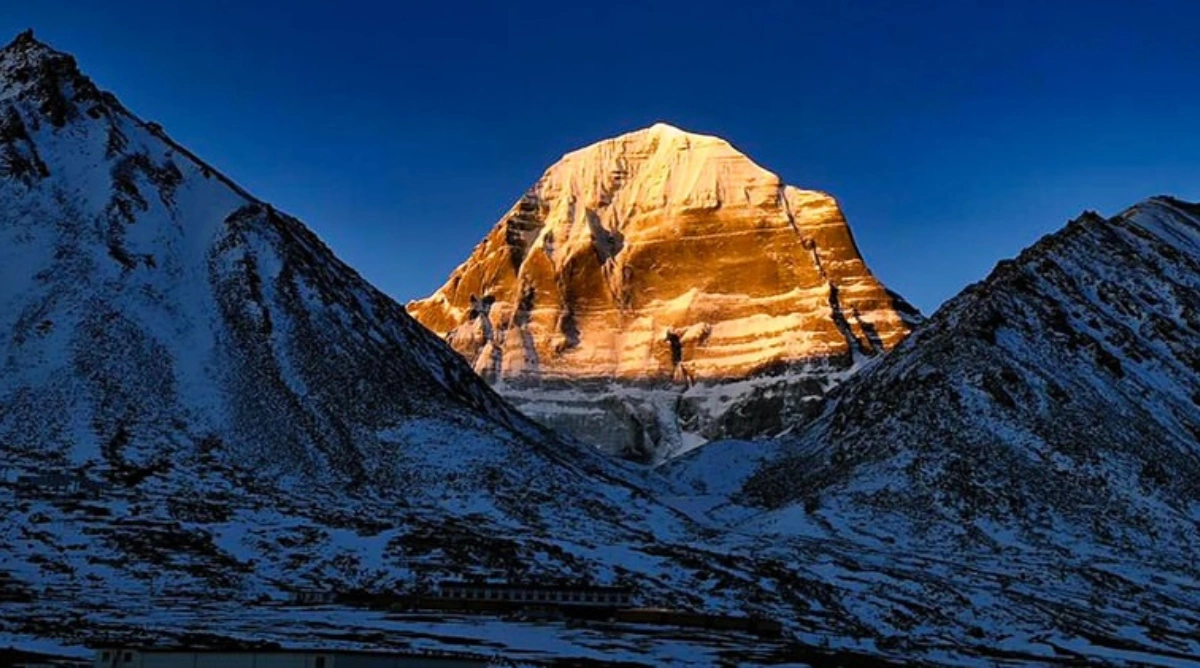
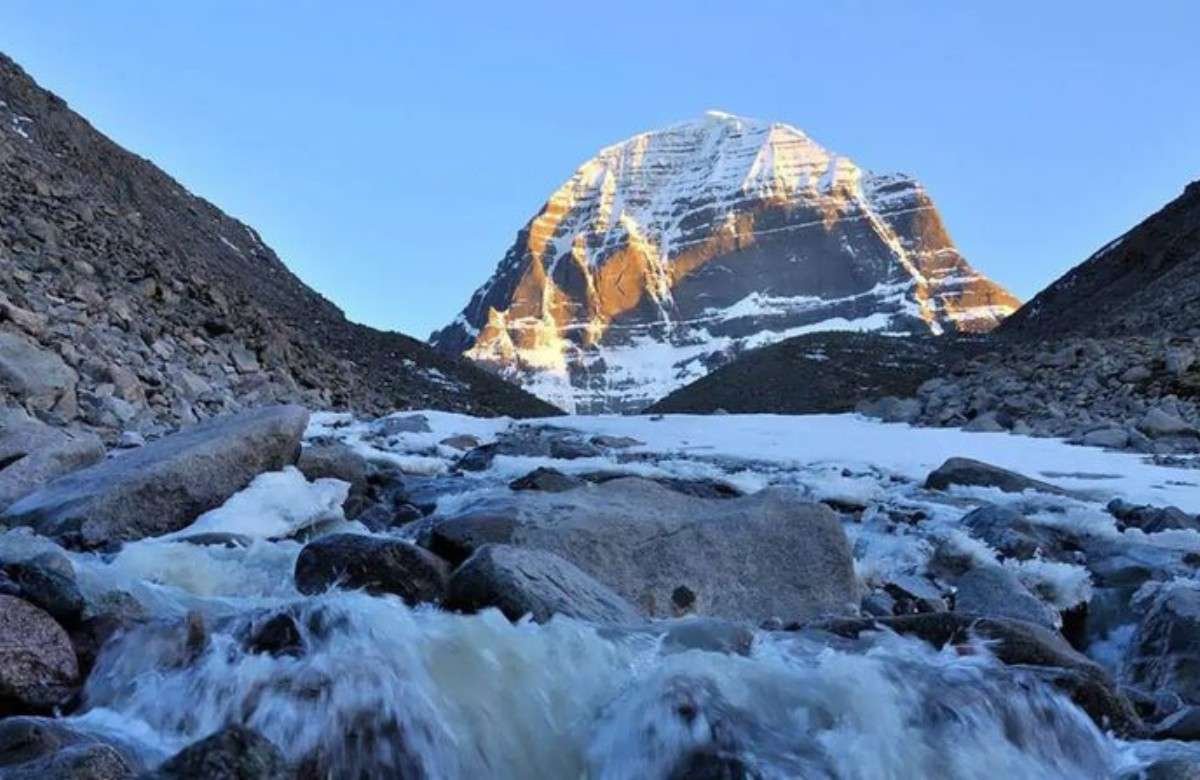
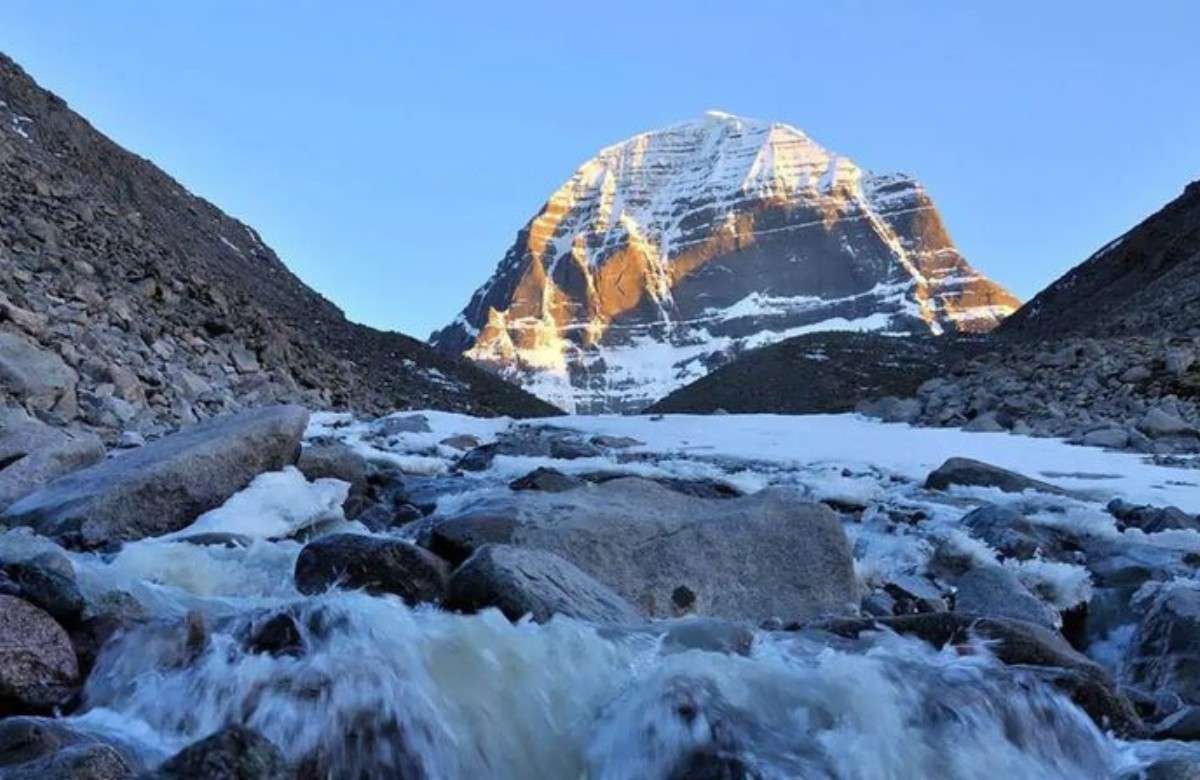
Before understanding what happens if you fall sick, you need to understand exactly how extreme the mount kailash altitude really is. This is not a casual hill trek. Every single day of the Kailash Mansarovar Yatra — from the moment you reach Mansarovar Lake to the moment you complete the parikrama — takes place at an altitude where your body is functioning with significantly less oxygen than it is used to. Mount Kailash height is 6,638 metres (21,778 feet) above sea level. To put this in perspective, this is taller than every peak in the Alps and comparable to some of the lower 8,000-metre Himalayan giants. The good news is that pilgrims never climb the summit — no one has ever officially summited Mount Kailash, and out of religious respect, no one is permitted to try. The mount kailash altitude that pilgrims actually experience is along the parikrama route that circles the base of the mountain.
| Location | Altitude (m) | Altitude (ft) |
| Mansarovar Lake | 4590 m | 15060 ft |
| Darchen (Mount Kailash Base Camp) | 4575 m | 15009 ft |
| Dirapuk Monastery | 4920 m | 16142 ft |
| Dolma La Pass (Highest Point) | 5630 m | 18471 ft |
| Zutulpuk Monastery | 4790 m | 15715 ft |
| Mount Kailash Summit (Not Climbed) | 6638 m | 21778 ft |
Notice that even the lowest point on this list — Mansarovar Lake at 4,590 metres — is already well above the 3,500-metre threshold where altitude sickness becomes a genuine medical concern for most people. This is the central fact that makes the mount kailash altitude sickness conversation so important: there is no 'safe' low-altitude stretch on this entire yatra. You are in the danger zone for the whole trip
 .
.
Mount Kailash High Altitude Sickness: What It Actually Is
Mountain sickness is also known as Acute Mountain Sickness (AMS) — the medical term used worldwide. It occurs when your body cannot adapt quickly enough to reduced oxygen levels at high altitude. At the kailash mansarovar altitude range of 4,500 to 5,630 metres, the air contains roughly 40 to 50 percent less oxygen than at sea level. This is not unique to Kailash. The same mountain sickness in Leh, Ladakh, and other high-altitude Himalayan destinations follows identical patterns. What makes Kailash particularly demanding is the combination of sustained high altitude over many consecutive days, combined with the remoteness of the region and the physical exertion of the 52 km parikrama.
Mount Kailash High Altitude Sickness Symptoms
Recognising mount kailash high altitude sickness symptoms early is the single most important survival skill on this yatra. Symptoms typically begin within 6 to 24 hours of arriving at altitude.
- Headache — usually the first and most common symptom, often described as a dull, persistent throb
- Nausea and loss of appetite
- Dizziness or a feeling of light-headedness
- Fatigue and unusual weakness, disproportionate to the effort exerted
- Disturbed or poor-quality sleep, sometimes with periods of breathlessness while lying down
- Mild swelling of the hands, feet, or face
- Shortness of breath during normal walking, not just exertion
When Mild Symptoms Become Dangerous
Mild AMS is common and manageable. But if symptoms are ignored and the person continues to ascend, the condition can progress to two life-threatening forms: High Altitude Pulmonary Edema (HAPE), where fluid builds up in the lungs, and High Altitude Cerebral Edema (HACE), where fluid builds up in the brain. Both are medical emergencies.
- HAPE warning signs: severe breathlessness even at rest, a persistent cough, gurgling or rattling sounds when breathing, bluish lips or fingernails
- HACE warning signs: severe headache unrelieved by medication, confusion, loss of coordination (inability to walk a straight line), drowsiness, hallucinations
- Either of these conditions requires immediate descent to lower altitude — this is non-negotiable and cannot wait for morning
What Actually Happens If You Fall Sick During the Kailash Mansarovar Yatra
This is the honest answer most blogs avoid giving in detail. Here is the realistic sequence of events if you develop symptoms during the kailash mansarovar yatra.
Step 1: Your Guide Assesses You
On any responsibly operated yatra, your trek leader or guide is trained to recognise early AMS symptoms and will check on you regularly, especially after crossing 4,000 metres. If you report a headache, nausea, or dizziness, the guide will usually pause the group, have you rest, hydrate, and monitor your blood oxygen level using a pulse oximeter — standard equipment carried by all reputable operators.
Step 2: Mild Cases Are Managed On-Site
- Rest and hydration — often the first and most effective intervention
- Administration of oxygen from portable cylinders if your blood oxygen saturation drops below a safe threshold
- Medication such as Acetazolamide (Diamox) or Dexamethasone, administered by the accompanying medical staff or guide under instruction
- A decision on whether you can continue at the same pace, need to slow down, or need to stop ascending for the day
Step 3: Moderate to Severe Cases Require Descent
If symptoms do not improve with rest and oxygen, or if they worsen, the only effective treatment is descent to lower altitude. This is where the honest difficulty of the kailash mansarovar yatra becomes clear. Descent on the parikrama route is not instant — depending on where you are on the trail, reaching a meaningfully lower altitude can take several hours of walking, often assisted by yak, pony, or a stretcher carried by porters.
Step 4: Emergency Evacuation, If Required
For HAPE, HACE, or any life-threatening presentation, evacuation becomes necessary. The reality of evacuation from the Kailash region must be understood clearly:
- There is no hospital near Mount Kailash or along the parikrama route — the nearest significant medical facility is in Lhasa or, depending on the route, back across the border in Nepal or India
- Helicopter evacuation is sometimes possible from accessible points but is heavily dependent on weather, altitude limitations of the aircraft, and approval from Chinese authorities — it is not guaranteed and can be delayed
- In many cases, evacuation means a multi-hour or even multi-day overland journey by vehicle to the nearest town with medical facilities
- Costs for emergency evacuation, including helicopter rescue where available, are very high and are why comprehensive travel insurance is considered essential, not optional
This is the honest reality: falling seriously ill at the kailash mansarovar altitude is a genuine emergency that takes hours, not minutes, to resolve. This is precisely why prevention and early recognition of symptoms matter more here than on almost any other pilgrimage in India.
Dirapuk Altitude and the Most Dangerous Stretch of the Parikrama
If there is one section of the journey where mount kailash altitude sickness risk peaks, it is the stretch from Dirapuk to the Dolma La Pass and beyond. Understanding the dirapuk altitude and what follows it explains why this day is treated with such seriousness by every experienced operator.
Why This Stretch Is the Highest Risk Zone
The dirapuk altitude of 4,920 metres is already significant. But the real challenge is the climb from Dirapuk to Dolma La Pass at 5,630 metres — a gain of over 700 metres in a single push, usually undertaken before dawn in freezing temperatures. This is the kailash parikrama altitude in feet that pushes the body to its absolute limit: 18,471 feet, comparable to some Everest Base Camp trek altitudes.
- The Dirapuk to Dolma La stretch is undertaken on Day 2 of the three-day parikrama
- Pilgrims start walking by approximately 4 AM to cross the pass before afternoon weather deteriorates
- Temperatures at the pass regularly drop below freezing even in peak season (May to September)
- This single day covers approximately 22 km — the longest and hardest day of the entire yatra
- Most cases of worsening AMS, HAPE, or HACE during the Kailash Yatra occur on or immediately after this stretch
Mountain Sickness Precautions: How to Actually Prevent It
The good news is that mount kailash altitude sickness is largely preventable with the right precautions. Most cases of serious altitude illness on this yatra are the result of avoidable mistakes — rushing the ascent, ignoring early symptoms, or skipping acclimatisation.
Before You Travel
- Get a complete medical check-up at least 4 to 6 weeks before departure, including ECG, blood pressure, and respiratory assessment
- Discuss preventive medication with your doctor — Acetazolamide (Diamox) is commonly prescribed starting one to two days before reaching altitude
- Build cardiovascular fitness through regular walking, jogging, or cycling for at least 2 months before the yatra
- If possible, do at least one practice trek above 3,500 metres before attempting Kailash — this helps your body and your awareness of your own symptoms
- Disclose any pre-existing heart, lung, or blood pressure conditions honestly during your medical screening — concealing conditions to pass screening puts your life at risk
During the Yatra
- Ascend gradually wherever your itinerary allows — most reputable operators build in acclimatisation days at Mansarovar before the parikrama begins
- Drink at least 3 to 4 litres of water daily — dehydration significantly worsens AMS symptoms
- Avoid alcohol and smoking completely throughout the yatra — both increase the risk and severity of altitude sickness
- Eat light, easily digestible, high-carbohydrate meals — appetite often decreases at altitude, but eating remains important
- Sleep is critical — avoid sedatives unless prescribed, as they can suppress your breathing reflex at altitude
- Report symptoms immediately to your guide, however mild they seem — early reporting is the single biggest factor in preventing escalation
- Never push through severe symptoms to 'keep up' with the group — descent and rest always take priority over schedule
What Reputable Operators Do to Keep You Safe
Given the genuine risks of the kailash mansarovar altitude, the operator you choose matters enormously. This is not a yatra to book on price alone.
Safety Standards to Look For
- Portable oxygen cylinders carried throughout the journey, not just available on request
- First-aid-trained guides and, ideally, a dedicated medical attendant for larger groups
- Pulse oximeters used to regularly check blood oxygen saturation of pilgrims, especially after crossing 4,000 metres
- Planned acclimatisation stops built into the itinerary rather than rushed schedules
- Clear evacuation protocols and established contacts with medical facilities in Lhasa, Kathmandu, or the relevant region
- Mandatory travel insurance with high-altitude rescue and evacuation coverage as a condition of booking
Mount Kailash Altitude Sickness vs Mountain Sickness in Leh: How They Compare
Many pilgrims who have previously visited Leh, Ladakh assume their prior experience with mountain sickness in Leh prepares them adequately for Kailash. This assumption deserves a closer look.
- Leh sits at approximately 3,500 metres — already the threshold where AMS becomes a risk, but lower than every point on the Kailash route
- The Kailash parikrama sustains altitudes between 4,575 and 5,630 metres for multiple consecutive days, significantly higher and longer than a typical Leh visit
- Leh has hospitals, oxygen facilities, and rapid medical access; the Kailash region has none of this along the parikrama route itself
- Having successfully acclimatised in Leh in the past is a reasonably good sign of your body's general adaptability, but it does not guarantee the same response at Kailash's higher and more sustained altitude
- Pilgrims should treat their Kailash preparation independently and seriously, regardless of past high-altitude experience
Who Should Reconsider the Full Kailash Parikrama
Given the genuine risks associated with mount kailash high altitude sickness, certain pilgrims should have an honest conversation with their doctor before committing to the full parikrama, and should strongly consider the aerial darshan or helicopter-based alternatives instead.
- Anyone with a diagnosed heart condition, including arrhythmias, coronary artery disease, or a history of heart attack
- Pilgrims with chronic respiratory conditions such as COPD, severe asthma, or pulmonary hypertension
- Those with uncontrolled hypertension or diabetes
- Pilgrims above the age of 65 to 70 without recent, thorough cardiovascular clearance
- Anyone with a prior history of HAPE or HACE on a previous high-altitude trip
- Pregnant women — high altitude travel during pregnancy carries additional, well-documented risks
There is no shame in choosing a lower-risk way to experience Kailash. The aerial darshan and helicopter-supported packages exist precisely because the mountain's altitude does not discriminate by devotion — it affects bodies based on physiology, not faith.
Conclusion
The mount kailash altitude is not something to fear into avoidance — it is something to respect into preparation. Thousands of pilgrims complete this yatra safely every year. The difference between a safe pilgrimage and a medical emergency almost always comes down to three things: honest pre-travel medical screening, genuine acclimatisation discipline during the journey, and choosing an operator who treats altitude risk seriously rather than as a footnote in the brochure. If you fall sick, the honest truth is that help exists — oxygen, medication, descent protocols, and eventually evacuation if needed — but none of it is instant in this remote part of the world. That is precisely why prevention matters more here than almost anywhere else in Indian pilgrimage travel. Prepare seriously, listen to your body, and let the mountain meet you on terms that bring you home safely.