





- Uttarakhand Tours
- @nagarjuna_travels
Kriya Yoga is a powerful spiritual practice that combines breath control, meditation, and inner awareness to accelerate spiritual growth and self-realization. Revered by saints, yogis, and spiritual seekers for centuries, Kriya Yoga is often described as a scientific method of harmonizing the body, mind, and soul.
The practice gained worldwide recognition through the teachings of Lahiri Mahasaya, Sri Yukteswar Giri, and Paramahansa Yogananda, whose book Autobiography of a Yogi introduced millions to this ancient yogic tradition.
Kriya Yoga is not a religion but a spiritual discipline that can be practiced by individuals from any faith or background. Its primary purpose is to awaken higher consciousness and help practitioners experience a direct connection with the Divine.
Meaning of Kriya Yoga
The word "Kriya" comes from the Sanskrit root Kri, meaning "action" or "to do." "Yoga" means "union" or "connection."
Thus, Kriya Yoga can be understood as:
"The path of union with the Divine through disciplined spiritual action."
Unlike physical yoga practices that focus mainly on body postures, Kriya Yoga primarily emphasizes the regulation of life force (Prana) through conscious breathing and meditation techniques.
Historical Origins of Kriya Yoga
The roots of Kriya Yoga can be traced back thousands of years to ancient India. References to breath control, meditation, and life-force management appear in several sacred texts, including:
- Bhagavad Gita
- Yoga Sutras of Patanjali
- Upanishads
According to Kriya Yoga tradition, the practice was revived in modern times by the immortal yogi Mahavatar Babaji during the nineteenth century. Babaji initiated Lahiri Mahasaya, who then shared the teachings with sincere seekers while continuing his household life.
The lineage continued through:
- Mahavatar Babaji
- Lahiri Mahasaya
- Sri Yukteswar Giri
- Paramahansa Yogananda
This lineage helped preserve and spread Kriya Yoga throughout India and eventually across the world.
Philosophy of Kriya Yoga
Kriya Yoga is based on the understanding that human beings are more than physical bodies. According to yogic philosophy, each person possesses:
- Physical Body
- Energy Body
- Mental Body
- Intellectual Body
- Spiritual Self
The ultimate goal is to transcend identification with the body and mind and realize one's true nature as pure consciousness.
Kriya Yoga teaches that the breath is directly connected to the mind. When the breath becomes calm and controlled, the mind naturally becomes still, making meditation deeper and more effective.
Kriya Yoga in Patanjali's Yoga Sutras
In the Yoga Sutras of Patanjali, Kriya Yoga is described through three essential components:
1. Tapas (Self-Discipline)
Tapas refers to disciplined effort and purification of body and mind through conscious living.
2. Svadhyaya (Self-Study)
This involves introspection, spiritual study, and observation of one's thoughts and actions.
3. Ishvara Pranidhana (Surrender to the Divine)
A practice of devotion and surrender to a higher power.
Together, these principles create a strong foundation for spiritual development.
Core Practices of Kriya Yoga
While authentic Kriya techniques are traditionally taught through initiation, the general framework includes:
Breath Awareness
Practitioners learn to observe and regulate breathing patterns.
Pranayama
Specific breathing techniques help direct life-force energy throughout the body.
Meditation
Deep meditation practices cultivate inner silence and spiritual awareness.
Mantra Practice
Sacred sounds may be used to focus the mind and elevate consciousness.
Concentration Techniques
Methods are employed to direct awareness inward and reduce mental distractions.
The Role of Prana in Kriya Yoga
Prana is often translated as "life-force energy."
According to yogic teachings, Prana flows through subtle energy channels called Nadis. The three primary channels are:
- Ida Nadi
- Pingala Nadi
- Sushumna Nadi
Kriya Yoga seeks to balance and harmonize these energy currents. As energy becomes more refined, practitioners experience greater clarity, peace, and spiritual awareness.
Benefits of Kriya Yoga
Physical Benefits
- Improved breathing efficiency
- Better nervous system regulation
- Reduced stress levels
- Enhanced vitality and energy
- Improved sleep quality
Mental Benefits
- Greater concentration
- Emotional stability
- Reduced anxiety
- Improved self-awareness
- Enhanced mental clarity
Spiritual Benefits
- Deep meditation experiences
- Increased intuition
- Inner peace and contentment
- Greater connection with the Divine
- Progress toward self-realization
Kriya Yoga and Meditation
Meditation is at the heart of Kriya Yoga.
Many meditation methods focus solely on concentration, but Kriya Yoga incorporates conscious breath regulation to naturally quiet the mind. As thoughts diminish, practitioners enter deeper states of awareness.
Advanced practitioners describe experiences of:
- Inner light
- Inner sound
- Blissful stillness
- Expanded consciousness
- Spiritual insight
These experiences are viewed as milestones rather than the ultimate goal.
Chakras and Kriya Yoga
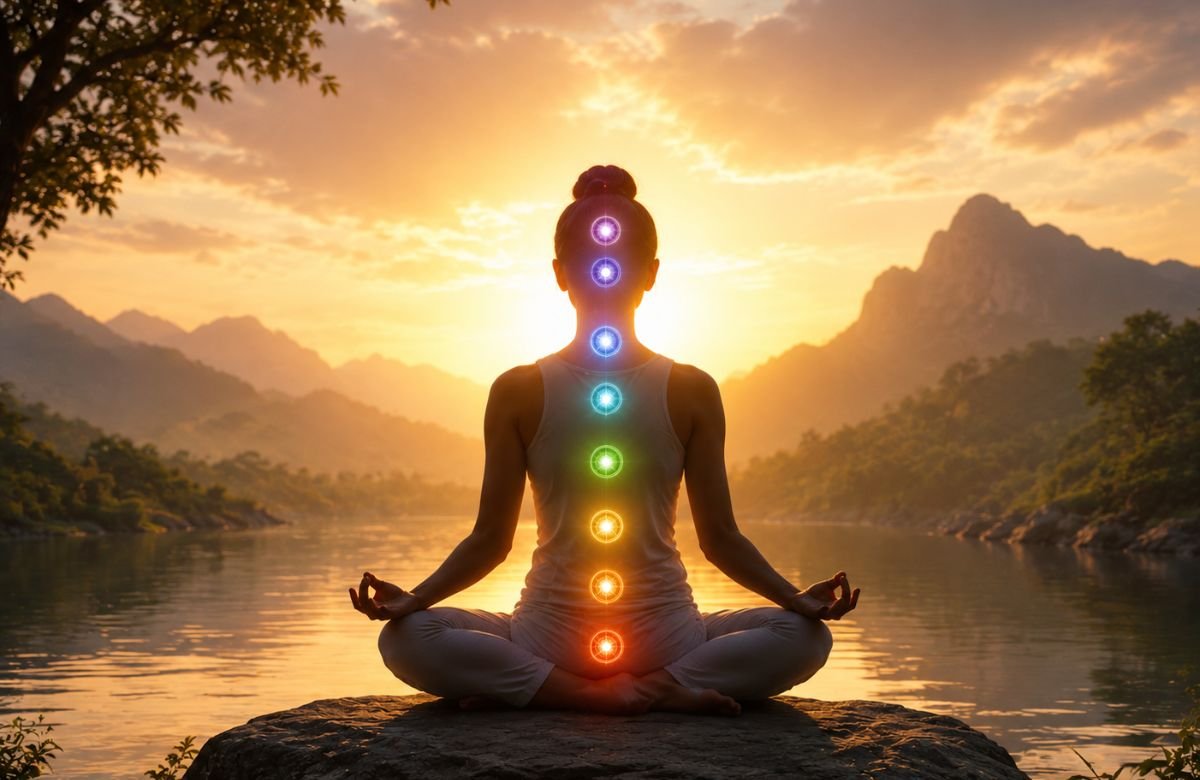
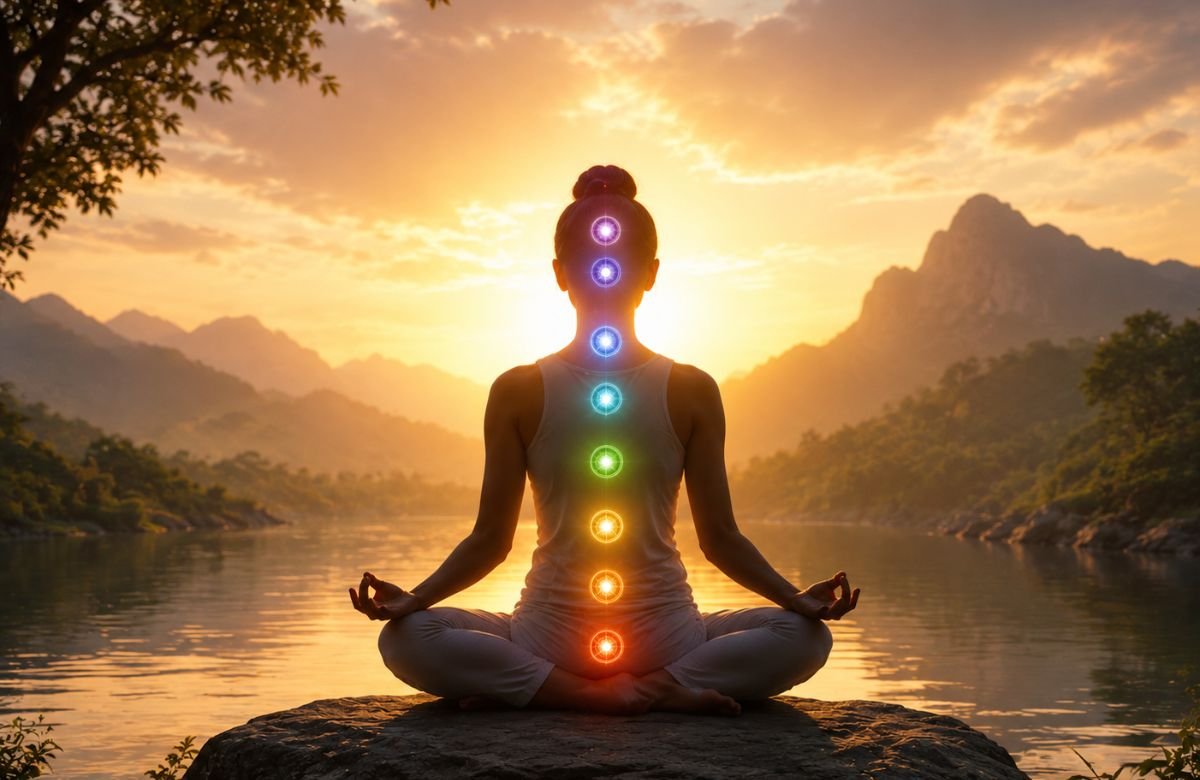
Kriya Yoga often works with awareness of the body's subtle energy centers, known as chakras.
The seven major chakras include:
- Root Chakra (Muladhara)
- Sacral Chakra (Svadhisthana)
- Solar Plexus Chakra (Manipura)
- Heart Chakra (Anahata)
- Throat Chakra (Vishuddha)
- Third Eye Chakra (Ajna)
- Crown Chakra (Sahasrara)
Through disciplined practice, practitioners seek to awaken and harmonize these centers of consciousness.
Kriya Yoga for Modern Life
One of the remarkable aspects of Kriya Yoga is its practicality.
Unlike paths requiring withdrawal from society, Kriya Yoga can be practiced while maintaining:
- Family responsibilities
- Professional careers
- Social commitments
- Community involvement
This approach was exemplified by Lahiri Mahasaya, who lived as a householder while attaining profound spiritual realization.
Common Misconceptions
Kriya Yoga Is Not a Religion
People from all faiths can practice Kriya Yoga.
Kriya Yoga Is More Than Breathing Exercises
Breath control is important, but the practice encompasses meditation, self-discipline, and spiritual growth.
Kriya Yoga Is Not Instant Enlightenment
Spiritual progress requires regular practice, patience, and dedication.
Kriya Yoga Is Not Physical Exercise Alone
Although it may include preparatory practices, its focus is inner transformation rather than physical fitness.
Who Can Practice Kriya Yoga?
Kriya Yoga may be suitable for:
- Spiritual seekers
- Meditation practitioners
- Yoga enthusiasts
- Working professionals
- Students
- Retired individuals
Many traditions recommend learning advanced Kriya techniques from an authorized teacher to ensure proper understanding and guidance.
Daily Kriya Yoga Lifestyle Principles
A balanced Kriya Yoga lifestyle often includes:
- Regular meditation
- Conscious breathing
- Ethical living
- Healthy diet
- Positive thinking
- Selfless service
- Spiritual study
- Devotion and gratitude
Consistency is considered more important than intensity.
Kriya Yoga is one of the most profound and respected meditation traditions of India. By combining breath control, concentration, and spiritual awareness, it offers a systematic path toward inner peace and self-realization. Whether approached as a spiritual discipline, a meditation practice, or a method of personal transformation, Kriya Yoga continues to inspire seekers around the world.
Its central message remains timeless: by mastering the breath and directing awareness inward, individuals can discover the deeper dimensions of consciousness and experience a direct connection with their true spiritual nature.