

- Uttarakhand Tours
- @nagarjuna_travels
If you have been researching the kedarnath trek distance, you have probably noticed the numbers don't quite agree with each other. One website says 16 km. Another says 18 km. A third says 21 km. None of them explain why. The honest answer is that the distance has actually changed over the years — a newer, slightly shorter trail was built after the 2013 floods, and different sources are simply quoting different versions of the route without saying so. Add to that the conflicting estimates for how long the trek takes — anywhere from 6 to 10 hours — and most first-time pilgrims end up planning their entire Kedarnath yatra around guesswork rather than facts. This guide fixes that. We will walk you through the exact kedarnath trek distance from Gaurikund, the realistic kedarnath trekking time for different fitness levels, the best season to attempt it, and what each kilometre of the route actually looks and feels like. We have also pulled in the current 2026 helicopter fares and Nagarjuna Travels package rates, so if walking 16 to 18 km uphill at altitude is not for you, you will know exactly what the alternative costs.
Kedarnath Trek Distance: The Straight Answer
The kedarnath trek distance from Gaurikund — the official trailhead and the end of the motorable road — to Kedarnath temple is approximately 16 to 18 km one way. The most commonly cited figure today is 16 km, reflecting the realigned and partially re-paved trail built after the 2013 flash floods. Some older sources still quote 18 to 21 km, referring to the pre-2013 trail, which followed a slightly longer and less direct path through the valley. The kedarnath walking distance from gaurikund involves a substantial altitude gain — from 1,982 m at Gaurikund to 3,553 m at the temple, a climb of approximately 1,571 metres over 16 to 18 km. This is what makes the kedarnath trek distance feel considerably harder than a flat walk of the same length. The gradient is steady and, in several sections, genuinely steep — this is a real Himalayan trek, not a casual stroll, even though the trail itself is well-paved and requires no technical climbing skill.
For the round trip — gaurikund to kedarnath trek distance there and back — most pilgrims cover approximately 32 to 36 km total over two days: one day for the ascent and darshan, one day for the descent (or, for very fit trekkers, both in a single very long day). The kedarnath yatra distance by foot is the most traditional and spiritually significant way to complete the pilgrimage, and the majority of pilgrims still choose to walk at least one direction.
Kedarnath Trekking Route: Stage-by-Stage from Gaurikund
Breaking the kedarnath trekking route into stages makes the kedarnath distance to walk far less intimidating and helps you plan rest stops, meals, and pacing. The trail has several recognisable landmarks that divide it naturally into manageable sections.
Stage 1 — Gaurikund to Jungle Chatti: Approximately 4 km
The kedarnath trekking route begins right at Gaurikund, climbing immediately through a series of switchbacks above the town. This first stretch is steep and serves as a real test of pace for most pilgrims — many people start too fast here and pay for it later. The path is paved with stone and concrete for nearly the entire distance. Jungle Chatti, at approximately 2,360 m, is the first major rest point with tea stalls, basic food, and toilet facilities. Most trekkers cover this section in 1.5 to 2 hours.
Stage 2 — Jungle Chatti to Bheembali: Approximately 3 km
This middle section eases slightly in gradient compared to the opening climb, passing through forested terrain with views of the Mandakini valley opening up below. Bheembali, at approximately 2,700 m, is another halt point with food stalls and a helipad nearby (one of the alternate helicopter landing points used in certain operational configurations). This stage typically takes 1 to 1.5 hours.
Stage 3 — Bheembali to Linchauli: Approximately 3 km
The climb resumes more seriously in this stage, gaining altitude steadily toward Linchauli at approximately 3,000 m. The terrain becomes rockier and more exposed, with the tree line beginning to thin. Many pilgrims report the air becoming noticeably thinner from this point onward. Linchauli has guesthouses and is sometimes used as an overnight halt by trekkers doing the climb across two days rather than one. This stage takes approximately 1.5 hours.
Stage 4 — Linchauli to Kedarnath Temple: Approximately 6 to 7 km
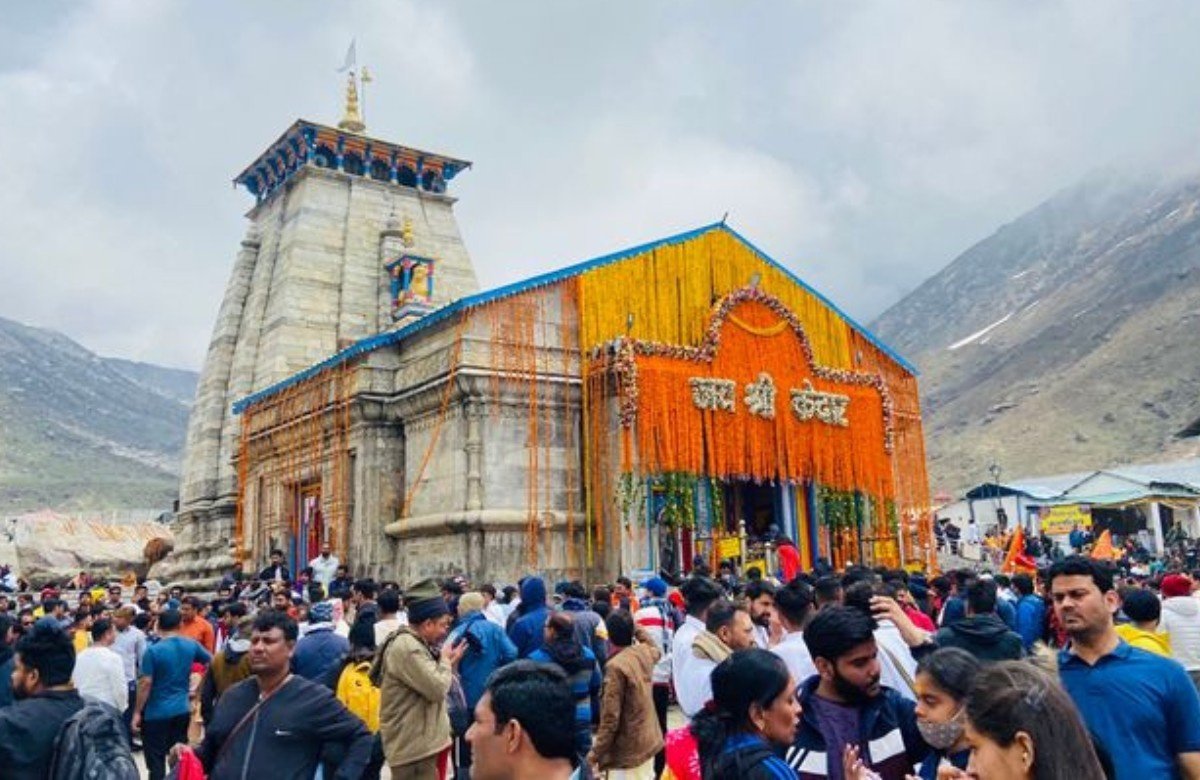
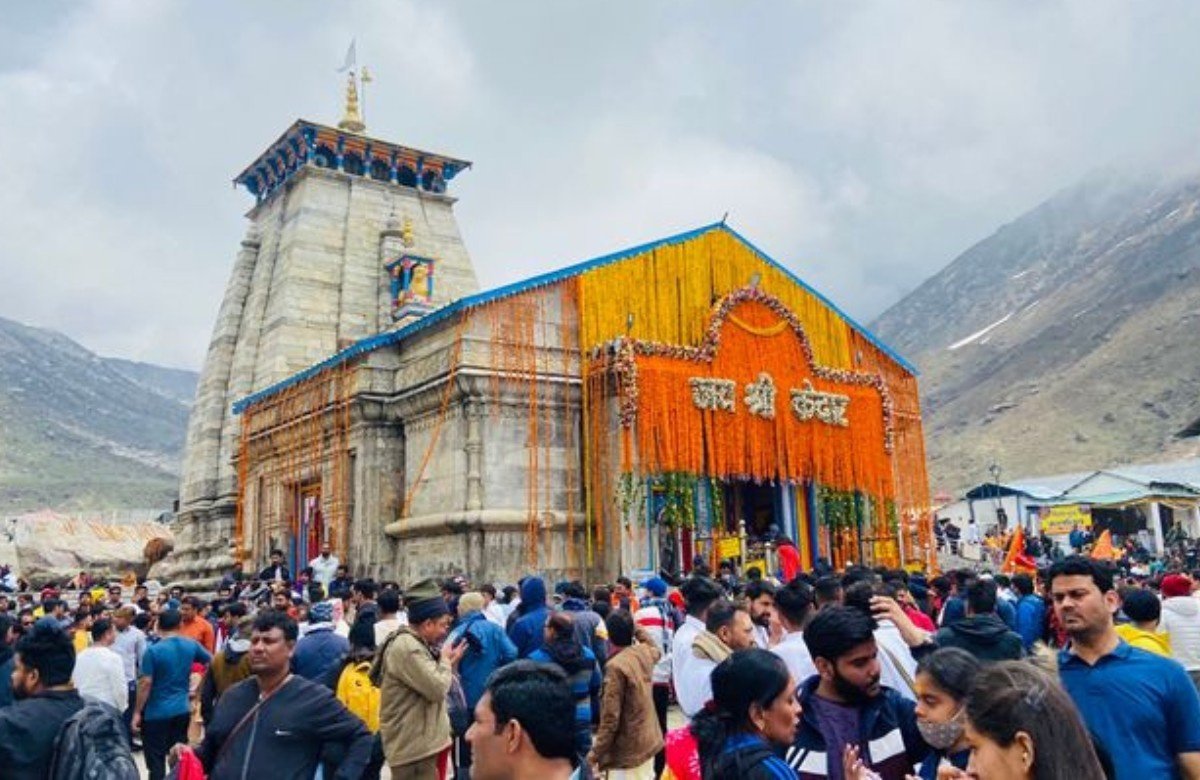
The final and longest stage of the kedarnath trek distance is also the most demanding — both physically and emotionally. The trail climbs from Linchauli at 3,000 m to the temple at 3,553 m, with the landscape becoming increasingly stark and high-altitude in character. Rambara, the old midpoint settlement destroyed in the 2013 floods, no longer exists as a halt but the area is passed en route. As the temple comes into view in the final kilometre — the snow-streaked peak of Kedar Dome rising directly behind it — most pilgrims describe an overwhelming sense of arrival that makes the final, hardest stretch feel almost effortless. This stage takes 2.5 to 3.5 hours depending on fitness and crowd density.

Gaurikund to Kedarnath Trek Distance: Complete Stage Reference
Here is the complete stage-by-stage breakdown of the gaurikund to kedarnath trek distance, with altitude and realistic walking times for an average pilgrim.
| Stage | Section | Distance | Altitude Range | Walk Time |
| 1 | Gaurikund → Jungle Chatti | ~4 km | 1982 → 2360 m | 1.5–2 hrs |
| 2 | Jungle Chatti → Bheembali | ~3 km | 2360 → 2700 m | 1–1.5 hrs |
| 3 | Bheembali → Linchauli | ~3 km | 2700 → 3000 m | ~1.5 hrs |
| 4 | Linchauli → Kedarnath Temple | ~6–7 km | 3000 → 3553 m | 2.5–3.5 hrs |
| Total | Gaurikund → Kedarnath | ~16–18 km | Gain: ~1571 m | 6.5–8.5 hrs |
Kedarnath Trekking Time: How Long Does It Actually Take?
The kedarnath trek time varies significantly based on fitness level, pace, crowd density, and weather. Understanding how long is kedarnath trek for different types of pilgrims helps you plan your day realistically rather than relying on a single generic number.
Fit and Regular Trekkers
Pilgrims who walk or exercise regularly and have some experience with hill trekking typically complete the gaurikund to kedarnath walking time in 5 to 6 hours with minimal stops. These trekkers usually start early (by 5 to 6 AM) and maintain a steady, unhurried pace throughout, taking only brief breaks for water and photographs.
Average Adult Pilgrims
For most pilgrims — adults in reasonable health who do not trek regularly — the kedarnath trekking time is 7 to 9 hours one way. This includes rest stops at Jungle Chatti, Bheembali, and Linchauli, plus slower pacing on the steeper sections in the final stage. Factor in additional time for meals, photography, and simply taking in the scenery — many pilgrims describe wanting to pause repeatedly as the mountains begin to dominate the view in the upper stages.
Elderly Pilgrims and Those Using Assistance
For elderly pilgrims, those with limited mobility, or anyone walking with young children, the kedarnath trekking time can extend to 9 to 12 hours, or is more commonly split across two days with an overnight halt at Linchauli or one of the intermediate guesthouses. Ponies, doli (palanquin carried by porters), and kandi (a basket carried on a porter's back, typically for children) are all available at Gaurikund and significantly reduce the physical demand, though they do not eliminate the time required for the climb.
What Adds to Your Kedarnath Trekking Time
- Crowd density on the trail, particularly during May–June and around weekends, can slow the narrower sections significantly.
- Weather changes — rain or fog can reduce visibility and require more cautious, slower pacing on the stone-paved sections.
- Altitude effects above Linchauli (3,000 m) — many pilgrims naturally slow down here regardless of their fitness level lower down.
- Rest stops for tea, food, and photographs — budget at least 30 to 45 minutes across the full trek for these.
- Darshan queue time at the temple itself — this is separate from trek time but adds significantly to your total kedarnath visit time, especially during peak season.
Is the Kedarnath Trek Distance Difficult? What to Expect Physically
The kedarnath trek distance of 16 to 18 km is moderate in length by Himalayan trekking standards, but the altitude gain of 1,571 metres over that distance makes it genuinely demanding — particularly for pilgrims who do not regularly exercise or have not trekked at altitude before. Understanding what to expect helps you prepare properly rather than being caught off guard partway up the mountain.
- Begin basic cardiovascular preparation 3 to 4 weeks before your trip — daily walks of 4 to 6 km, ideally including some hill or stair sections, build the right stamina.
- Break in your trekking shoes well before the trip — the kedarnath walking distance on stone-paved trail causes significant blister problems with new or ill-fitting footwear.
- Carry at least 1.5 to 2 litres of water — dehydration at altitude is more common and more dangerous than most pilgrims expect.
- Pace yourself from the very first kilometre at Gaurikund — starting too fast on the initial steep switchbacks is the most common mistake that leads to exhaustion later.
- Take proper rest at Jungle Chatti, Bheembali, and Linchauli — these halt points exist for a reason, and skipping them to save time often backfires.
- Watch for symptoms of altitude sickness above Linchauli — headache, nausea, dizziness, or unusual breathlessness are signs to slow down, not push through.
- Layer your clothing — temperatures at Kedarnath can be cold even in May and June, especially in the early morning and evening.
Alternatives to the Kedarnath Walking Distance: Pony, Doli, and Helicopter
Not every pilgrim is able to or wants to cover the full kedarnath trek distance on foot. Several assisted options are available at Gaurikund and through licensed operators, each suited to different needs and budgets.
Ponies and Mules
Ponies and mules are available at Gaurikund for the full 16 to 18 km kedarnath yatra distance by foot alternative. Rates are regulated by the local administration and vary by season, typically ranging from approximately 3,000 to 5,000 one way depending on demand. Ponies significantly reduce physical exertion but still require 5 to 7 hours for the journey and are not suitable for very young children or pilgrims uncomfortable on horseback on narrow mountain trails.
Doli and Kandi (Palanquin and Basket Carry)
For pilgrims unable to walk or ride, a doli — a palanquin carried by a team of porters — is available at Gaurikund. This is typically the most expensive ground option, with rates depending on the pilgrim's weight and the porters' negotiated fee, often running into several thousand rupees each way. A kandi — a basket strapped to a single porter's back — is commonly used for young children and is a more affordable option for that specific use case.
Helicopter Service: Skipping the Trek Entirely
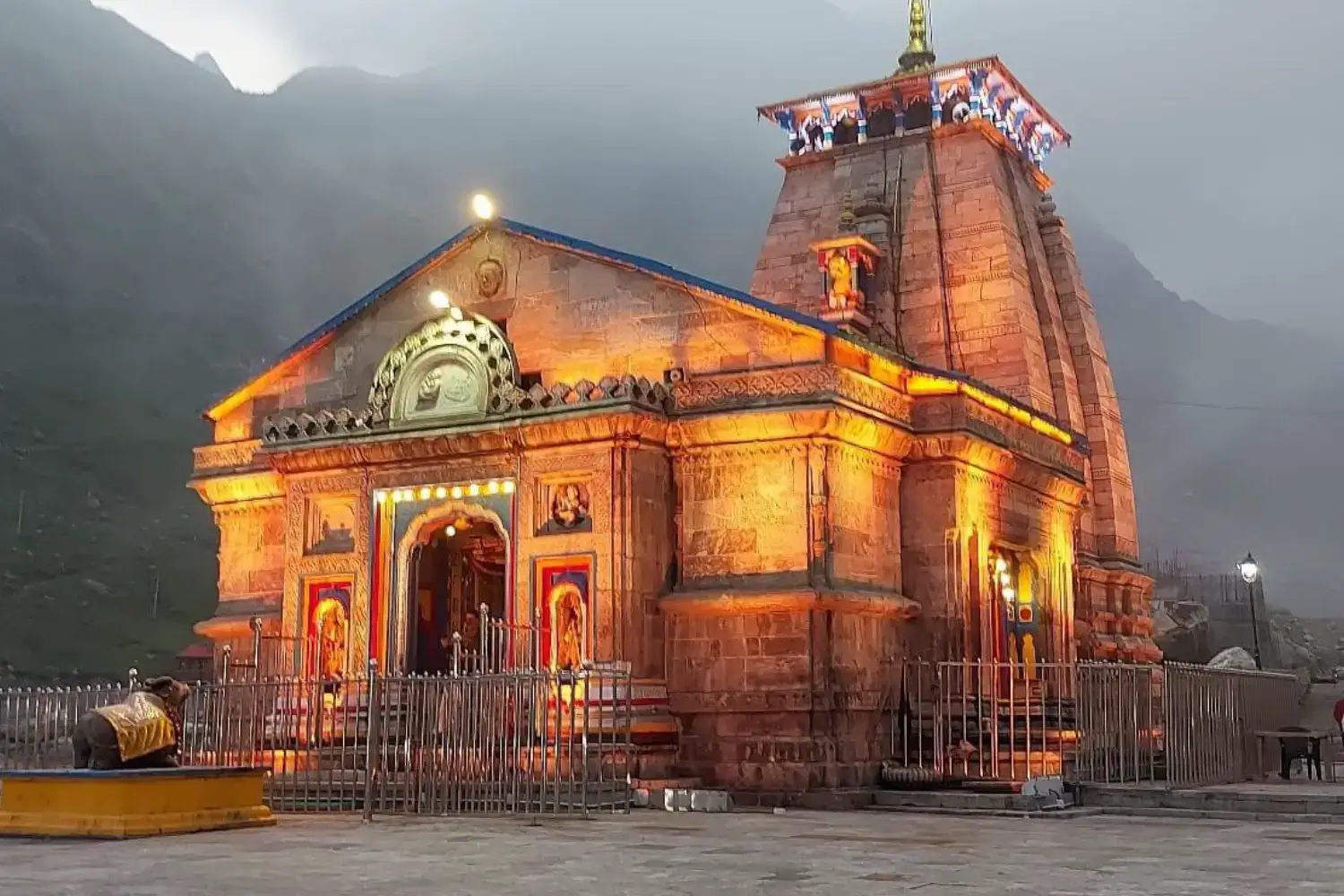
For pilgrims who want to skip the kedarnath trek distance altogether, helicopter services operate from three government-authorised helipads: Sirsi, Phata, and Guptkashi. Flight time is just 7 to 10 minutes, compared to 6 to 9 hours on foot. For 2026, the official IRCTC-regulated round-trip fares are approximately 6,390 from Sirsi, 10,164 from Phata, and 12,762 from Guptkashi per passenger, plus applicable convenience fees and GST. These tickets must be booked through the official IRCTC HeliYatra portal, and Char Dham Yatra registration is mandatory before booking is permitted. Beyond the standard shuttle service, premium charter options are also available for pilgrims wanting a more exclusive, time-flexible experience. Nagarjuna Travels offers a VIP Kedarnath Tour Package by Helicopter from Dehradun and Haridwar — this includes priority darshan privileges that let pilgrims avoid long queues, comfortable transfers, and a fully managed experience from arrival to return. A related VIP Luxury Same-Day Kedarnath Helicopter package is also available for pilgrims who want to complete the entire darshan in a single day without an overnight stay near the temple. Both are positioned for pilgrims — particularly senior citizens, NRIs, or time-constrained travellers — who want the spiritual experience of Kedarnath without the physical demands of the kedarnath trek distance.
Practical Tips for the Kedarnath Trekking Route
- Register online for the Char Dham Yatra before travelling — this is mandatory and required even for helicopter bookings, not just the walking trek.
- Start the trek as early as possible, ideally by 5 to 6 AM, to avoid both the midday heat and the worst of the trail crowding.
- Carry cash in small denominations — most tea stalls and shops along the kedarnath trekking route do not accept digital payments reliably due to patchy network coverage.
- Mobile network is weak to non-existent for long stretches above Jungle Chatti — inform family of your plans before starting and do not rely on being reachable during the trek.
- If trekking in a group, agree on a meeting point and approximate schedule in advance, since pace differences naturally spread groups out over the kedarnath trek distance.
- Pack a basic first-aid kit, including blister plasters and any personal medication — medical camps exist along the route but are spaced out.
- Respect the trail — the kedarnath walking distance passes through fragile high-altitude terrain; carry your waste back down rather than discarding it on the route.
Conclusion
The kedarnath trek distance of 16 to 18 km from Gaurikund is not a long walk by ordinary standards — but climbing 1,571 metres of altitude across that distance makes it one of the most physically meaningful pilgrimages in India. Every stage, from the steep opening switchbacks above Gaurikund to the final emotional approach where the temple comes into view against the Kedar Dome, asks something real of the pilgrim walking it. Know your kedarnath trekking time before you go. Train your body in the weeks beforehand. Choose your season carefully, ideally September to November or the early part of the May–June window. And whether you walk every one of those 16 to 18 kilometres on foot, ride a pony for part of the way, or take the 7-minute helicopter flight and arrive in a fraction of the time — the moment you stand before the ancient stone shrine of Kedarnath, with snow peaks rising directly behind it, the journey behind you will feel exactly as significant as it was meant to be.