

- Mount Kailash Blogs
- @nagarjuna_travels
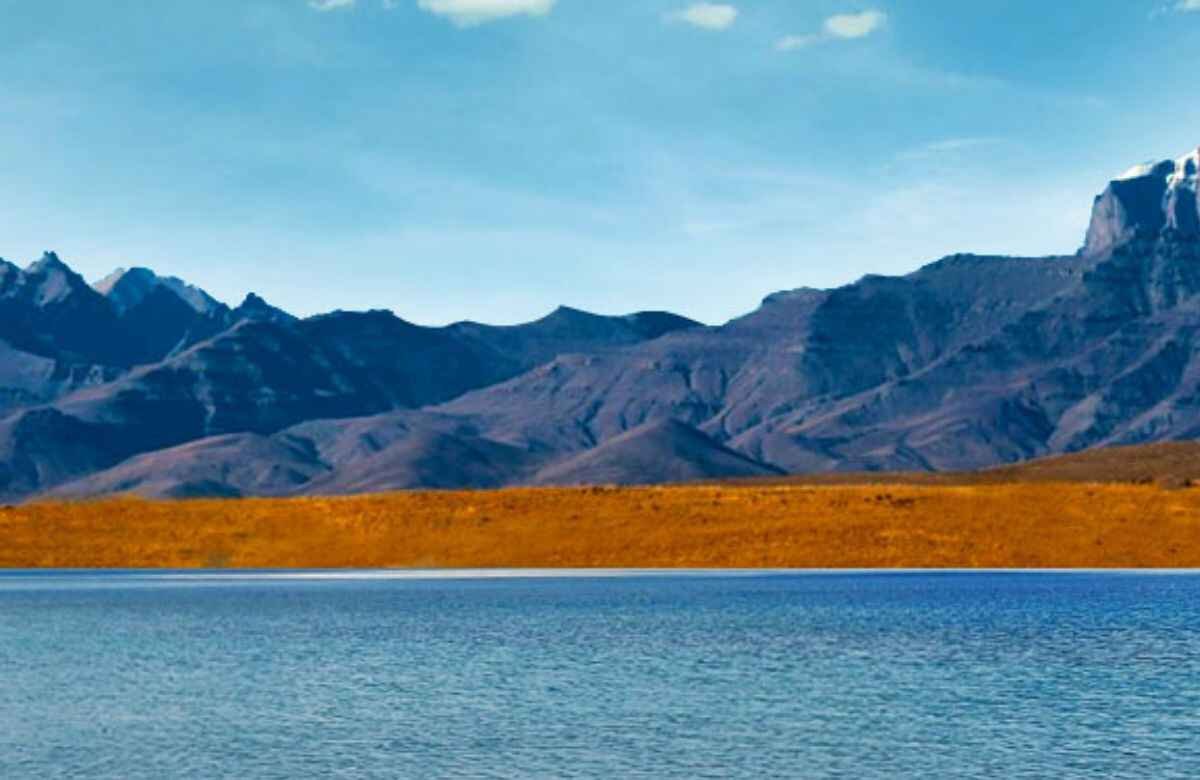
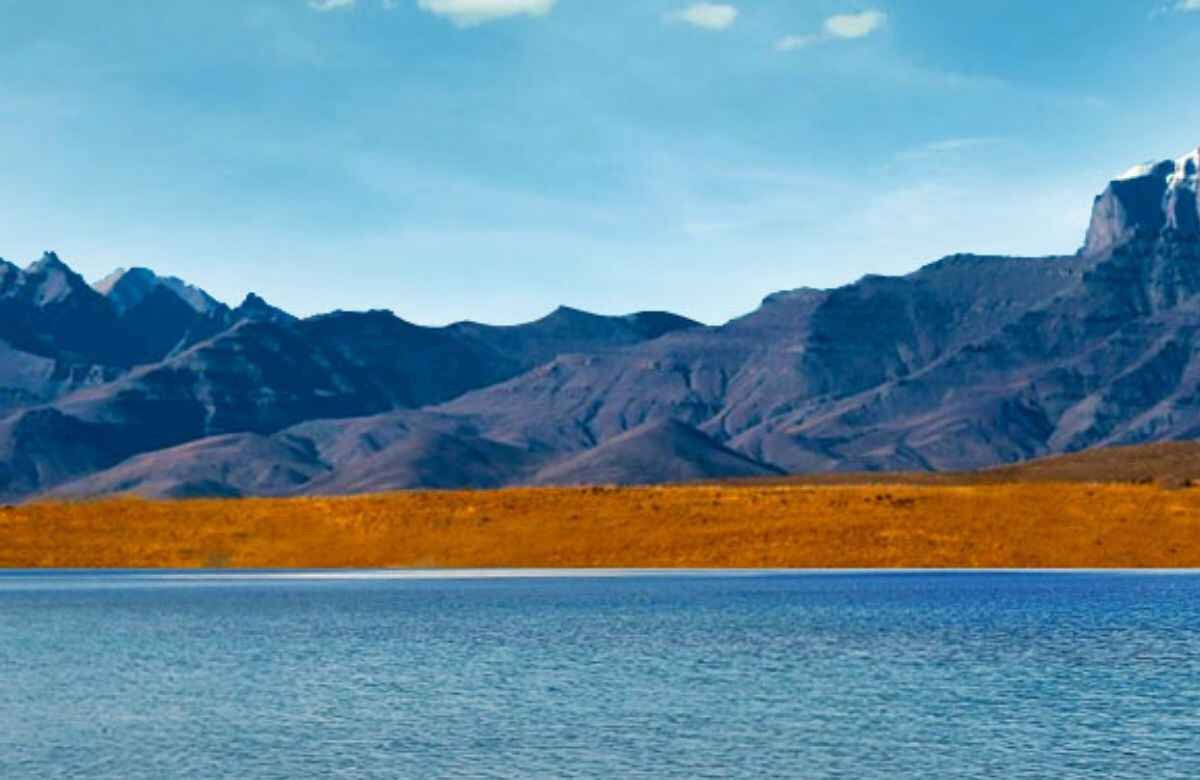
Lake Mansarovar is located in the remote western region of Tibet (China), near the border of India and Nepal. It lies at the foothills of the sacred Mount Kailash, making it one of the most revered pilgrimage destinations in the world.
Geographically, Mansarovar Lake is situated in the Ngari Prefecture of the Tibet Autonomous Region, at an altitude of approximately 4,590 meters (15,060 feet) above sea level. The lake is positioned about 20 kilometers south of Mount Kailash and is considered one of the highest freshwater lakes in the world.
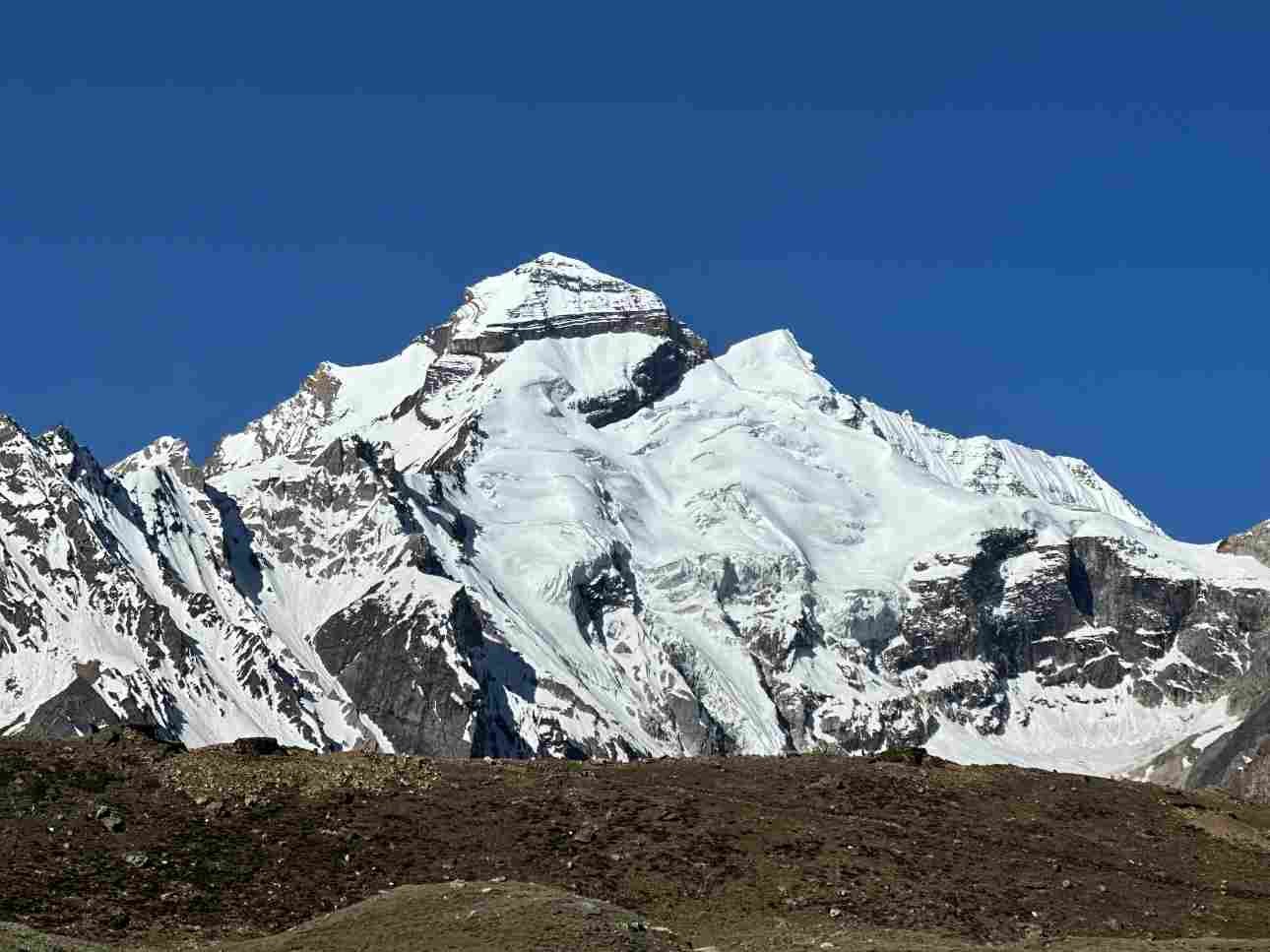
This pristine lake is surrounded by snow-capped Himalayan peaks and vast barren landscapes, creating a surreal and spiritually charged environment that attracts thousands of pilgrims and travelers every year.
Geographic Location and Map Understanding
To better understand where Mansarovar Lake is, it helps to visualize its position in relation to nearby countries and landmarks. The lake lies very close to the Indian border (Uttarakhand region) and Nepal’s Humla district.
The region is part of the Tibetan Plateau, often referred to as the “Roof of the World.” Due to its high altitude and remote location, the lake remains largely untouched by modern urbanization.
Mansarovar Lake is also located near another important lake called Rakshas Tal, which lies to its west. While Mansarovar is considered pure and sacred, Rakshas Tal holds mythological significance associated with Ravana.
Spiritual Significance of Mansarovar Lake
Lake Mansarovar is not just a geographical wonder—it is a deeply sacred site across multiple religions. In Hinduism, it is believed that Lord Brahma created the lake, and taking a dip in its holy waters is said to cleanse one’s sins and lead to salvation.
For Buddhists, the lake is associated with purity and enlightenment. It is believed that Queen Maya, the mother of Buddha, conceived him after bathing in these sacred waters. In Jainism, the lake is linked to the first Tirthankara, Rishabhdev.
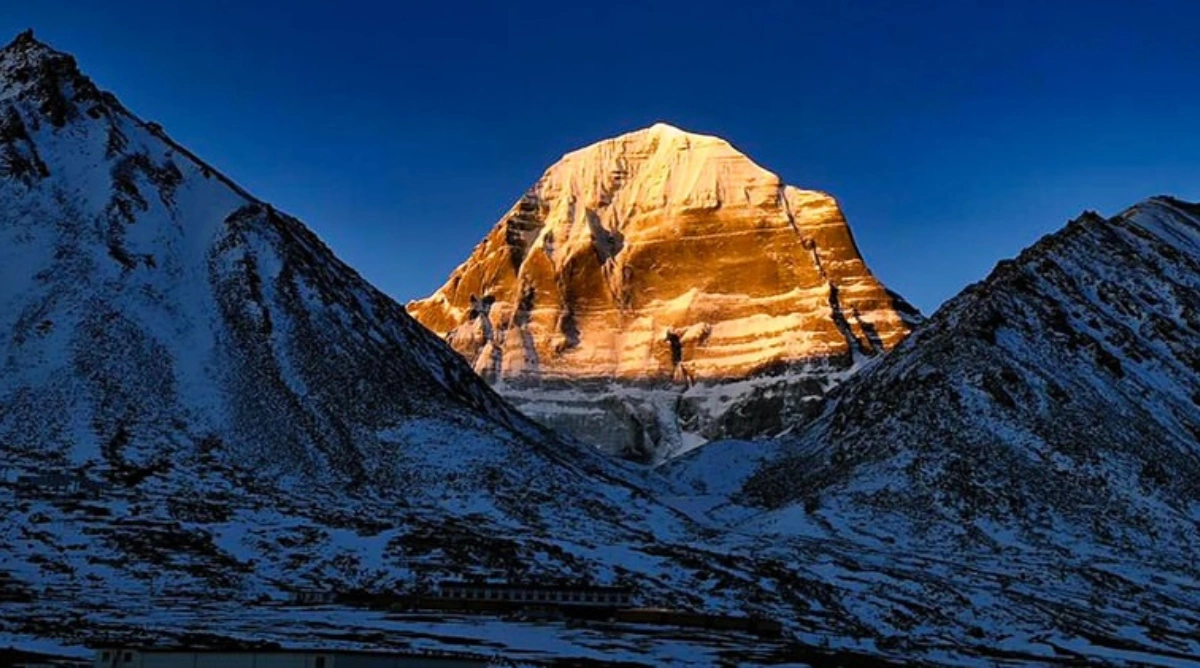
The proximity of Mansarovar Lake to Mount Kailash further enhances its spiritual significance. Pilgrims often perform rituals, meditation, and prayers along the shores of the lake before undertaking the Kailash Parikrama.
Why Mansarovar Lake is Famous
The fame of Mansarovar Lake lies in its unique combination of natural beauty and spiritual importance. Its crystal-clear waters reflect the surrounding mountains, creating a mesmerizing landscape that feels almost otherworldly.
The lake is also known for its calm and serene atmosphere. Many travelers describe a deep sense of peace and inner transformation upon visiting Mansarovar. The sunrise and sunset views here are especially breathtaking, often considered divine experiences.
Another reason for its popularity is its inclusion in the Kailash Mansarovar Yatra, one of the most sacred pilgrimages in Asia. Completing this yatra is considered a major spiritual achievement.
How to Reach Mansarovar Lake
Reaching Mansarovar Lake is not a simple journey due to its remote location and high altitude. Pilgrims typically travel via organized tours, as individual travel is restricted and requires permits from Chinese authorities.
There are mainly three routes to reach Mansarovar Lake:
1. Via Uttarakhand (Lipulekh Pass Route)
This is the traditional route from India, passing through Dharchula, Gunji, and Lipulekh Pass before entering Tibet.
2. Via Nepal (Simikot – Hilsa Route)
This is one of the most popular routes due to its relatively shorter duration. It involves flights and helicopter rides from Nepalgunj to Simikot and Hilsa.
3. Via Lhasa (Tibet Route)
This route involves traveling via Lhasa and then driving to Mansarovar, offering a more comfortable but longer journey.
Each route offers a unique experience, combining adventure, spirituality, and scenic beauty.
Best Time to Visit Mansarovar Lake
The best time to visit Mansarovar Lake is between May and September, when the weather conditions are relatively stable and the routes are accessible.
During these months, temperatures are manageable, and the lake is not frozen. This is also the time when most organized Kailash Mansarovar Yatras take place.
Winter months are extremely harsh, with temperatures dropping below freezing and heavy snowfall making travel nearly impossible.
Weather and Climate at Mansarovar Lake
The climate at Mansarovar Lake is cold and dry throughout the year. Even during summer, temperatures can drop significantly at night.
The region experiences strong winds and intense sunlight due to high altitude. Oxygen levels are also lower, which can cause altitude sickness if proper acclimatization is not followed.
Travelers are advised to carry warm clothing, sunscreen, and necessary medications while visiting.
Mansarovar Lake and Kailash Mansarovar Yatra
The journey to Mansarovar Lake is often combined with the Kailash Mansarovar Yatra. Pilgrims first visit the lake, perform rituals and take a holy dip, and then proceed towards Mount Kailash for the parikrama.
The yatra is considered physically challenging but spiritually rewarding. It offers a rare opportunity to experience both natural beauty and divine energy in one journey.
Interesting Facts About Mansarovar Lake
Mansarovar Lake is one of the few high-altitude freshwater lakes in the world. It is also one of the sources of major Asian rivers, including the Indus, Sutlej, Brahmaputra, and Karnali.
The lake remains unfrozen for most of the year compared to nearby water bodies, which is considered unique given its altitude.
It is also believed that the water of Mansarovar has healing properties, attracting pilgrims who seek both physical and spiritual purification.
Conclusion
So, where is Mansarovar Lake? It is located in the remote yet spiritually powerful region of Tibet, near Mount Kailash, at a high altitude in the Himalayas. More than just a geographical location, Mansarovar Lake represents purity, divinity, and the ultimate spiritual quest.
Whether you are a pilgrim seeking blessings or a traveler looking for a unique experience, visiting Lake Mansarovar is truly a life-changing journey.